






AXIS Community Science Book Available
18 November 2025
We are pleased to announce that the Advanced X-ray Imaging Satellite (AXIS) Community Science Book is now available on arXiv.
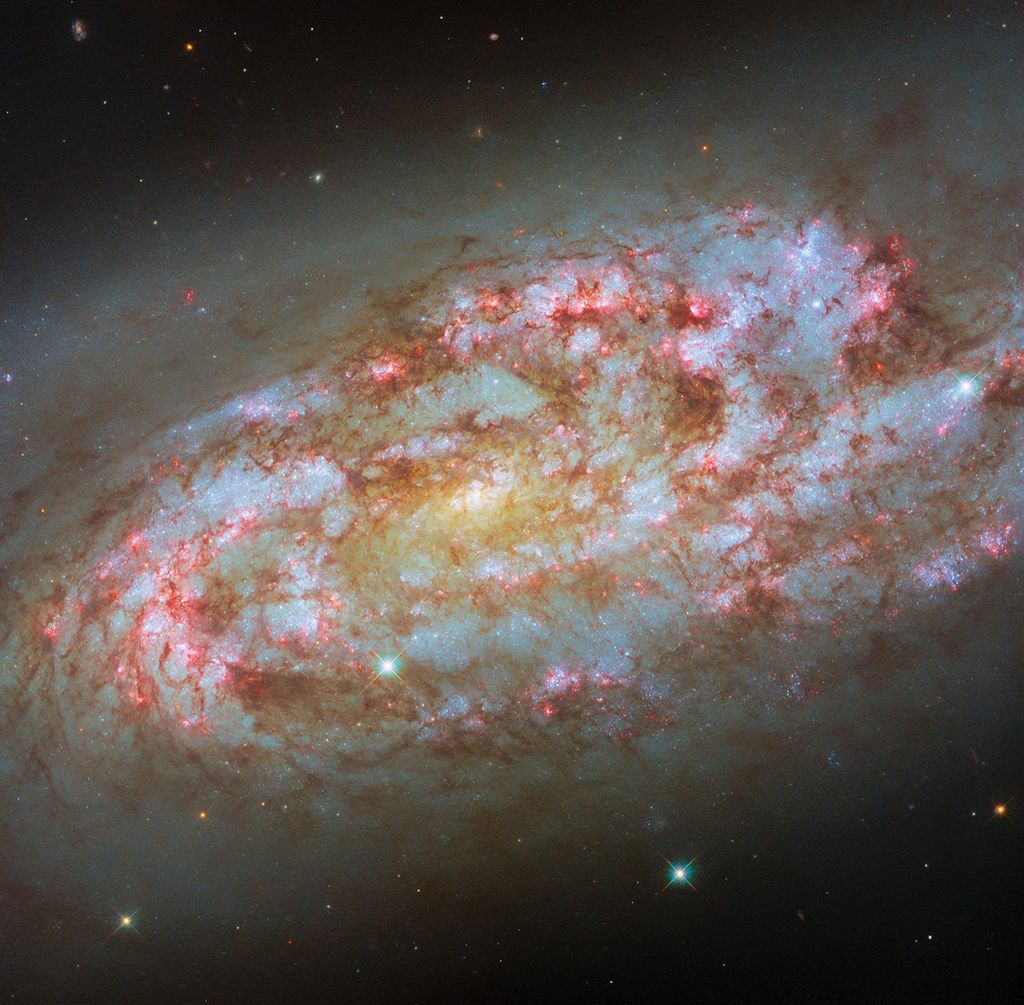
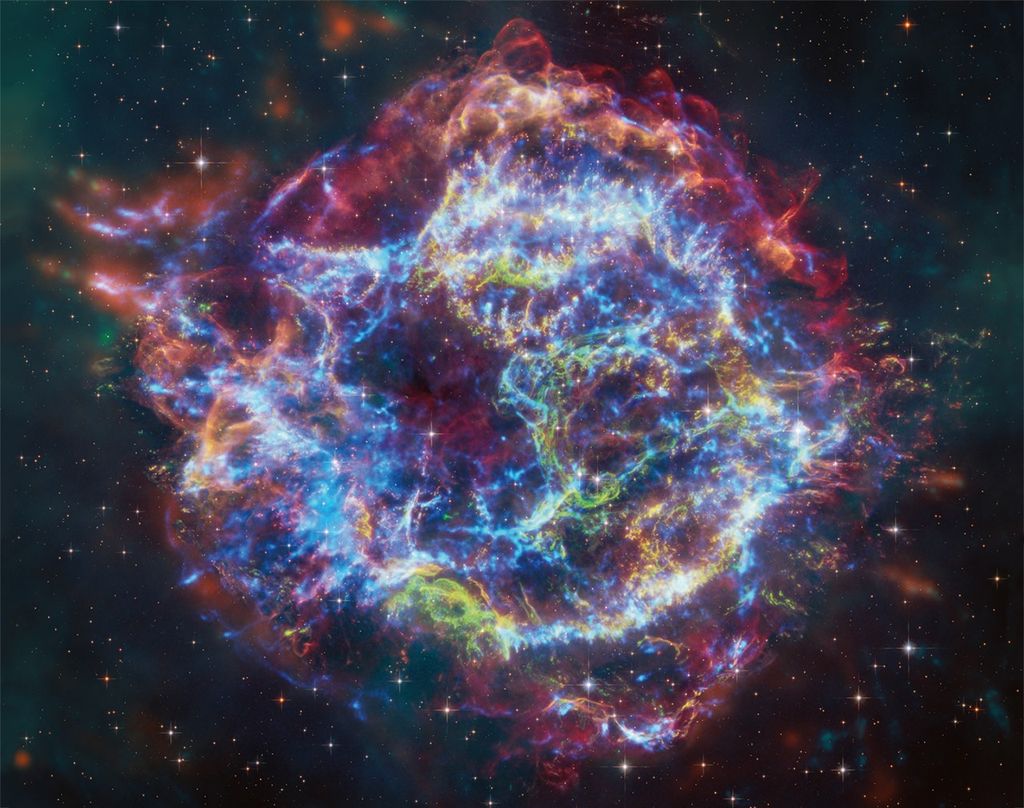
This 600+ page volume represents our collective year-long effort as a team of 517 scientists from 19 countries and 28 U.S. states. Through regular online meetings, workshops, and the AXIS Community Science Conference, we developed 140 science cases across five working groups spanning AGN and supermassive black holes, galaxy evolution and feedback, compact objects and supernova remnants, stellar physics and exoplanets, and time-domain and multi-messenger astrophysics.
AXIS, selected by NASA's Astrophysics Probe Program for Phase A study, will advance high-angular-resolution X-ray astronomy with ~1.5" imaging over a 24' field of view and an order of magnitude greater collecting area than Chandra (0.3-12 keV). Combining sharp imaging, high throughput, and rapid response capabilities, AXIS will open new windows on virtually every aspect of modern astrophysics, exploring the birth and growth of supermassive black holes, the feedback processes that shape galaxies, the life cycles of stars and exoplanet environments, and the nature of compact stellar remnants, supernova remnants, and explosive transients.
These studies establish the scientific foundation for next-generation X-ray exploration in the 2030s and highlight strong synergies with JWST, Roman, Rubin/LSST, SKA, ALMA, ngVLA, and next-generation gravitational wave and neutrino networks.
We hope you will join us at our AXIS special session at the next Winter Meeting of the American Astronomical Society (AAS 247) on Tuesday 6 January 2026, at 2p Mountain.
AAS Meeting 247
The 247th AAS meeting (joint with the Historical Astronomy Division) will be held 4-8 January 2026 in Phoenix, Arizona.
Learn More
News Straight to Your Inbox
Subscribe to your community email news list
We will never share your email address.