























Seven Things Worth Knowing About Vibriosis
1. Rod-shaped Vibrio bacteria live in coastal waters in the Gulf of Mexico, Chesapeake Bay, and elsewhere along the United States. Their numbers peak between May and October, when water temperatures are the warmest.
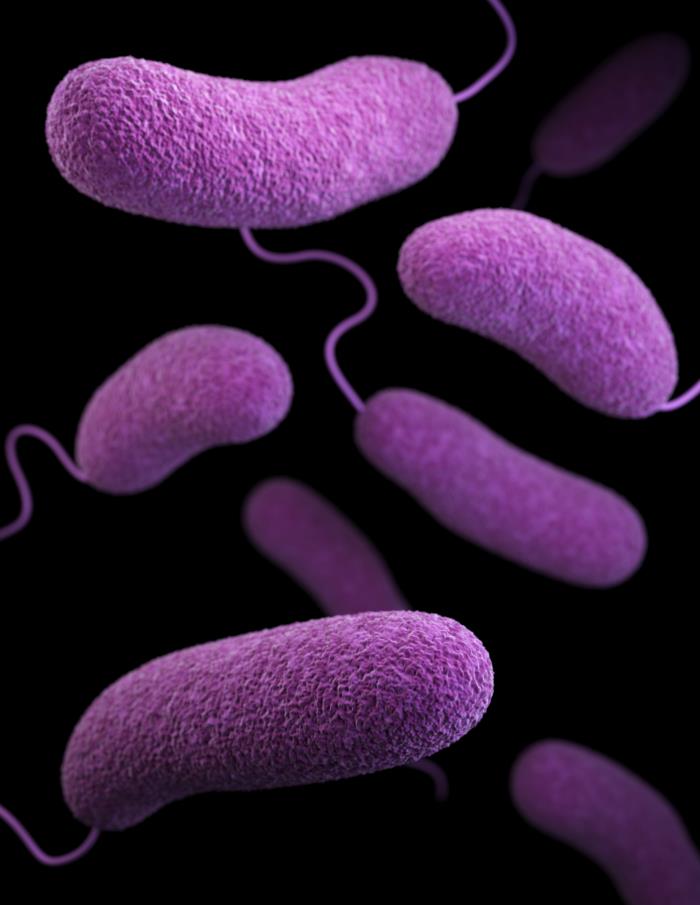
2. About a dozen Vibrio species can cause human illness, known as vibriosis. The U.S. Centers for Disease Control and Prevention estimates there are 80,000 cases per year. Eating contaminated seafood, usually oysters, causes 52,000 of them. Exposing wounds to brackish water, often while swimming or fishing, causes the rest.
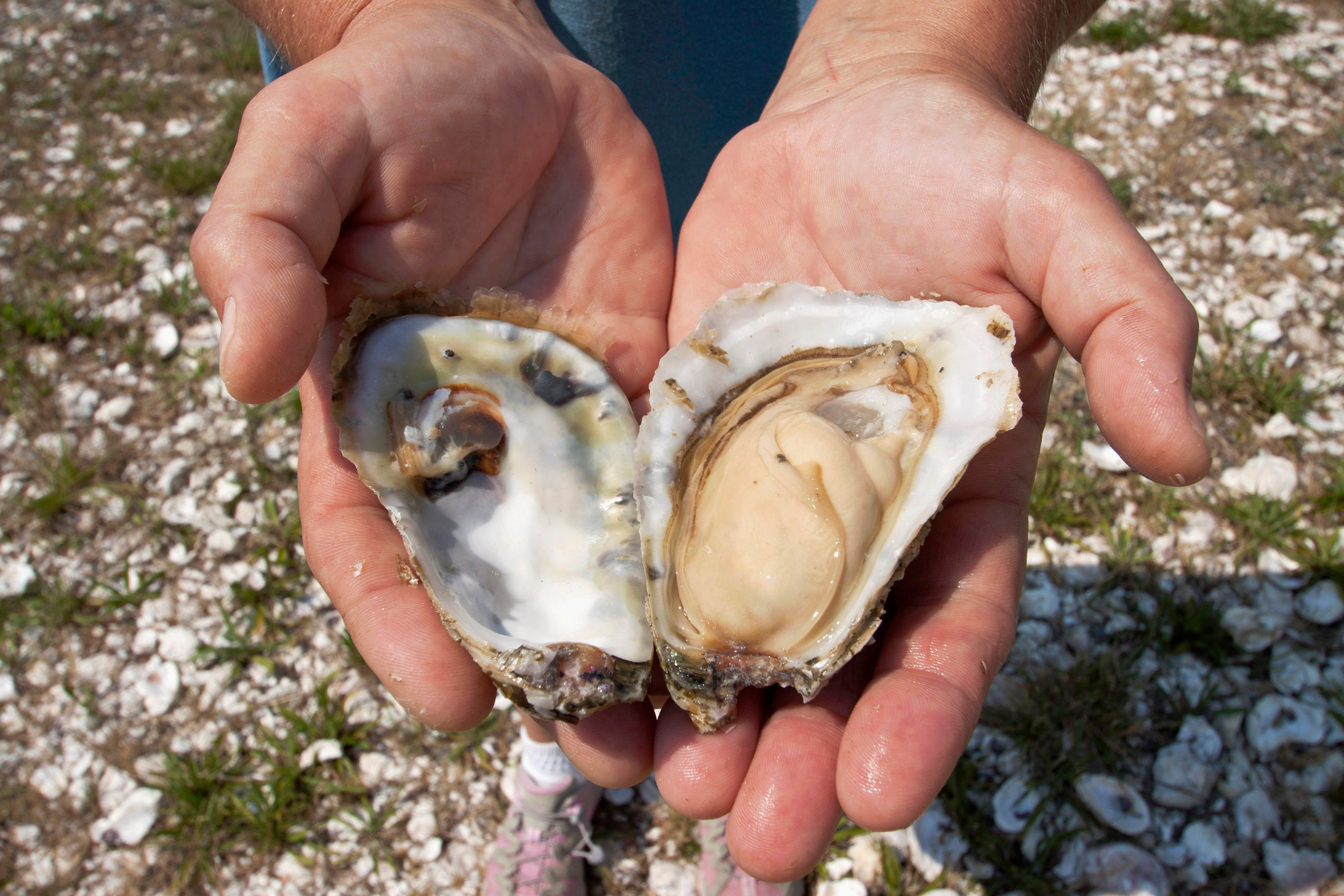
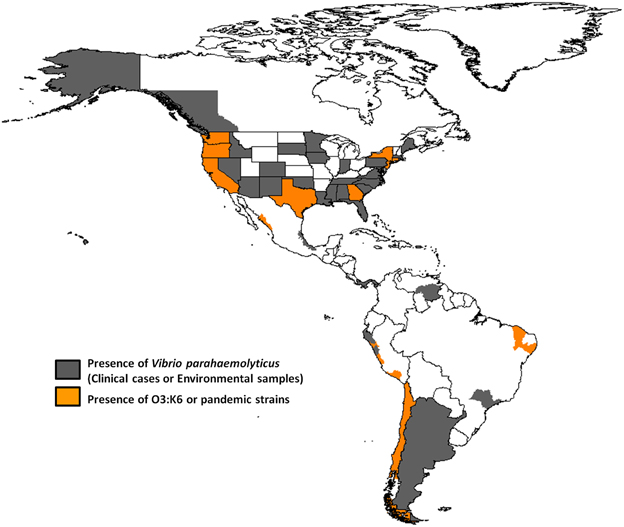
3.Vibrio parahaemolyticus and Vibrio vulnificus are two of the most common Vibrio species that cause health problems in the United States. The former causes 45,000 illnesses per year, but the symptoms are typically mild — a few days of minor gastrointestinal upset.
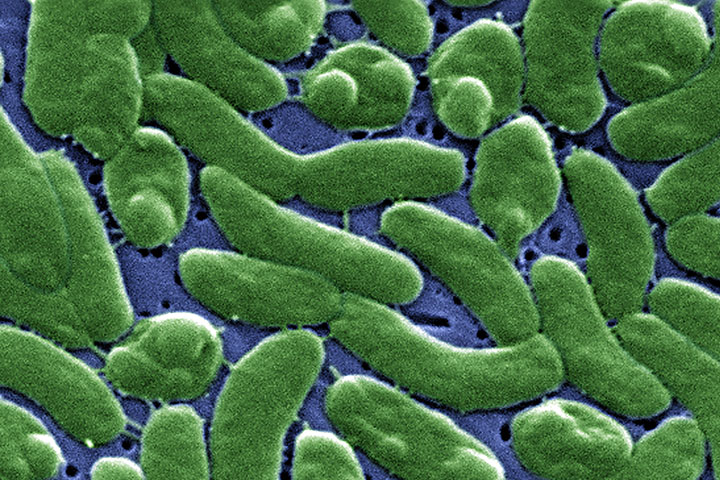
4. Vibrio vulnificus infections, however, are often deadly or lead to severe skin damage and amputated limbs. There are about 200 Vibrio vulnificus cases in the United States each year; half of them lead to fatalities. Men are much more likely to be infected than women, especially men with liver cirrhosis and compromised immune systems.
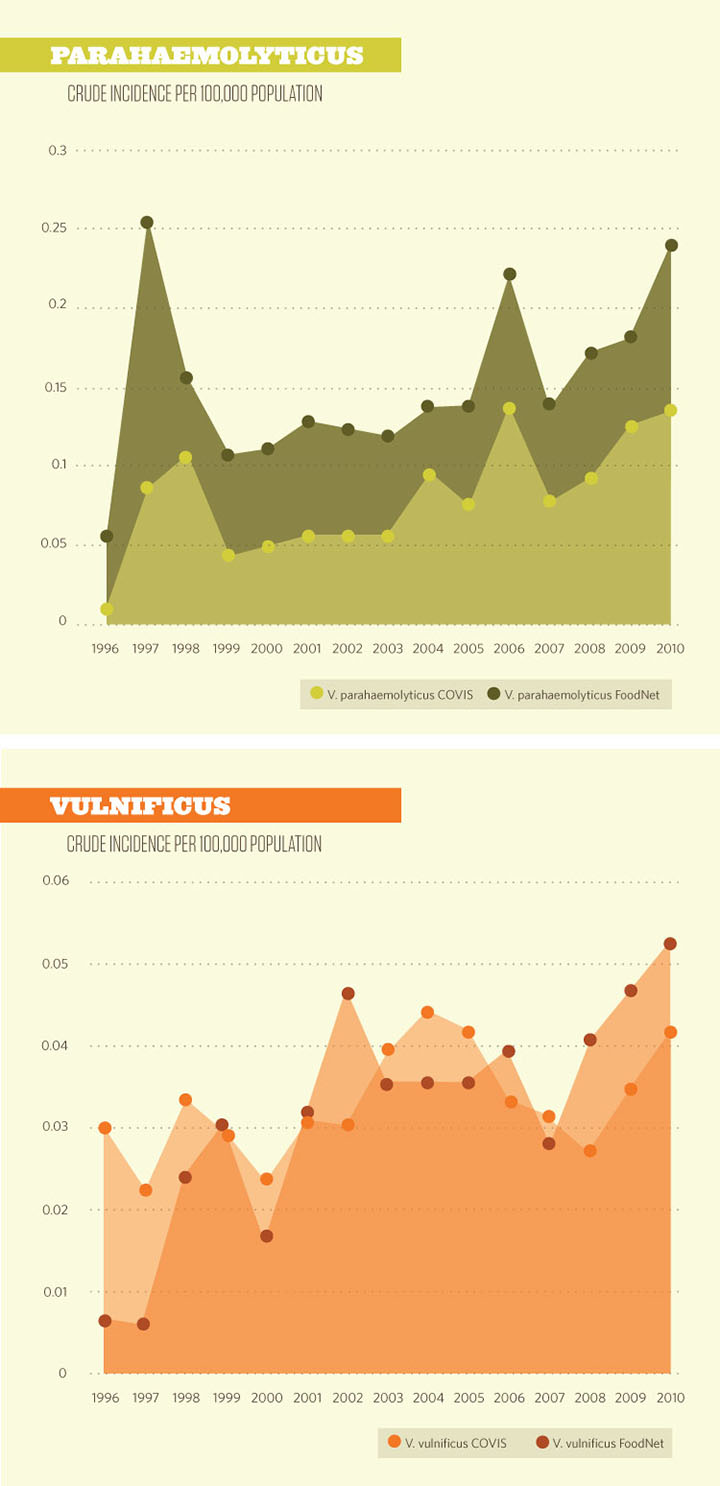
5. During a 15-year span beginning in the mid-1990s, vibrio infections in the United States increased threefold. That’s a significantly faster than other types of food-borne illnesses.
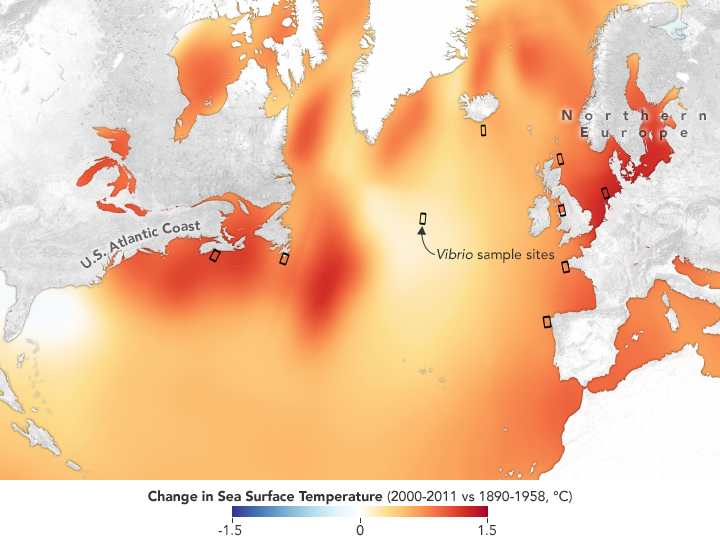
6. Research indicates that rising temperatures associated with climate change have contributed to the increase. (Increased reporting of the illness or more exposure to seawater may have contributed as well).
7. Remote sensing experts are using daily satellite data to develop better predictive tools that will help people understand and minimize their risk of exposure to Vibrio based on environmental variables such as water temperature, salinity, and the presence of chlorophyll.

Read more about Vibrio from the CDC, FDA, NASA Earth Observatory, and NASA Applied Sciences Chesapeake Bay Working Group.
