






















Exoplanet Stories
Filters
New analysis of archival Hubble data points to the possibility of "dead" white dwarf stars hosting second-generation planetary systems.
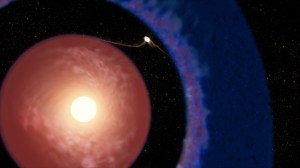
Astronomers have confirmed a world that’s less than a million years old as the youngest known planet, using data from NASA-funded archives. Called Elias 2-24 b, the baby planet is still whirling in its natal disk of dust and gas.…
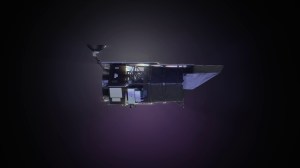
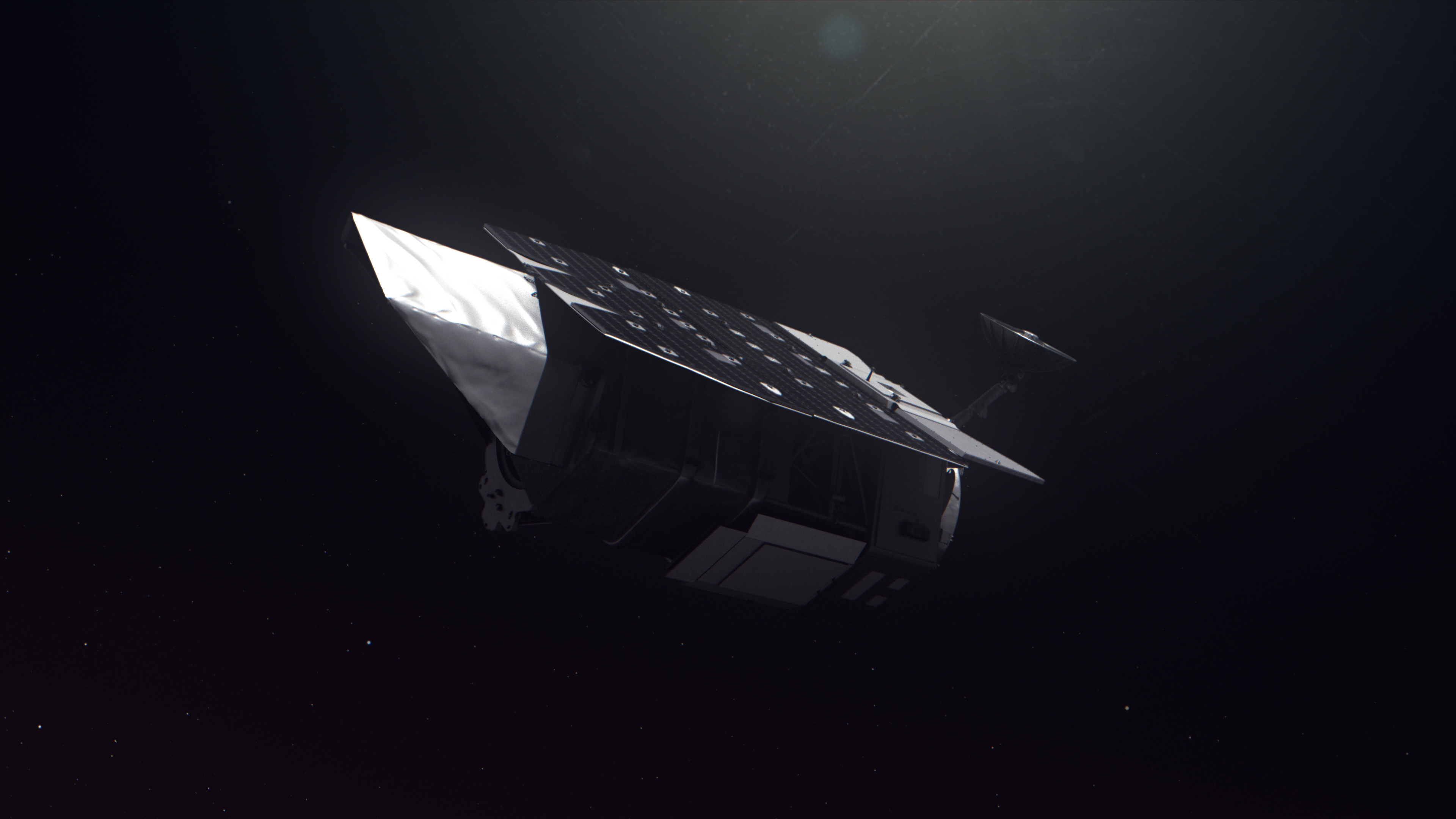
NASA’s Nancy Grace Roman Space Telescope is set to launch at 7:26 a.m. EDT on Sunday, Aug. 30. While you wait to watch the launch, brush up on some key facts about this wide-view mission. To learn more about the…
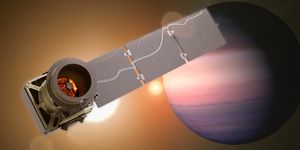
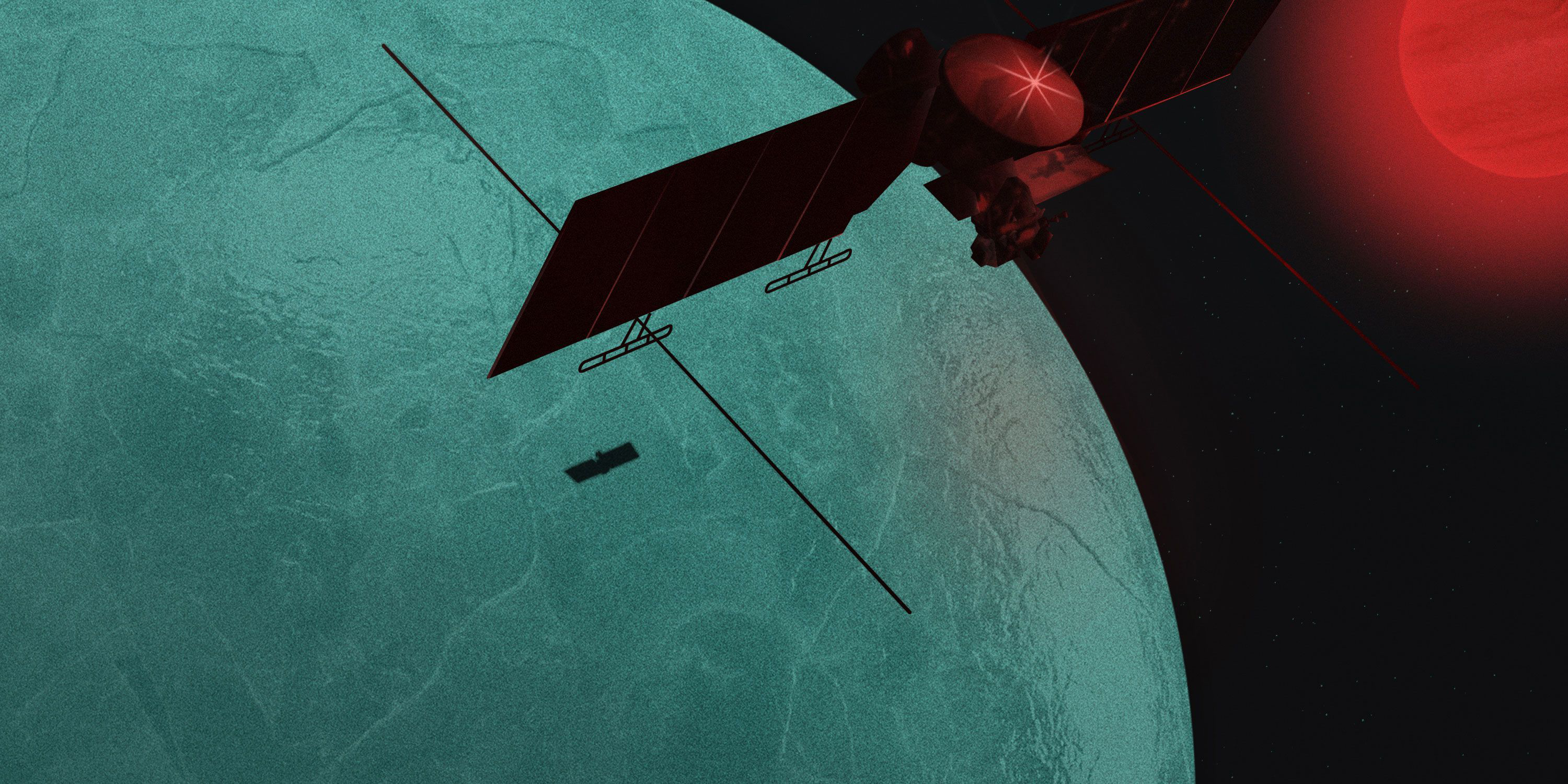
Pandora, NASA’s newest exoplanet mission and the first satellite to launch through the agency’s Astrophysics Pioneers program, is now making unique observations of worlds beyond our solar system and the stars they orbit. The mission will determine the atmospheric make-up…
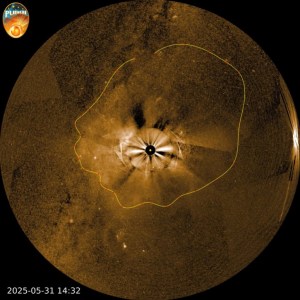
Using continuous imagery from NASA’s PUNCH (Polarimeter to Unify the Corona and Heliosphere) mission, scientists predicted the near-Earth arrival of a solar eruption to within 30 minutes in an initial proof of concept test. The results, presented Tuesday at the…
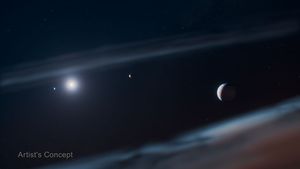
Astronomers using NASA’s James Webb Space Telescope have discovered a giant planet outside our solar system, called an exoplanet, hiding within one of the most intensely studied planetary systems in our Milky Way galaxy. The young, nearby star Beta Pictoris…
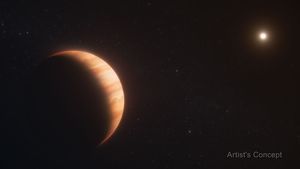
NASA’s James Webb Space Telescope is giving us new insight into the far-future of solar systems like our own, as the agency continues to reveal the secrets of the universe and our place in it. Billions of years ago, a…
For the first time, NASA’s TESS (Transiting Exoplanet Survey Satellite) mission has identified a planet orbiting a distant star thanks to ripples in space-time. Unlike the star-hugging transiting planets TESS regularly reveals, the newfound world is a super-Jupiter orbiting far…
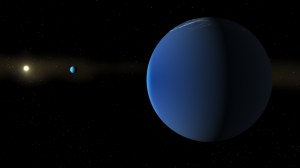
NASA has revealed two new “super-puff” planets, giant worlds so light that their density is comparable to cotton candy. Scientists calculate that these Jupiter-sized planets are the “puffiest” worlds ever found.
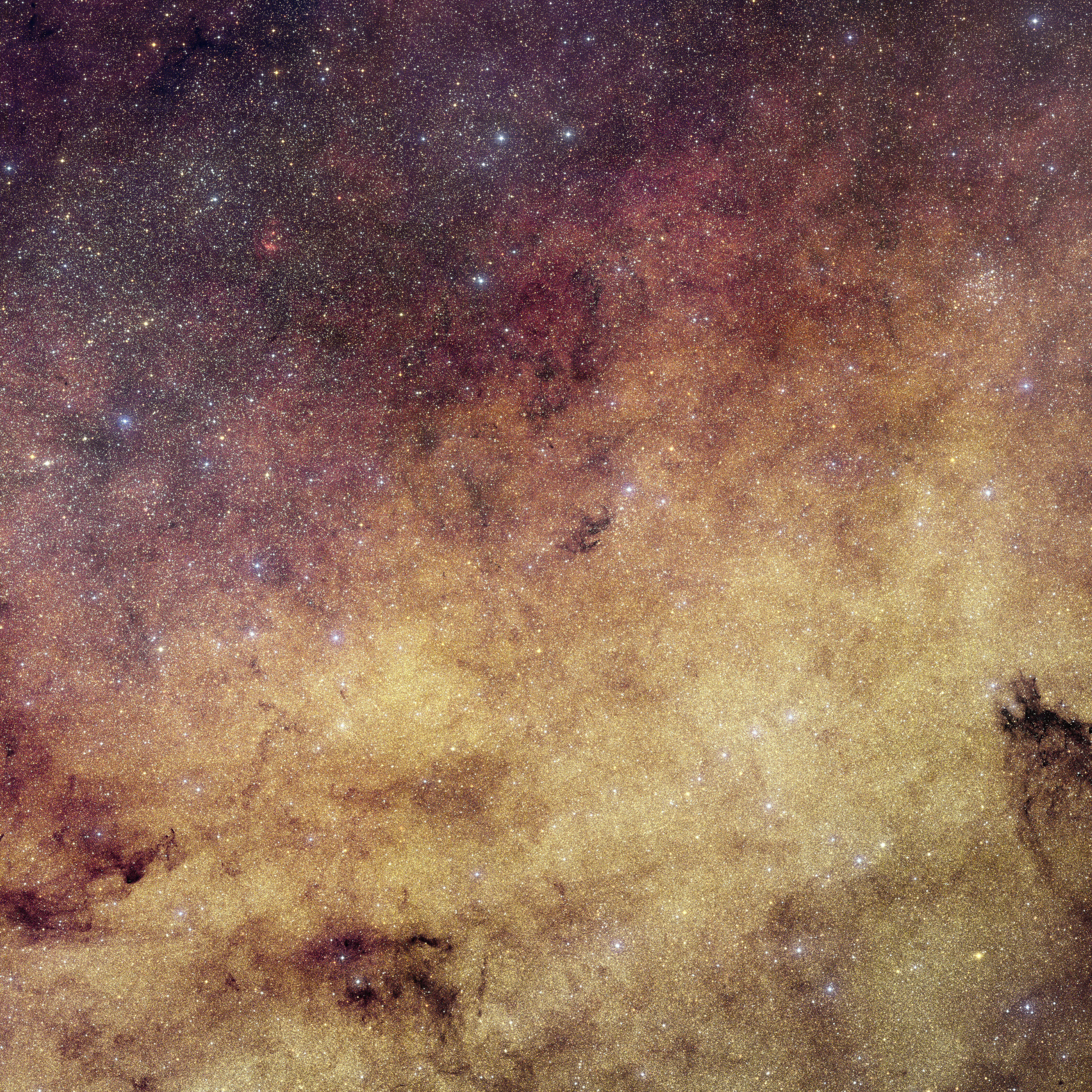
A new look at the heart of our Milky Way galaxy by Euclid, an ESA (European Space Agency) mission with NASA contributions, overlaps with a region scientists will observe with NASA’s Nancy Grace Roman Space Telescope, launching later this summer.…