



















The Nexus for Exoplanet System Science (NExSS)
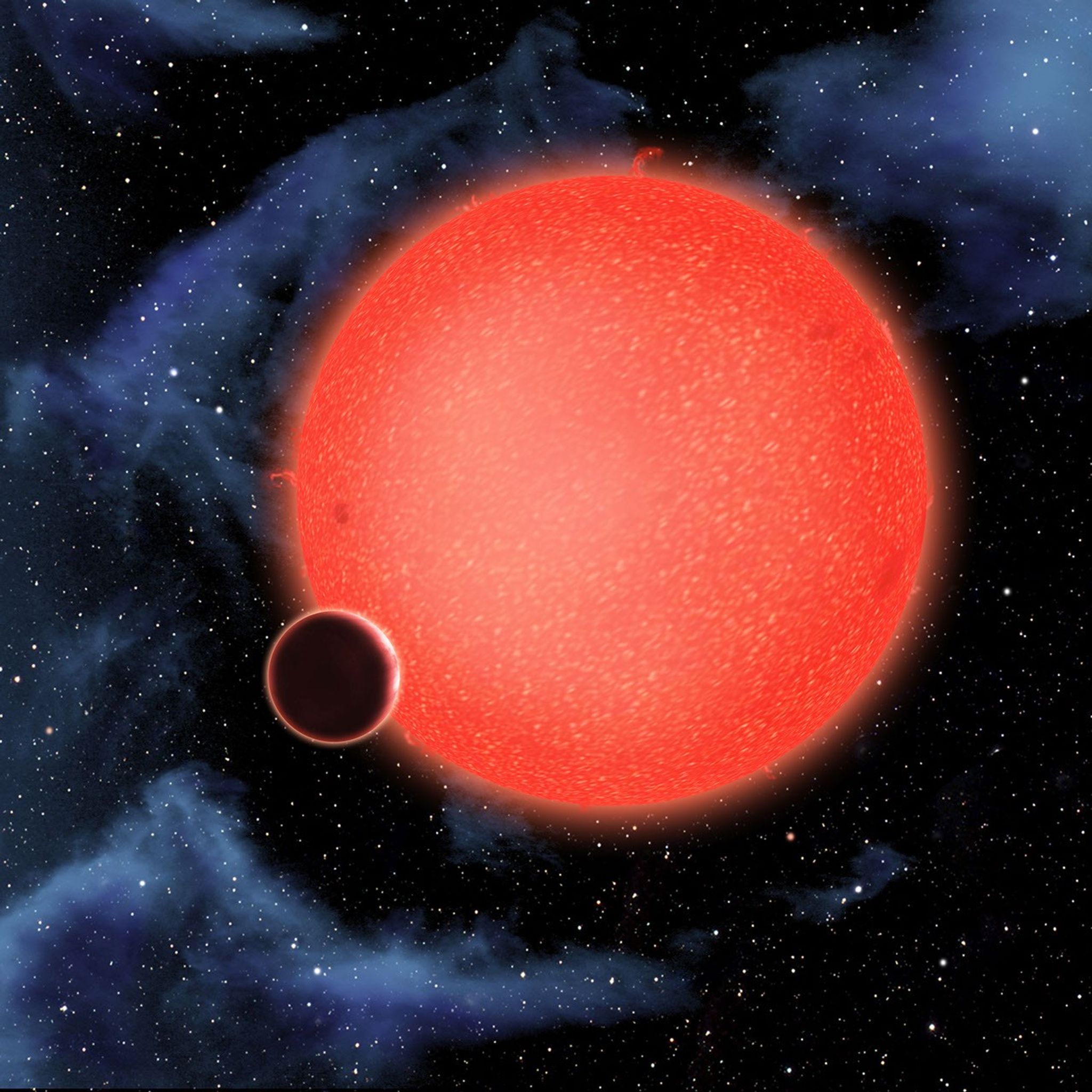
In 2015, NASA’s Astrobiology Program within the Planetary Science Division formed the Nexus for Exoplanet System Science (NExSS), a NASA research coordination network dedicated to the study of planetary habitability. The goals of NExSS are to investigate the diversity of exoplanets and to learn how their history, geology, and climate interact to create the conditions for life. NExSS investigators also strive to put planets into an architectural context – as solar systems are built over the eons through dynamical processes and sculpted by stars. Based on our understanding of our own solar system and habitable planet Earth, researchers in the network aim to identify where habitable niches are most likely to occur and which planets are most likely to be habitable. Leveraging current NASA investments in research and missions, NExSS accelerates the discovery and characterization of other potentially life-bearing worlds in the galaxy, using a systems science approach.
Assessment of NASA’s NExSS Research Coordination Network
In 2023, NASA released the findings of an assessment of the Nexus for Exoplanet System Science (NExSS) that examines the first six years of operation of the first NASA Research Coordination Network (RCN). Results of the assessment help guide activities to enhance the productivity of existing, and future, NASA RCNs.
To see more information on NExSS, see the NExSS website!
Organizational Structure
Current co-Leads:
- Laurie Barge, NASA Jet Propulsion Laboratory
- Ofer Cohen, University of Massachusetts Lowell
- Hilairy Hartnett, University of Washington
- Linda Sohl, Columbia University
NASA POCs:
- Rebekah Dawson-Rigas, Planetary Science Division
- Amber Young, Astrophysics Division
- Ed Nowottnick, Earth Science Division
- Galen Fowler, Heliophysics Division
NASA RCN Support Liaison:
- Willow Houck, NASA Ames Research Center
Visit the NExSS Website
NExSS maintains an independent website to coordinate activities. There you will find information on research from scientists within the NExSS network, featured scientific results in the form of research 'nuggets,' contact information, NExSS events, workshops, and more.
Click here about Visit the NExSS Website