




















Earth
Your home. Our mission.
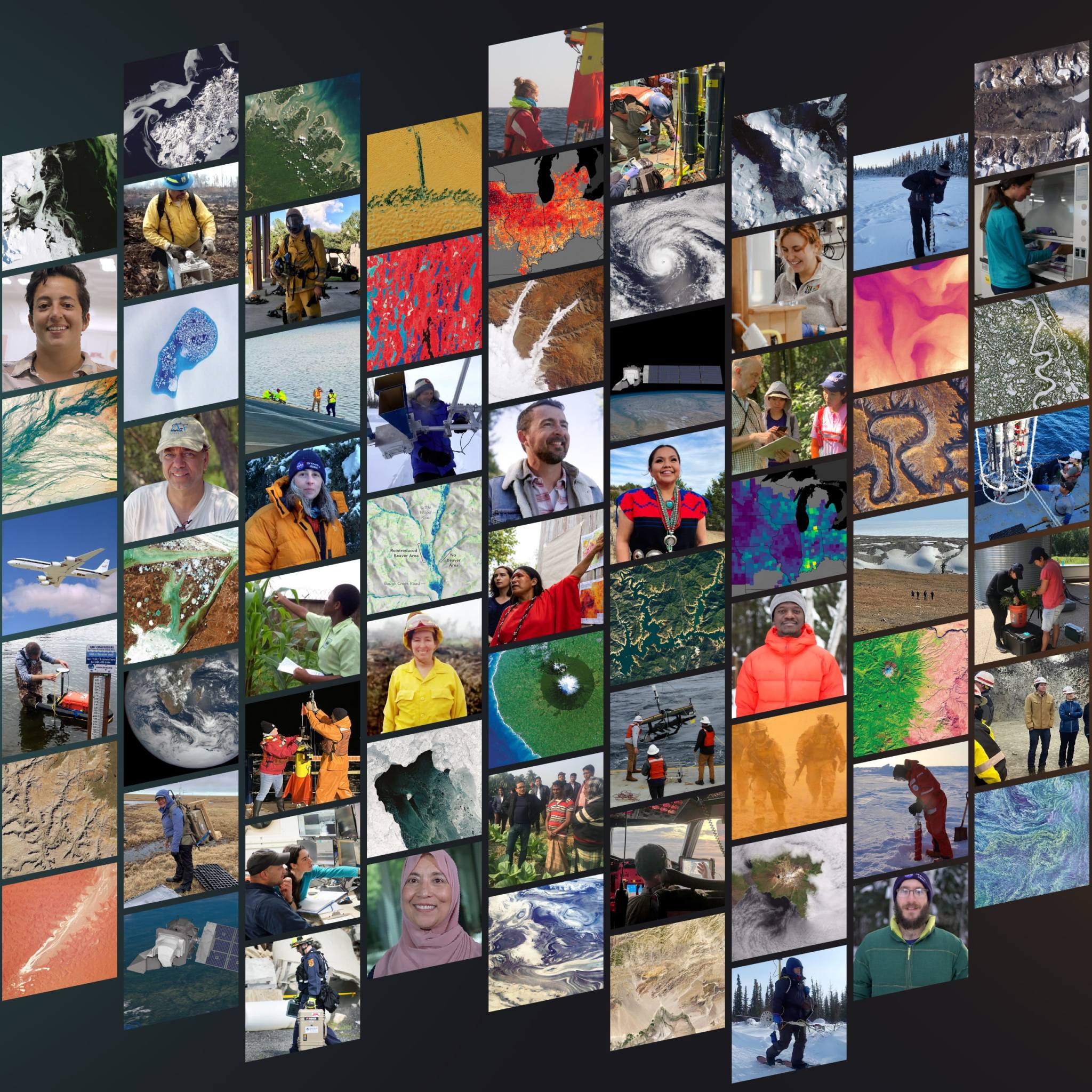
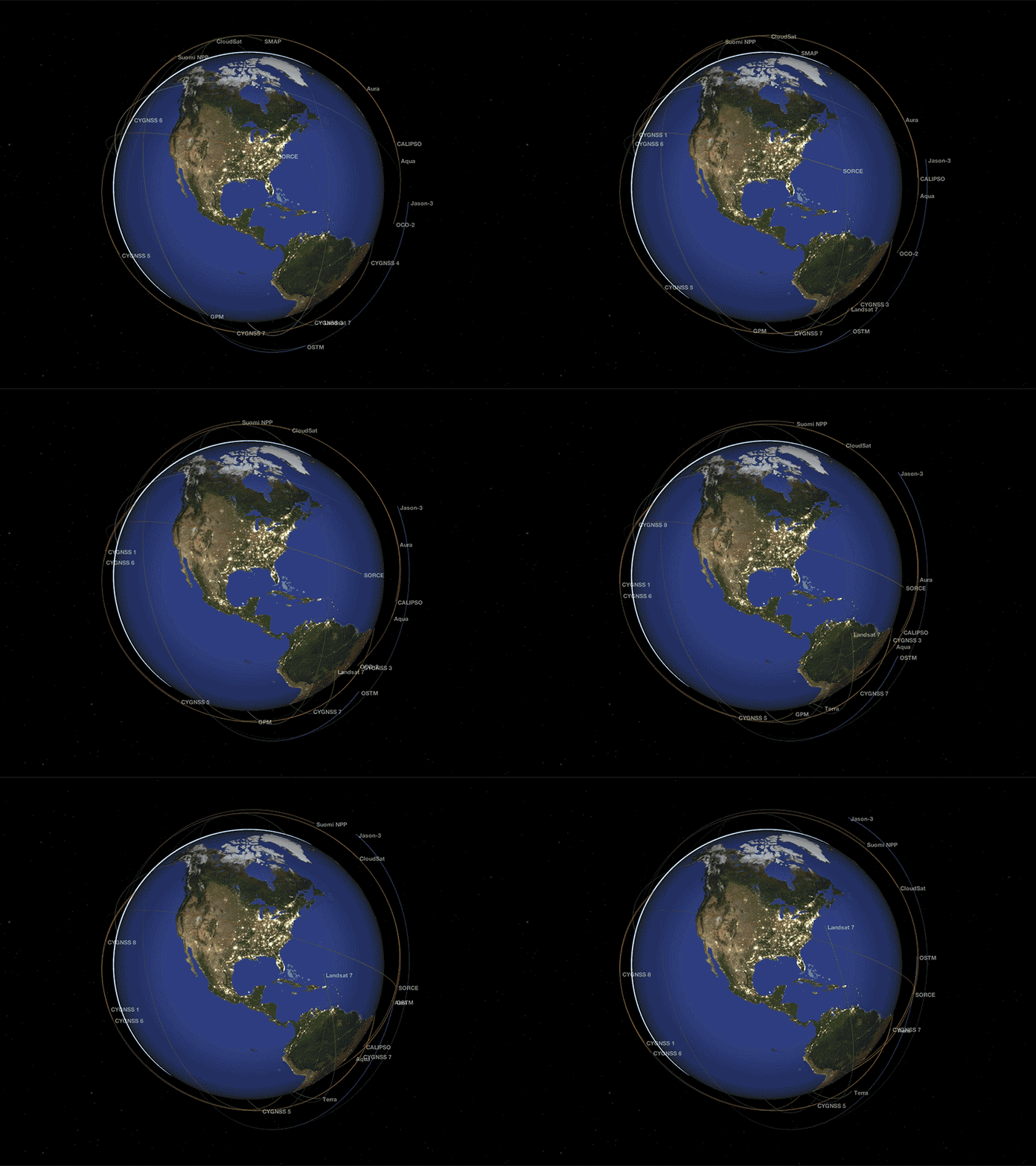
NASA is an exploration agency, and one of our missions is to know our home. We develop novel tools and techniques for understanding how our planet works -- for the benefit of humanity and for insights we need to explore other moons and planets. NASA's Earth Science Division operates more than 20 satellites in orbit, sponsors hundreds of research programs and studies, and funds opportunities to put data to use for societal needs. We develop new ways to observe the oceans, land cover, ice, atmosphere, and life, and we measure how changes in one drive changes in others over the short and long term. While listening to and collaborating with industry leaders, international partners, academic institutions, and other users of our data, we drive innovations and deliver science to help inform decisions that benefit the nation and the world.
Recent News and Articles
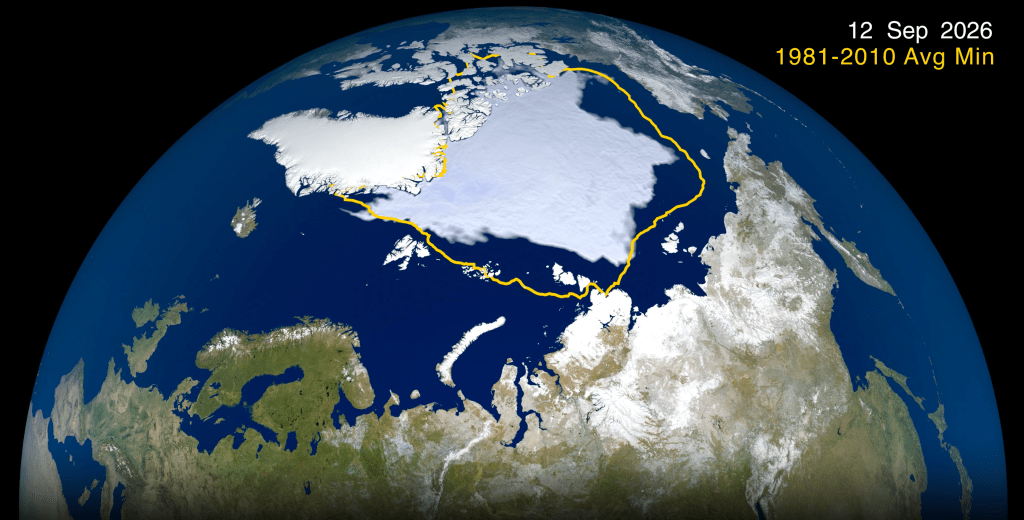
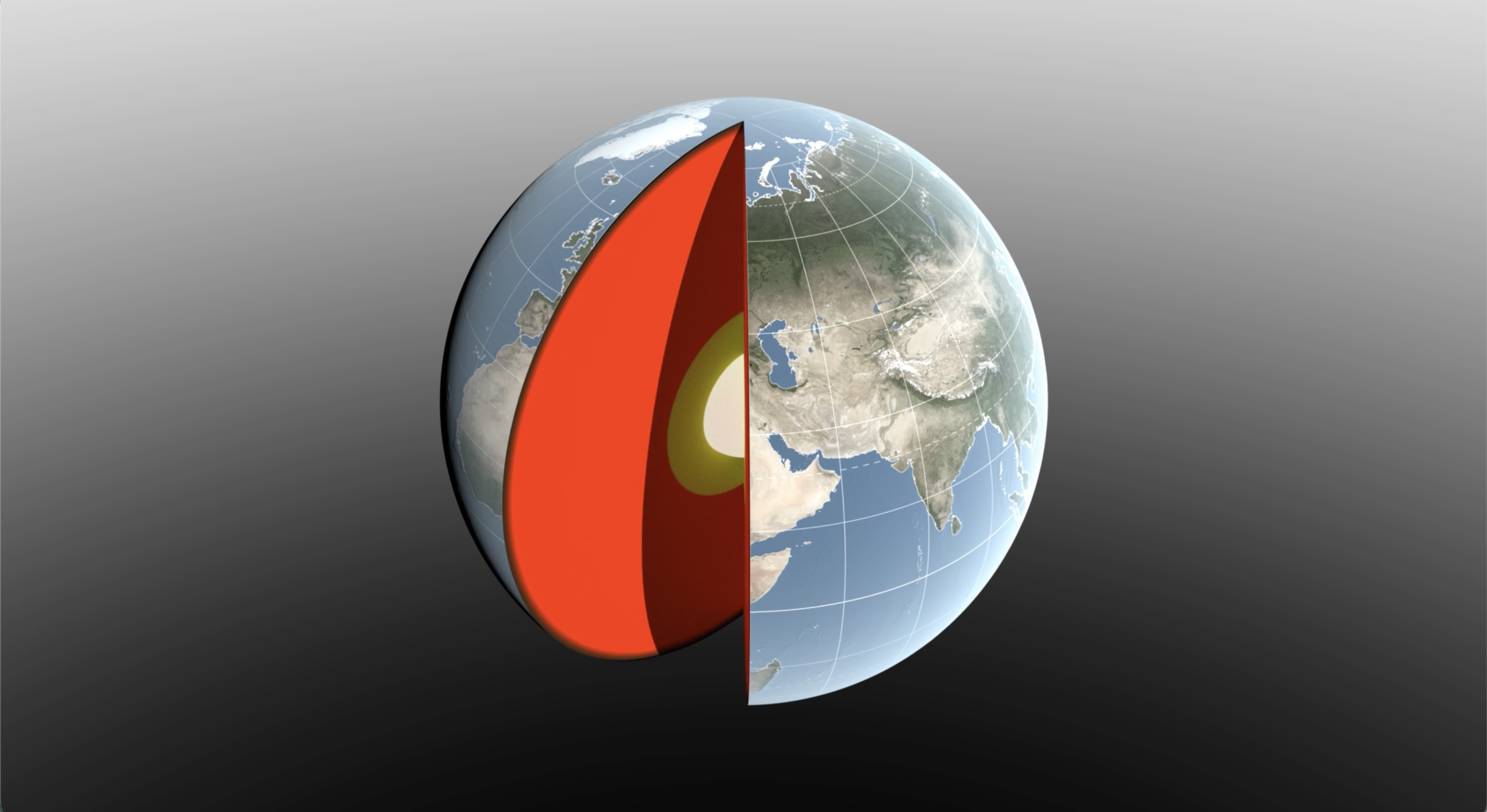
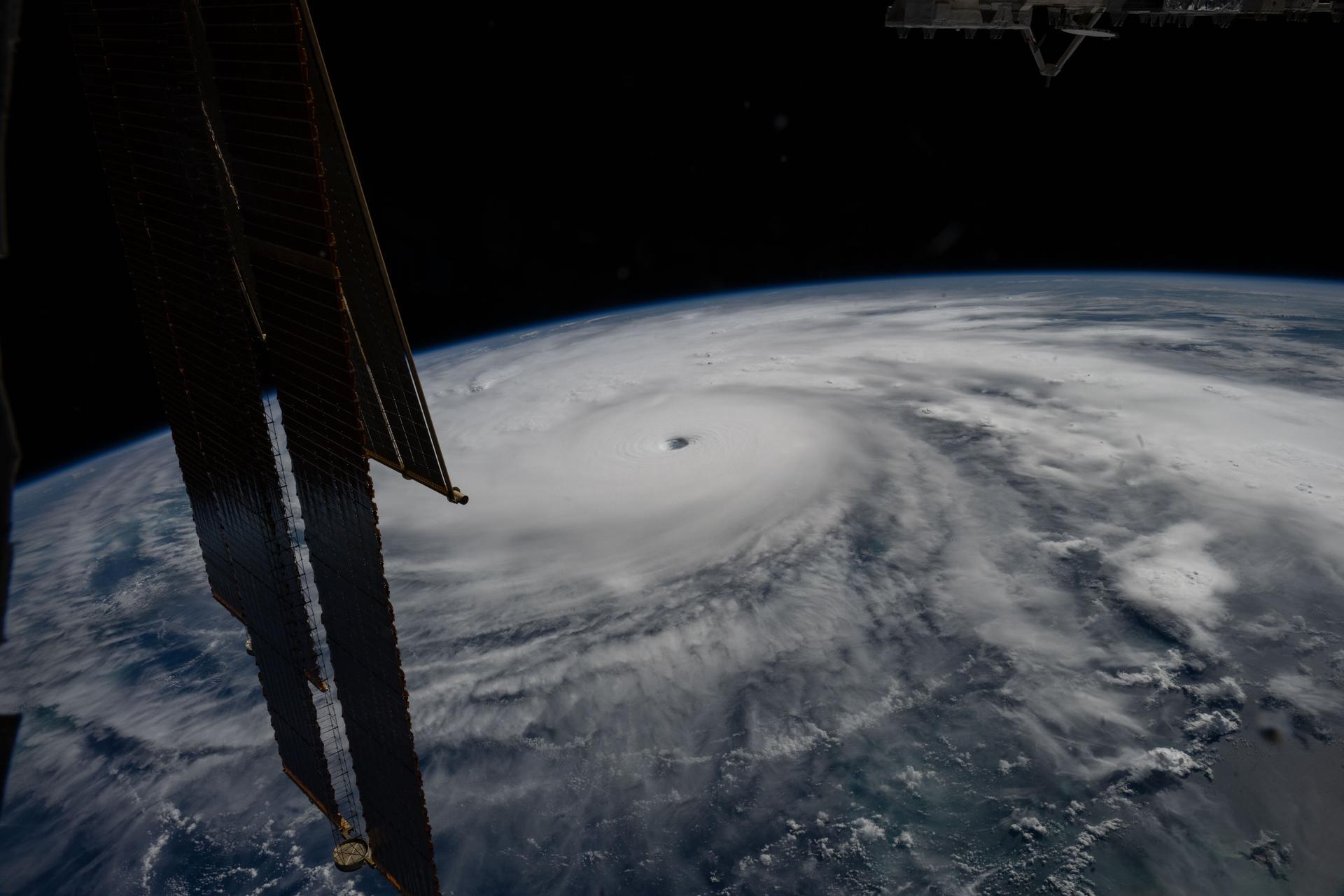
Earth Observatory Image of the Day
Hurricanes Polo and Nolo sent destructive effects ashore amid an active season in the northeastern and central Pacific.
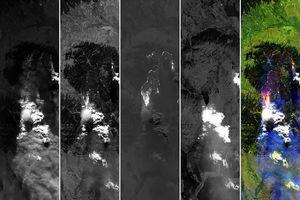
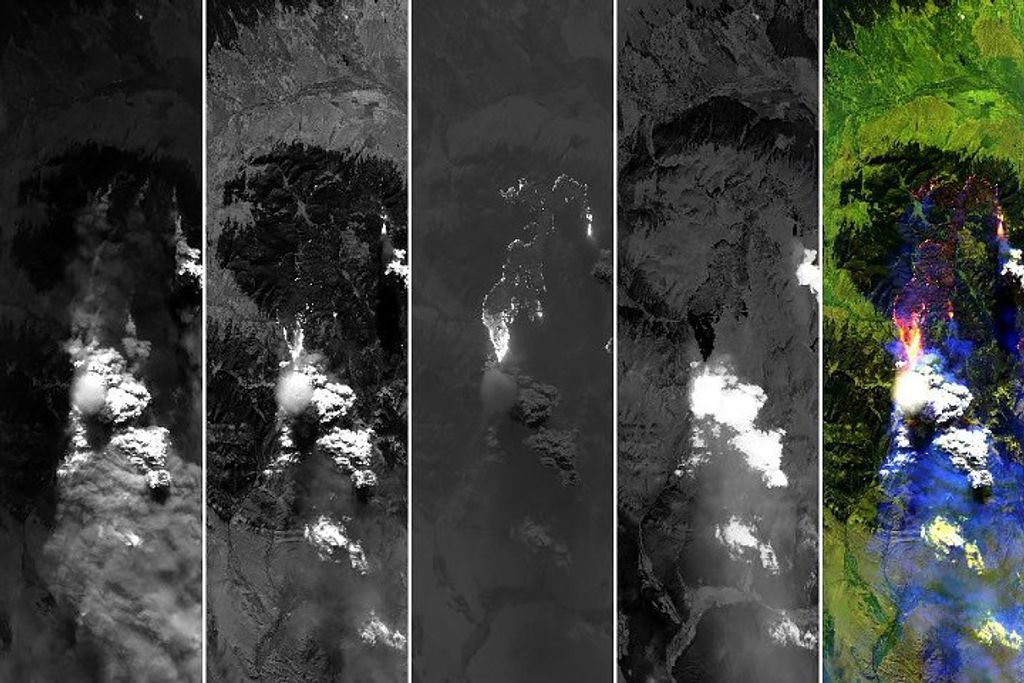
Scientists captured rare observations of an ephemeral pileus cloud hovering over a smoke-infused cloud that rose above a wildfire in…
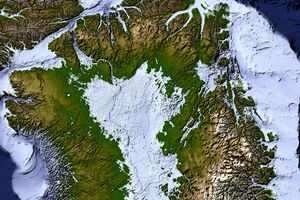
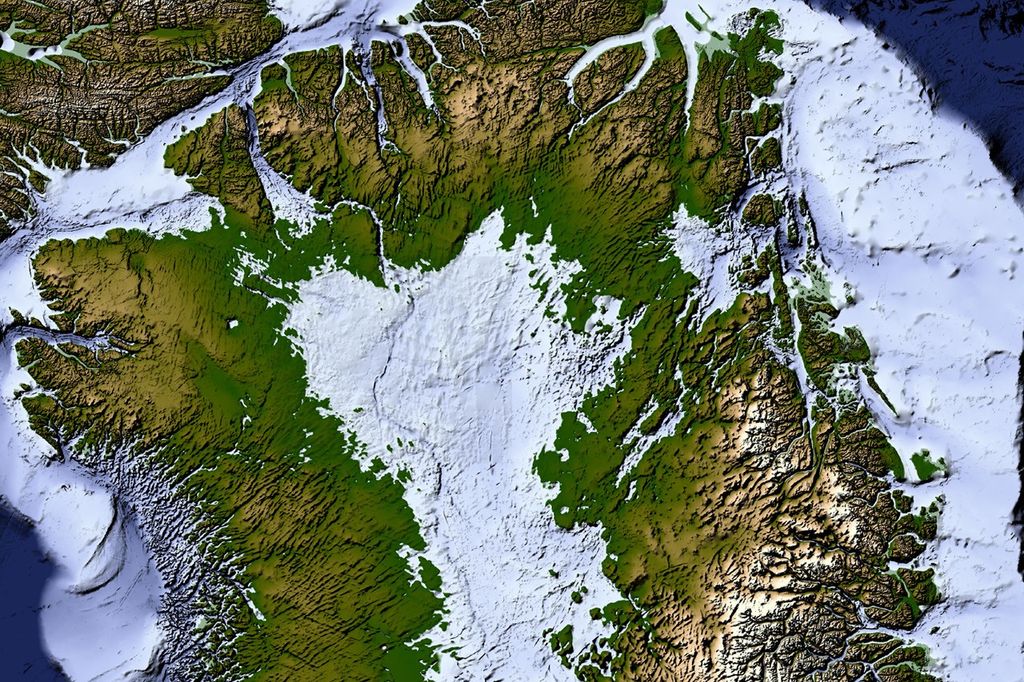
A new map of the terrain beneath the Greenland Ice Sheet links hundreds of valleys that previous maps missed or…
How NASA Uses Light to Detect Waste From Mines
Tens of thousands of abandoned mines threaten waterways across the American West, but identifying which sites urgently need cleanup is slow and expensive. Now, NASA’s EMIT instrument can analyze the unique light signatures of mine waste from space to help focus remediation efforts where they're needed most.
Access Earth DataScience in Action for Society
Learn how NASA’s studies of Earth bring benefits to the nation and world.

NASA Data Helps CDC Track Air Quality During World Cup 2026
.png?w=3840&h=1846&fit=clip&crop=faces%2Cfocalpoint)
NASA-Funded Study Shows Wildfire Smoke’s Hidden Ozone Toll

NASA Is Helping Bring Giant Tortoises Back to the Galápagos

NASA Data Helps Maine Oyster Farmers Choose Where to Grow
SWOT Mission Unlocks a New View of Our Waterways
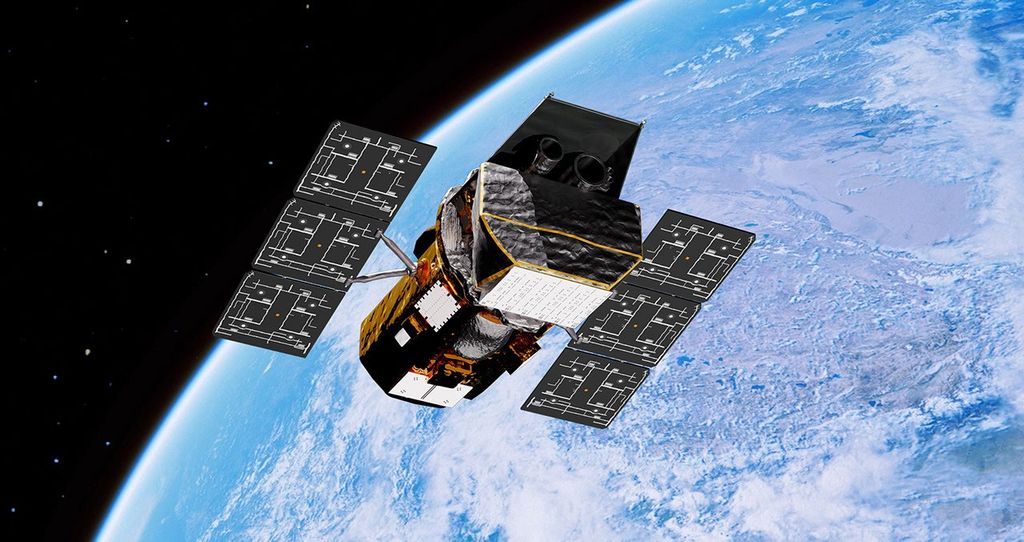
Using data from the SWOT (Surface Water and Ocean Topography) mission, jointly developed by the NASA/JPL and the Centre National d'Études Spatiales with contributions from the Canadian Space Agency and the United Kingdom Space Agency, scientists can now measure rivers continuously and across the entire globe for the first time in human history.
From the Mississippi River to the Amazon, these observations reveal how rivers flow, how they change over time, and how they support ecosystems, economies, and communities worldwide like never before.
NASA’s Hurricane Science, Tech, Data Help American Communities
NASA's cutting-edge research, technology, and tools bolster the nation’s readiness and response to severe weather.
Read Article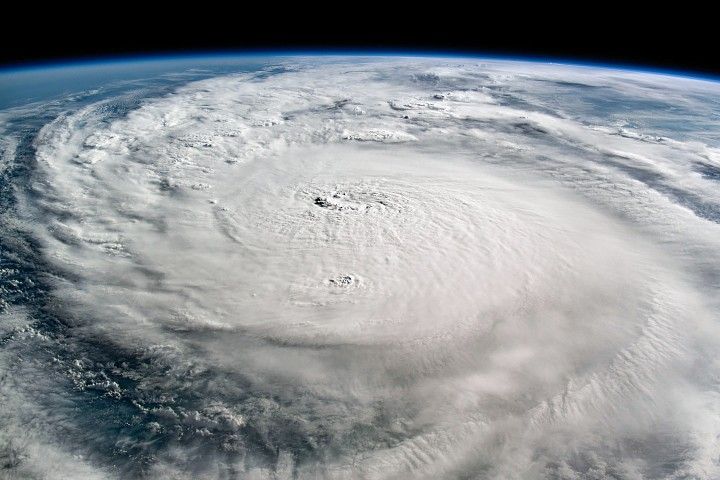
Sensing the Seas
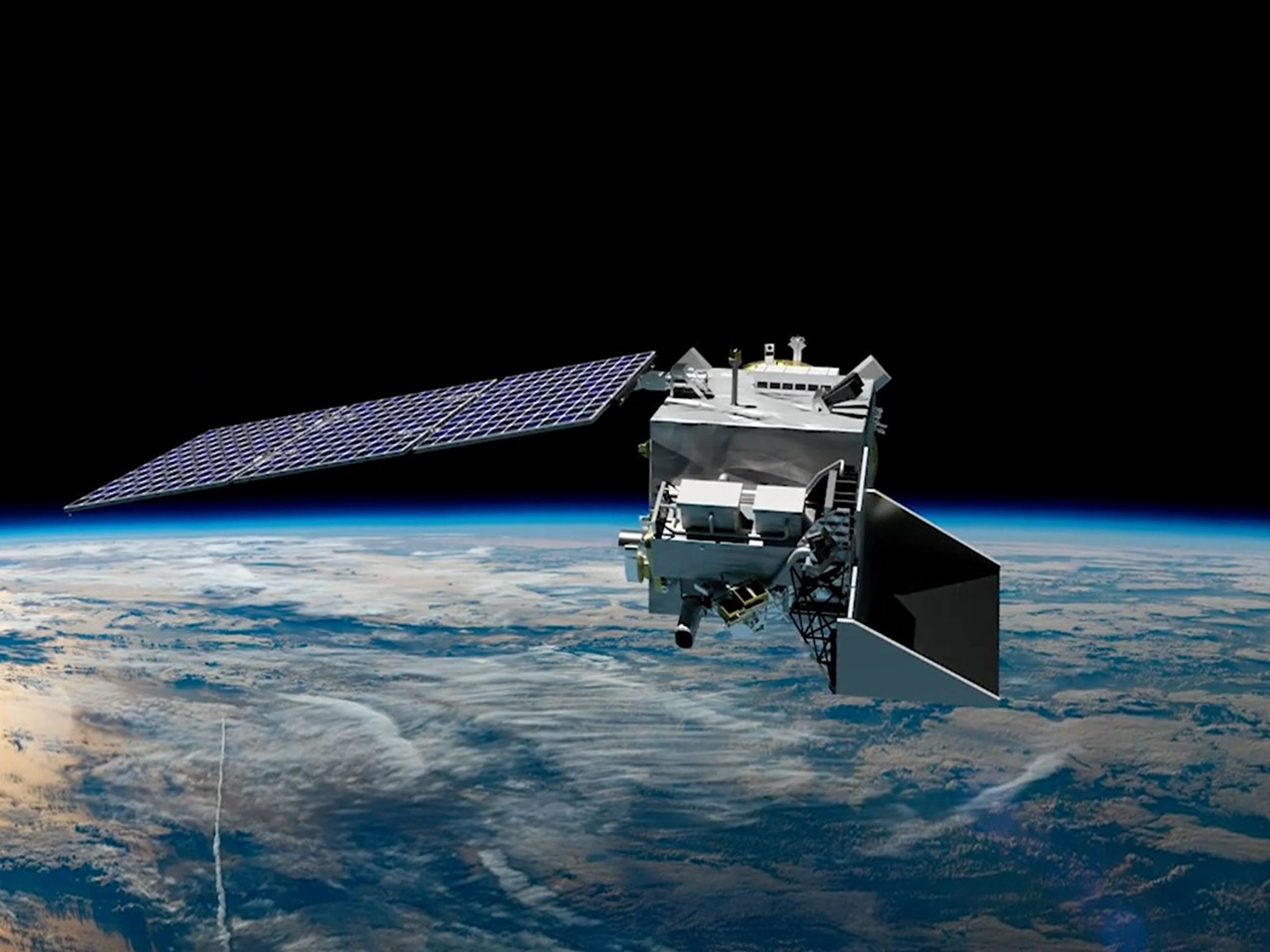
For more than forty years, NASA has found unique ways to study the surface layers of the ocean from the tropics to the poles. With three new missions since 2020 – PACE, SWOT, and Sentinel 6-Michael Freilich – we are now ushering in a new era of ocean studies.

NASA’s PACE Mission Reveals a Year of Terrestrial Data on Plant Health
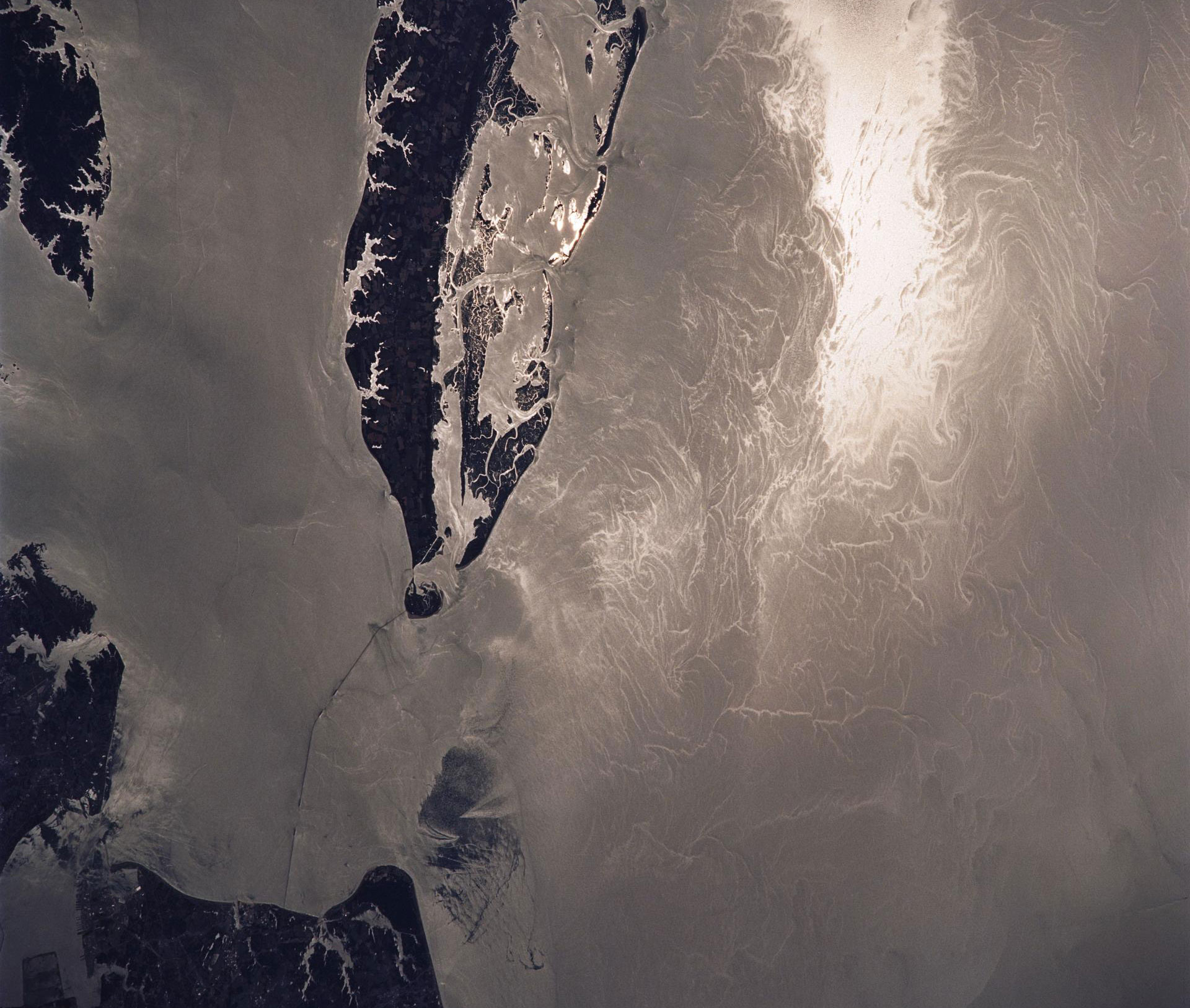
NASA, French SWOT Satellite Offers Big View of Small Ocean Features
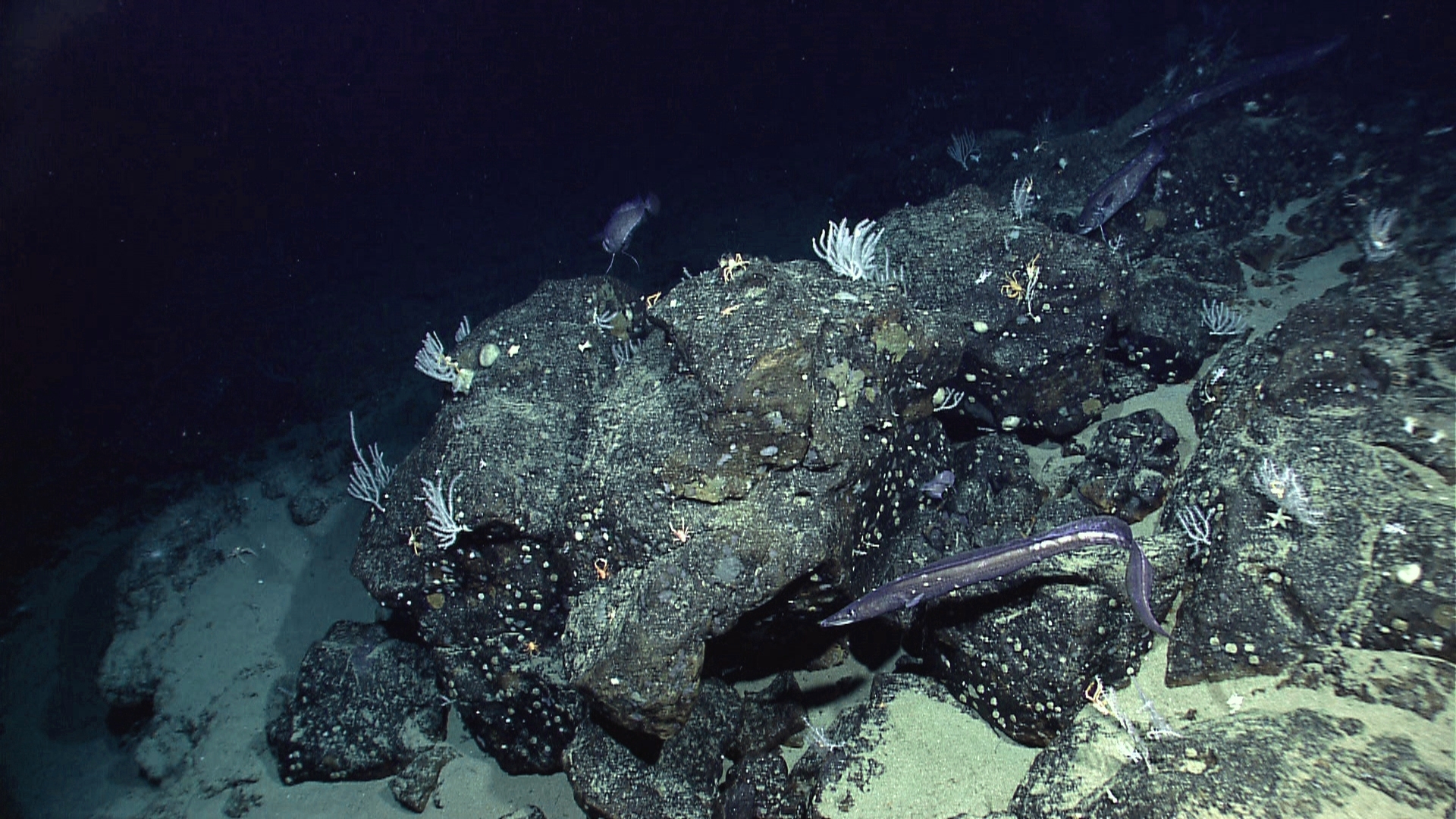
Next-Generation Water Satellite Maps Seafloor From Space
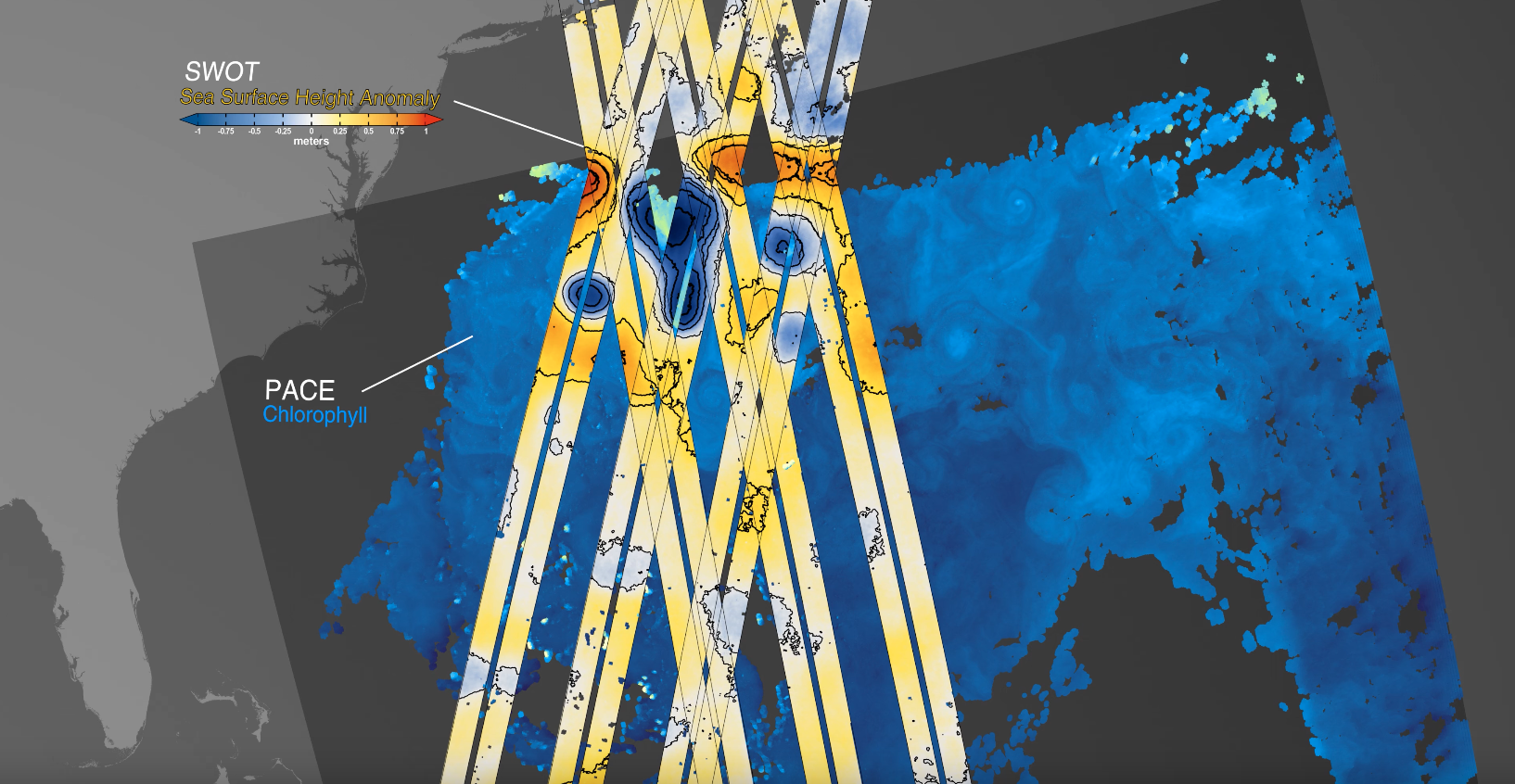
NASA’s PACE, US-European SWOT Satellites Offer Combined Look at Ocean

NASA Analysis Shows Irreversible Sea Level Rise for Pacific Islands

Earth Information Center
For more than 50 years, NASA satellites have provided data on Earth's land, water, air, temperature, and climate. NASA's Earth Information Center allows visitors to see how our planet is changing in six key areas: sea level rise and coastal impacts, health and air quality, wildfires, greenhouse gases, sustainable energy, and agriculture.
Explore