
























Where were you during 2024’s dazzling solar eclipse?
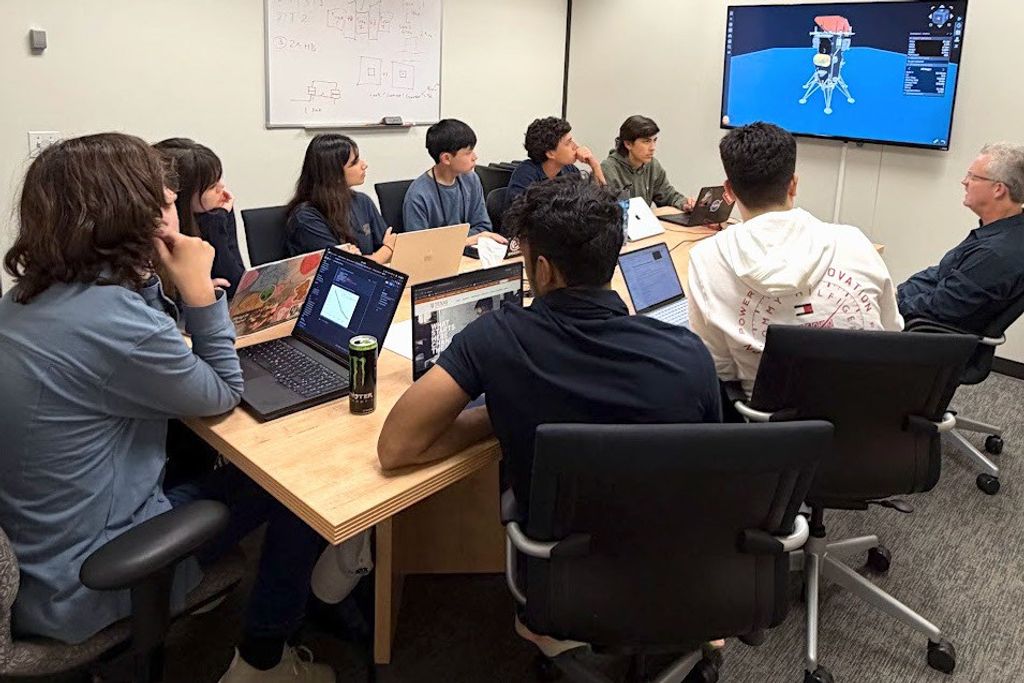
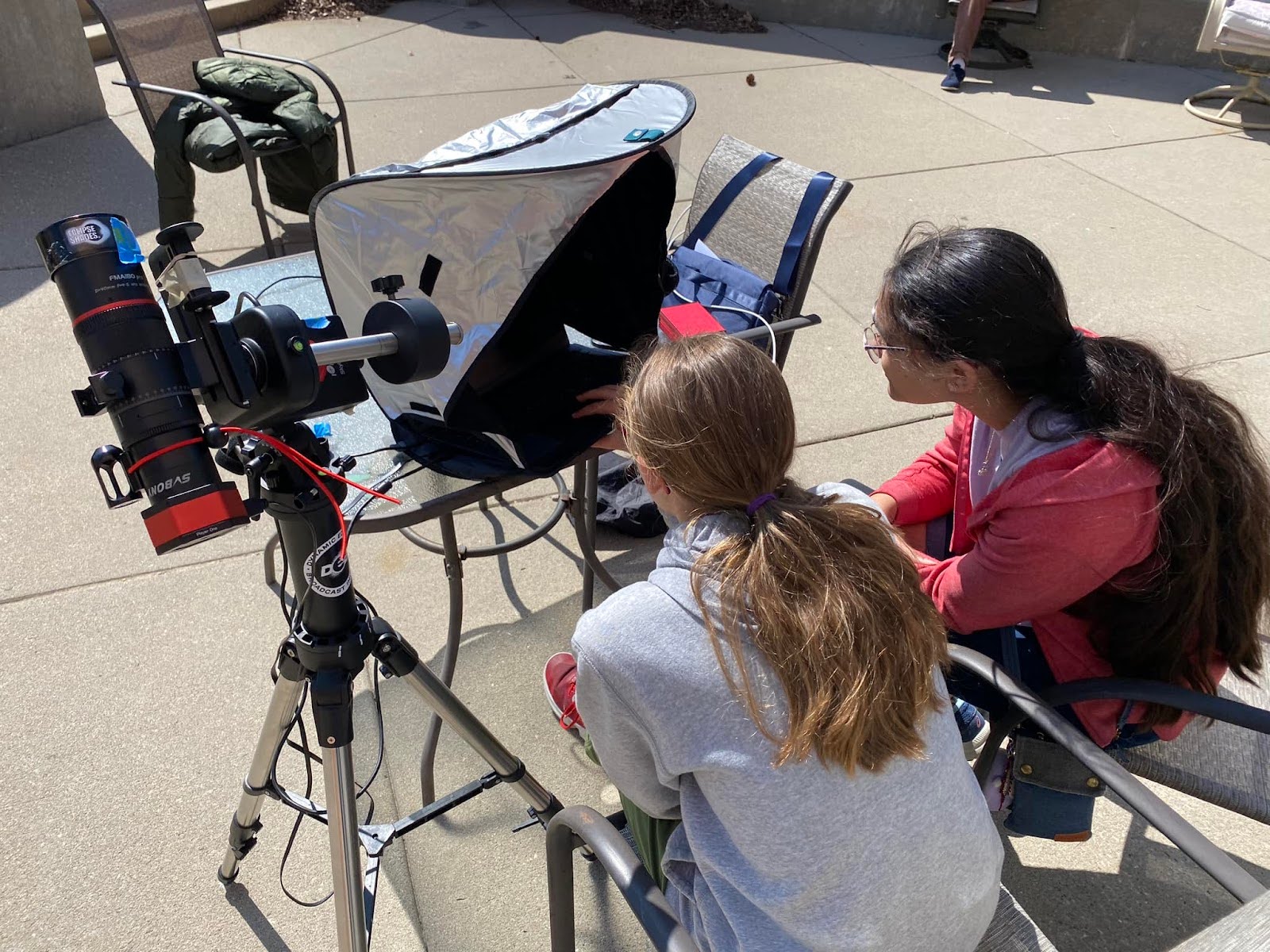
Eighty-two volunteer teams with the Dynamic Eclipse Broadcast (DEB) Initiative spent the day spread across North America, observing the eclipse with telescopes, collecting a massive dataset of images, and developing software to process it. Now, the DEB Initiative has released a suite of open resources from that effort, including Python programs and scripts, software installation guides, training materials, and their eclipse-day observation checklist. These materials are being released to help others make future eclipse observations..
Congratulations to citizen scientists, Castor Fu and Zack Stockbridge, who are co-authors on the materials!
All materials are publicly available on Zenodo, with the full list at:
https://debinitiative.org/main/publications/. The software release anticipates an upcoming paper on the software development, processing and data handling for the April 8, 2024 total solar eclipse. The team continues analyzing their data on the Sun’s corona, and plans to publish their science results in spring 2026.
"The DEB Initiative provided a life changing and priceless opportunity for my middle school students,” said Chris Midden, DEB team leader and recently retired teacher from Unity Point School in Carbondale Illinois. “They had an opportunity to participate in truly meaningful research giving them the chance to see what real science is all about. They now know first hand that they can be scientists. I am hopeful that this could be the start of a long scientific career for them."
The DEB Initiative continues carrying out daily solar observations to collect additional data on solar flares while making plans for coronal observations in North Africa for the 2027 total solar eclipse. You can find more information and volunteer opportunities at debinitiative.org.
This project was a part of the Heliophysics Big Year and is supported by NASA's Heliophysics Citizen Science Investigations (H-CSI) program and the National Science Foundation under Grant No. 2215167.