










Real World: Phytoplankton, Microscopic Drifters
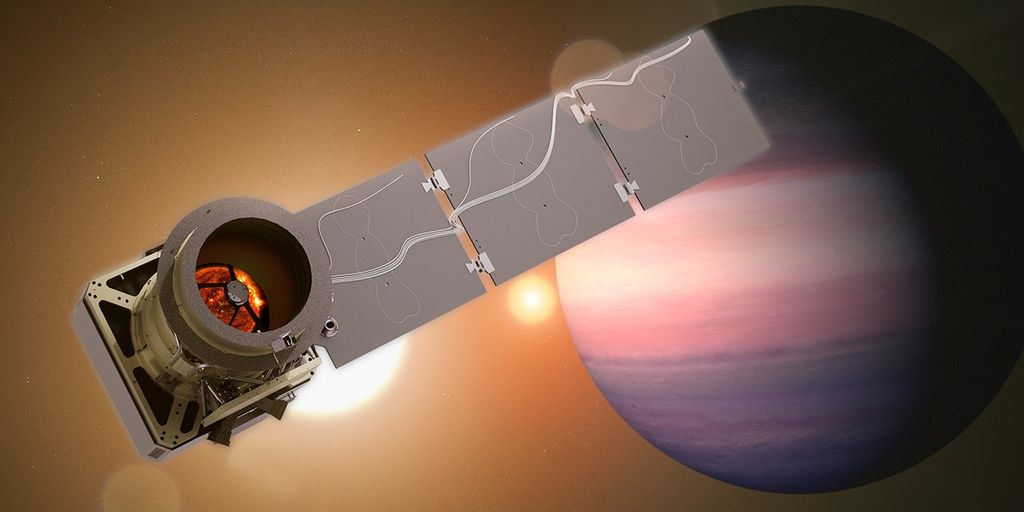
What can something smaller than the width of your hair do to our whole planet? A lot! In this NASA eClips video, discover how Phytoplankton fuel food webs, make oxygen, and even affect Earth’s climate. Explore the math behind algae blooms as they grow and shrink and see how NASA’s PACE mission uses satellites to study these tiny yet powerful movers of Earth’s systems.
Discussion Questions and Writing Prompts
1. Math in Nature: The video shows how algae blooms grow and shrink. Why do you think scientists use math to study these changes? How can understanding numbers help protect ocean ecosystems?
2. Phytoplankton and Climate: Phytoplankton affect both food webs and the climate. Write or discuss how tiny organisms can have such a big impact on Earth’s systems.
3. NASA PACE Mission: NASA’s PACE satellite studies phytoplankton from space. How do you think satellites help scientists monitor ocean health and detect algae blooms?
4. Big Impact, Small Size: Phytoplankton are microscopic, yet they influence oxygen, food webs, and climate. Can you think of another example where something small has a huge effect in nature or your everyday life?
Background Information
Ages 3 through 8
- NASA eClips Our World: Phytoplankton – Powering the Ocean Food Web (video)
Ages 3 through 12
- NASA eClips Ask SME: Oceanographer Dr. Ivona Cetinić (video)
- NASA eClips Spotlight: Where Can You Find Phytoplankton (video)
Ages 4 through 12
- NASA eClips: Real World: The Carbon Cycle (video)
- NASA eClips: Real World: NASA and the Chesapeake Bay (video)
- NASA PACE (webpage)
- NASA PACE: Thematic Resources (webpage)
- NASA PACE: Fisheries Food Security (video)
- NASA GSFC: PACE Makes the Invisible Visible (video)
- NASA PACE: StoryMap Gallery (webpage)
- NASA PACE: Drawings, Painting, and Lasers - Oh My! (video)
- NASA: PACE - Observing the Invisible Ocean Life from Space (video)
Activities
Grades K through 12
Grades 3 through 8
- NASA PACE: What Will PACE Help Us See? (interactive)
- Virtual Science Teacher: Aquatic Food Chain (interactive)
Grades 3 through 12
- NASA PACE: Which Phytoplankton Are You? (interactive)
- My NASA Data: Introduction to Phytoplankton (lesson and interactive)
- My NASA Data: Phytopia: Exploration of Marine Ecosystem (interactive)
- Virtual Science Teacher: Energy Transfer in Marine Ecosystems (interactive)
Grades 4 through 12
- NASA PACE: Actually, it's Phytoplankton (Episode 1) (webpage)
- NASA PACE: Build Your own PACE! (webpage)
- NASA PACE: Phytoplankton Exploration (interactive)
- NASA PACE: Ocean Color Images: Interactive Map (interactive)
- NASA PACE: PACE by Wavelength (interactive)
Grades 6 through 12
- My NASA Data: Global Phytoplankton Distribution Map (interactive)
- Virtual Science Teacher: Marine Food Pyramid (interactive)