
















Iceland: "Team Atomic"
You're exploring a collection of snapshots from the Goddard Instrument Field Team's 2025 expedition in Southwest Iceland.
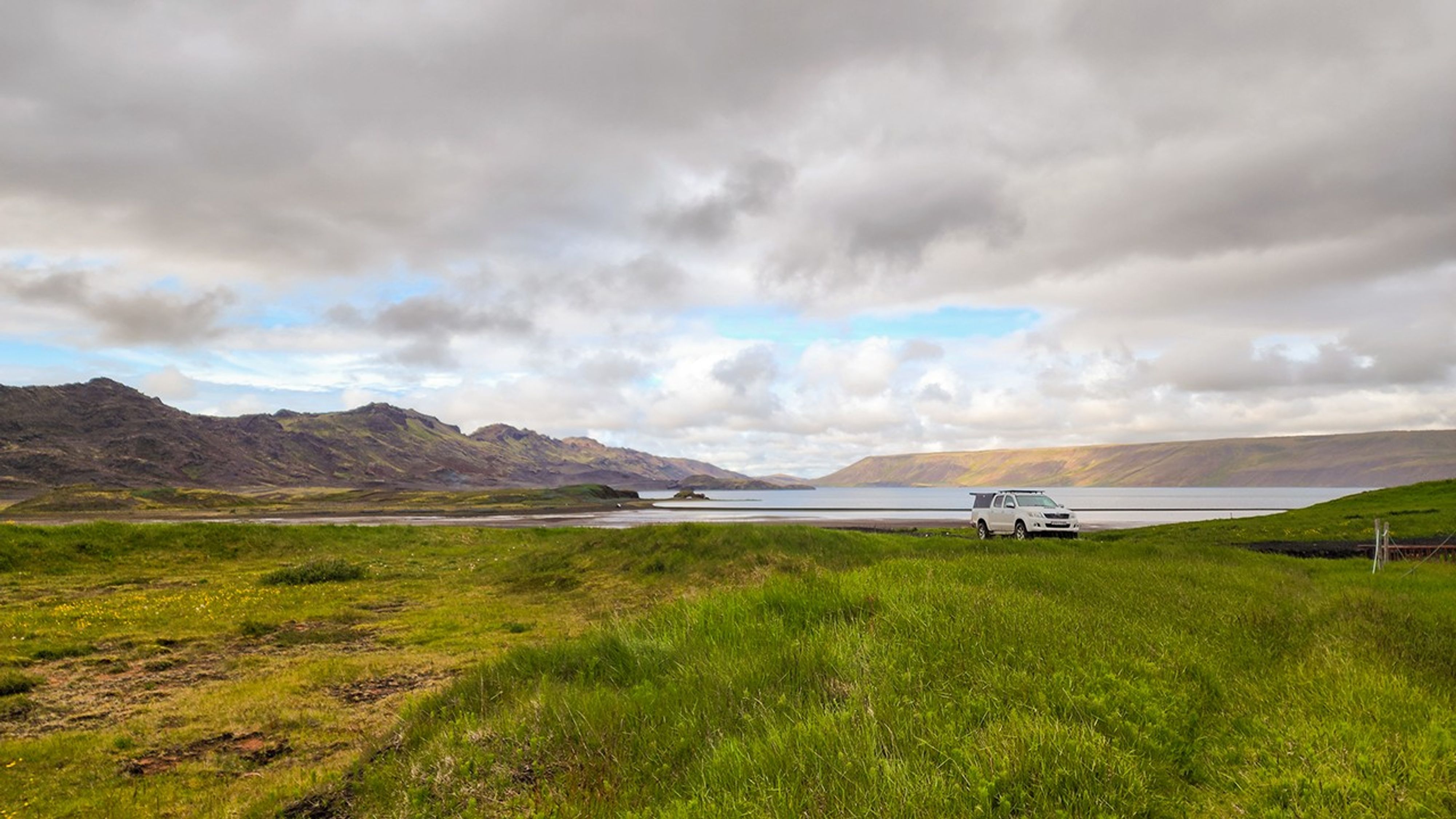
"Team Atomic" | Lake Kleifarvatn, Engjahver
Team Atomic trekked deep into Iceland’s landscapes in search of geothermal activity that could help unlock secrets about Mars. Their mission is to hunt for both relic and newly formed geothermal vent deposits, then compare those features to what NASA’s Perseverance rover is seeing on the Martian surface. The first few days began with scouting hikes, weighing which locations offered ideal work conditions while still being accessible on foot. Overcast skies and steady rain forced pauses early in the week and complicated sampling from Lake Kleifarvatn, which required wading into the water and retrieving promising samples by hand from the lake floor.

The scouting paid off with the discovery of Engjahver, an unexpected geothermal site that became an ideal research location. Getting there was no easy feat; every piece of gear had to be carried in and out of the site daily. While the overcast skies of the early week would have come in handy for the blackbody, a crucial temperature calibration tool for the Hyperspectral Imager (HSI), the frigid mid-week temperatures meant it was too cold to stay at operating temperature. The temperature difference meant that scientists Casey Honniball and Amy McAdam had to get creative: they wrapped the blackbody up in a sweater and McAdam zipped it up in her jacket, holding it close to transfer body heat.
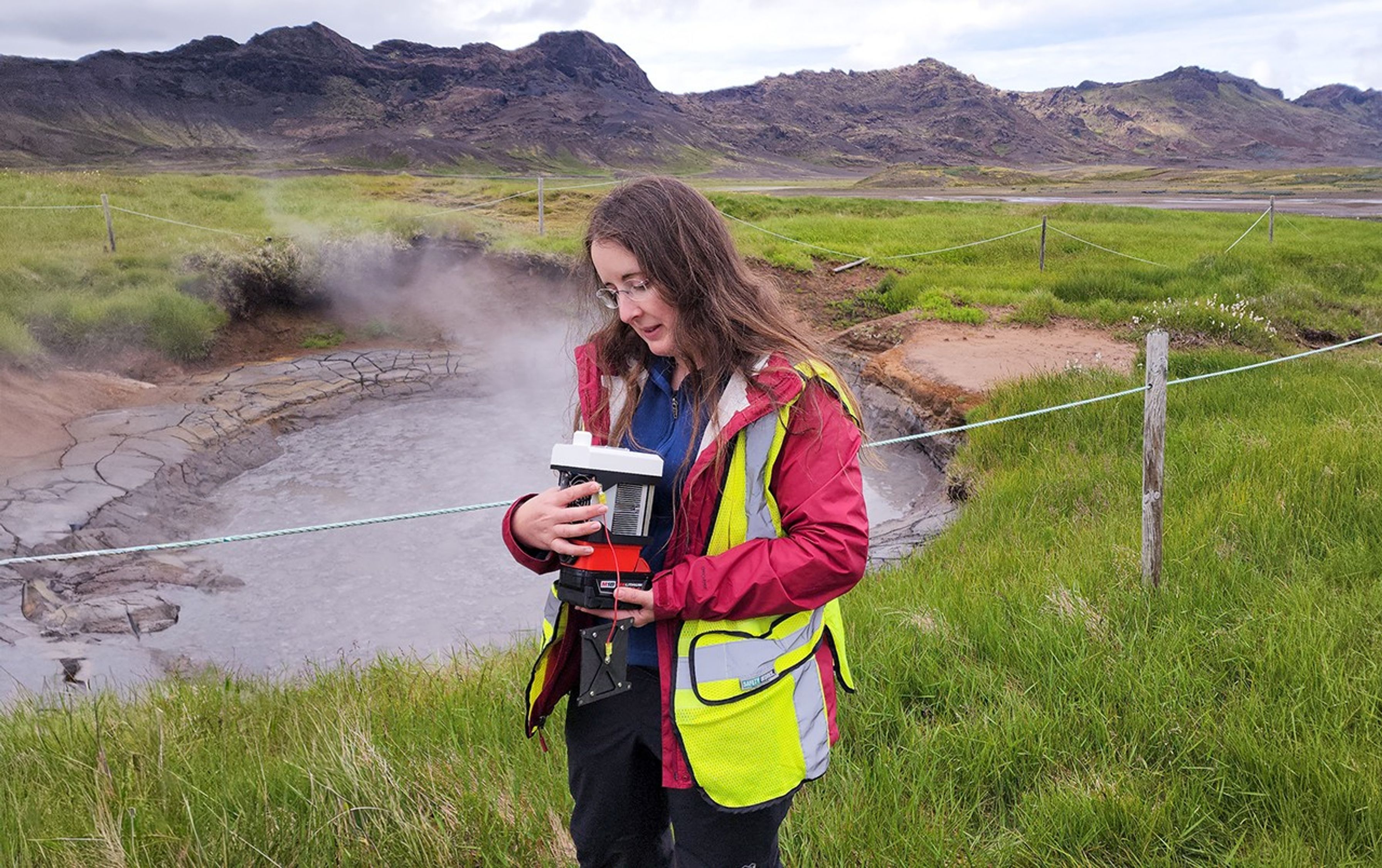
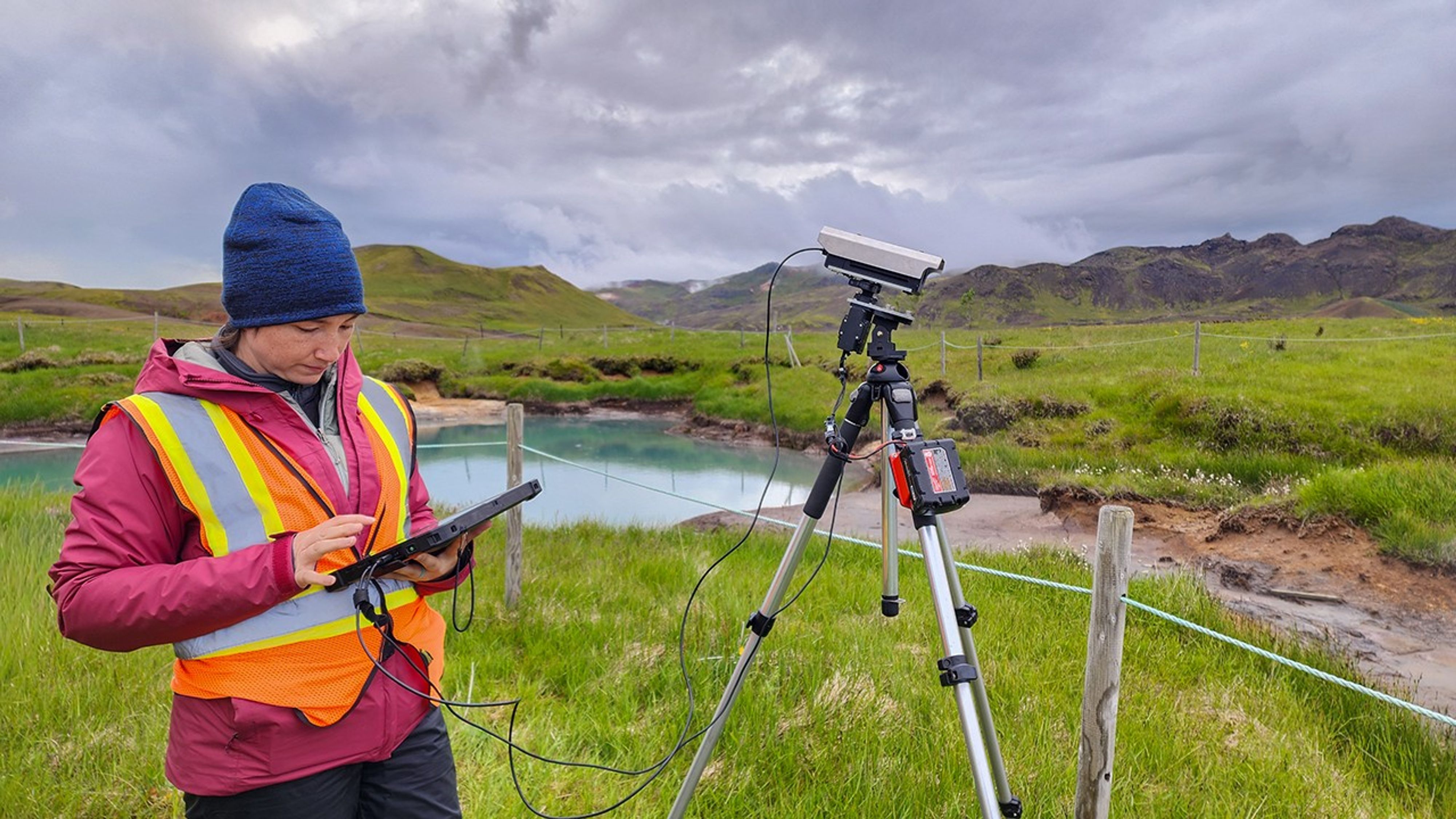
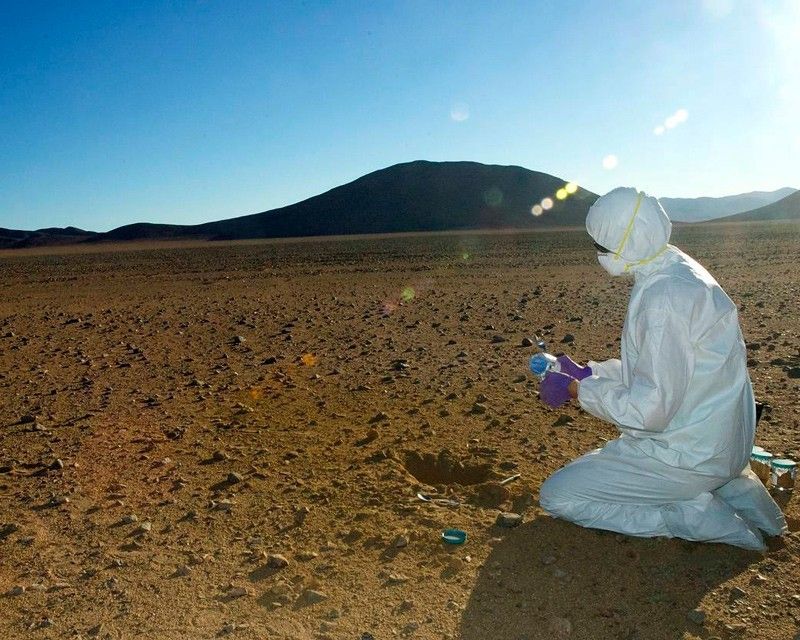
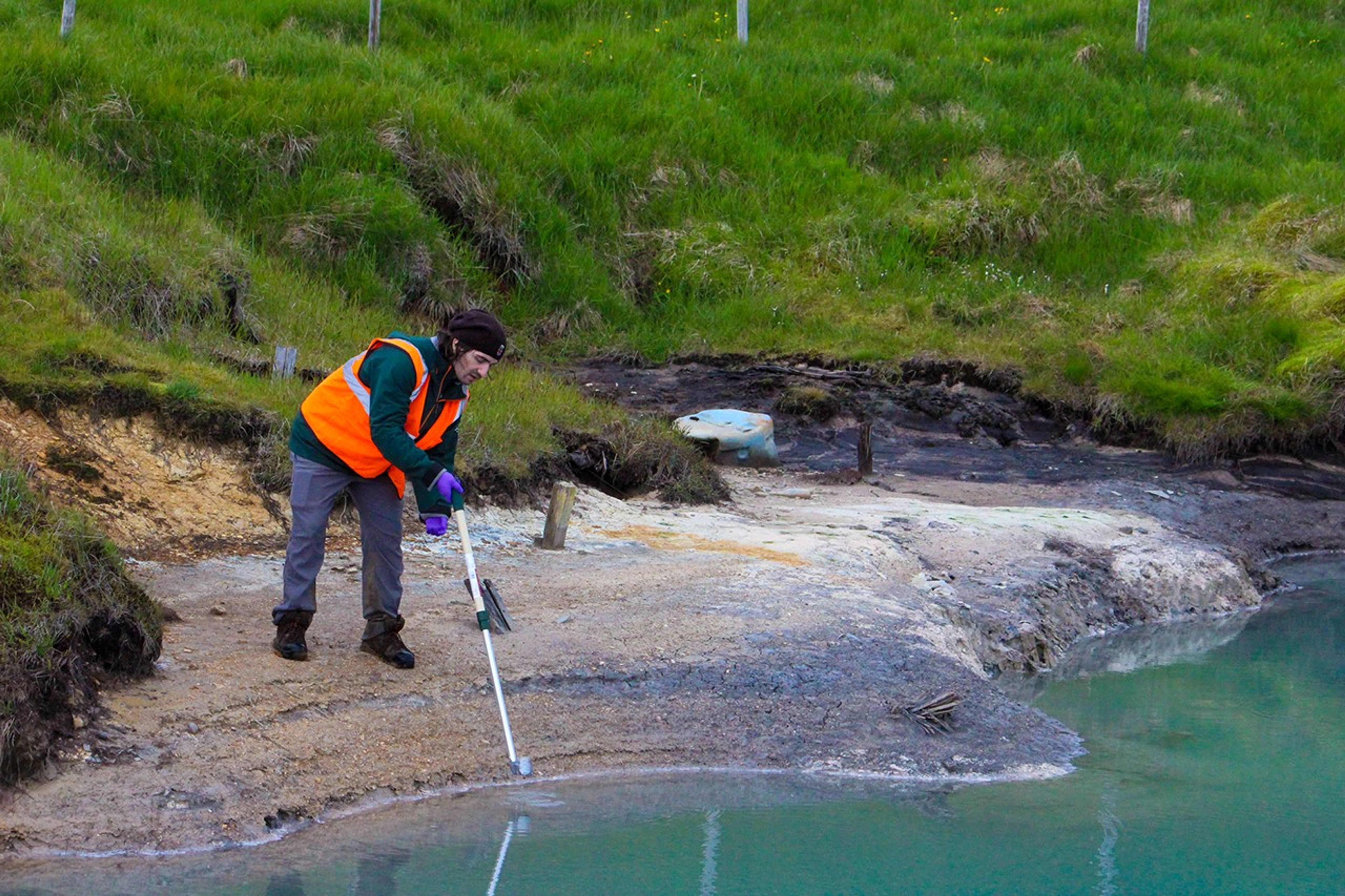
Despite these challenges, the team persevered and collected several promising samples from each of their sites, as shown below, where collaborator Zachary Garvin gathered water and sediment from the same small pool that Honniball scanned.
Can we ascertain if Martian deposits are derived from ancient hot springs just by looking at minerals from orbit? Team Atomic aims to utilize their Icelandic samples to understand how the minerals and chemistry of hydrothermal vent deposits evolve with age. Principal Investigator Dina Bower hopes this data will help scientists better interpret similar data from Mars and the Moon, especially when reconstructing ancient environments and assessing their potential for past life.
Yesenia Arroyo
NASA's Goddard Space Flight Center