




















Iceland: "Team SulpHur"
You're exploring a collection of snapshots from the Goddard Instrument Field Team's 2025 expedition in Southwest Iceland.
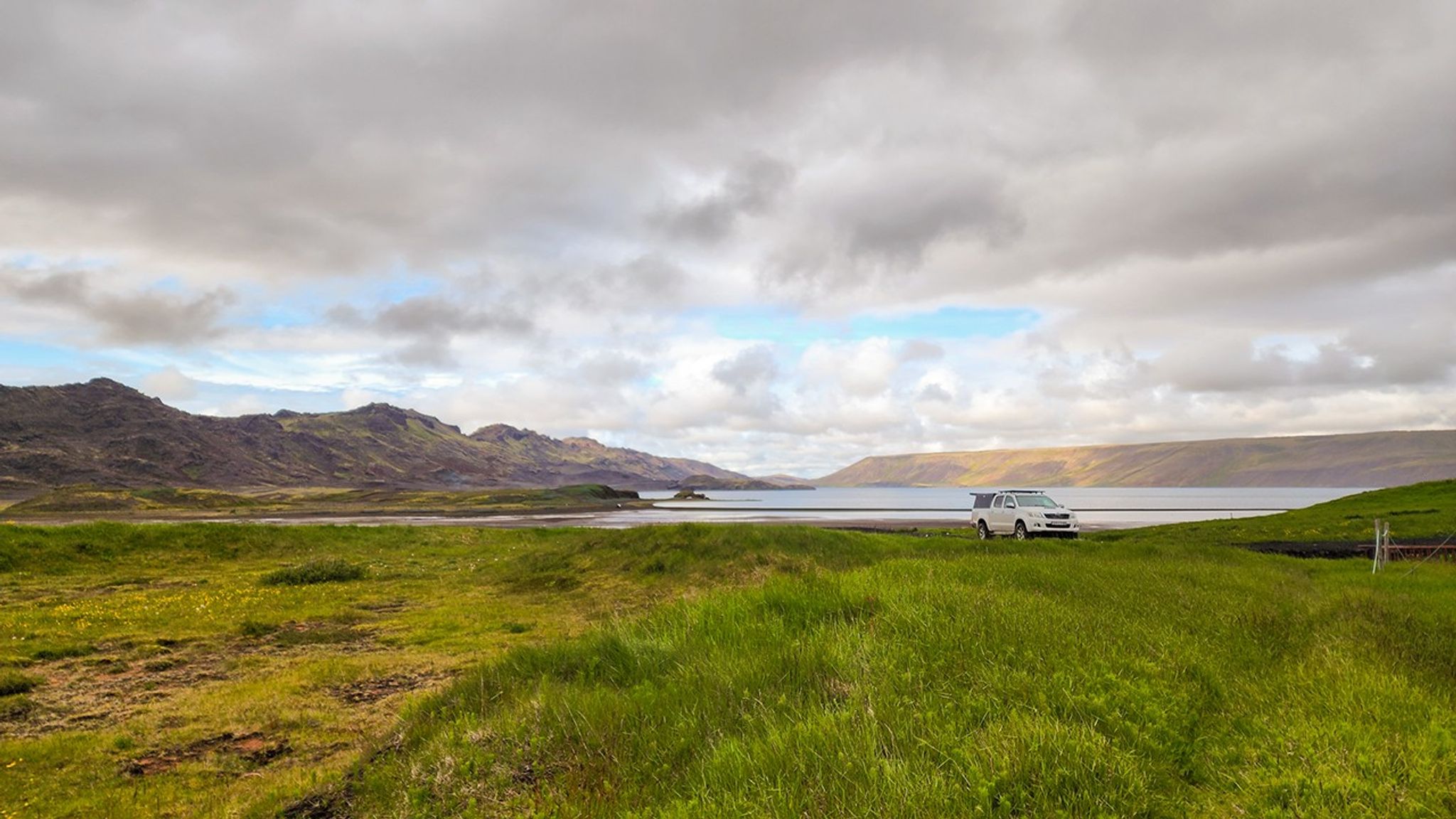
"Team SulpHur" | Seltún, Engjahver
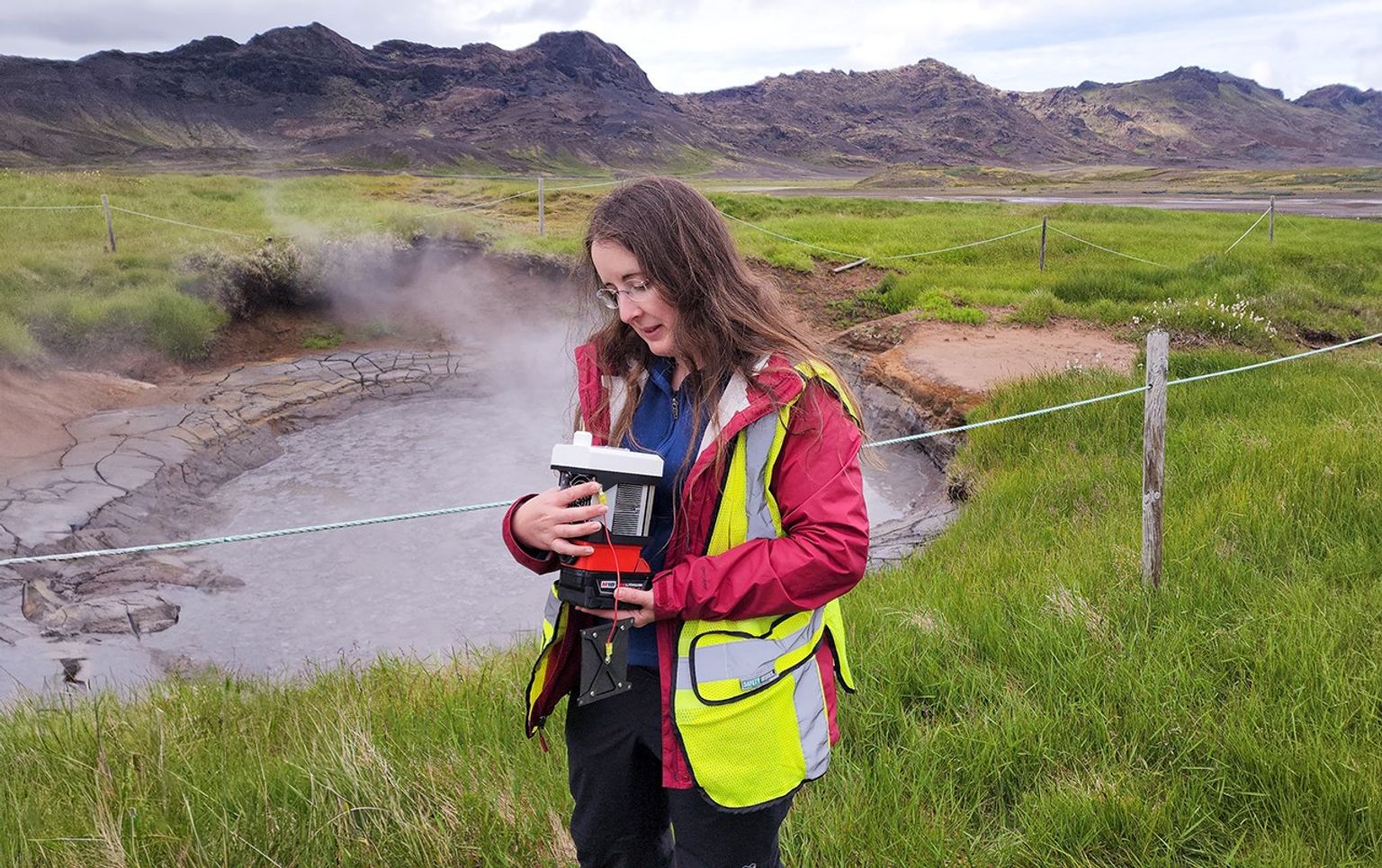
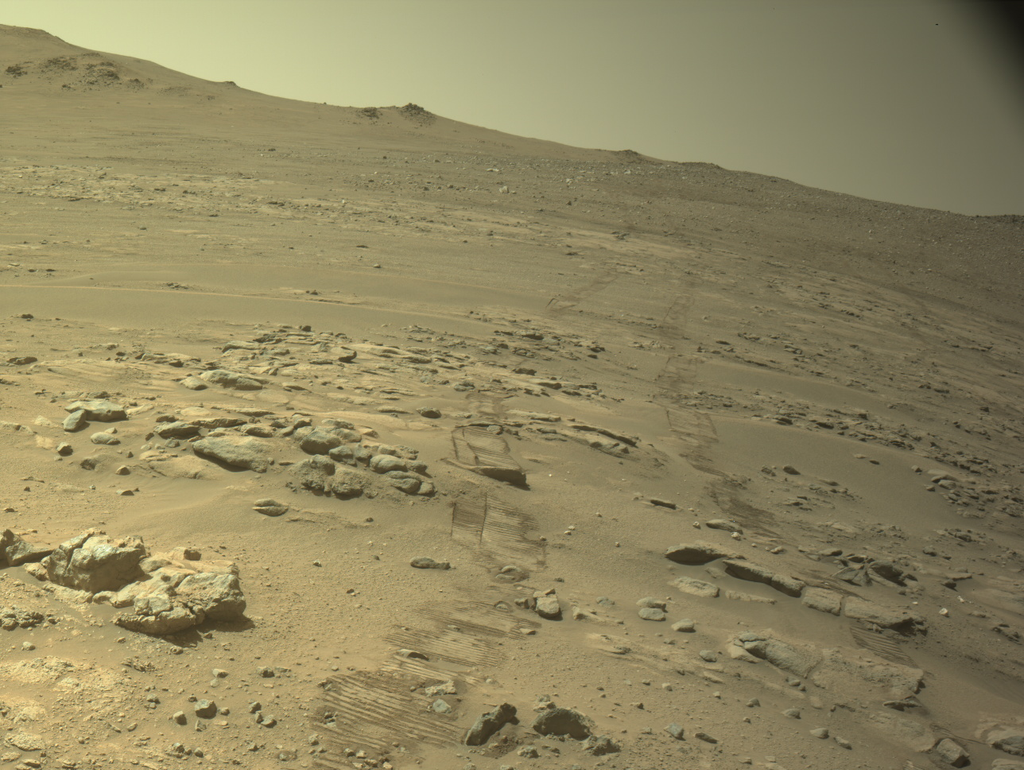
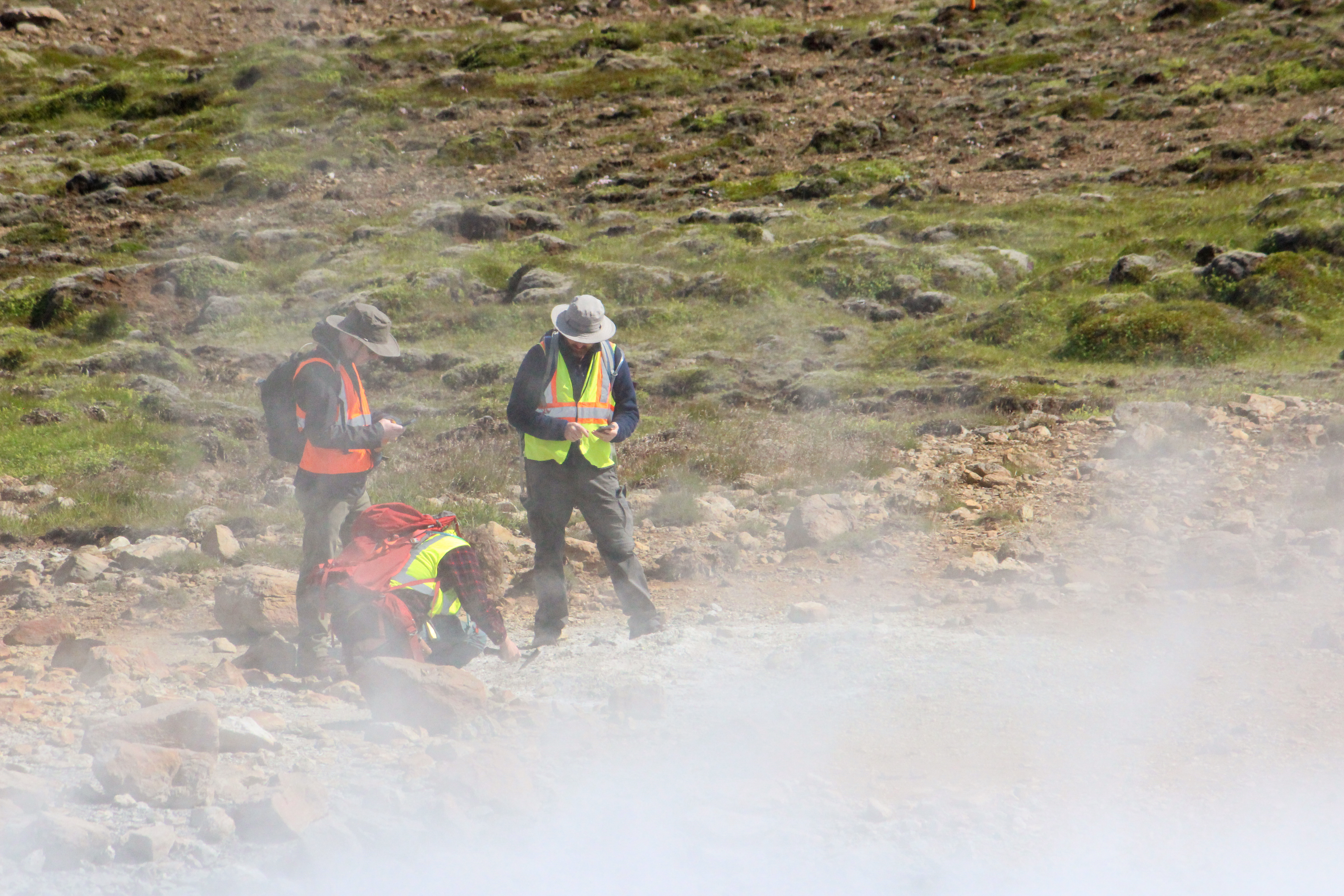
Scientists on the SulpHur team set their sights on a curious Martian mystery: native sulfur, a pure version that is uncombined with any other elements. This bright yellow mineral, discovered on Mars for the first time in 2024 by NASA’s Curiosity rover, was never expected to turn up in Gale crater, and scientists are still puzzling over how it formed there. In Iceland, Principal Investigator Jeff Berger and collaborators Doug Archer and Justin Hayles went on a hunt for Earth-based analogs to Martian sulfur. If similar environments existed on Mars billions of years ago, present-day observations of those regions could hold valuable clues about the planet’s past climate, chemistry, and even habitability.
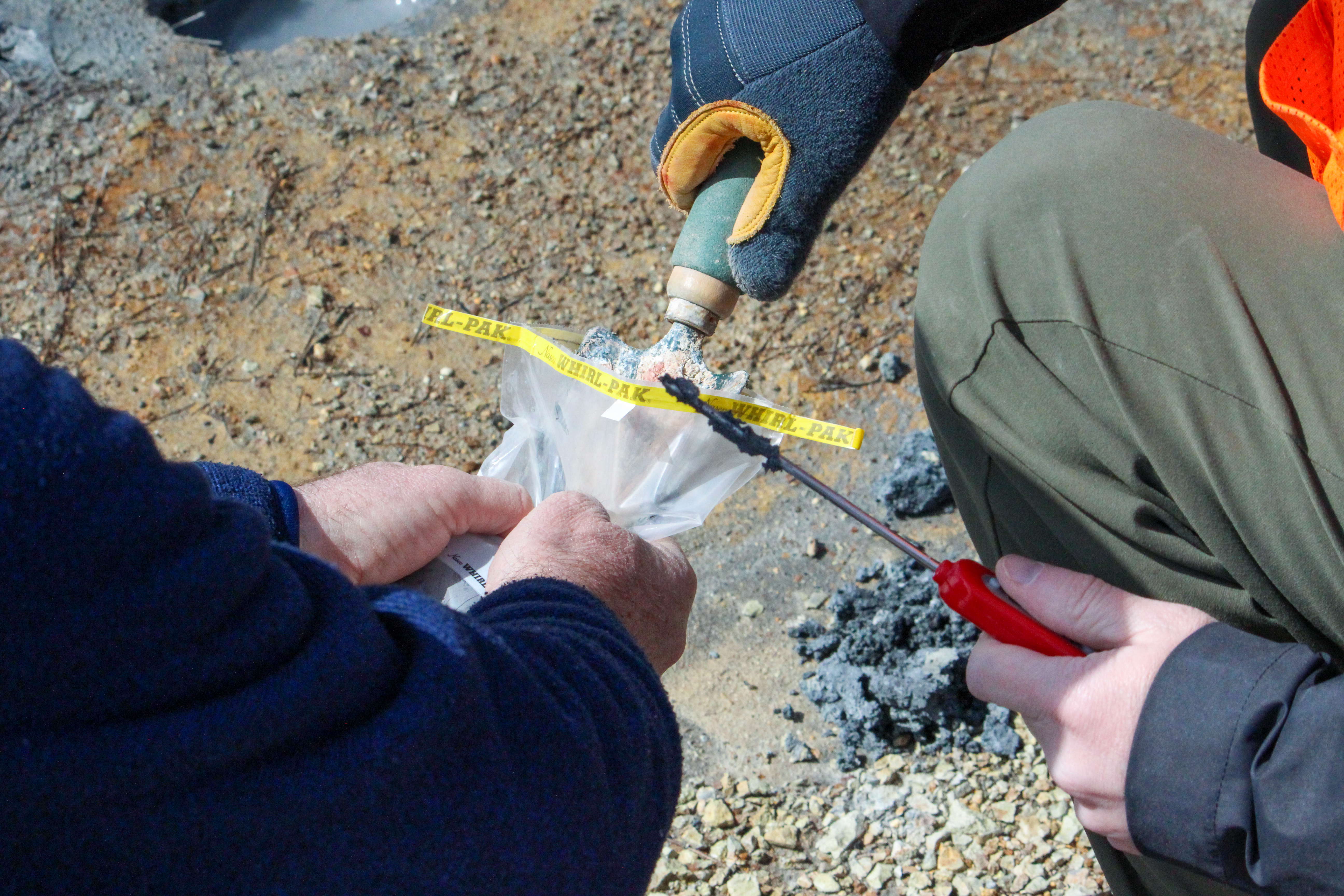
On Earth, native sulfur is typically found in areas with steaming vents, bubbling mud, and other forms of geothermal activity. Team Sulphur found multiple geothermal candidates and then sampled the same way each time: start at the hottest point of a fumarole, a vent or fissure in a volcanic region where steam and other gases such as sulfur dioxide escape from underground. Once that spot was selected with the help of Hayles’ kitchen meat thermometer (a quick fix to replace a missing laboratory temperature probe), the team would take samples at set distances from that point. The team looked for signs of soil colors shifting from gray to white or to brown, visual hints of changes in mineral makeup. Some sites, just a few kilometers away, produced abundant native sulfur, while others had almost none, making for a promising comparison-and-contrast experiment.
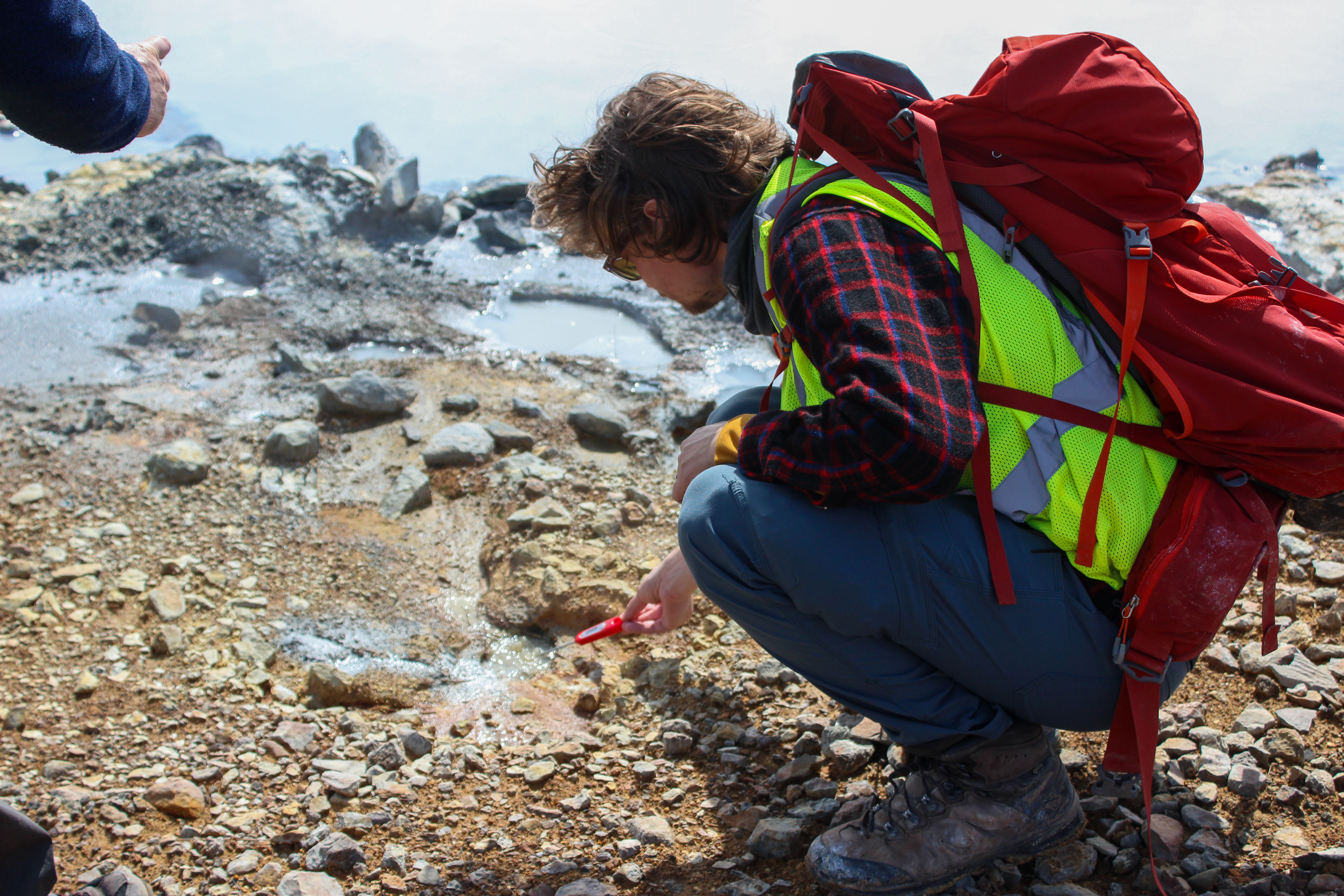
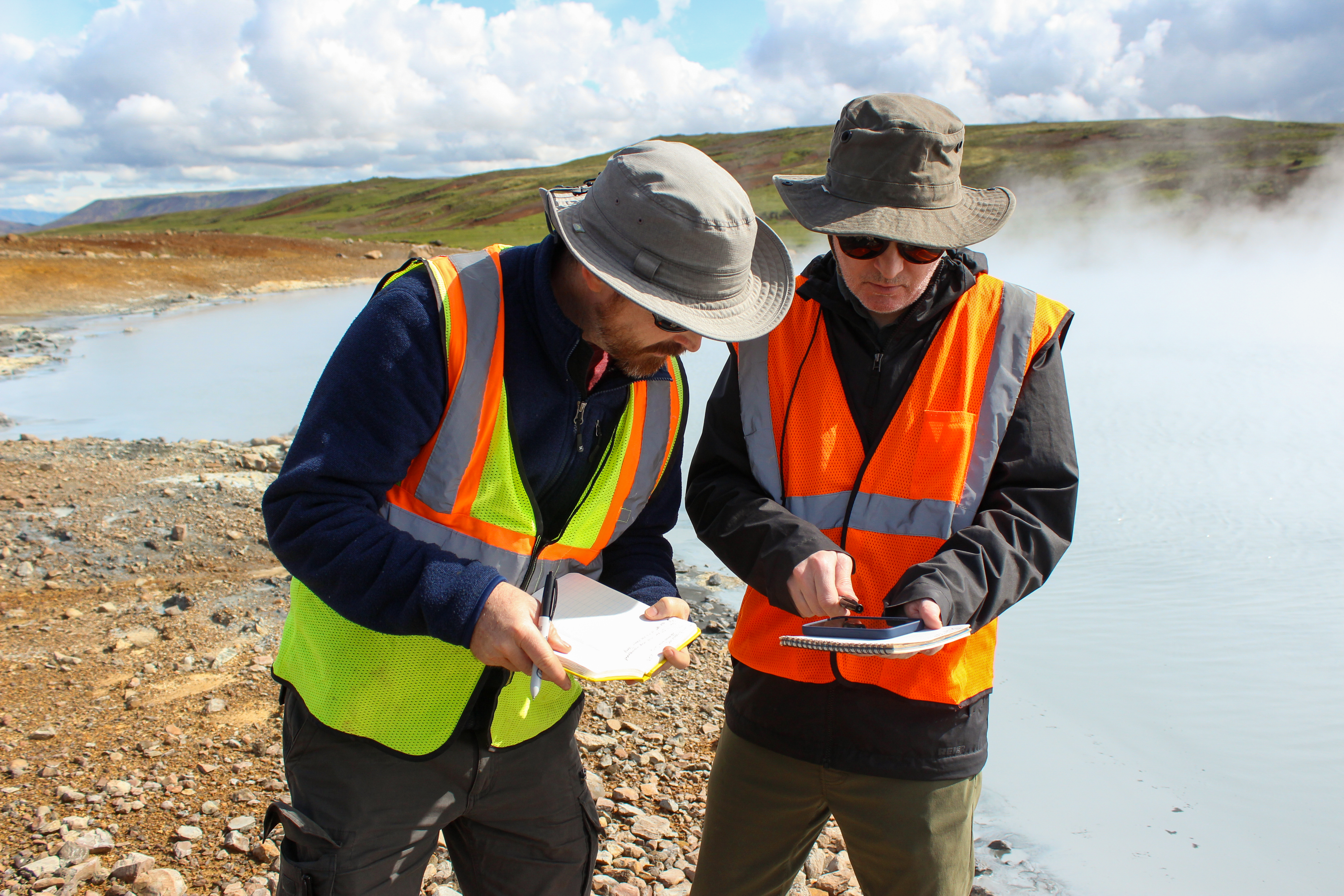
The team looked for signs of soil colors shifting from gray to white or to brown, visual hints of changes in mineral makeup. Some vents, just a few kilometers away, produced abundant native sulfur, while others had almost none, making for a promising comparison-and-contrast experiment.
The sampling process could become strenuous when the ground near the fumaroles became unstable due to hydrothermal alteration. The chemically active fluids and gases that escape through the vents can corrode nearby rock, turning it into a soft, mushy clay that could suck your boots in. Walking through these areas is perilous because the steam and the mud underneath are extremely hot, up to 210°F or higher.
Each sample collected and each temperature logged by Team SulpHur adds to our understanding of how this rare mineral appears, and brings us a little closer to interpreting the chemical fingerprints that Mars has been holding onto for billions of years.
Yesenia Arroyo
NASA's Goddard Space Flight Center