




















Iceland: "Team Carb"
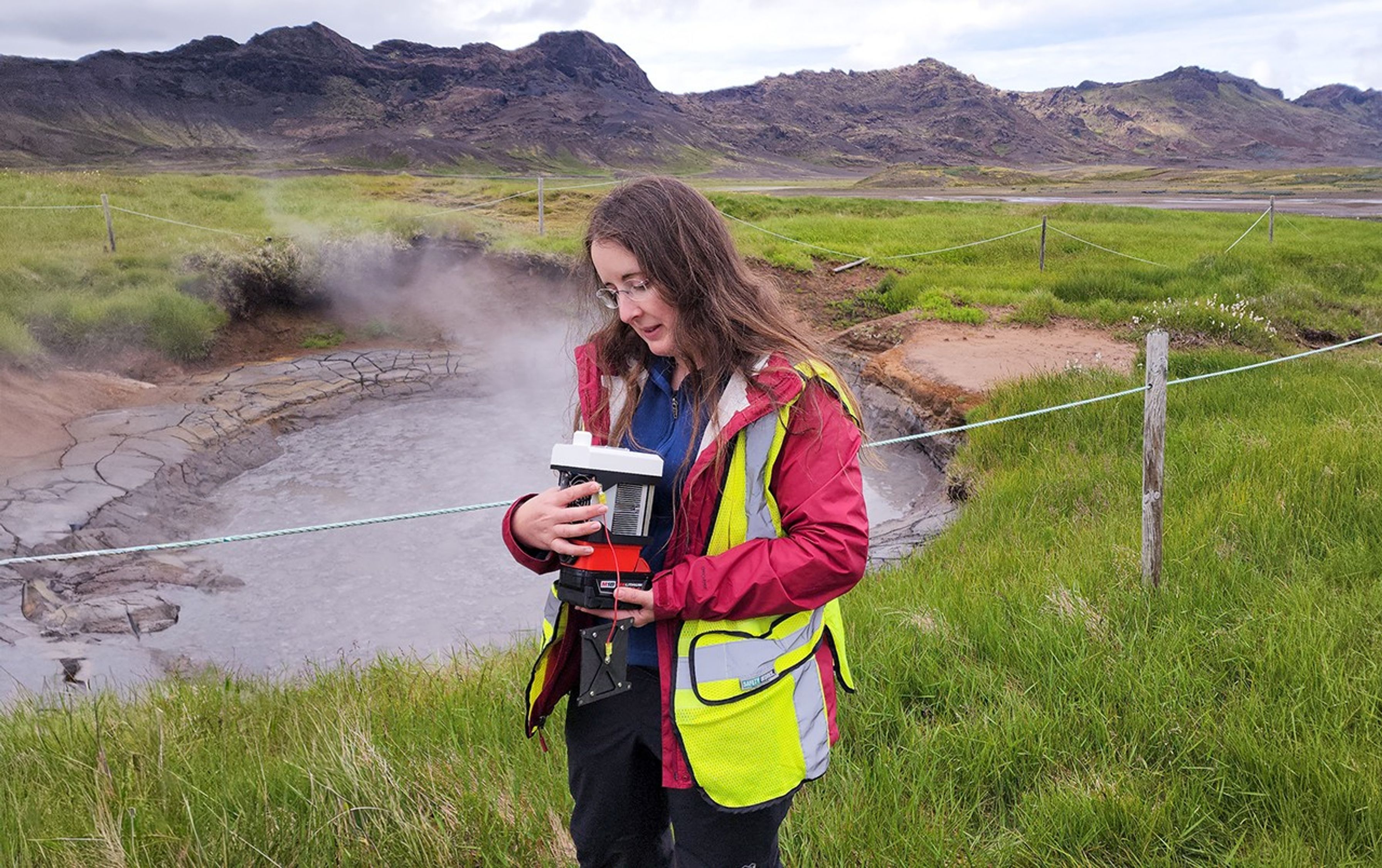
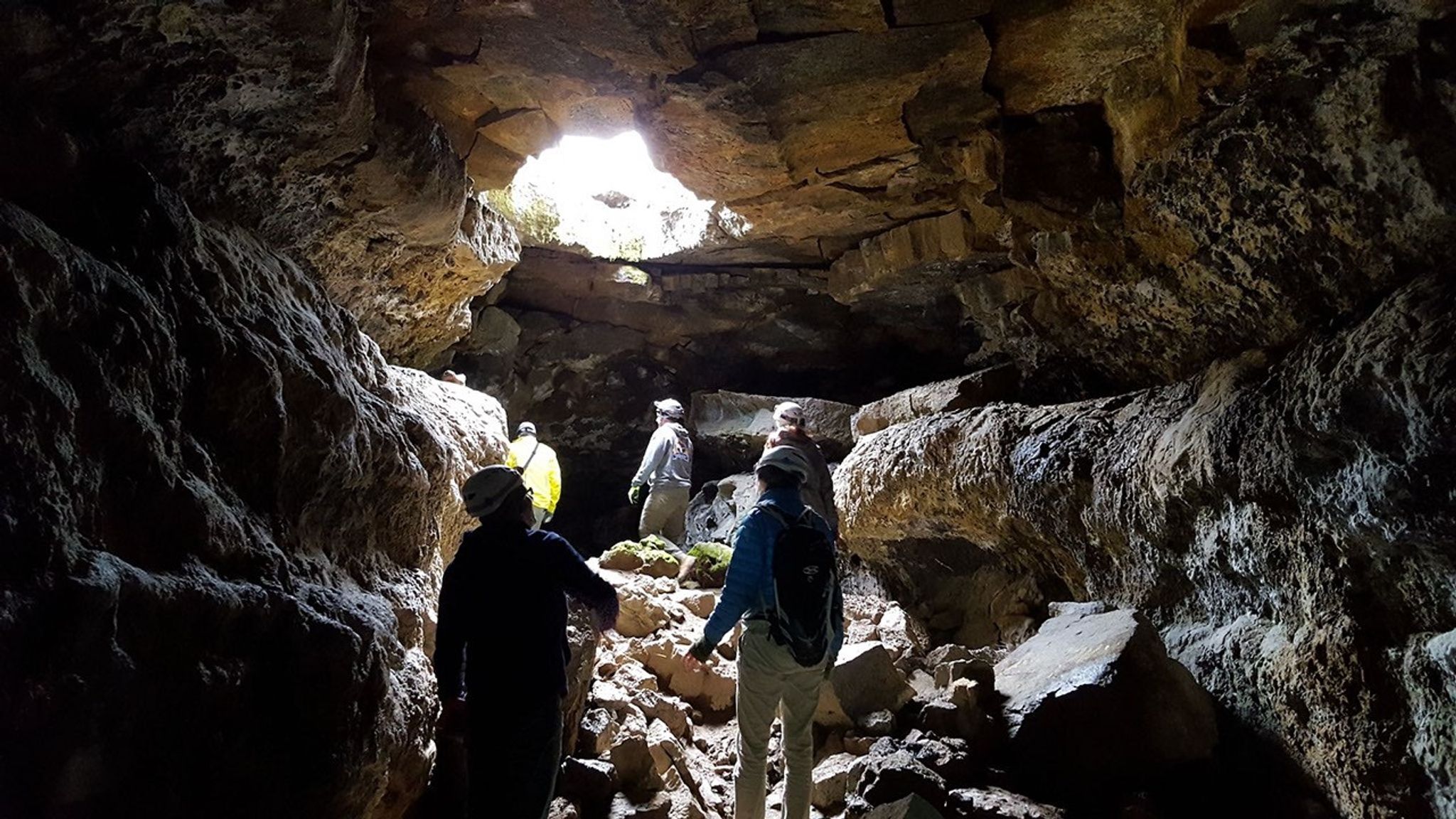
You're exploring a collection of snapshots from the Goddard Instrument Field Team's 2025 expedition in Southwest Iceland.
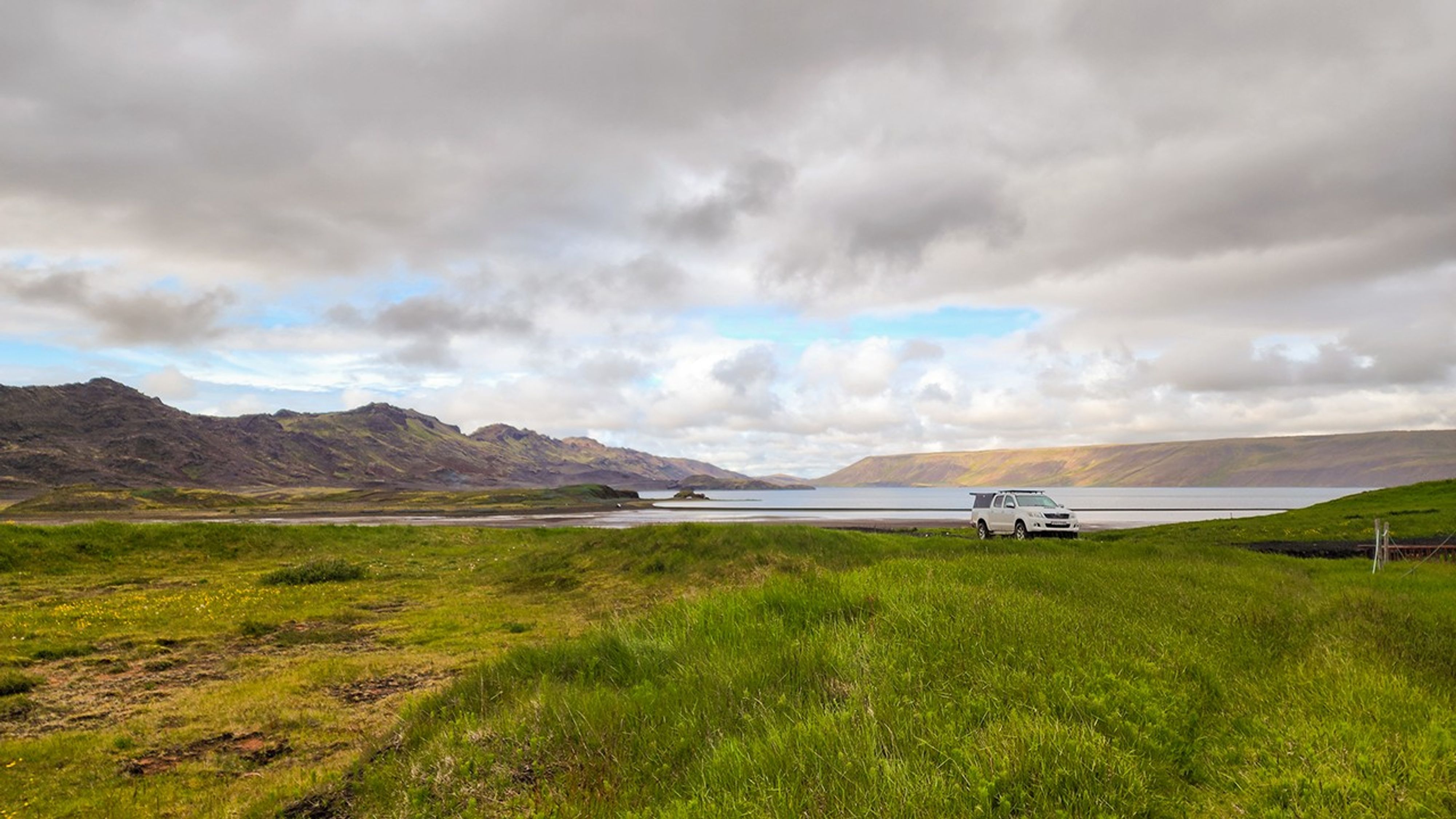
"Team Carb" | Lake Kleifarvatn
Team Carb took their work below the surface of Lake Kleifarvatn, a freshwater lake with a volcanic and mineral composition strikingly similar to Martian terrains including Gale and Jezero craters. Kleifarvatn is situated on an active rift in southwest Iceland, a plate boundary where material from the Earth's mantle rises through the crust, thinning and stretching the surrounding rock. That makes the lake an ideal stand-in for hot, mineral-rich, ancient systems that may have once existed on the Red Planet.
The team hunts for preserved organic molecules and specific mineral patterns that only form in the presence of water and heat —the same conditions that might have sparked life on early Earth. Studying the lake’s sediments and chemical signatures can help scientists more efficiently identify what Mars rovers should look for as they search for signs of ancient habitability and determine how the environments on early Earth and Mars diverged. In particular, the Carb team is interested in the many forms carbon can take in Lake Kleifarvatn, including carbonates, minerals formed when carbon combines with other elements like oxygen and calcium. Carbonates like limestone and chalk can store carbon and record their formation conditions, telling us whether early Mars was habitable for life as we know it.
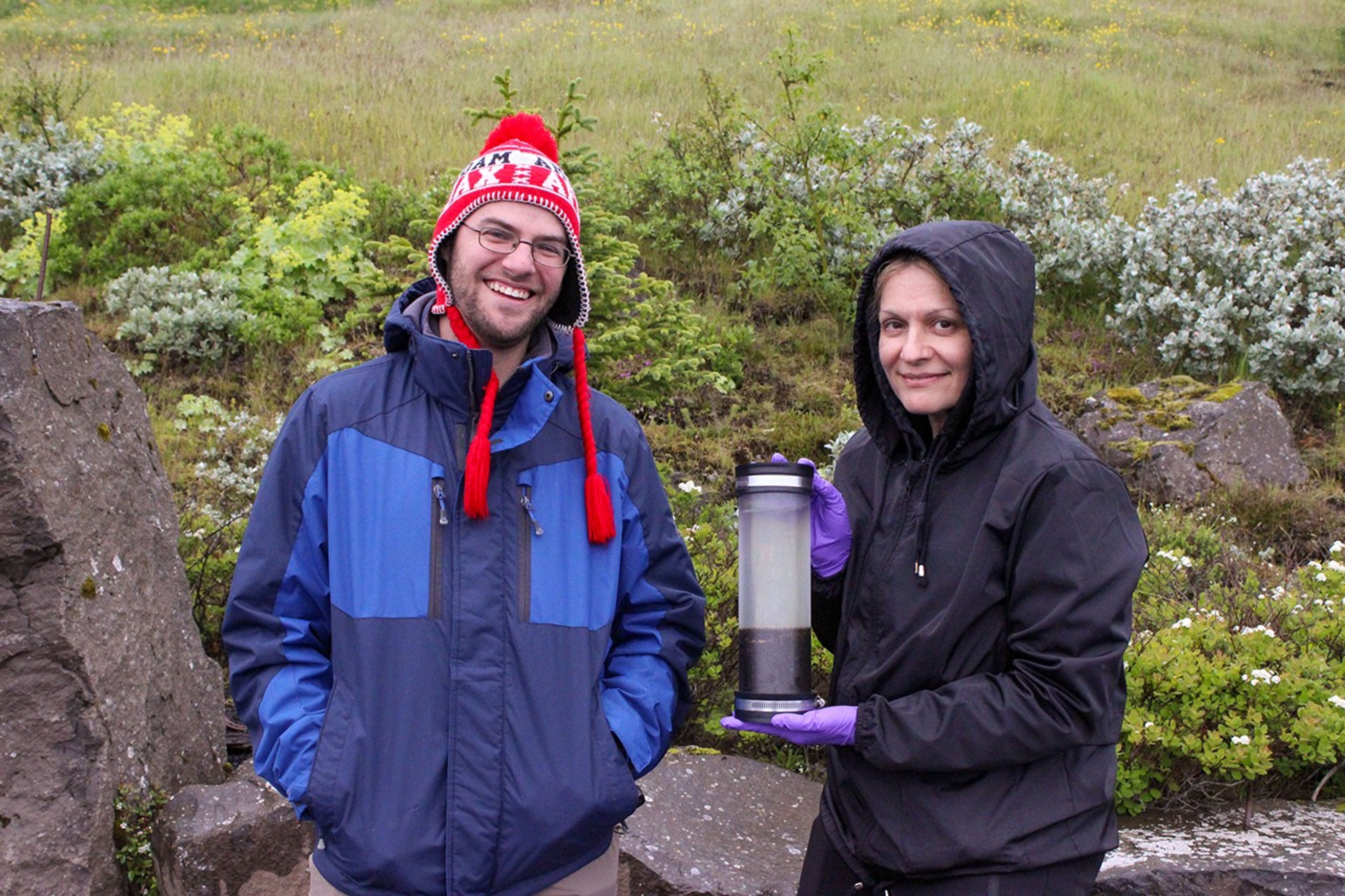
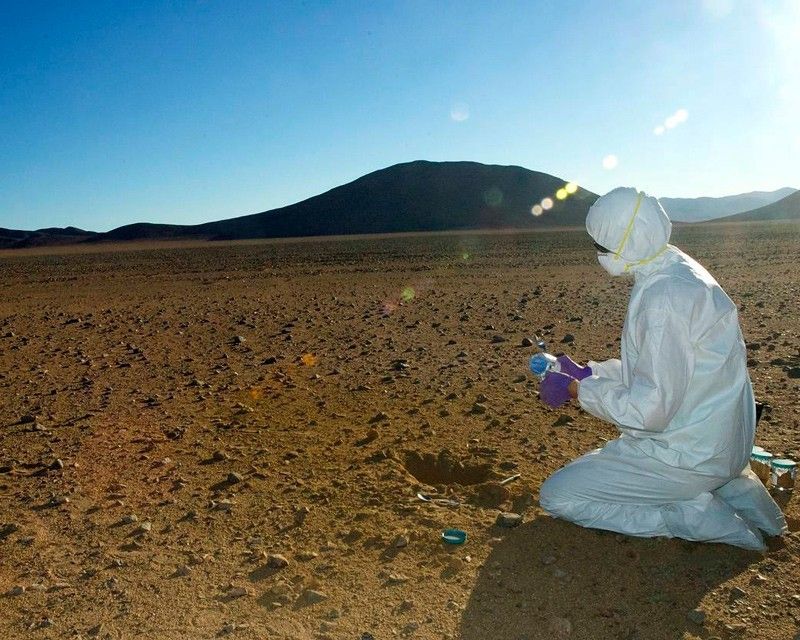
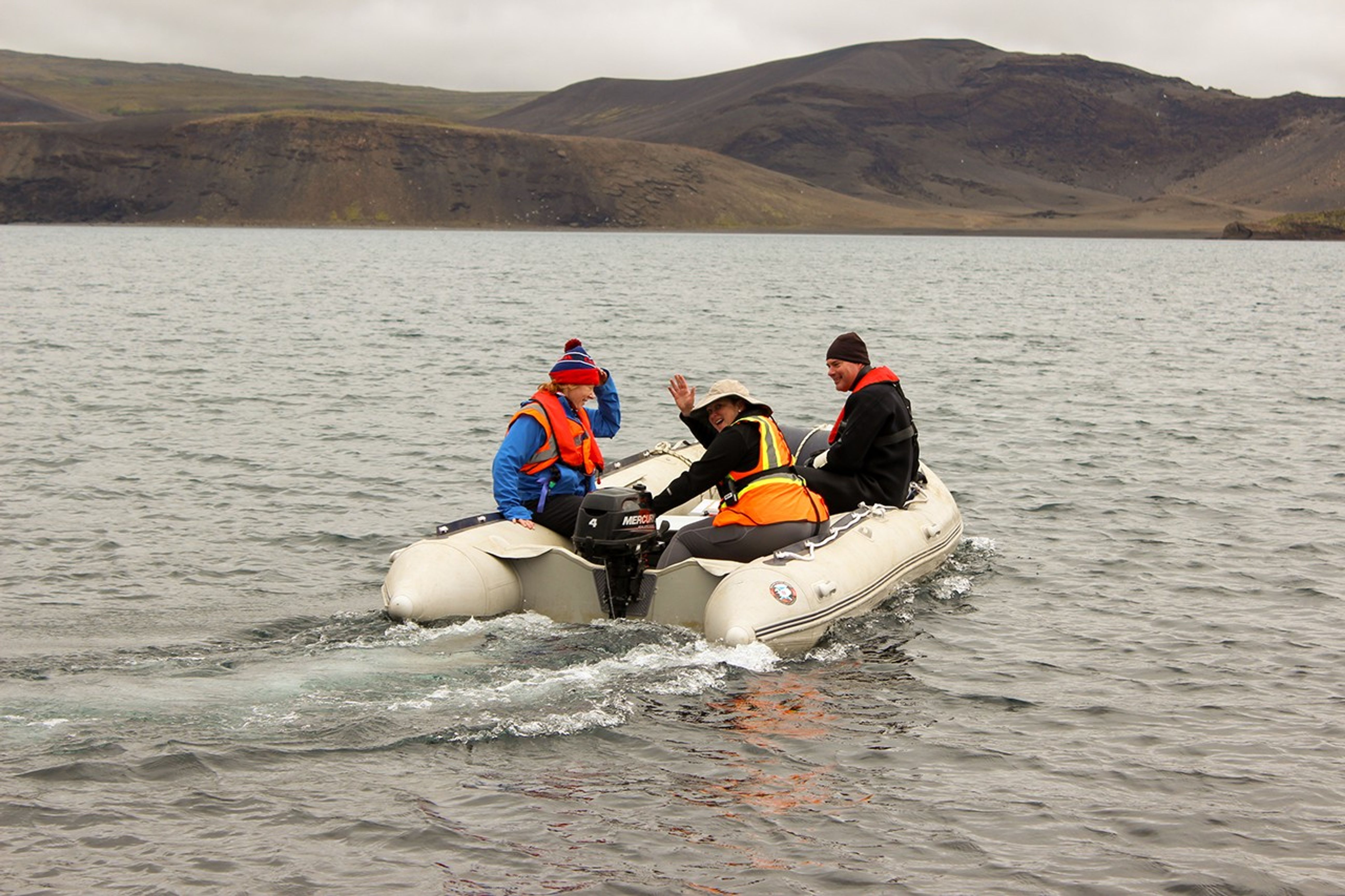
Collecting samples in cold water was anything but simple. Wearing dry suits, Principal Investigator David Burtt and collaborators Roy Price and Vaughn Hamill floated above their targets, maneuvering upside down to grab material from the lake floor. Sampling sometimes sparked debate: should they keep the top of the sediment core, or was the bottom more revealing? Teammate Vanessa Alfonso would argue that the orange biomass at the top of the core was more informative as a signifier of microbial activity in the sample, but sampling exclusively from the top of the core would risk surface contamination and miss significant chemical shifts throughout the core. These debates always reflected the balance between answering scientific inquiries and the realities of limited time and sampling equipment in the field.
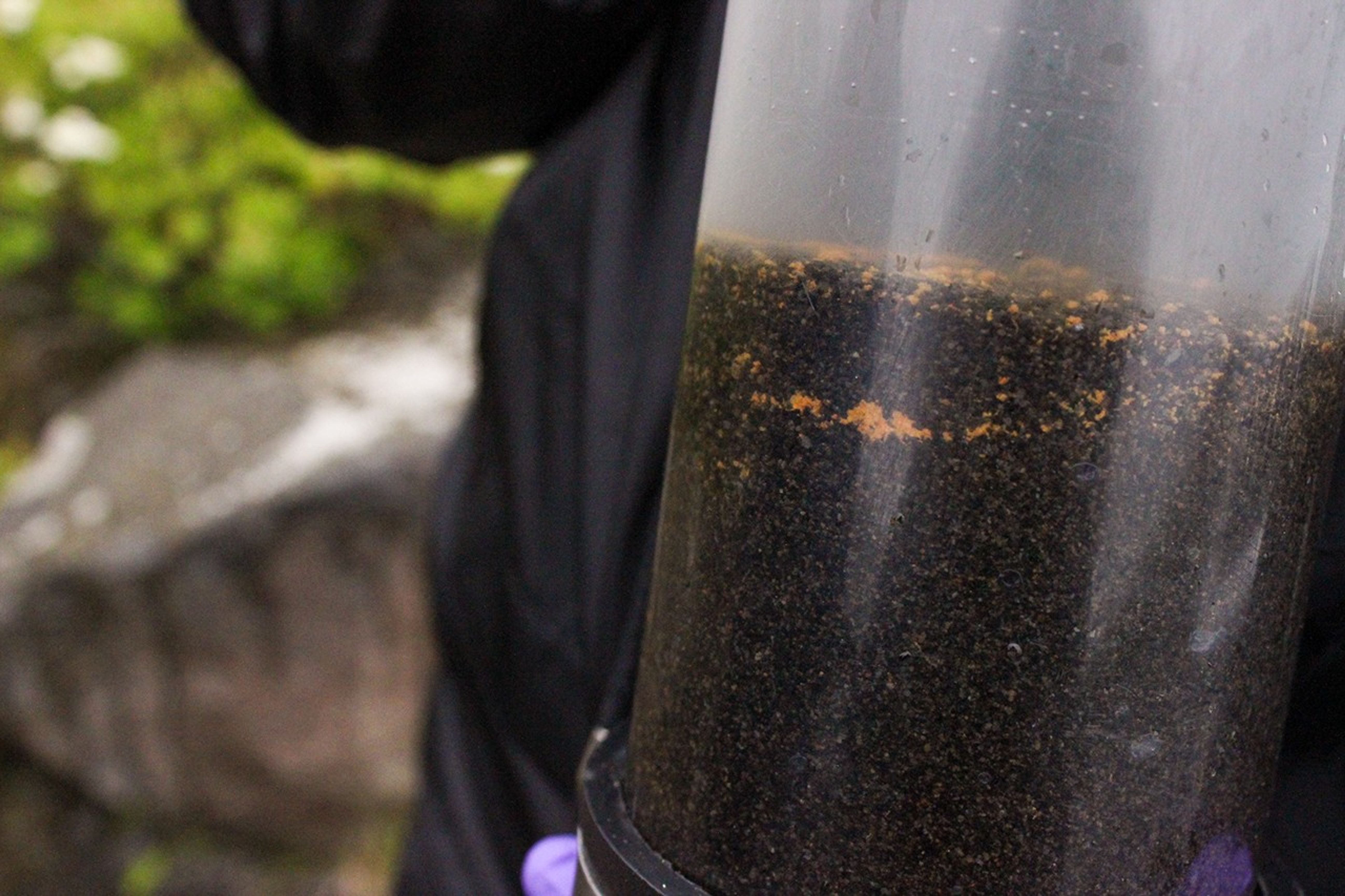
The Carb team also joined forces with Team Gas, offering extra hands and swapping samples to make the most of each trip. Pulled from the depths of Iceland's lakes, each muddy tube carries a record of a volcanic past and, perhaps, a glimpse into Mars’ distant history.
Yesenia Arroyo
NASA's Goddard Space Flight Center