
















Evolution of Earth Science: From a Single Satellite to an Entire Fleet
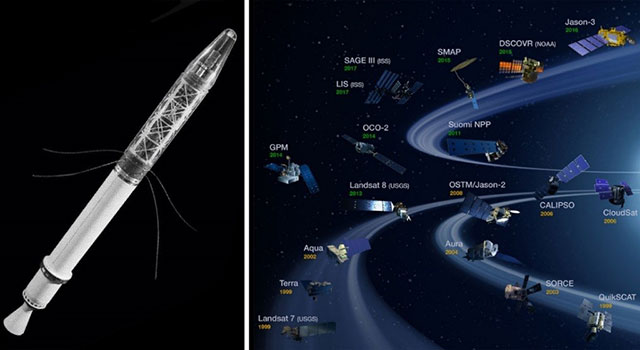
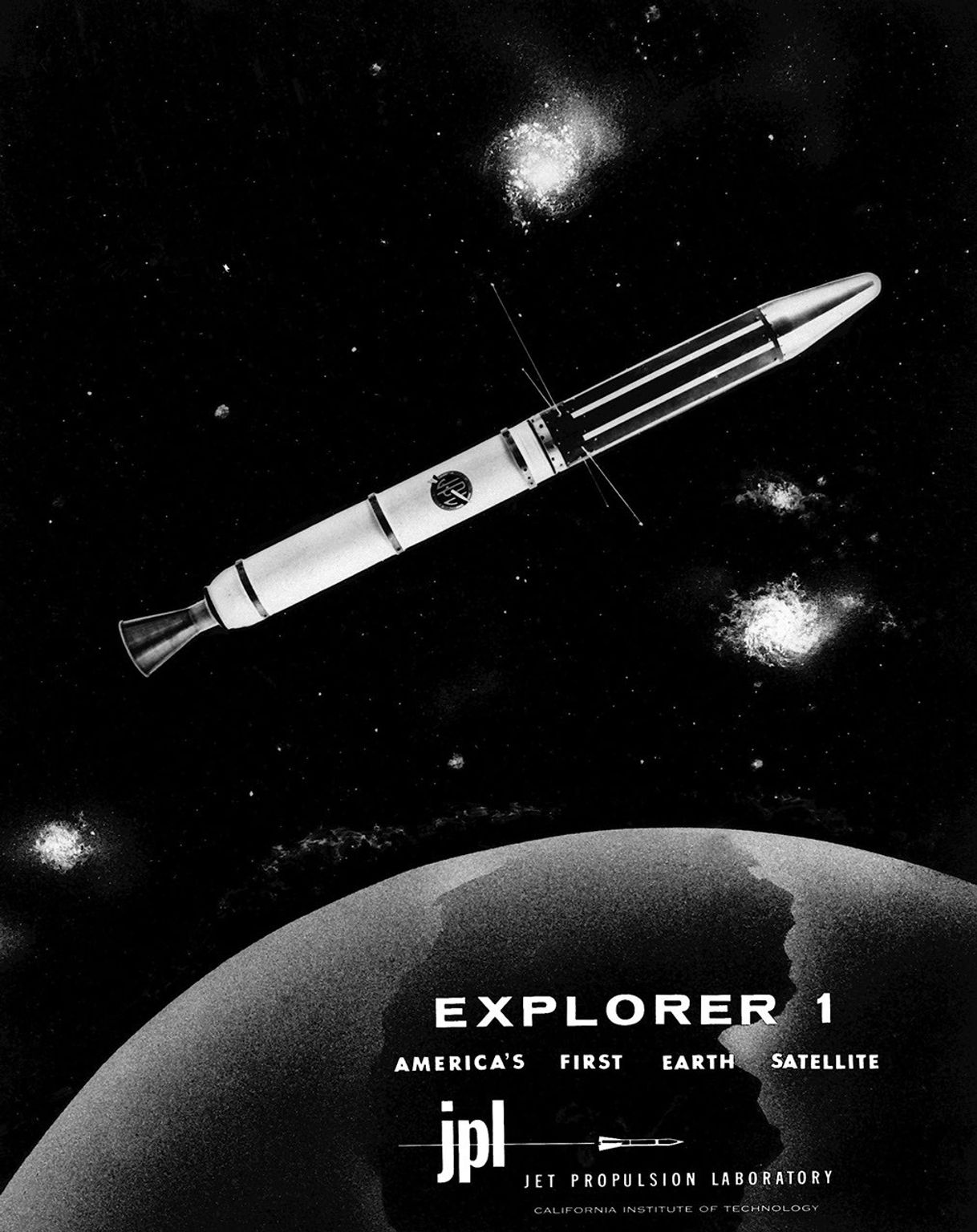
Explorer 1 was the first U.S. satellite. But it wasn’t launched with the sole purpose of seeing if our nation could do it: It was used to gather scientific information that we would otherwise have had no way of gathering. The primary science instrument on Explorer 1 was a cosmic ray detector that measured the radiation environment in Earth orbit. Explorer 1 began the era of studying Earth from space.
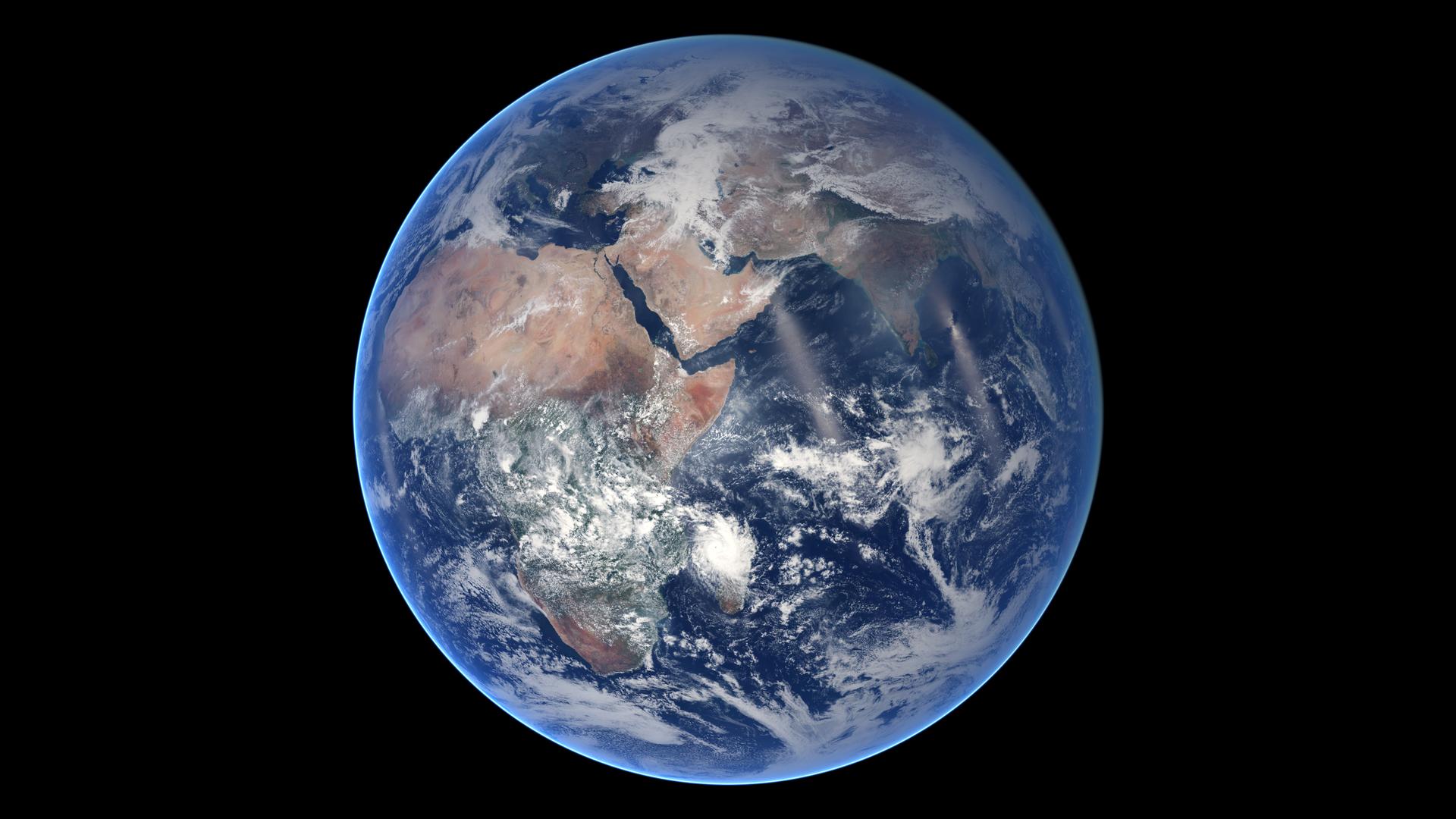
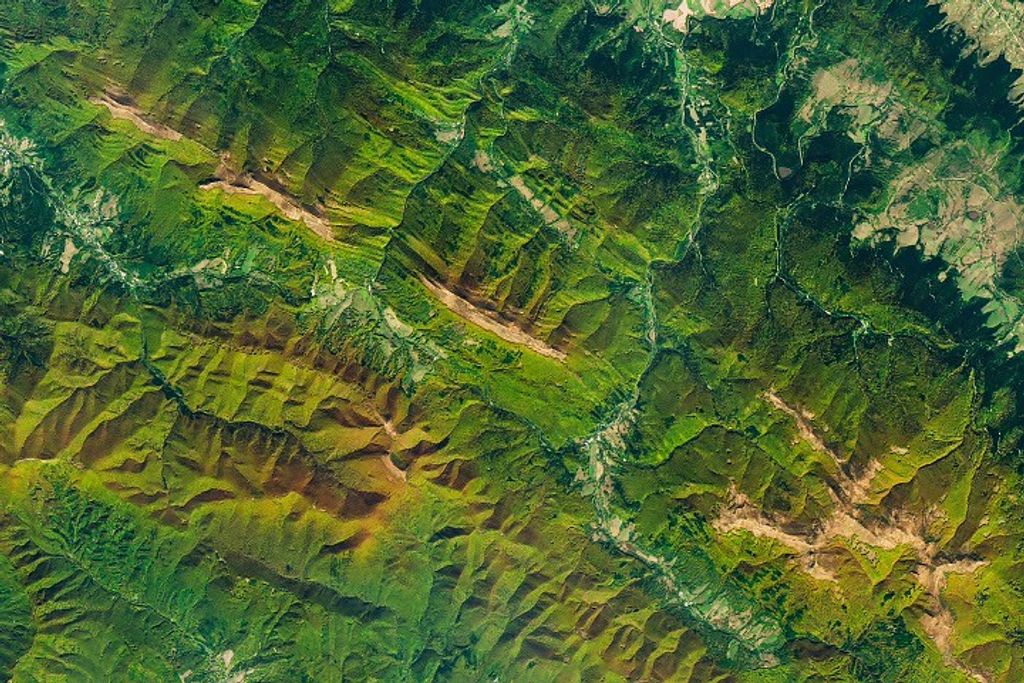
Today, NASA satellites continually orbit the globe as they collect information about Earth’s ocean, atmosphere and land surfaces. Satellites can even monitor the activity of life forms, such as phytoplankton, from remote vantage points.
Read articles about satellites and orbits written at elementary and middle-school levels.
- What Is a Satellite? (Grades K-4) (Grades 5-8)
- What Is an Orbit? (Grades K-4) (Grades 5-8)
Read about the major scientific discovery of Explorer 1.
Solve a math problem about the Van Allen Belts.
- Space Math -- The Deadly Van Allen Belts? (Grades 9-12)
Download posters of current NASA Earth science satellite missions.
See Earth from a satellite's perspective with this free application.