













Explorer 1 Stories
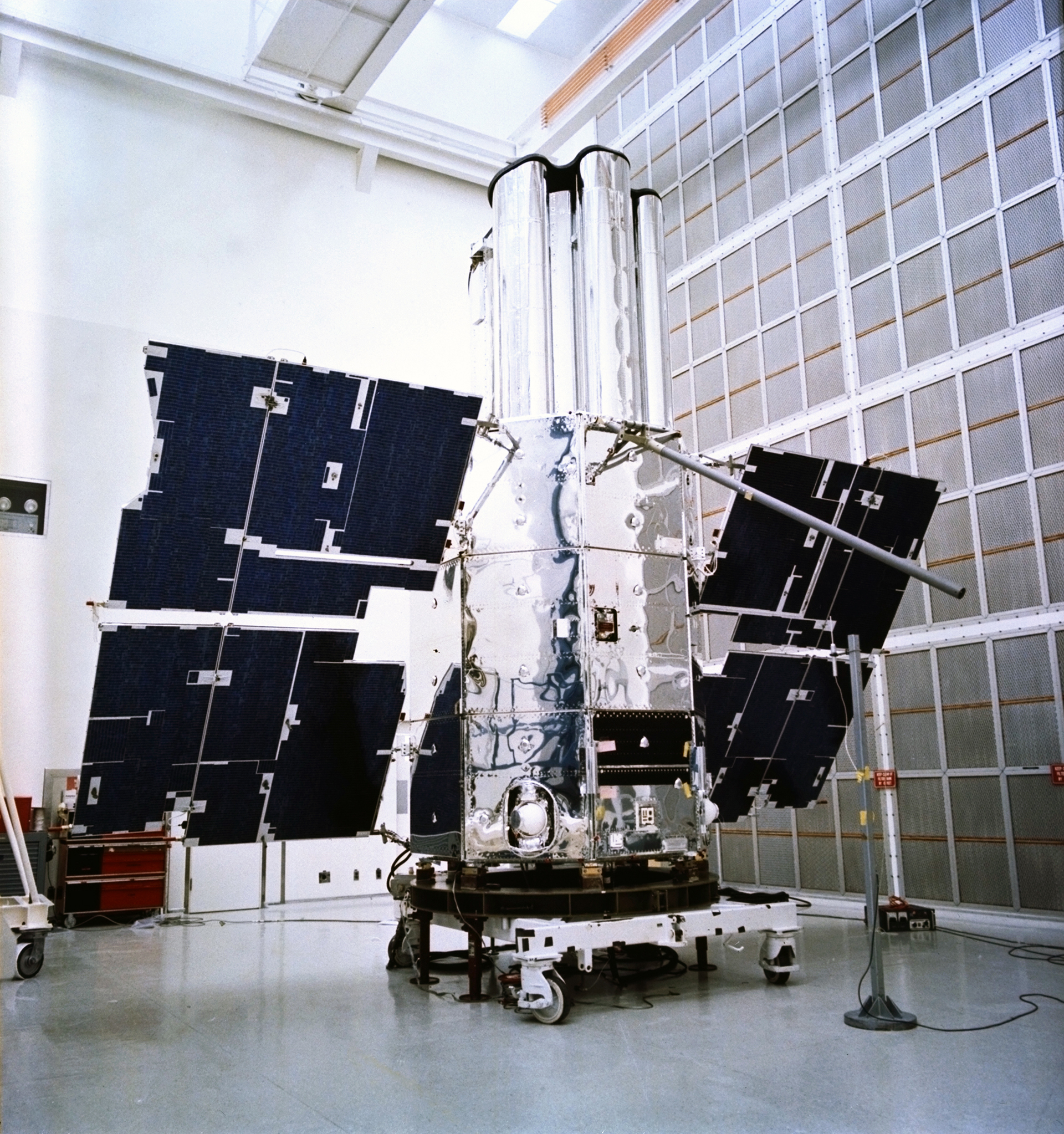
At 6:28 a.m. EDT on Aug. 21, 1972, NASA’s Copernicus satellite, the heaviest and most complex space telescope of its time, lit up the sky as it ascended into orbit from Launch Complex 36B at what is now Cape Canaveral…
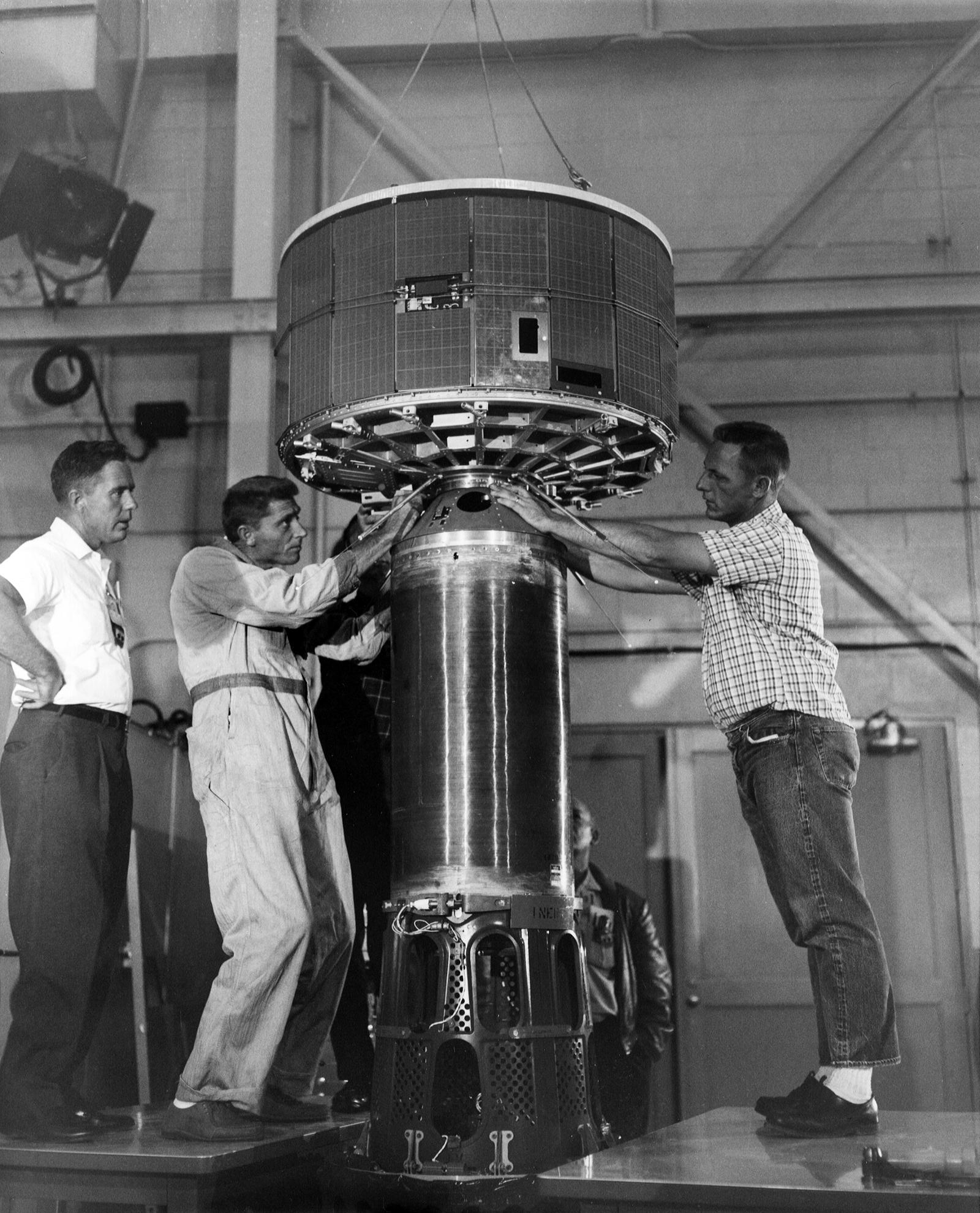
Launched April 1, 1960, NASA’s first satellite designed to determine if Earth could be studied from space was TIROS-1. The mission, managed and operated by NASA’s Goddard Space Flight Center, was a spiritual predecessor to today’s expansive Earth-observing satellite fleet.…
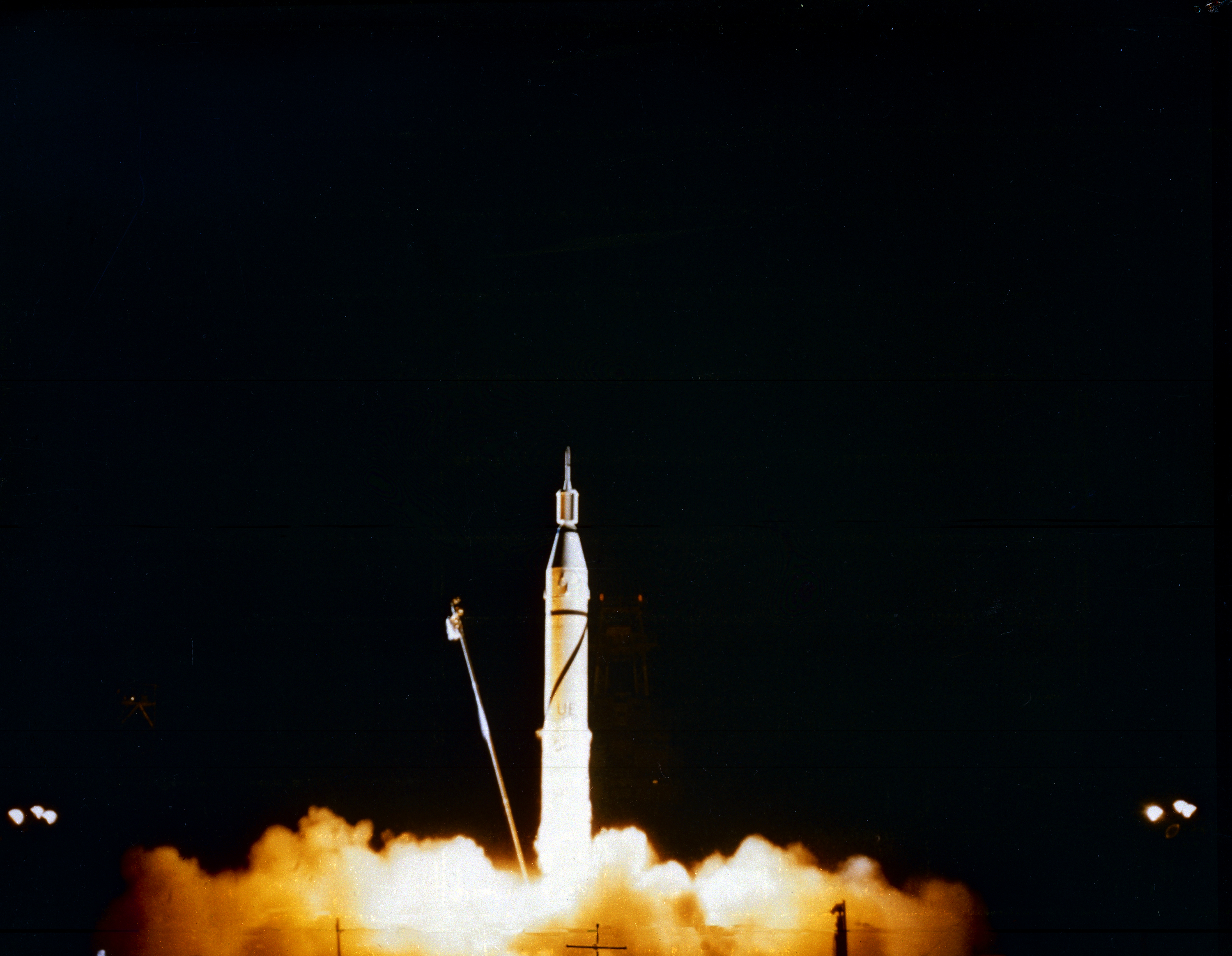
Tick, tick, tick. The device — a Geiger counter strapped to a miniature tape recorder — was registering radiation levels a thousand times greater than anyone expected. As the instrument moved higher, more than 900 miles above the surface, the…
-
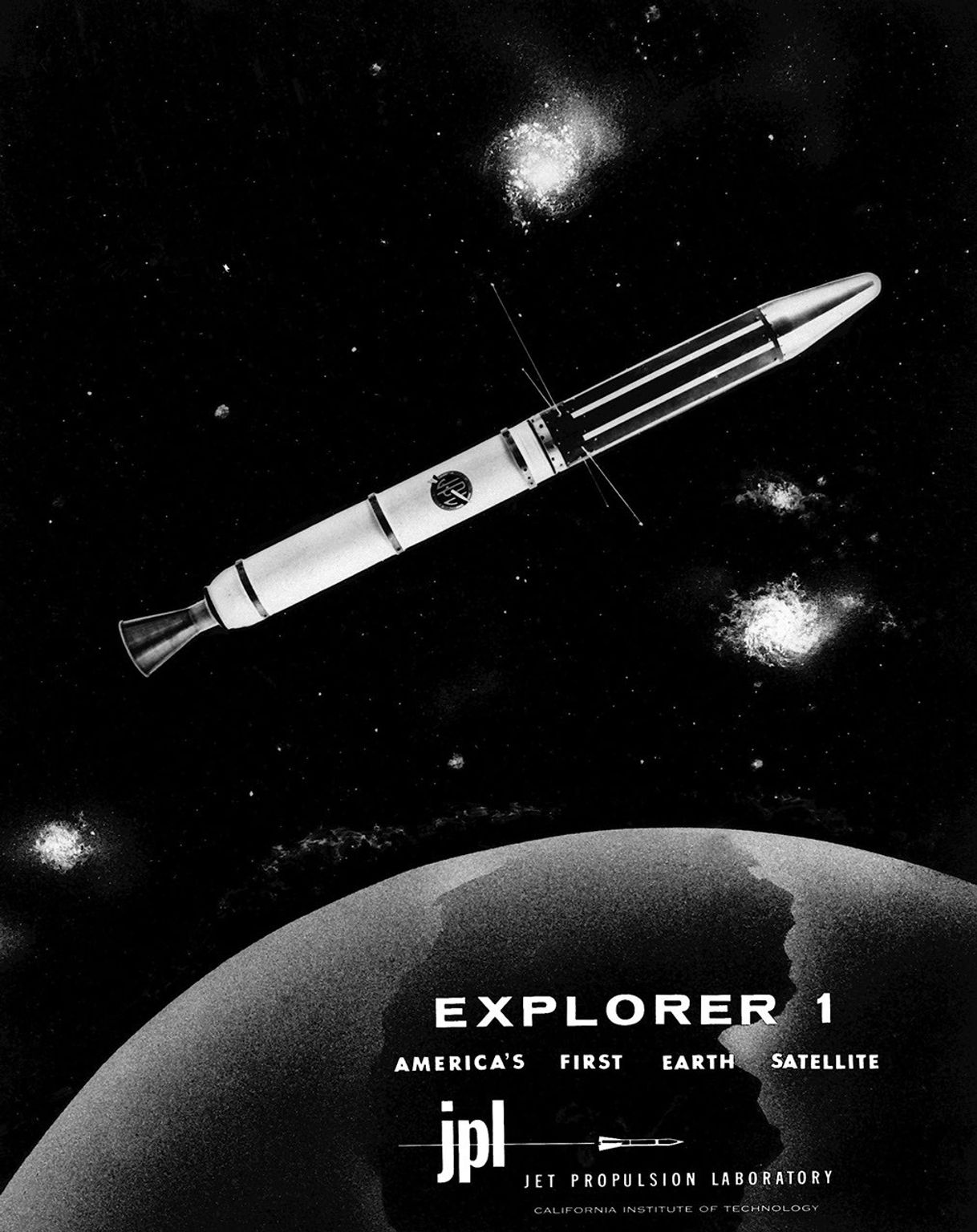
Remembering Explorer 1 and James Van Allen
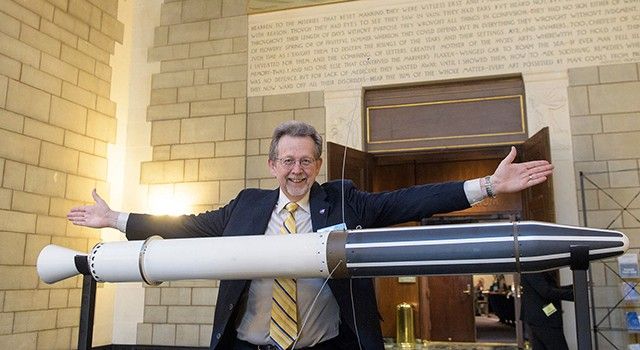
In NASA’s “Gravity Assist” podcast, Jim Green, the agency’s director of Planetary Science, recalls his time as student under James Van Allen, the University of Iowa physicist who developed the science experiment that flew on the U.S.’s first successful satellite, Explorer 1. Green recounts some of the “secrets” behind Explorer 1 (what did that “UE” on the casing mean?), and how the discovery of what’s now called The Van Allen Belts has affecting space science. Listen to the podcast here.
-
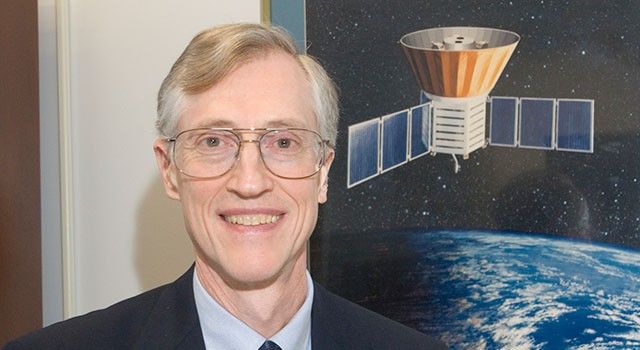
Measuring the Big Bang with the COBE satellite
Nobel Prize winner John C. Mather, a senior astrophysicist in the Observational Cosmology Laboratory at NASA's Goddard Space Flight Center, recalls discovering the cosmic microwave and infrared background light that comes from the distant universe. It came to be known as precision cosmology, and was called the most important scientific discovery of the century -- and possibly all time -- by Stephen Hawking.
-
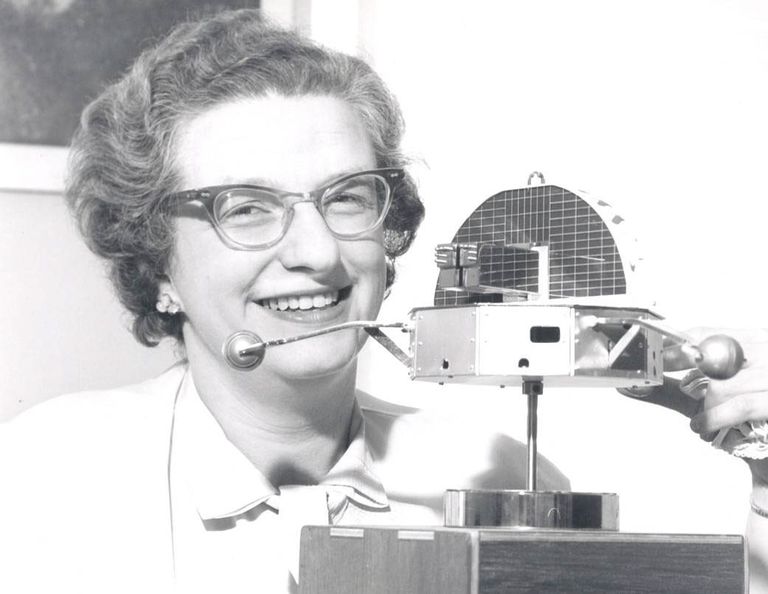
The Gestation of the Hubble
Nancy Grace Roman, the first chief of astronomy of the newly formed NASA’s Office of Space Science, describes what it was like to develop the large space telescope known as Hubble, and how NASA pushed back against lawmakers who called the expense “frivolous.”
-
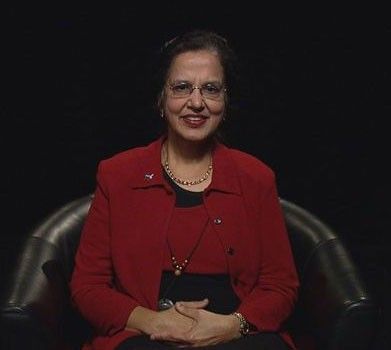
The Sky Belongs to All of Us
From a little girl watching Sputnik pass overhead, to being program scientist for NASA’s Hubble Space Telescope, and the first female program scientist for the James Webb Space Telescope, Stratospheric Observatory for Infrared Astronomy (SOFIA), Gravity Probe B, and other astrophysics flight missions, Hashima Hasan recounts how she followed her dream of scientific adventure.
-
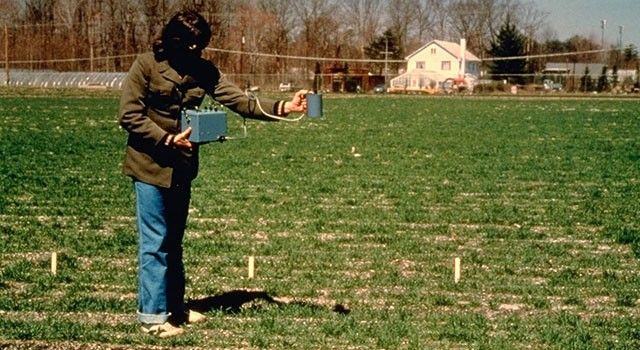
Notes from the Field, Looking at Chlorophyll from Space
Compton “Jim” Tucker, a senior scientist in the Earth Sciences Division at NASA’s Goddard Spaceflight Center, explains how researchers moved from studying vegetation in the field to looking at it from space.
-
My NASA Experience
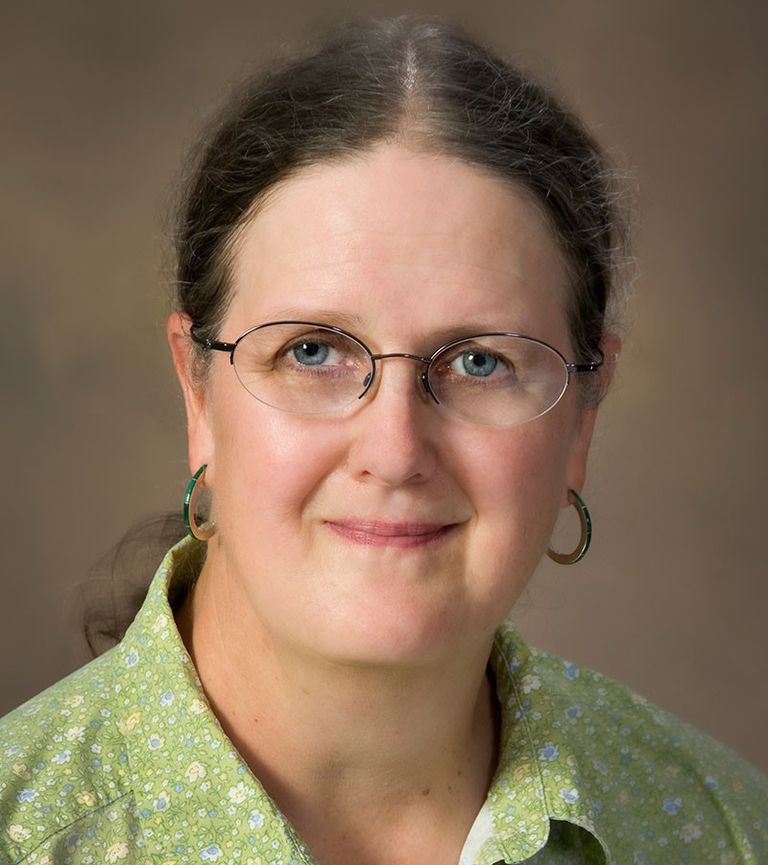
University of Arizona astronomy professor Marcia J. Rieke, the principal investigator for the near-infrared camera (NIRCam) on the James Webb Space Telescope, describes her journey from proposal to opportunity as she goes from looking at space with 1 pixel arrays to the possibility of 4 megapixel arrays.
-
Peering Homeward, 1972
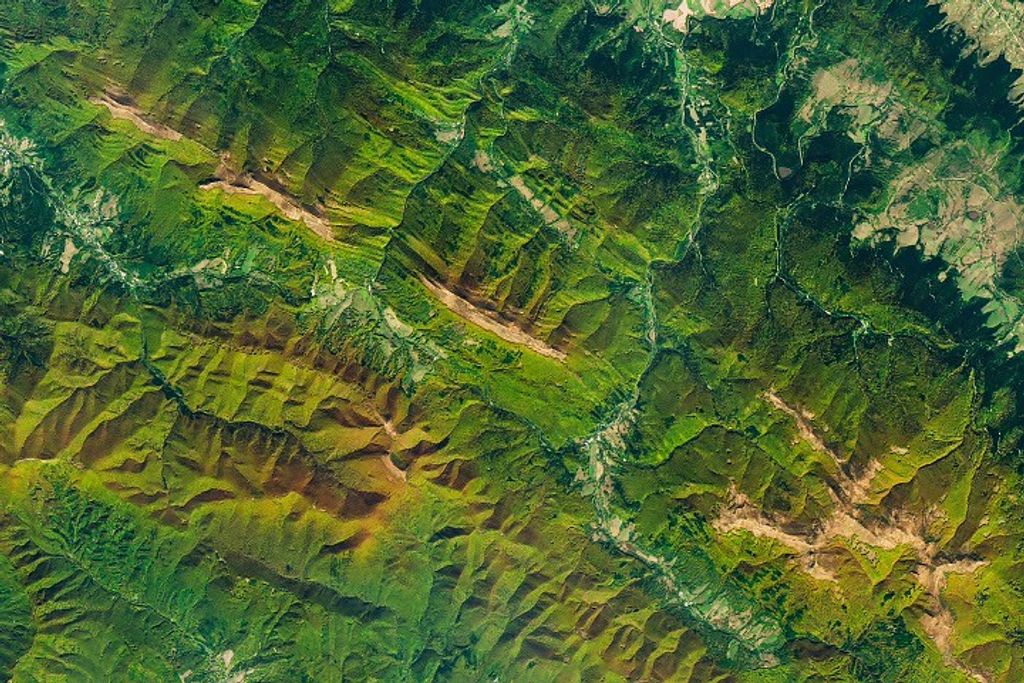
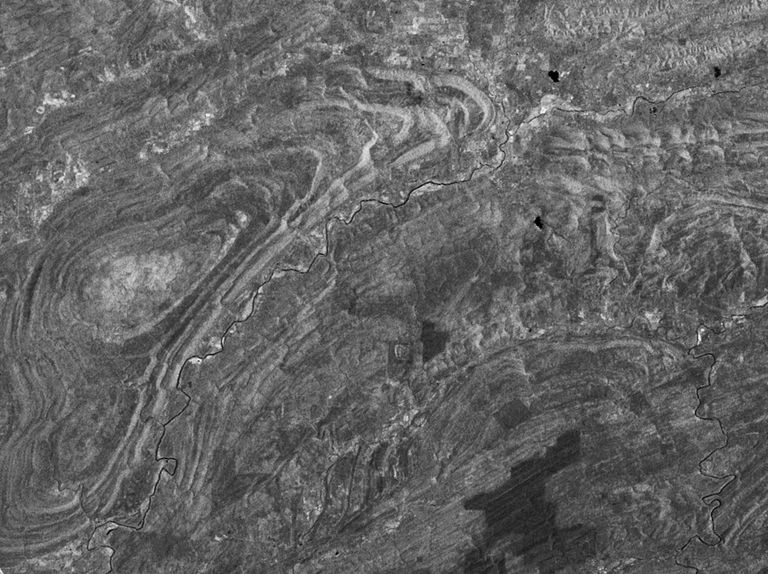
On July 23, 1972 the first civilian satellite designed to image Earth’s land surfaces was launched from Vandenberg Air Force Base in California.
-
Earth’s Energy Budget: 42 Years of Measuring the Sun, Earth and the Energy in Between
For more than four decades, NASA scientists have been studying the energy interactions between the Sun, clouds and Earth to understand their impact on climate, solar variability and ozone, among other things.