













2 min read
Frequently Asked Questions (FAQ)
Thank you for visiting the Planetary Data System's Photojournal image archive. We welcome your questions and comments about our website. In an attempt to provide immediate response to as many users as possible, we've compiled this list of Frequently Asked Questions. Hopefully, the answer to your question is here. If it isn't, please feel free to e-mail us at photojournal@jpl.nasa.gov.
Where can I get more information on planets/missions/spacecraft, etc?
Why do you release false color images on the Photojournal?
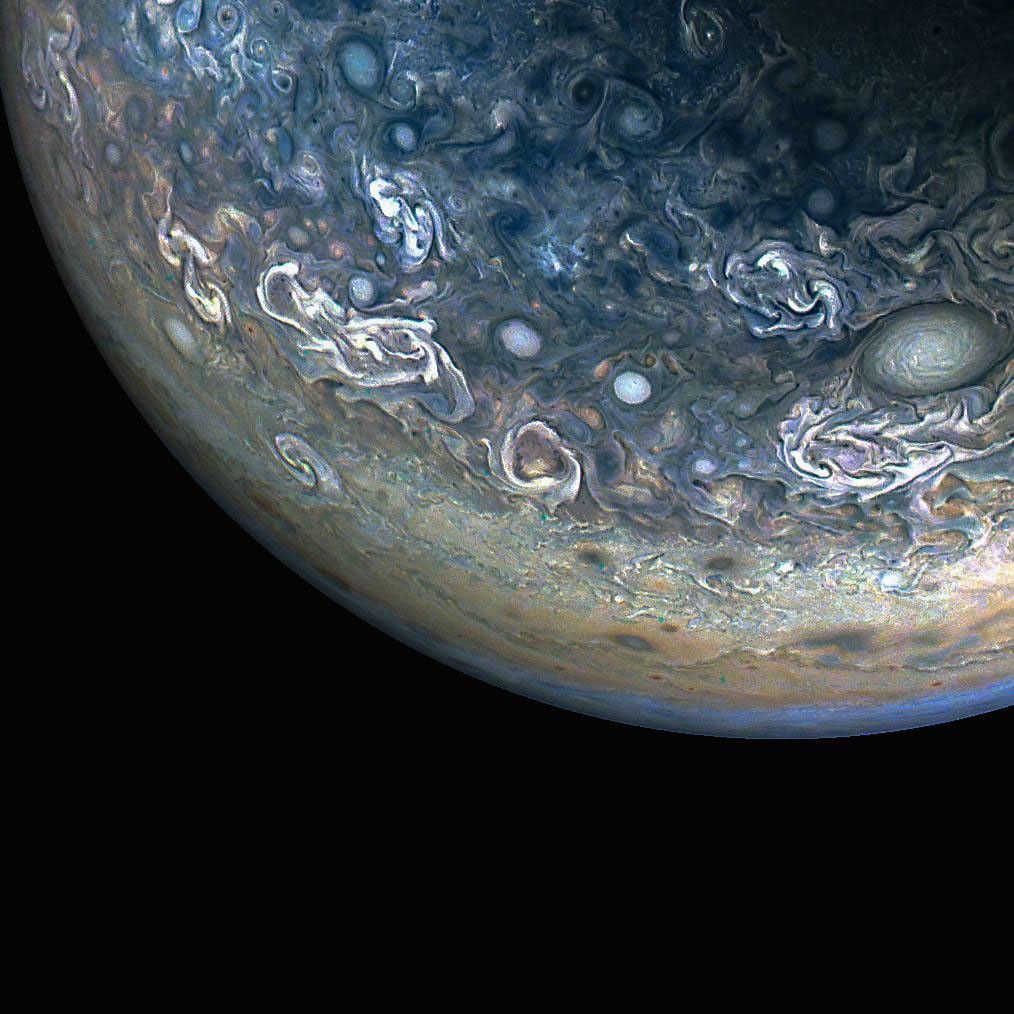
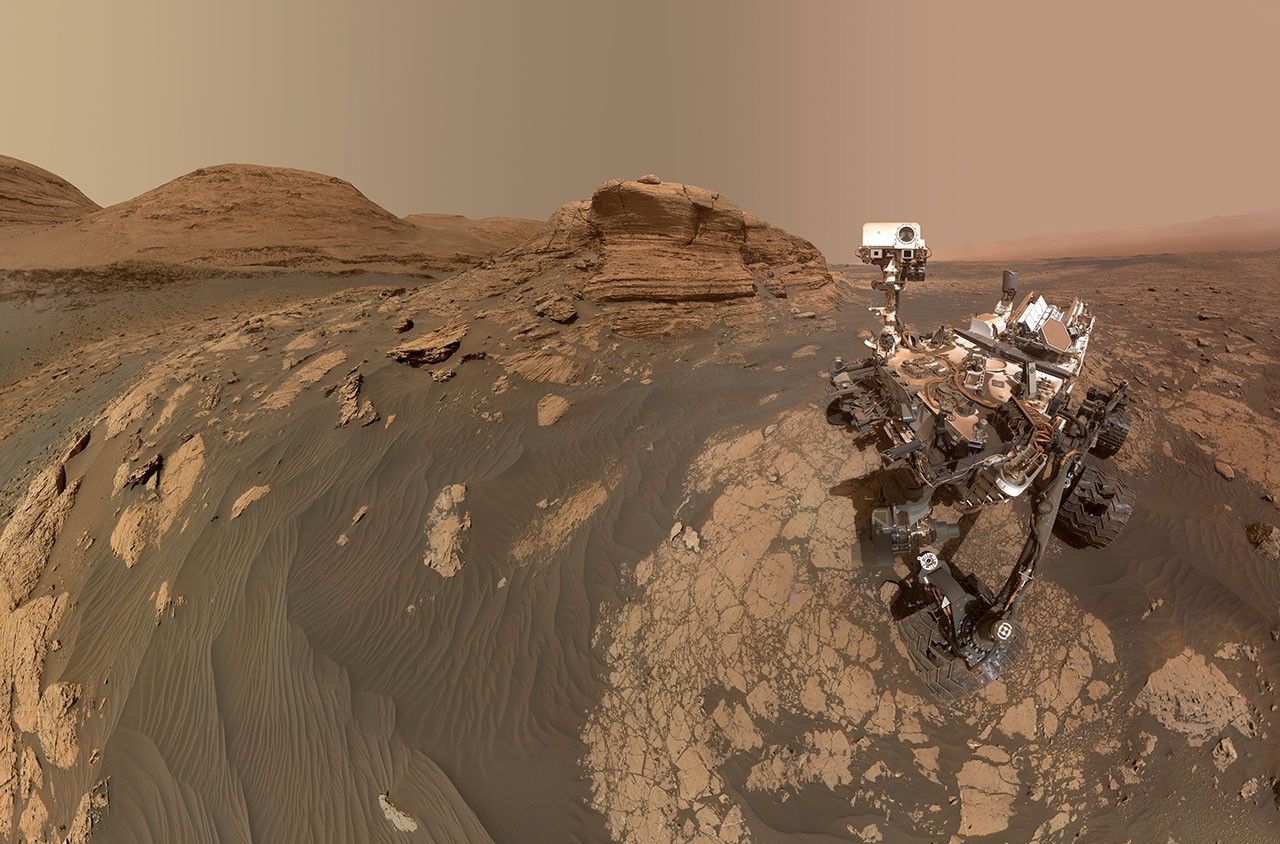
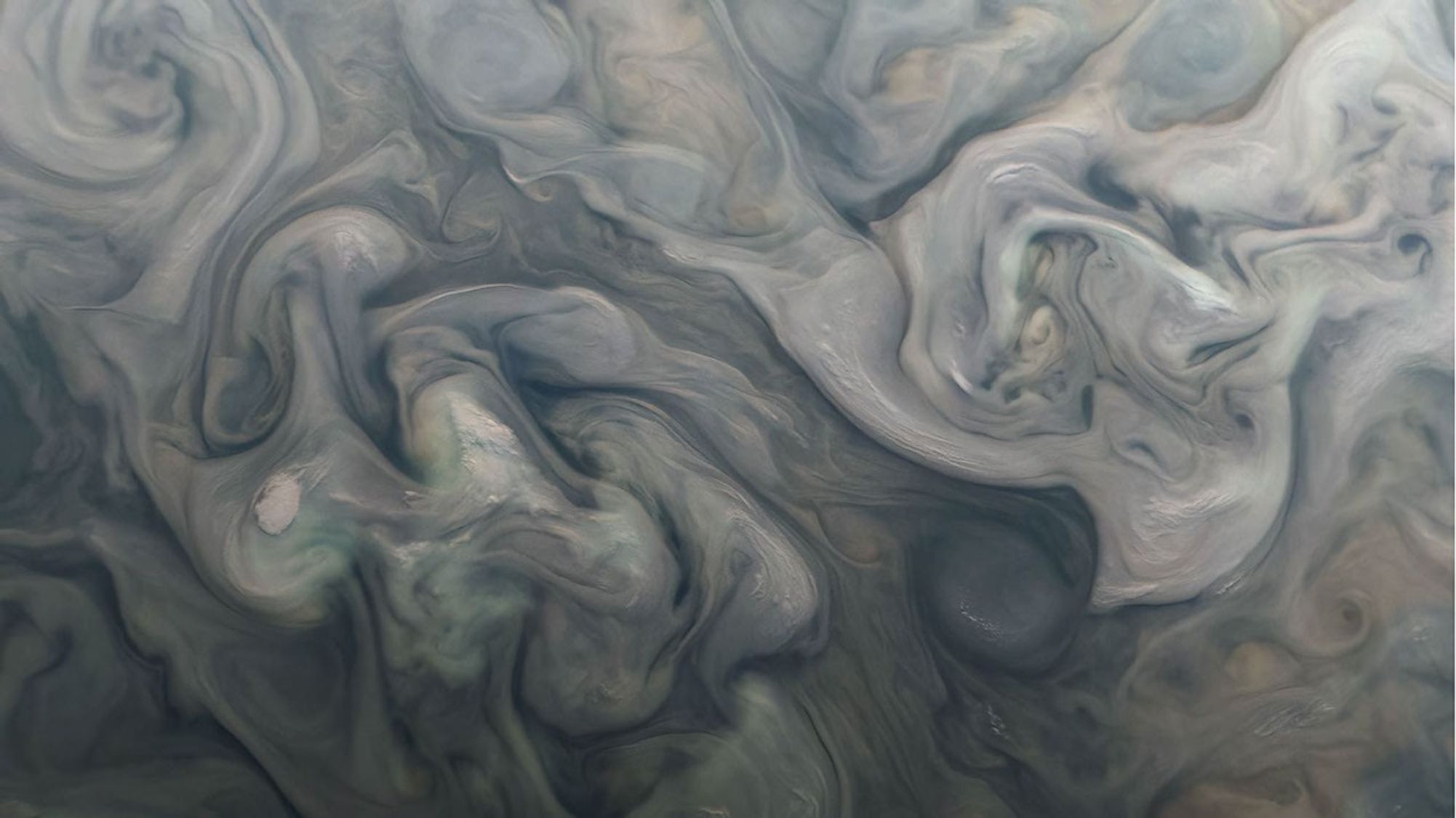
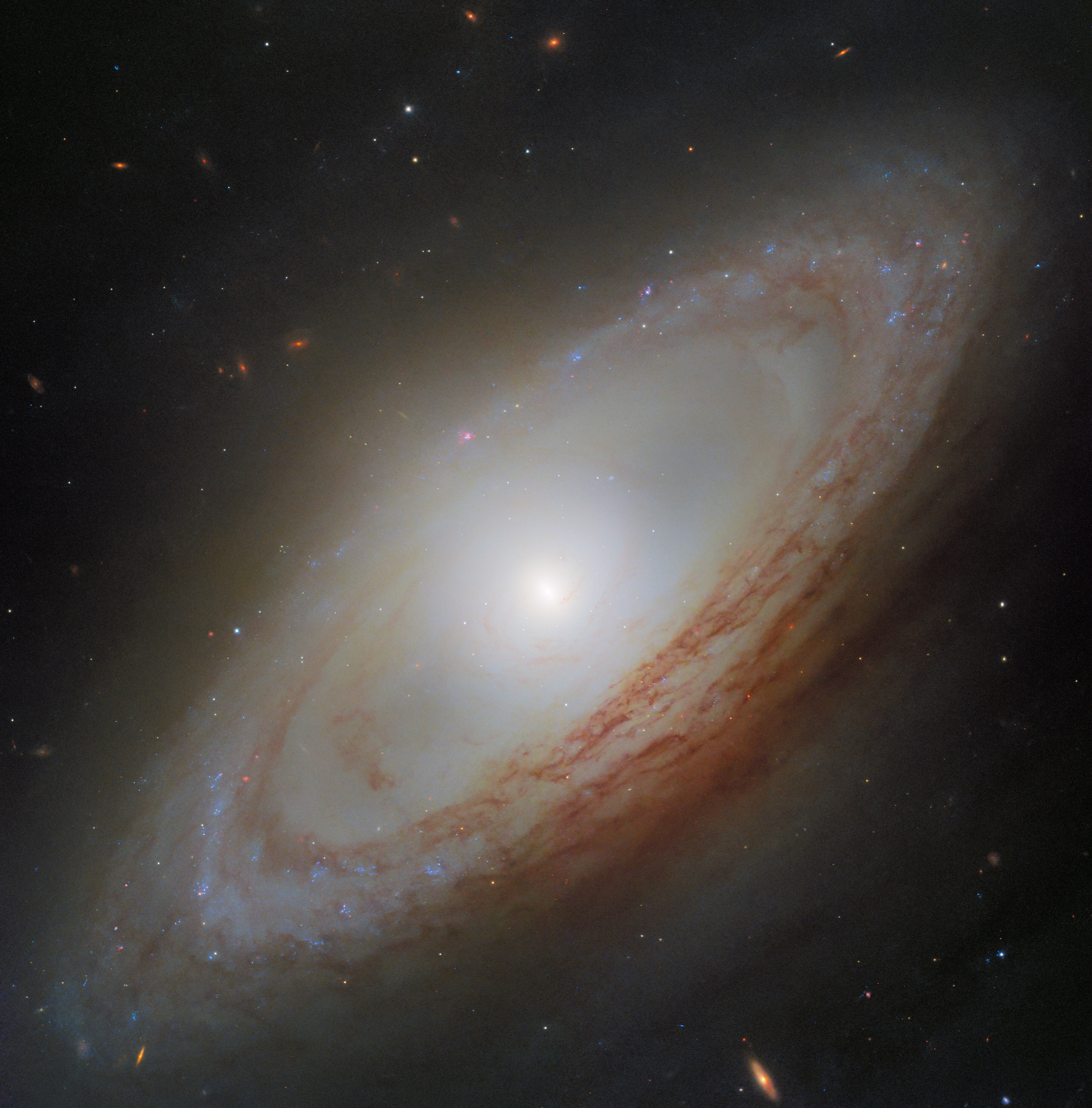
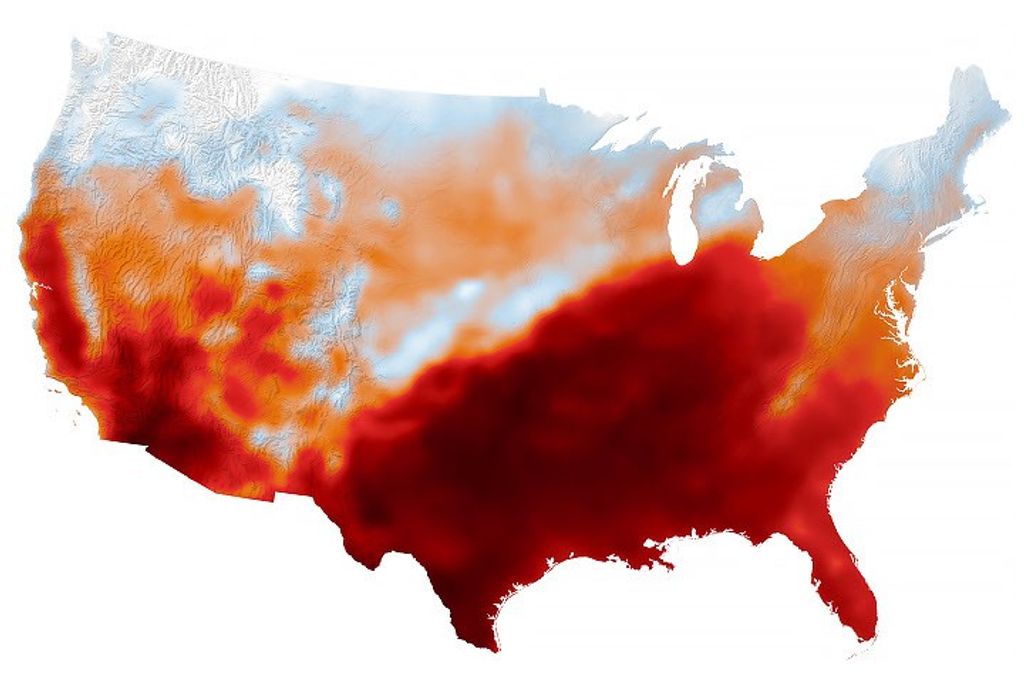
Typically, the purpose of false color images is to enhance subtle differences in color. These differences are sometimes so small in a true color image that a person looking at them cannot distinguish the differences. In the case of Mars Exploration Rover (MER) images, as an example, false color allows scientists to more easily assess color differences, which may indicate differences in the types of materials making up rocks and soils, or differences in their physical properties.
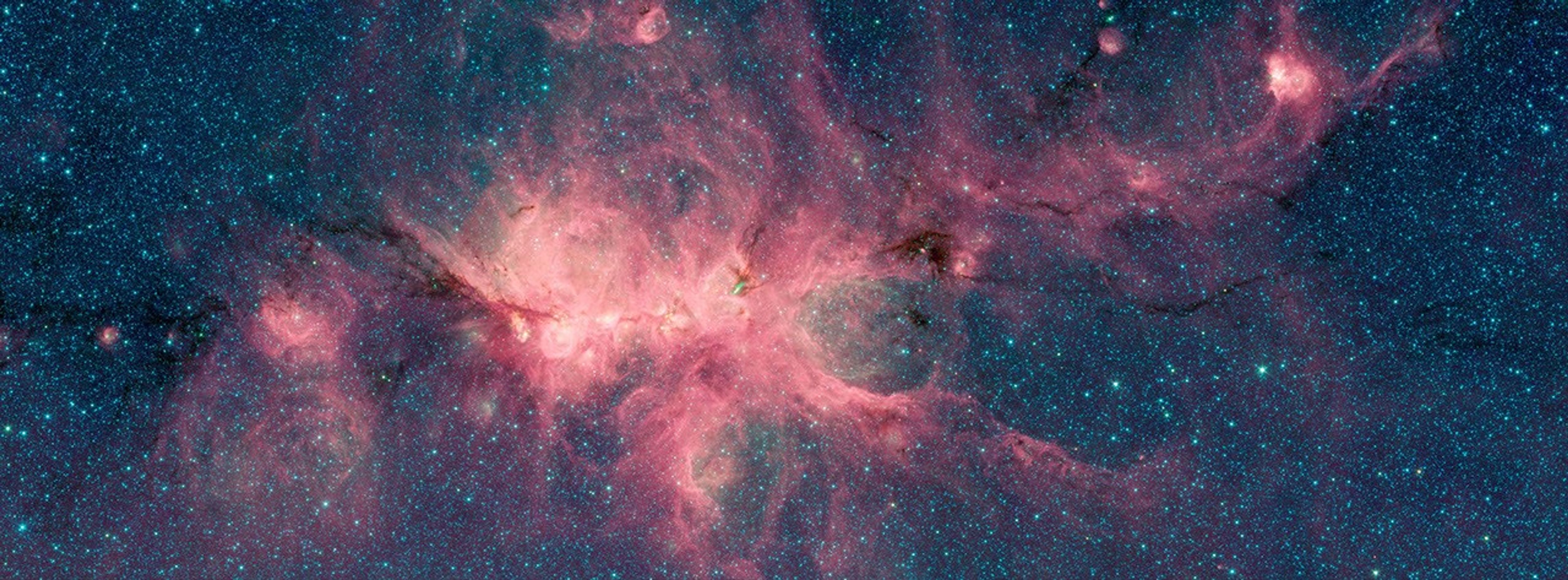
Sometimes, false color images are generated because we do not receive enough information to reconstruct an approximate true color image. If, for instance, we used some combination of filters outside the visible range (for example, ultraviolet or infrared wavelengths), then we do not have information about how something looks at the red, green, and blue wavelengths of light associated with human vision. In such an instance, an image might be generated that maps an ultraviolet filtered image to blue (B), a green filtered to green (G), and an infrared filtered image to red (R). The resultant RGB image is not indicative of what the scene would look like if you saw it with your own eyes. However, the image does contain useful information about the differences and magnitudes amongst these particular spectral components in a visibly discernible manner.