









Episode 5: The Great Sand Dunes of Kobuk Valley, Alaska
Soar above the Great Sand Dunes of Alaska's Kobuk Valley with Dr. Cynthia Dinwiddie and her team as they use ground-penetrating radar and other techniques to map the subsurface environment. If microbial life could live beneath the sand on Earth, could similar life survive the conditions of Mars, and Saturn's moon, Titan?
NASA Science YouTube ChannelEpisodes
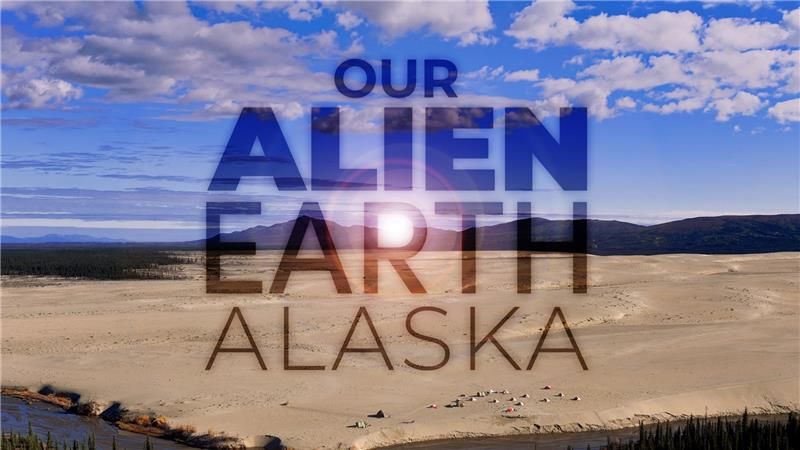
Episode 5: The Great Sand Dunes of Kobuk Valley, Alaska
Soar above the Great Sand Dunes of Alaska's Kobuk Valley with Dr. Cynthia Dinwiddie and her team as they use ground-penetrating radar and other techniques to map the subsurface environment. If microbial life could live beneath the sand on Earth, could similar life survive the conditions of Mars, and Saturn's moon, Titan?
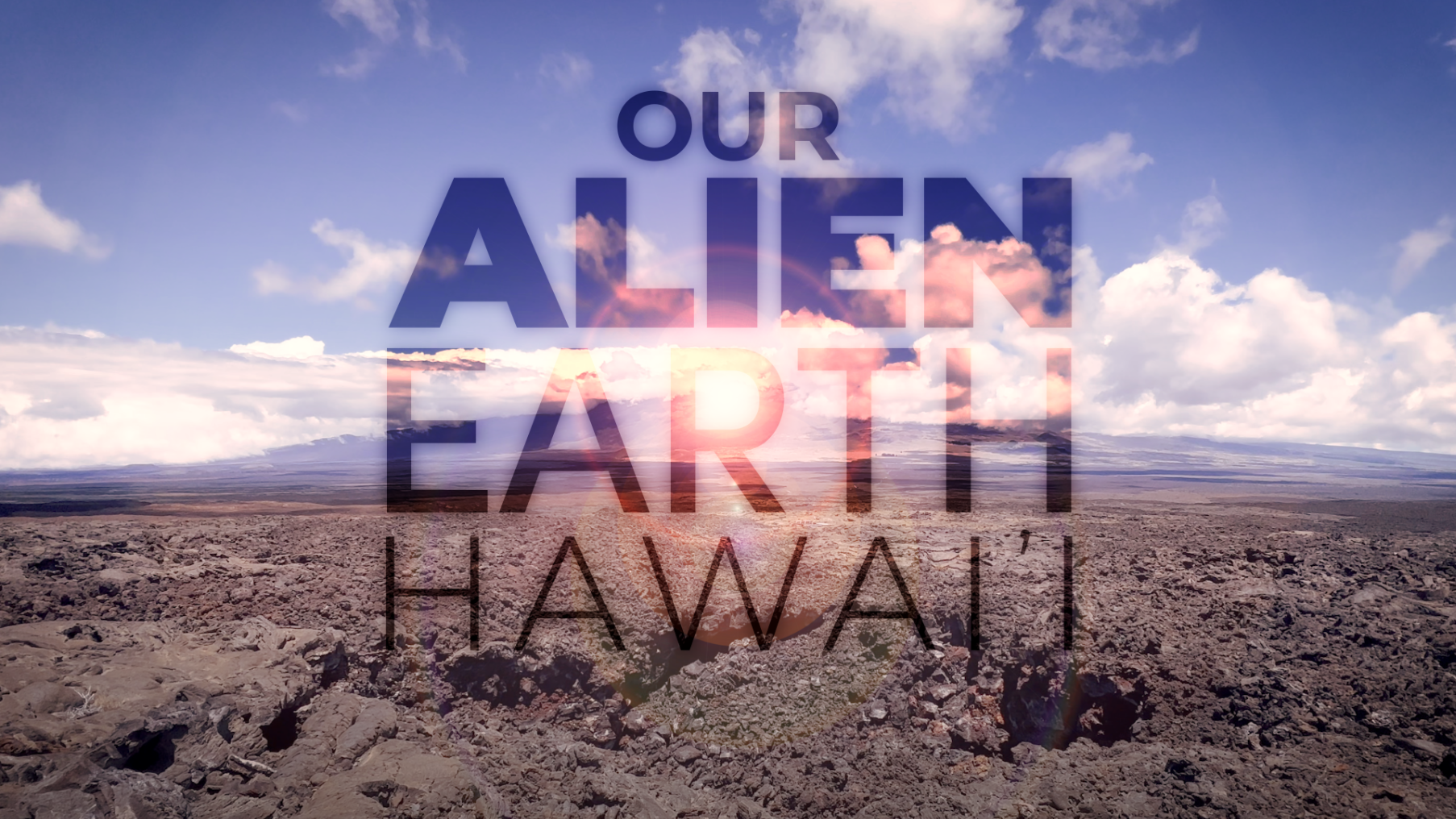
Episode 4: The Lava Tubes of Mauna Loa, Hawai’i
Explore beneath the volcanoes of Hawai’i with four teams of NASA astrobiologists as they investigate how life might survive in the subsurface of other worlds. Inside cavernous lava tubes, these scientists search for microbial life in volcanic rock, analyze subsurface gases, and build an augmented reality model of the field site—all to help advance NASA’s future exploration of Mars and beyond.
• Teaser Trailer
• Cinematic Trailer

Episode 3: The Undersea Volcanoes of Santorini, Greece
Dive alongside Dr. Richard Camilli and his team as they explore undersea volcanoes off the coast of Santorini, Greece. Testing a suite of autonomous underwater vehicles, the team hopes to imbue their robotic explorers with the same scientific reasoning of a human astrobiologist, helping us characterize alien oceans and remotely search for signs of life on distant ocean worlds.
• The Making of Episode 3
• Cinematic Trailer

Episode 2: The Ancient Isua Greenstone Belt, Greenland
Journey into the wilderness of Greenland alongside Dr. Abigail Allwood and her team, as they investigate a controversial claim of ancient signs of life in an outcrop of rocks that are over 3.7 billion years old. Watch as they continue to develop virtual reality technology that is currently being used by NASA’s Mars Exploration Program to bring scientists to sites visited by our Martian rovers.
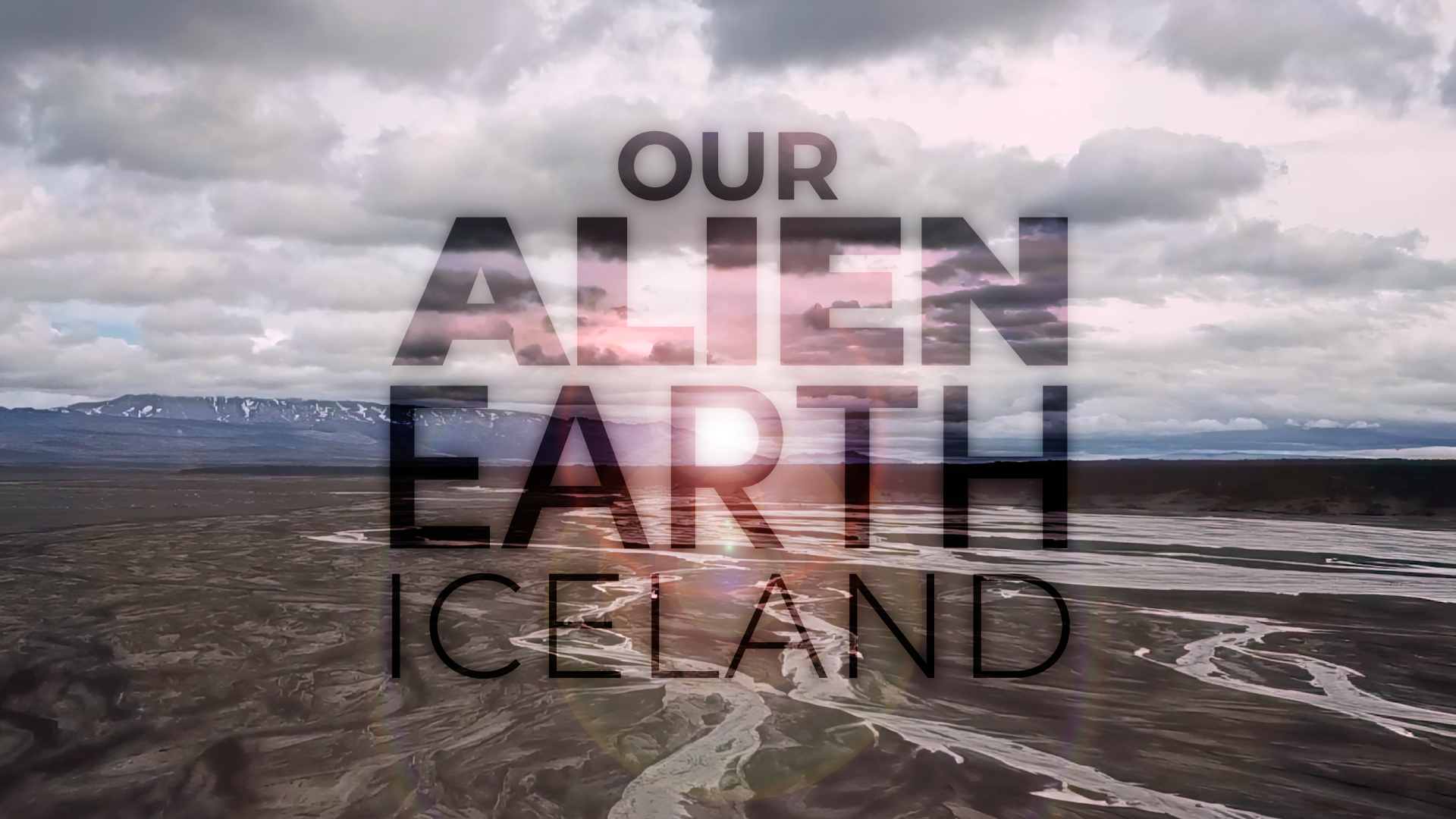
Episode 1: The Lava Fields of Holuhraun, Iceland
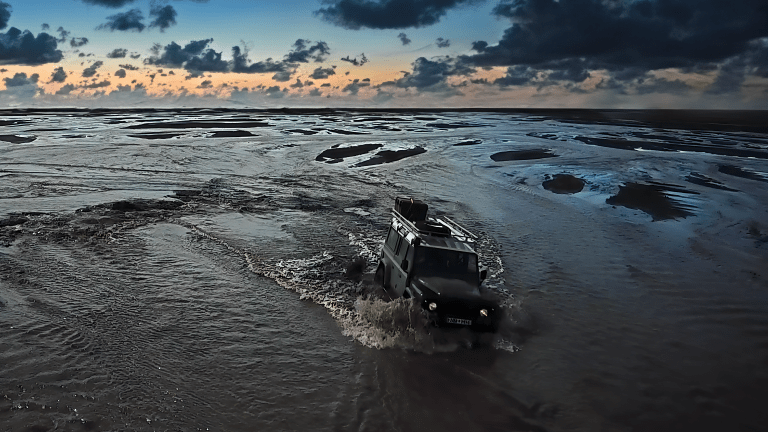
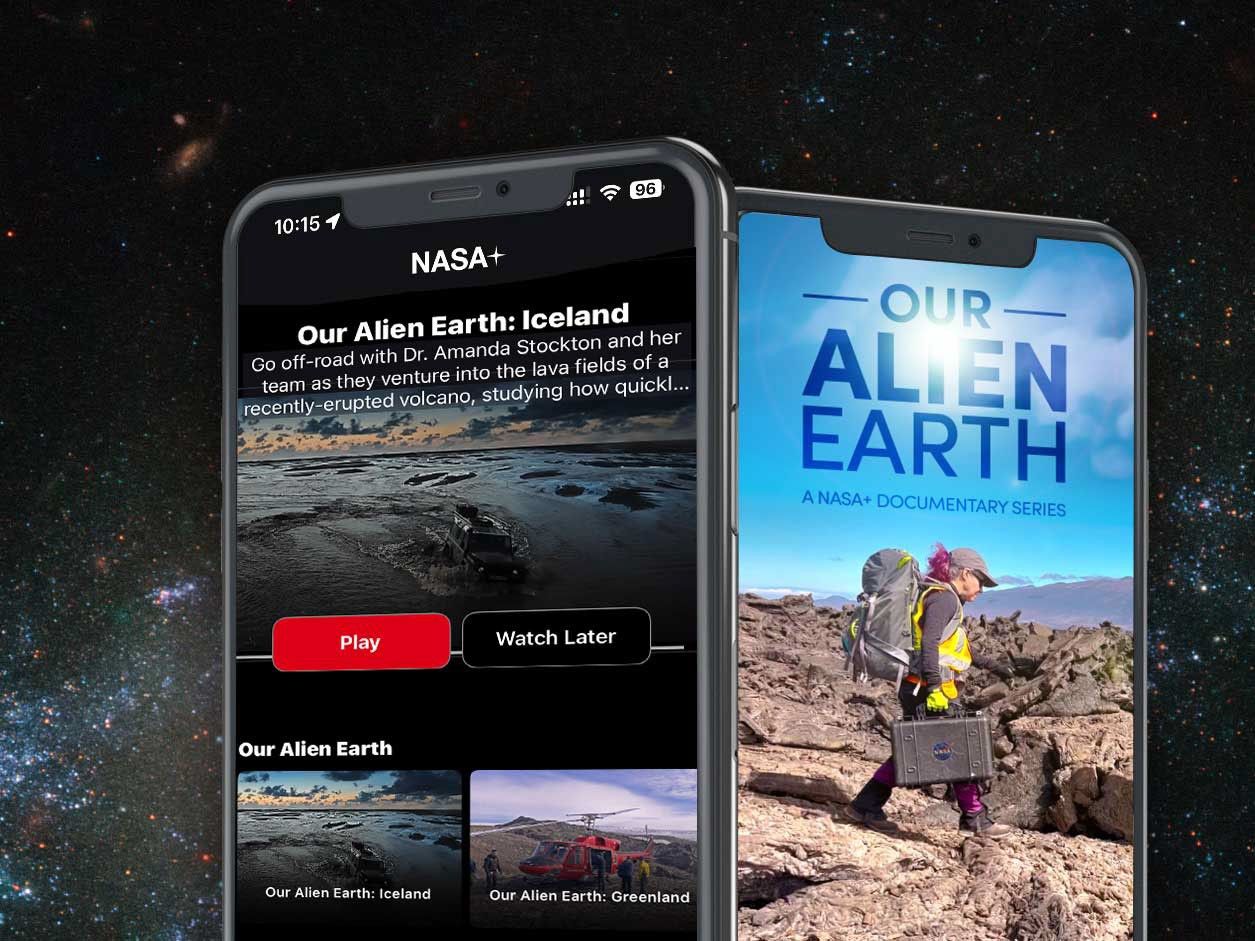
Go off-road with Dr. Amanda Stockton and her team as they venture into the lava fields of a recently-erupted volcano, studying how quickly microbial life on Earth recovers from such a catastrophic event. Follow the expedition team as they use drones to map the field site, take samples of volcanic rock, and perform laboratory analyses; all mimicking the same exploration and science performed by the Mars Curiosity and Perseverance rovers.
Episode 4: The Lava Tubes of Mauna Loa, Hawai’i
Explore beneath the volcanoes of Hawai’i with four teams of NASA astrobiologists as they investigate how life might survive in the subsurface of other worlds. Inside cavernous lava tubes, these scientists search for microbial life in volcanic rock, analyze subsurface gases, and build an augmented reality model of the field site—all to help advance NASA’s future exploration of Mars and beyond.
Watch Now on NASA+Meet the Director
Mike Toillion
NASA Astrobiology
Since joining NASA in 2012, Mike has been an astrobiology science communicator and storyteller about NASA's search for life on other worlds. He has created documentaries for NASA+, the Mars Exploration Program, and the NASA Astrobiology Program, including Our Alien Earth, The Australian Outback & the Search for Life, and the live web talk show, Ask an Astrobiologist.
Mike received a News & Documentary Emmy Award for Outstanding Live News Special for his cinematography work in The 2024 Total Solar Eclipse: Through the Eyes of NASA.
FAQ
-
01
What can exploring Earth tell us about exploring other planets?
In order to better understand planetary environments beyond Earth, NASA scientists explore analog environments, places with similar conditions and qualities to other worlds in the universe. For those looking for life on Mars, lava flows in Iceland or cold-climate sand dunes in Alaska might be good locations for research. Others looking for life on ocean worlds, like Europa, may take to the deep sea to research hydrothermal vents.
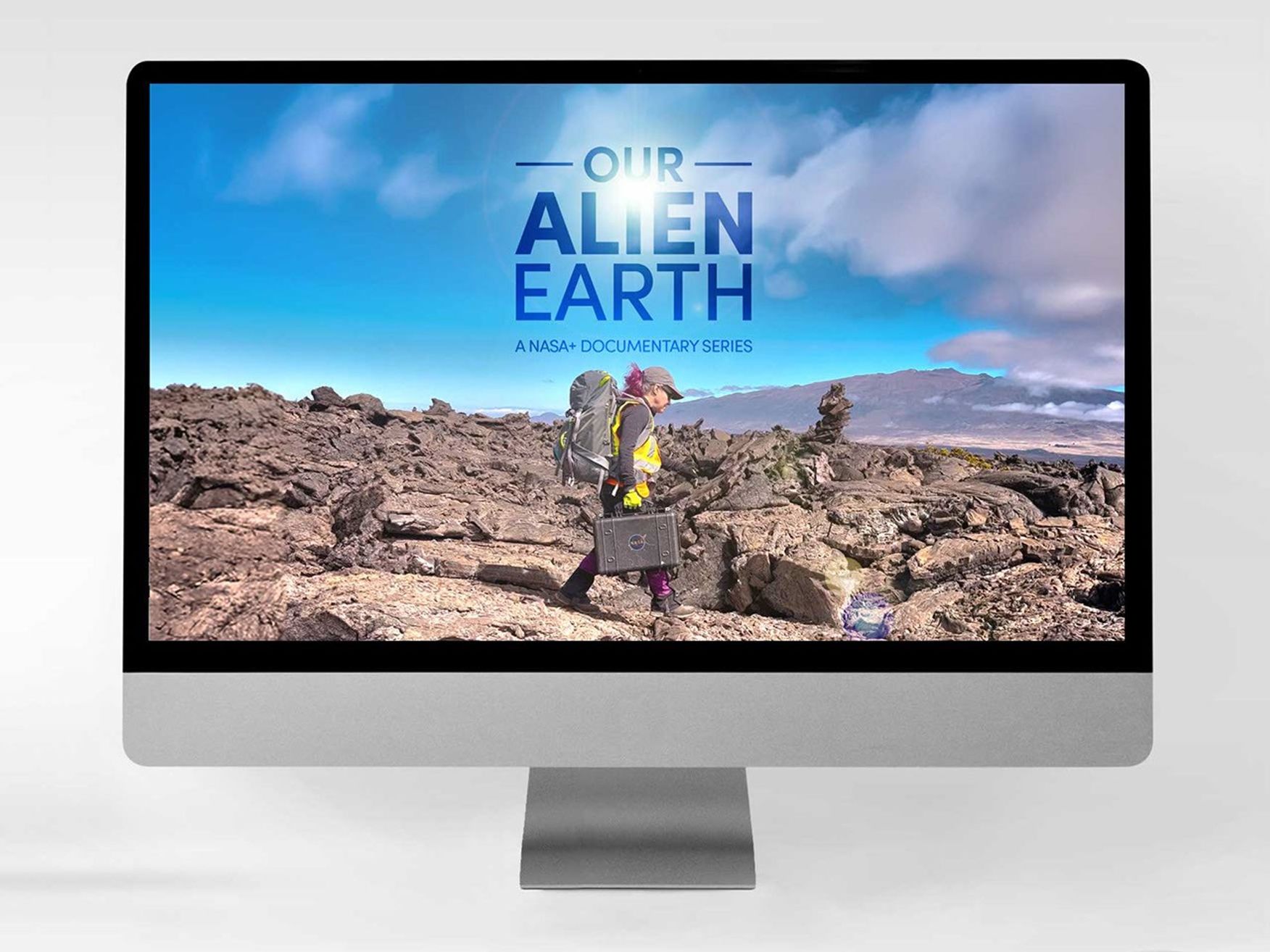
Our Alien Earth takes you along for the ride in planetary analog field expeditions just like these, to show how extreme environments on Earth can teach us a lot about other worlds in our solar system and beyond.
For more information, please visit https://science.nasa.gov/solar-system/planetary-analogs/ -
02
What is astrobiology?
Astrobiology is the study of the origin, evolution, and distribution of life in the universe.
NASA’s Astrobiology Program investigates life in the universe on many levels: how it began, how it evolved here on Earth, and where it might exist elsewhere. One of its many research endeavors is supporting field research of planetary analog environments and instrument development, all of which informs and contributes to NASA's missions to explore worlds beyond Earth.
For more information about astrobiology at NASA, please visit https://science.nasa.gov/astrobiology/