
























ODYSSEY: NASA Analyzing Bacteria in Space, Simulated Microgravity
Principal Investigator:
- Camilla Urbaniak, Voyager Technologies at NASA’s Jet Propulsion Laboratory
Overview:
The ODYSSEY investigation examines how bacteria behave in microgravity. Researchers will study two bacterial species to see how spaceflight affects their growth, their ability to form biofilms, and their capacity to exchange genetic material. These experiments could aid in the success of future missions and inform innovative approaches to curb the spread of infections in hospitals on Earth. Identical experiments will be run aboard the International Space Station and in microgravity simulators on Earth so scientists can compare results and determine whether certain types of ground-based simulators accurately replicate conditions in space.
Science objectives:
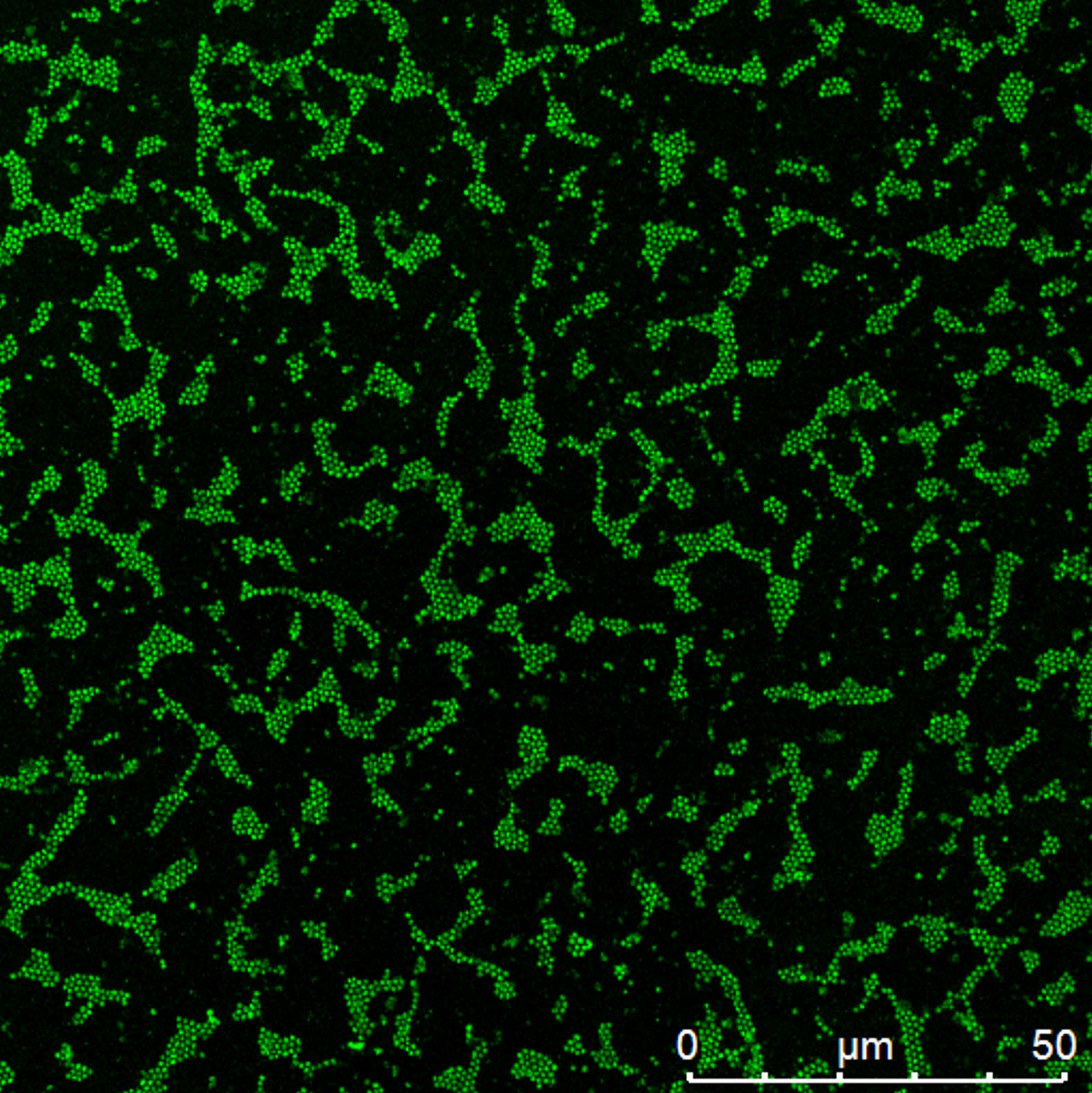
- Examine how bacteria form biofilms — collections of cells that stick together on surfaces and can promote infection or damage to spacecraft water systems — in space and simulated microgravity
- Compare how readily bacteria exchange genetic material, such as antibiotic resistance genes, in spaceflight versus in Earth-based simulators
- Validate whether ground-based microgravity simulators accurately replicate spaceflight conditions for bacterial research
Potential Earth applications:
- Could expand opportunities for microgravity research on Earth using simulators
- May inform strategies for controlling biofilm formation in healthcare settings and harsh environments
- Could contribute to understanding how bacteria develop antimicrobial resistance through gene transfer
Potential space applications:
- Could help prevent biofilm damage to spacecraft water systems and equipment on long-duration missions
- May inform protocols for monitoring and controlling bacterial growth aboard the space station and future spacecraft
- Might help develop methods to prevent and treat spaceflight-induced illnesses on long-duration space missions
Biological & Physical Sciences Division
-
NASA’s Biological and Physical Sciences Division pioneers scientific discovery and enables exploration by using space environments to conduct investigations not possible on Earth. Studying biological and physical phenomena under extreme conditions allows researchers to advance the fundamental scientific knowledge required to go farther and stay longer in space, while also benefitting life on Earth.