























What’s Next for Artemis II AVATARs
Scientists Begin Analyzing Artemis II AVATAR Chips
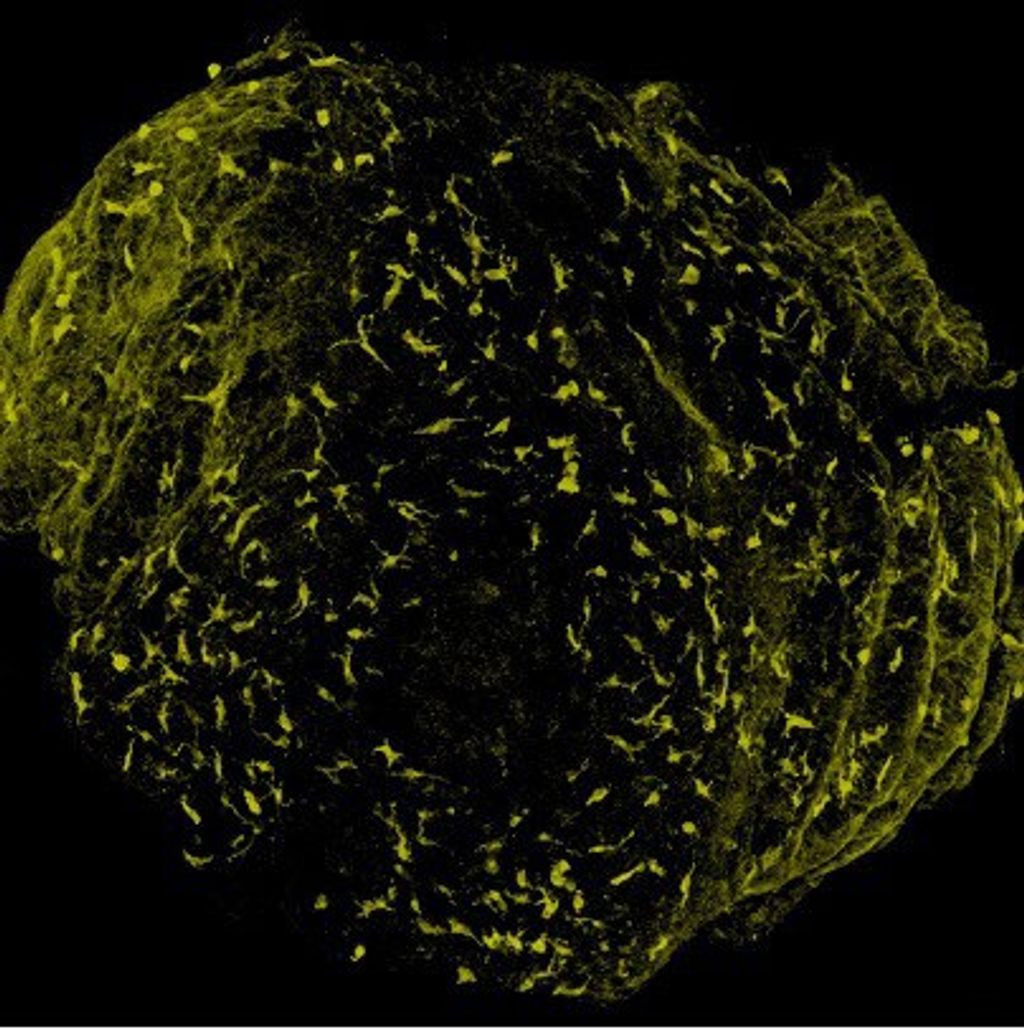
Organ chips from Artemis II's AVATAR investigation have arrived at the laboratory at Emulate, Inc. in Boston, Massachusetts for analysis. The AVATAR (A Virtual Astronaut Tissue Analog Response) investigation uses personalized organ chips made from each astronaut's own cells to study the impacts of space radiation and microgravity on human health.
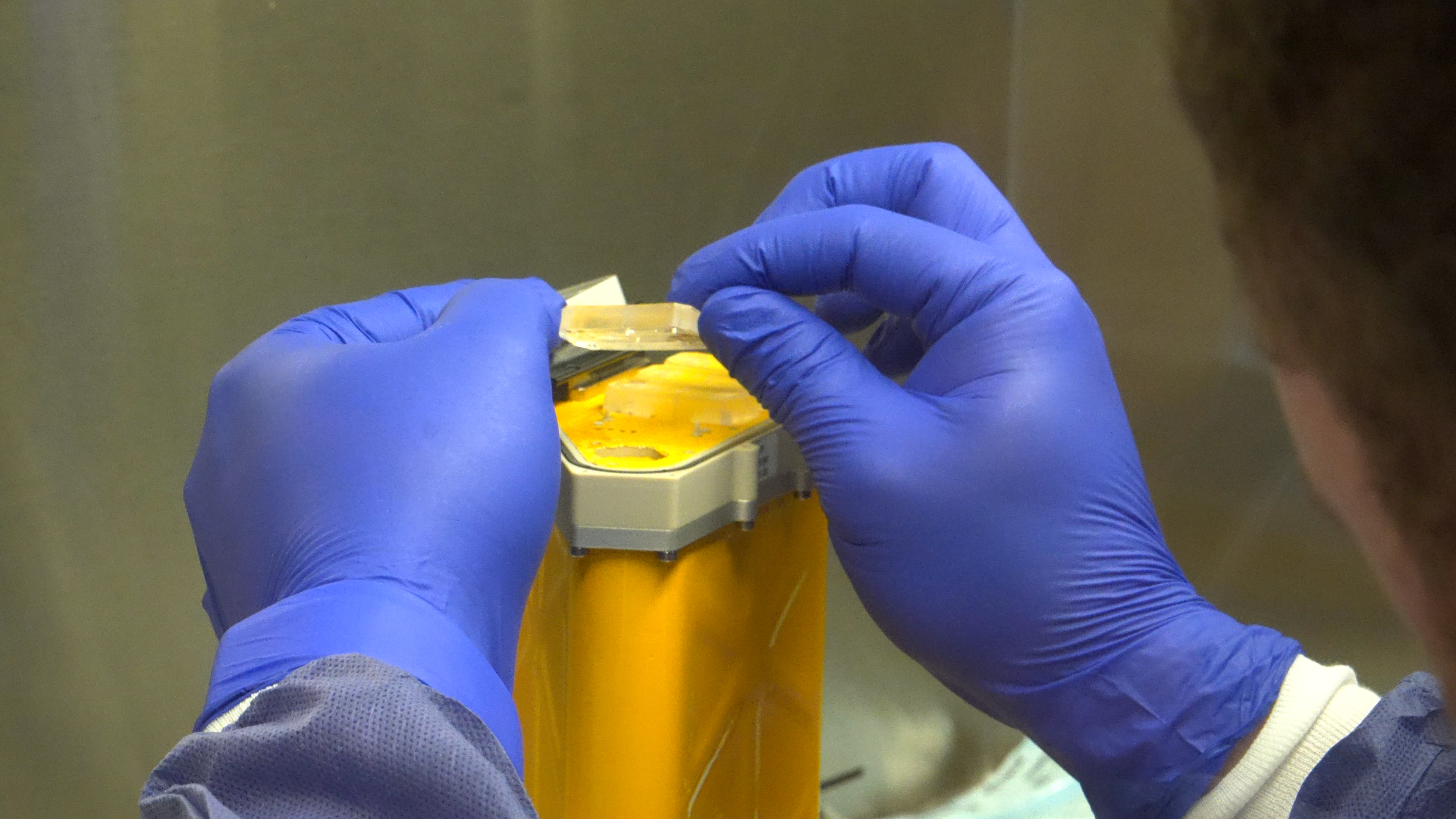
The chips took a carefully coordinated journey to reach the lab. After Artemis II returned to Earth, the AVATAR hardware and organ chips were first transported to the Naval Health Research Center in San Diego, California, where scientists prepared the chips for transport to the laboratory.
When the chips arrived at Emulate, scientists began analyzing the cellular and molecular changes that occurred in each crew member's bone marrow organ chip during exposure to deep space conditions. They will compare this data to ground control chips that stayed on Earth, as well as to pre- and post-flight blood samples from the astronauts.
Based on prior spaceflight research, scientists expect to see radiation damage due to the deep space environment. The team is also using advanced scientific techniques, including single-cell RNA sequencing, to potentially find unexpected changes. By comparing the differences in the organ chips to changes identified in astronaut blood samples using similar techniques, researchers will characterize how the organ chips model individual crew responses to spaceflight.
Analysis will take time as scientists work through complex datasets and validate their findings before publishing in peer-reviewed journals. The team plans to share preliminary findings at conferences and scientific talks as the analysis progresses, giving other researchers early insights that could inform future missions and medical research.
"This first-of-its-kind experiment that traveled to the Moon and back to Earth will help us study how each crew member individually responds to the extreme conditions in space," said Lisa Carnell, Director of NASA's Biological and Physical Sciences Division. "Organ chips could be a game changer for NASA, enabling us to send future crew members' avatars ahead of them on deep space journeys, so NASA could develop personalized medical kits for each astronaut."
The AVATAR investigation is a demonstration of the power of collaboration between government, industry, and academia. Government partners included NASA's Biological and Physical Sciences Division, NASA’s Human Research Program, the Biomedical Advanced Research and Development Authority and the National Center for Advancing Translational Sciences, part of the National Institutes of Health. The commercial and academic partners include organ chip manufacturer Emulate, Harvard's Wyss Institute, and Space Tango, the company that built the custom hardware for AVATAR.
Biological & Physical Sciences Division
-
NASA’s Biological and Physical Sciences Division pioneers scientific discovery and enables exploration by using space environments to conduct investigations not possible on Earth. Studying biological and physical phenomena under extreme conditions allows researchers to advance the fundamental scientific knowledge required to go farther and stay longer in space, while also benefitting life on Earth.