














Suggested Searches

This content has been archived.

CYGNSS (Cyclone Global Navigation Satellite System)

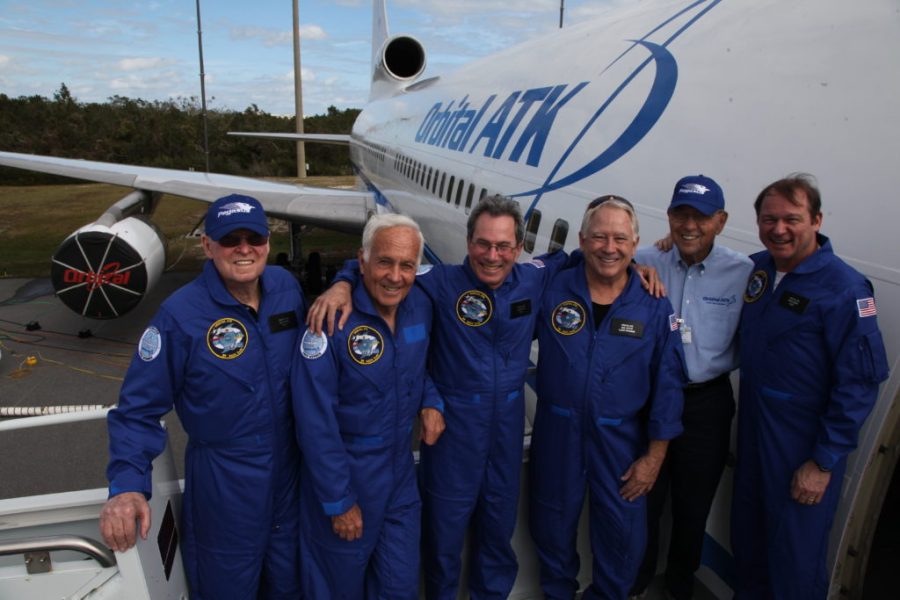
    Meet the L-1011 Flight Crew

    The Orbital ATK Stargazer L-1011 flight crew.

    Here are the pilots and flight engineers charged with delivering the Orbital ATK Pegasus XL rocket to its drop point 39,000 feet above the Atlantic Ocean. From left to right are pilots Ebb Harris and Bob Gordon, chief pilot Don Walter, flight engineer Bob Taylor, ret. Chief pilot Bill Weaver, and flight engineer Mark Kenny.

    Read Full Post

    New Launch Time: 8:40 a.m. EST

    Launch managers now are targeting the drop and launch of the Orbital ATK Pegasus XL rocket with NASA's CYGNSS spacecraft for 8:40 a.m. EST. The L-1011's anticipated departure time is now 7:37 a.m., allowing time for the pilot to navigate around some precipitation on the way to the drop point. This adjusted timeline keeps NASA …

    Read Full Post

    Fog Situation Beginning to Improve

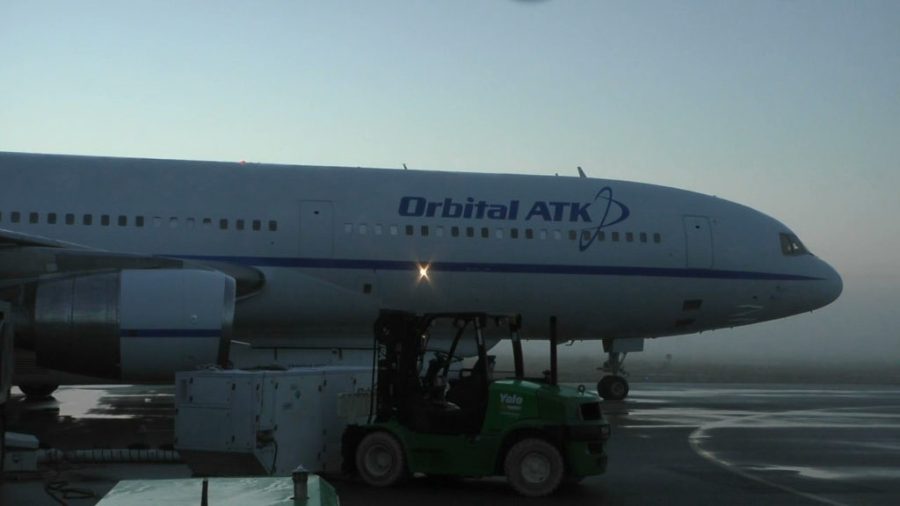
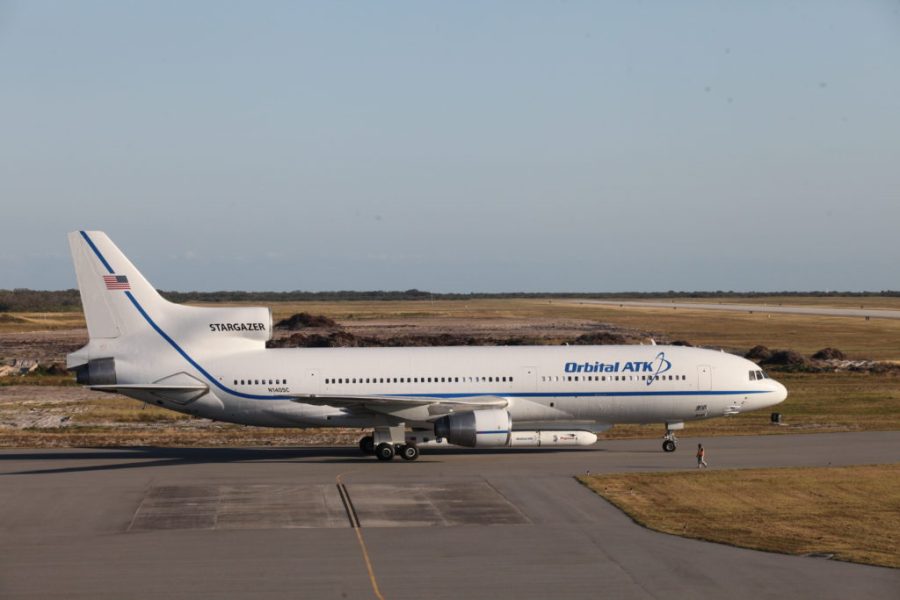
    Stargazer aircraft on runway

    Now that the sun has risen, the fog already has lifted to a half-mile of visibility at the Skid Strip runway at Cape Canaveral Air Force Station and in other areas has improved a bit beyond that, according to NASA Launch Commentator George Diller. The L-1011's engines are being powered on and we're standing by …

    Read Full Post

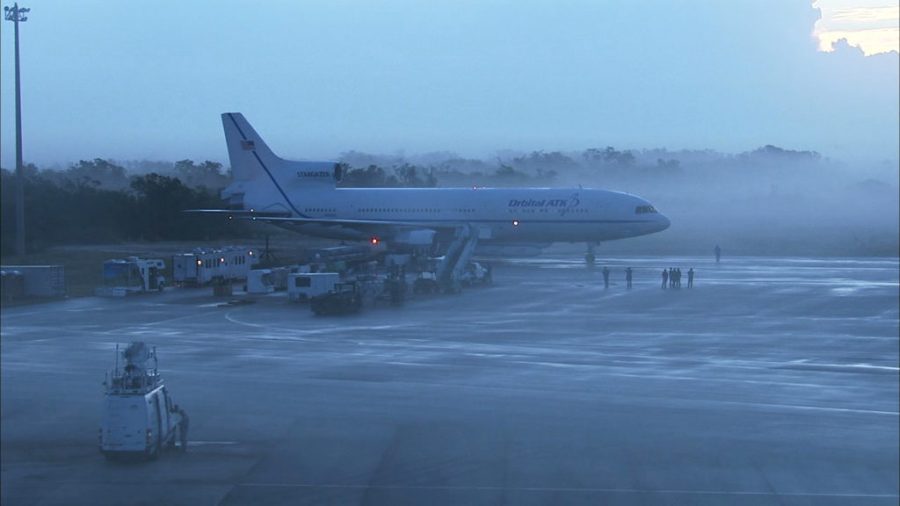
    Ground Fog May Delay Takeoff

    Fog is visible in this image of the L-1011 aircraft. Credit: NASA Television

    At the Skid Strip runway at Cape Canaveral Air Force Station in Florida, the Stargazer aircraft and a NASA F-18 chase plane provided by the agency's Armstrong Flight Research Center in California are preparing for takeoff. Due to heavy fog in the area, discussions are on the way among launch managers and Launch Weather Officer Mike …

    Read Full Post

    CYGNSS Launch Coverage Starts Here at 6:30 a.m. EST

    NASA's CYGNSS mission is set to begin with launch aboard an Orbital ATK Pegasus XL rocket this morning. Updates from the countdown will begin right here at 6:30 a.m. and on NASA Television at 7 a.m. The Pegasus XL rocket is an air-launched vehicle that begins its flight after it is dropped from Orbital ATK's …

    Read Full Post

    Forecast Improves to 60 Percent ‘Go’

    The L-1 Day forecast from the U.S. Air Force 45th Weather Squadron has improved to a 60 percent chance of favorable weather for the launch of NASA's CYGNSS mission spacecraft. Launch is scheduled for 8:24 a.m. EST Monday during the one-hour window, which opens at 8:19 a.m. CYGNSS will take off aboard an Orbital Sciences …

    Read Full Post

    A Day of CYGNSS Activities

    It is L-2 days here in Florida for NASA's CYGNSS mission and there are several events scheduled that can be seen on social media and NASA TV this afternoon. We've also released a pair of launch preview videos which you can see at the bottom or on Kennedy's YouTube page. The CYGNSS mission is to …

    Read Full Post

    The Winged Pegasus: An Unusual Launch Experience

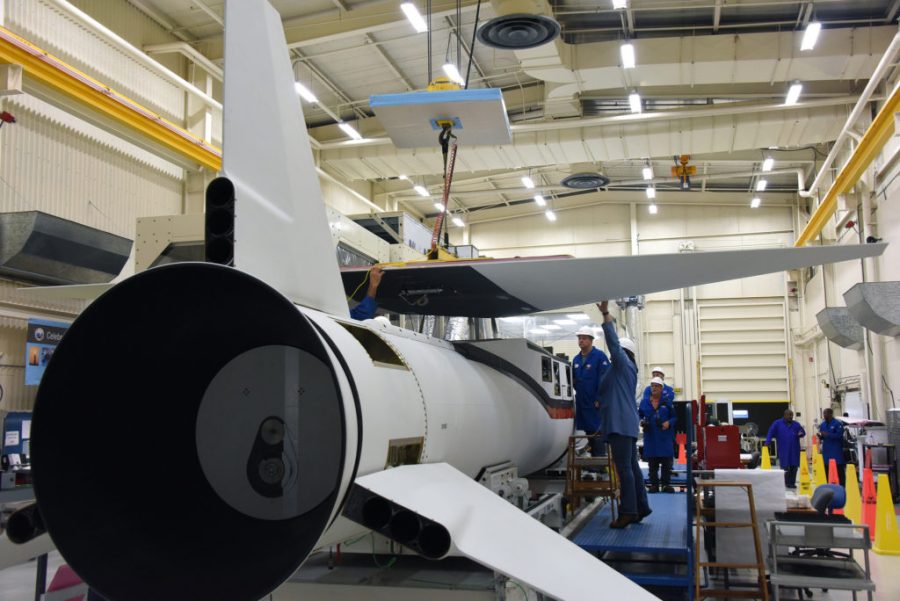
    Technicians and engineers perform final wing installations on the Orbital ATK Pegasus XL rocket which will launch eight NASA Cyclone Global Navigation Satellite System, or CYGNSS, spacecraft.

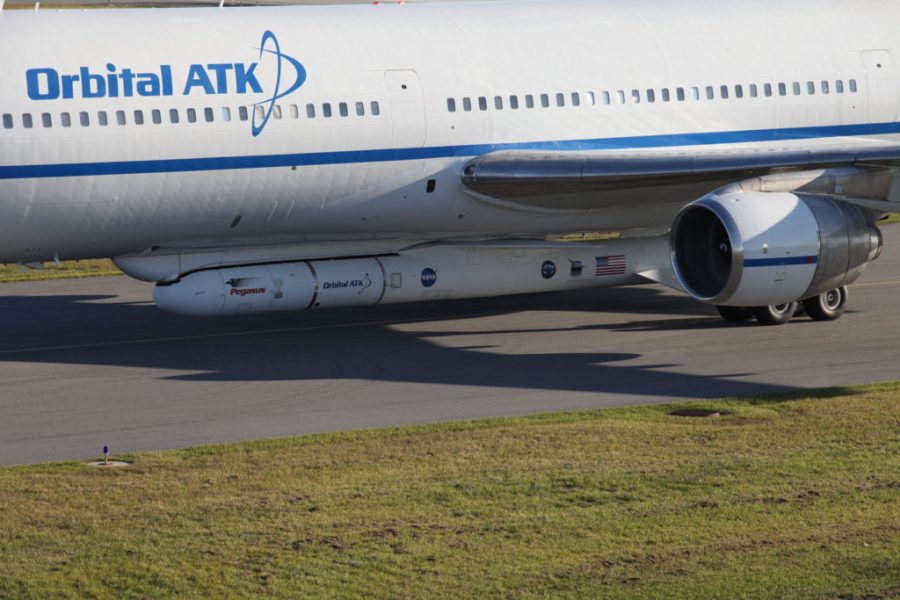
    Orbital ATK's Pegasus rocket gets its payloads into space just like a conventional rocket, but instead of lifting off from the ground, the Pegasus starts its trip already in the air. That's because a modified L-1011 airliner carries the Pegasus and its payload – CYGNSS in this case – to about 39,000 feet. Pegasus begins …

    Read Full Post