



















In mid-September 2012, the National Snow and Ice Data Center (NSIDC) announced that Arctic sea ice had reached a new record minimum — 3.41 million square kilometers (1.32 million square miles). The previous record low came in September 2007 at 4.17 million square kilometers (1.61 million square miles). The 1979–2000 average minimum ice extent was […]
Earth Indicator: 3.41 million (A new record low for sea ice)
On September 16, 2012, the extent of sea ice in the Arctic Ocean dropped to 3.41 million square kilometers (1.32 million square miles). The National Snow and Ice Data Center (NSIDC) issued a preliminary announcement on September 19 noting that it was likely the minimum extent for the year and the lowest extent observed in […]
Tracking Sea Ice at the Top of the Globe
In the summer of 2012, Arctic sea ice has broken the previous record for minimum extent (set in 2007), fallen below 4 million square kilometers, and, as of September 17, dropped below 3.5 million square kilometers in extent. Multiple studies indicate that the Arctic will eventually lose its sea ice during the summers of the future. […]
Discovering Hot Towers
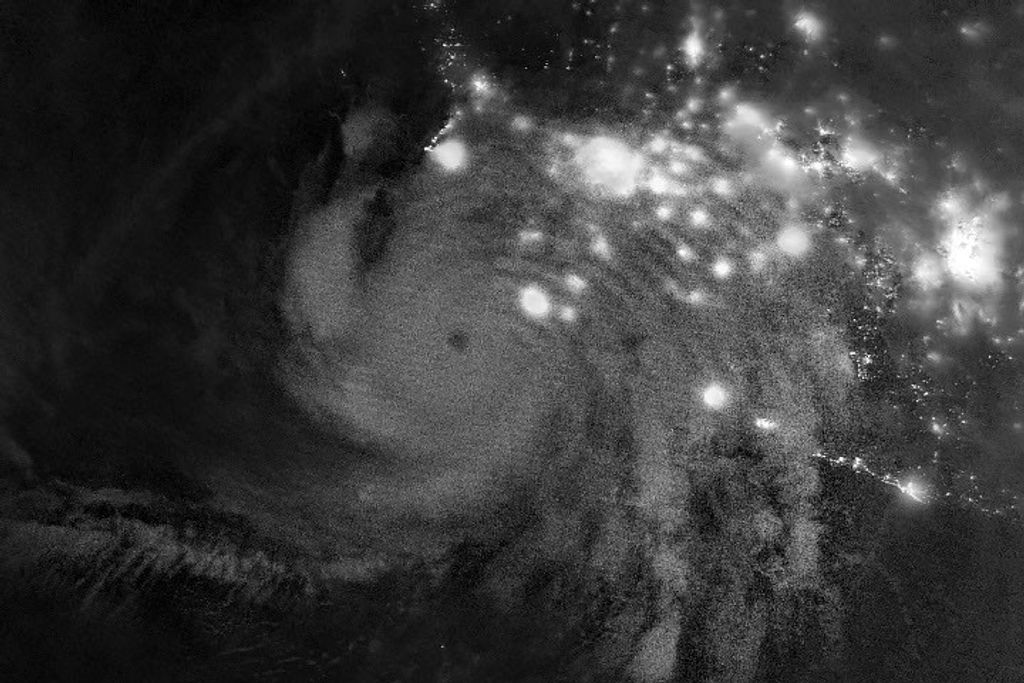
Two hours before Hurricane Isaac made landfall, a satellite orbiting hundreds of miles above the storm used a radar instrument to map the storm’s inner structure. The instrument on the Tropical Rainfall Measuring Mission (TRMM) observed two extremely tall complexes of rain clouds called hot towers in the eyewall, a sign that Isaac was trying to strengthen. The towering clouds […]
September puzzler
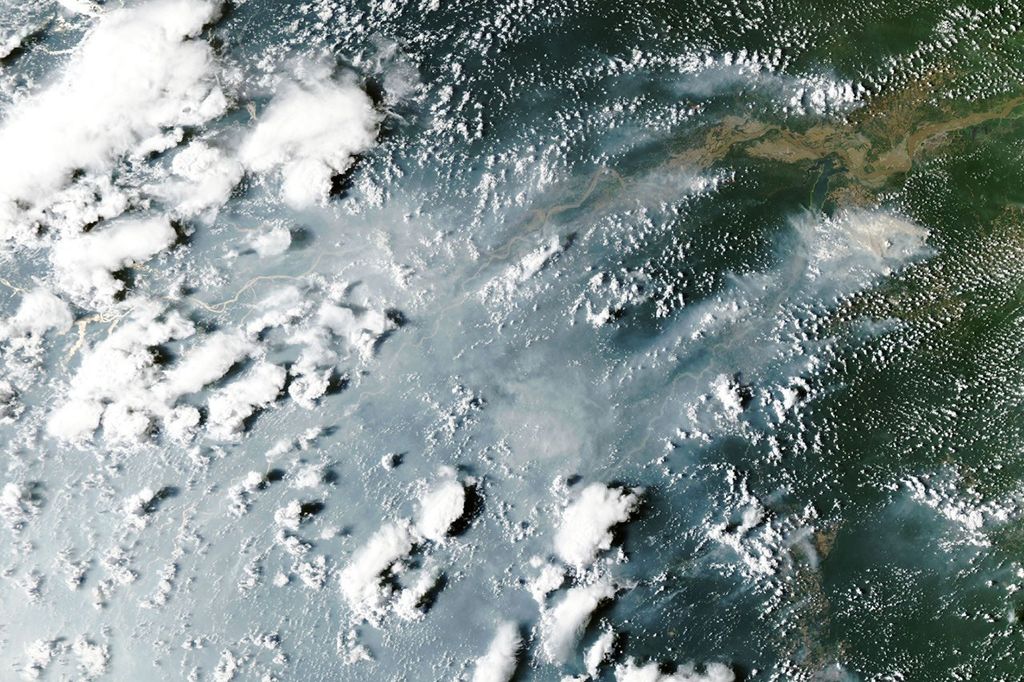
Every month, NASA Earth Observatory will offer up a puzzling satellite image here on Earth Matters. The fourth puzzler is above. Your challenge is to use the comments section below to tell us what part of the world we’re looking at, when the image was acquired, and what’s happening in the scene. How to answer. […]
Another kind of image of the day
Every day we bring you a different view of Earth, as only NASA can see it…from high above, and usually from space. One of our colleagues has also been working since 2000 to bring you breathtaking views of Earth…albeit, from a perspective that’s a bit closer to the ground. Together with a few professional helpers […]