

















October Puzzler Answer: Salt Glaciers in Xinjiang
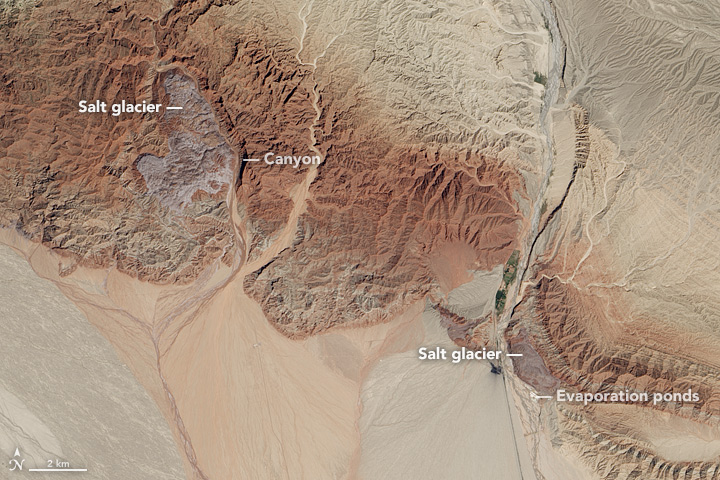
Congratulations to Shadab Raza, a geologist with Oil and Natural Gas Corporation Limited, for being the first reader to decipher the location of our October Puzzler, Xinjiang in western China. Jonathan Aul followed up later in the day with the exact coordinates. “Roughly 41.6 N, 80.7 E, approximately 10-15 km south of Bozidunxiang, Wensu, Aksu, Xinjiang Province, China.”
In researching the area, I become most interested in the distinctive salt glaciers, though Raza pointed out something that I completely missed: there appears to be a coal mine just to the west of one of the salt glaciers. I am not sure if it is the same mine shown in our image, but Raza also noted that an Aksu coal mine has been in the news recently.
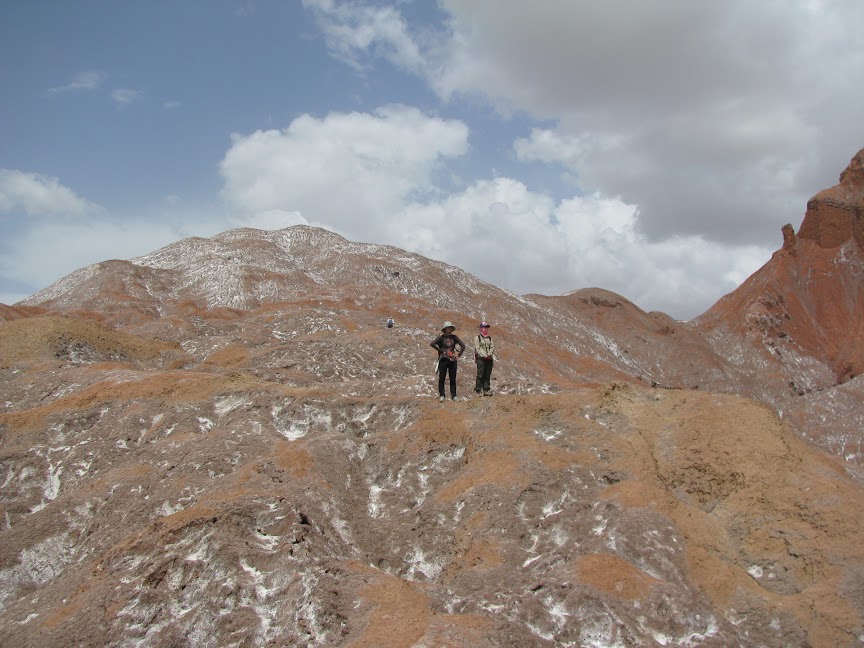
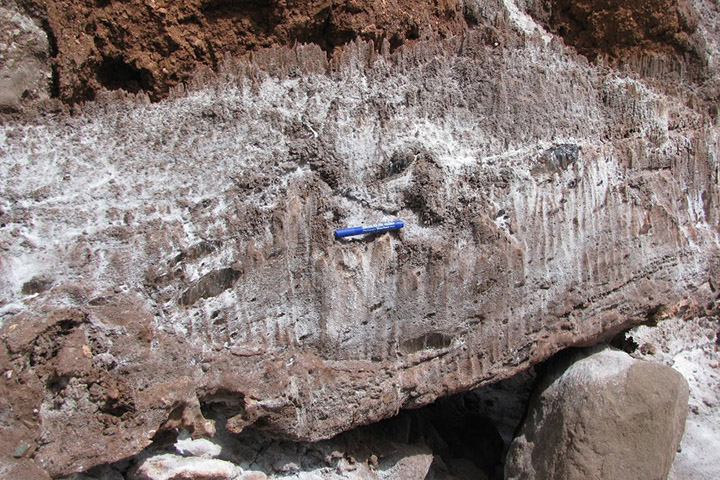
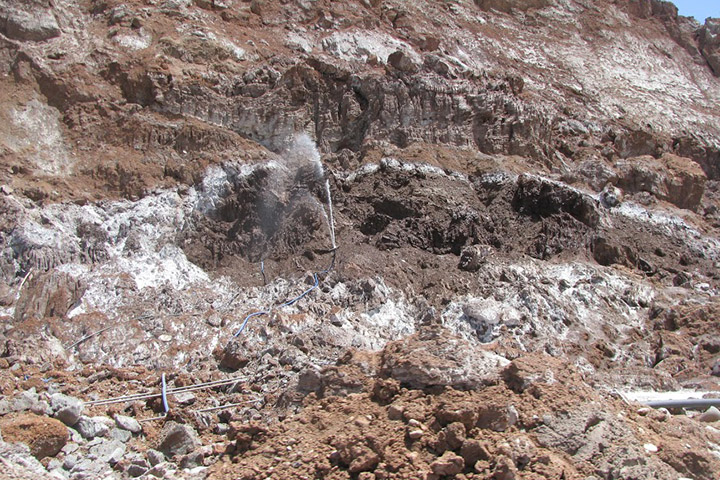
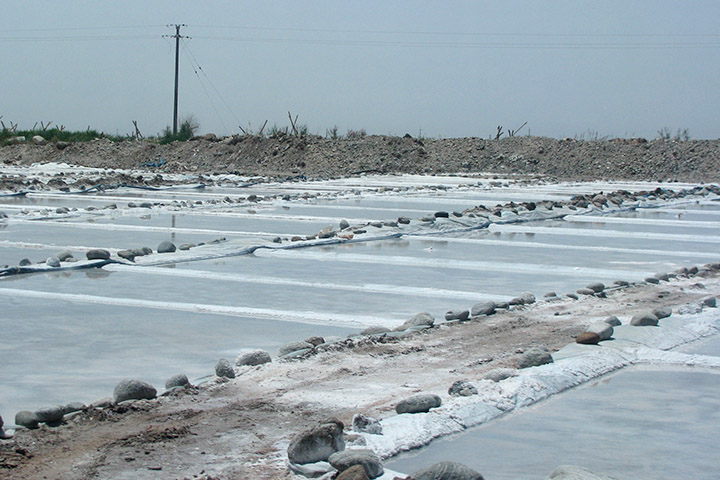
If you are interested in learning more about salt glaciers, read our October 25 Image of the Day and click through the references for more information. University of Leeds geologist Alex Webb was kind enough to share several photographs of the salt glaciers that he took during a research trip. I have posted a few of them below with his commentary.