








Suggested Searches

ICON (Ionospheric Connection Explorer)

    Launch Week Arrives for ICON

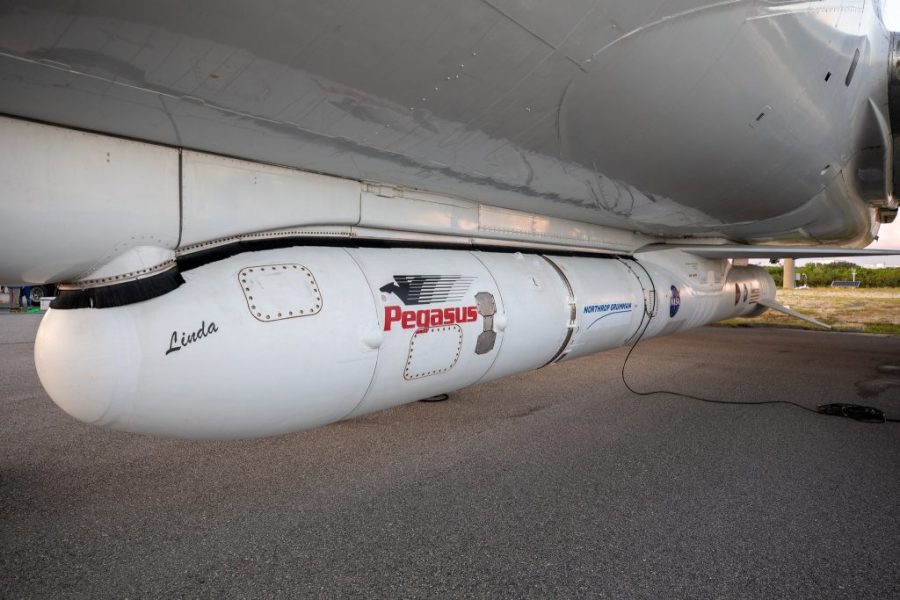
    The Northrop Grumman Pegasus XL rocket, carrying NASA's Ionospheric Connection Explorer (ICON), has arrived at the Skid Strip at Cape Canaveral Air Force Station in Florida on Oct. 1, 2019.

    NASA's Ionospheric Connection Explorer – or ICON – satellite is scheduled to launch Wednesday, Oct. 9, from Cape Canaveral Air Force Station in Florida. ICON will be air-launched from a Northrop Grumman Pegasus XL rocket, carried by the company's L-1011 aircraft, Stargazer. Launch is currently scheduled for 9:30 p.m. EDT. Weather officials from the U.S. …

    Read Full Post

    ICON Launch Now Targeted for Oct. 9

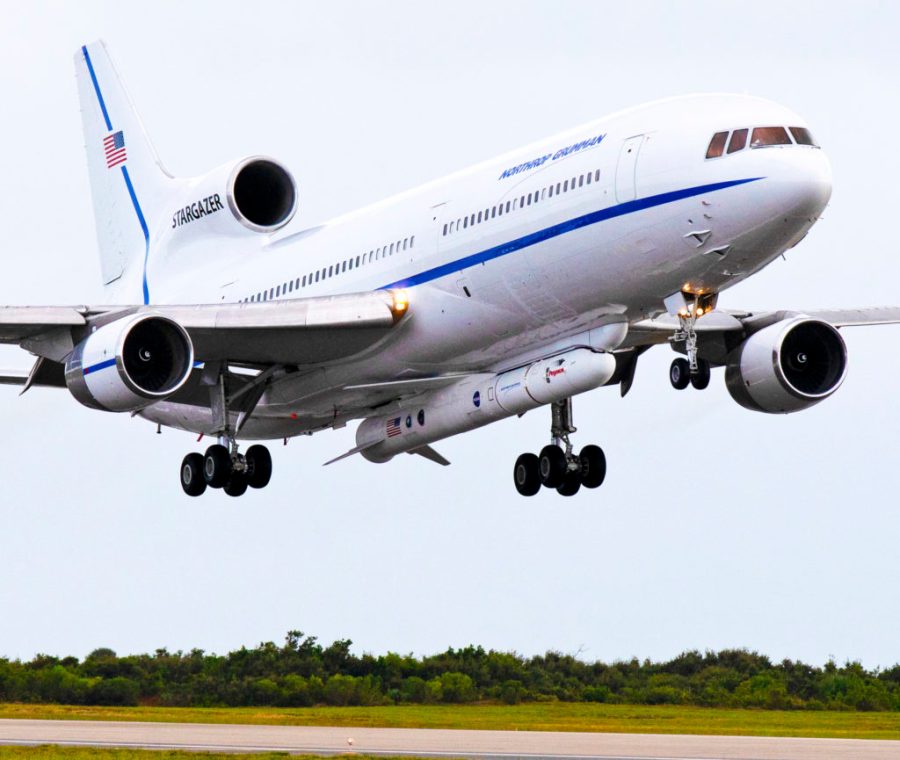
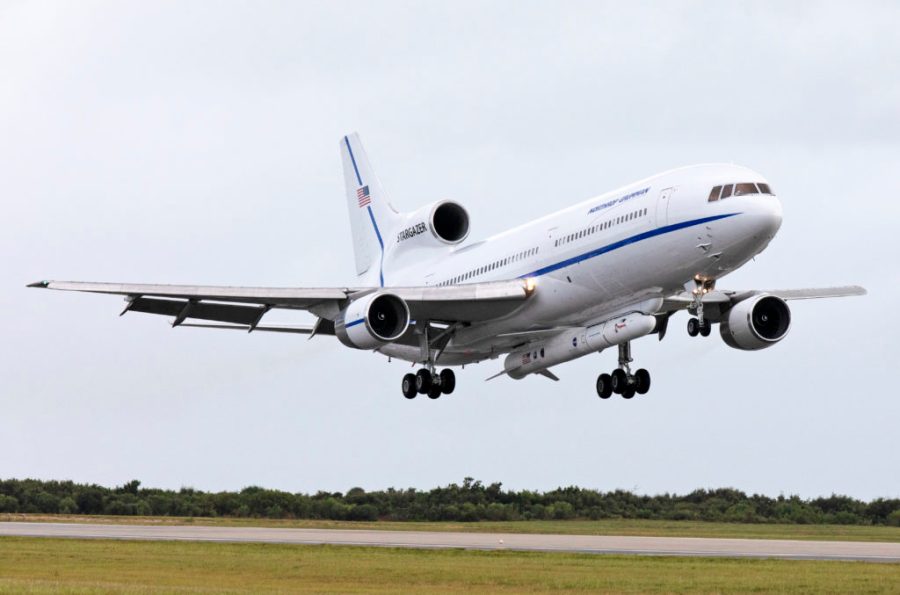
    The Northrop Grumman L-1011 Stargazer aircraft lands on Oct. 19, 2018 at the Skid Strip at Cape Canaveral Air Force Station. A Pegasus XL rocket is attached to the underside of the aircraft with NASA's Ionospheric Connection Explorer, or ICON, satellite. Photo credit: NASA/Kim Shiflett

    NASA and Northrop Grumman coordinated with the U.S. Air Force Eastern Range for an earlier launch date for the agency's Ionospheric Connection Explorer, or ICON, spacecraft from Cape Canaveral Air Force Station in Florida. ICON is now targeted for launch on Oct. 9, 2019, aboard a Northrop Grumman Pegasus XL rocket carried by the company's …

    Read Full Post

    ICON Launch Targeted for Oct. 10

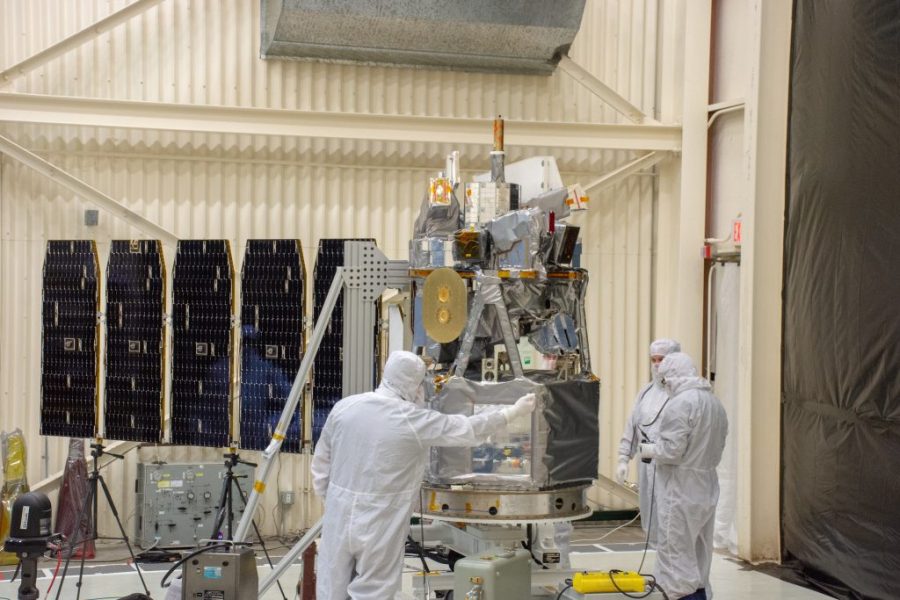
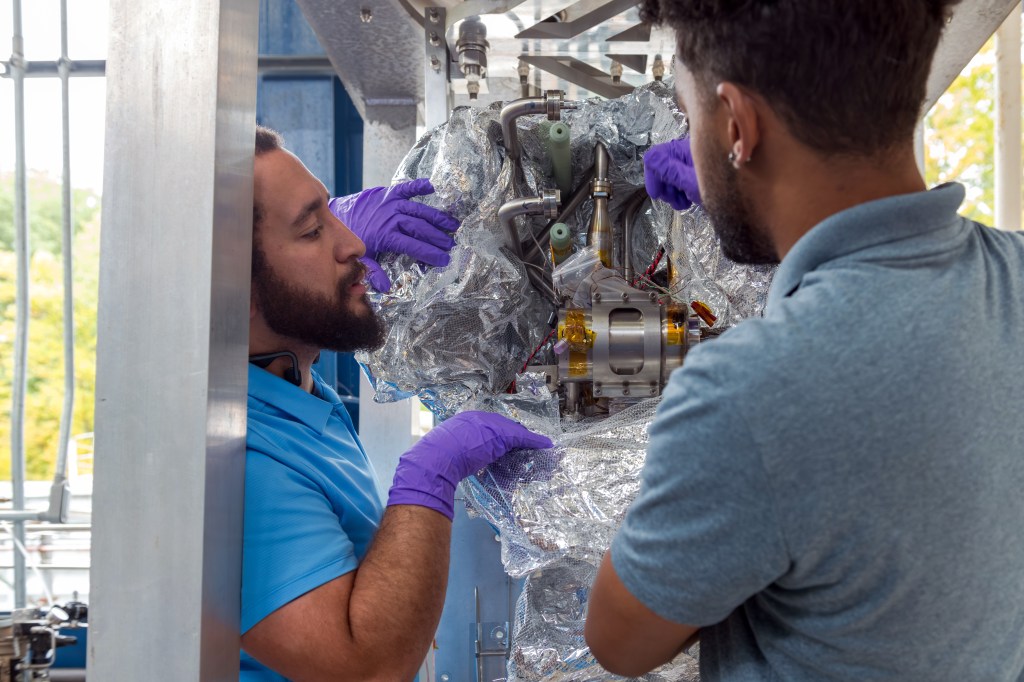
    Technicians extend the solar array on NASA's Ionospheric Connection Explorer (ICON) during a deployment test inside Building 1555 at Vandenberg Air Force Base in California on Aug. 10, 2019.

    NASA and Northrop Grumman currently are preparing the agency's Ionospheric Connection Explorer, or ICON, spacecraft and the Pegasus XL rocket at Vandenberg Air Force Base in California for ferry to the Cape Canaveral Air Force Station in Florida by the L-1011 Stargazer aircraft on Oct. 1, 2019. The launch has been rescheduled to Oct. 10, …

    Read Full Post

    NASA’s ICON Analysis Underway at Vandenberg AFB

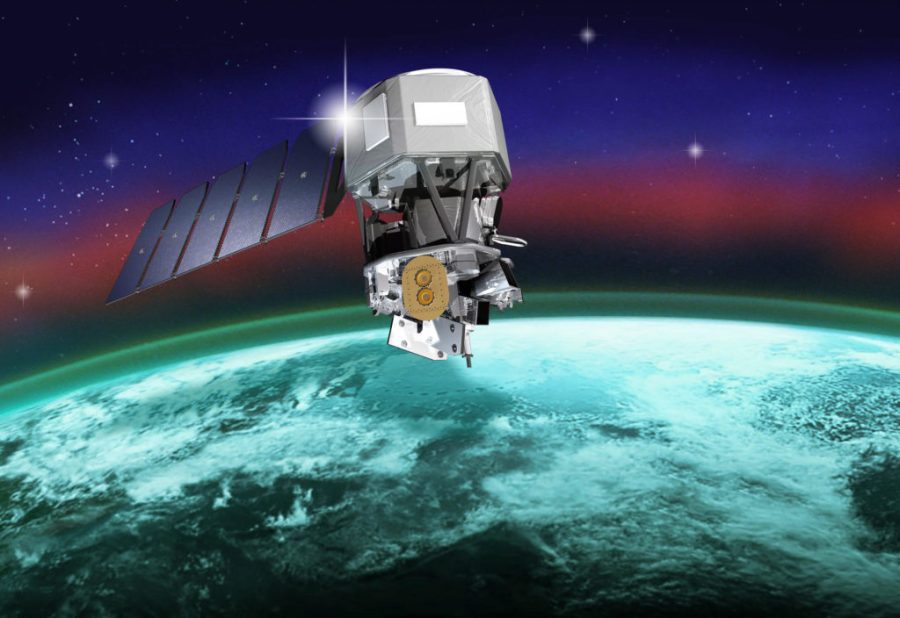
    This illustration depicts NASA's Ionospheric Connection Explorer, or ICON, satellite that will study the frontier of space: the dynamic zone high in our atmosphere where terrestrial weather from below meets space weather from above. Photo credit: NASA

    On Monday, Nov. 19, Northrop Grumman flew the L-1011 Stargazer and Pegasus XL rocket carrying NASA's Ionospheric Connection Explorer, or ICON, spacecraft back to Vandenberg Air Force Base in California. On Nov. 20, Northrop Grumman completed the de-mate of Pegasus from the L-1011 and transported the rocket safely into the integration facility. The Northrop Grumman/NASA …

    Read Full Post

    ICON to Return to Vandenberg AFB for Further Analysis

    This illustration depicts NASA's Ionospheric Connection Explorer, or ICON, satellite that will study the frontier of space: the dynamic zone high in our atmosphere where terrestrial weather from below meets space weather from above. Photo credit: NASA

    NASA and Northrop Grumman have made the decision to fly the L-1011 Stargazer and Pegasus XL rocket carrying NASA's Ionospheric Connection Explorer, or ICON, spacecraft back to its integration facility at Vandenberg Air Force Base in California. The ferry flight will take place early next week. Returning to the environmentally-controlled integration facility allows the team …

    Read Full Post

    ICON Launch Update

    This illustration depicts NASA's Ionospheric Connection Explorer, or ICON, satellite that will study the frontier of space: the dynamic zone high in our atmosphere where terrestrial weather from below meets space weather from above. Photo credit: NASA

    NASA and Northrop Grumman are continuing to investigate the off-nominal data observed during the Pegasus XL rocket's Nov. 7 launch attempt for the agency's Ionospheric Connection Explorer, or ICON, mission. The next launch attempt will be evaluated once the investigation is complete. The ICON spacecraft remains healthy. For updates, visit: https://www.nasa.gov/icon

    Read Full Post

    ICON Launch Update

    This illustration depicts NASA's Ionospheric Connection Explorer, or ICON, satellite that will study the frontier of space: the dynamic zone high in our atmosphere where terrestrial weather from below meets space weather from above. Photo credit: NASA

    NASA and Northrop Grumman have postponed the Nov. 7 launch attempt of NASA's Ionospheric Connection Explorer, or ICON, mission due to off-nominal data observed on the Pegasus XL rocket, during the captive carry flight. The L-1011 Stargazer carrier aircraft returned to Cape Canaveral Air Force Station in Florida and the team will begin an investigation into the issue. The ICON spacecraft …

    Read Full Post

    Stargazer Aircraft Airborne with Pegasus XL, ICON Satellite

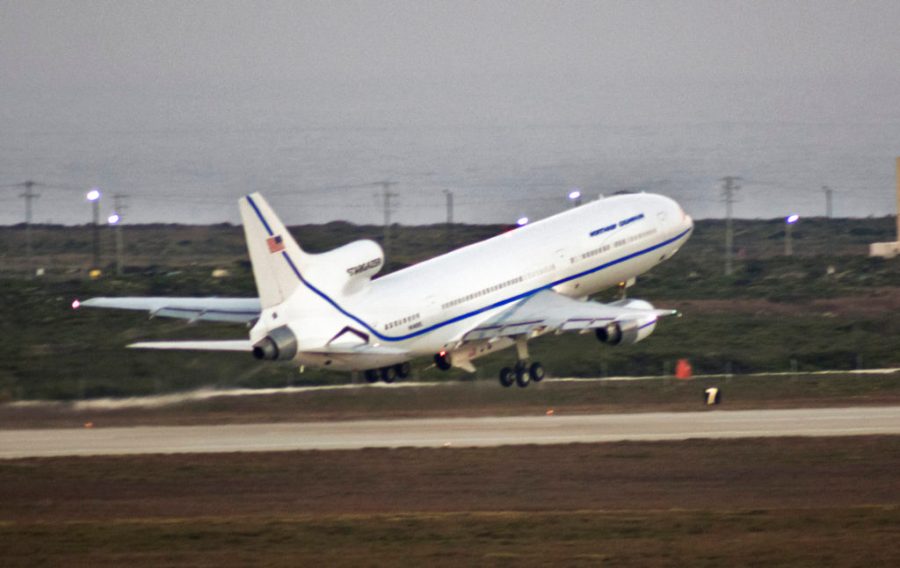
    Northrop Grumman's L-1011 Stargazer is airborne with the company's Pegasus XL rocket, containing NASA's Ionospheric Connection Explorer, or ICON, attached beneath the aircraft. Photo credit: USAF 30th Space Wing/Rod Speed

    The Northrop Grumman L-1011 Stargazer aircraft carrying a Pegasus XL Rocket with NASA's Ionospheric Connection Explorer, or ICON, satellite is airborne after taking off from the Skid Strip runway at Cape Canaveral Air Force Station in Florida. Northrop Grumman produces the Pegasus XL, a small expendable rocket that attaches beneath the Stargazer aircraft and is …

    Read Full Post

    Pegasus XL Rocket Set to Launch ICON Spacecraft

    The Northrop Grumman L-1011 Stargazer aircraft lands on Oct. 19, 2018 at the Skid Strip at Cape Canaveral Air Force Station. A Pegasus XL rocket is attached to the underside of the aircraft with NASA's Ionospheric Connection Explorer, or ICON, satellite. Photo credit: NASA/Kim Shiflett

    Good morning from NASA's Kennedy Space Center in Florida. Today we are be following preparations for the launch of a NASA spacecraft taking place over the Atlantic Ocean offshore about 50 miles from Daytona Beach in Florida. The Northrop Grumman L-1011 Stargazer aircraft is already airborne, having taken off from the Cape Canaveral Air Force …

    Read Full Post