

Less than five minutes away from SMAP spacecraft separation.
Next Milestone: SMAP Separation
Read Full Post










Less than five minutes away from SMAP spacecraft separation.
The Delta II rocket's second-stage engine reignited for its second burn, which lasted the expected 12 seconds, and shut down on time.
Controllers are beginning to see the second stage go though some maneuvers to prepare for the second stage engine's second restart. It will burn for only about 12 seconds, and at that point there will be another five-minute coast phase before SMAP separation, expected at 10:18:51 a.m. EST.
SMAP is managed for NASA's Science Mission Directorate in Washington by the Jet Propulsion Laboratory in Pasadena, California, with instrument hardware and science contributions made by NASA's Goddard Space Flight Center in Greenbelt, Maryland. JPL built the spacecraft and is responsible for project management, system engineering, radar instrumentation, mission operations and the ground data system. …

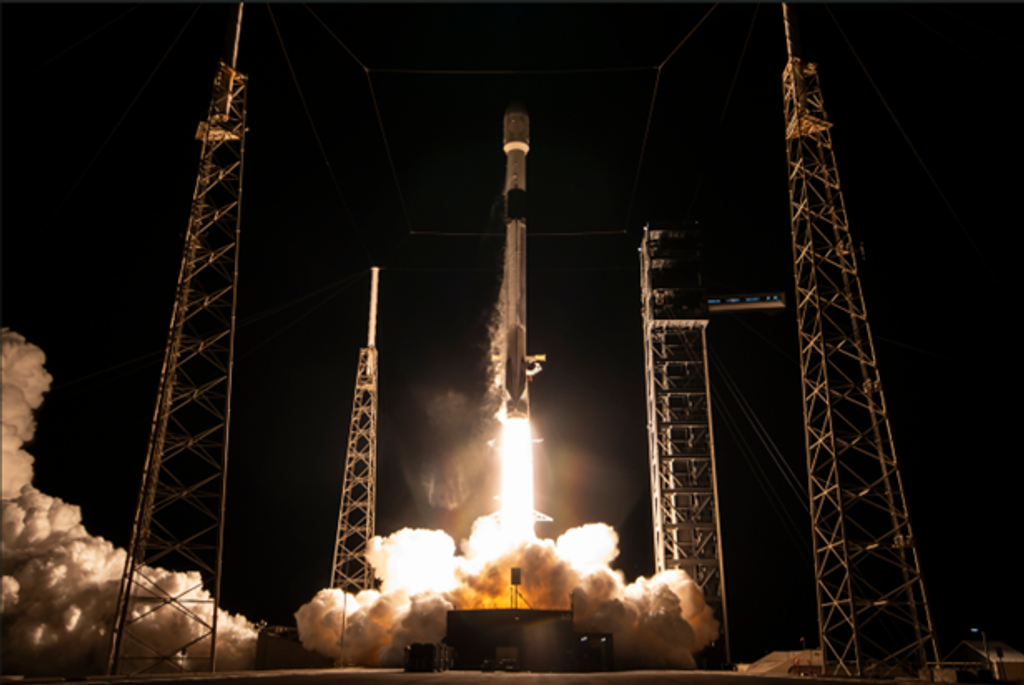
The United Launch Alliance Delta II rocket carrying NASA's Soil Moisture Active Passive observatory launches from Space Launch Complex 2 at Vandenberg Air Force Base, California at 9:22 a.m. EST on Saturday, Jan. 31, 2015. Photo credit: NASA/Bill Ingalls In this long-exposure photograph, the Delta II crosses the sky above Vandenberg Air Force Base as …
The rocket's second stage engine shut down as scheduled nearly 11 minutes, marking the beginning of a 40-minute coast phase. That engine will reignite at 10:13:38 a.m. EST for a 12-second burn to place SMAP in its proper orbit.
Now more than five minutes into flight, the protective payload fairing enclosing the SMAP spacecraft has separated and fallen away.
Main engine cutoff and separation. Second-stage burn in progress, will last a little more than six minutes.