









Suggested Searches

Blogs

    Mollusks, corals, carbon, and volcanoes

    Paleozoic, Mesozoic, and Cenozoic. These are the major eras in the history of life on Earth, and the transition from one period to another has been marked by a major turnover in fossils — one assemblage of organisms going extinct and being replaced by another. Today paleontologists agree that the biggest extinction in the fossil […]

    Read Full Post

    Make a Movie, See a Launch

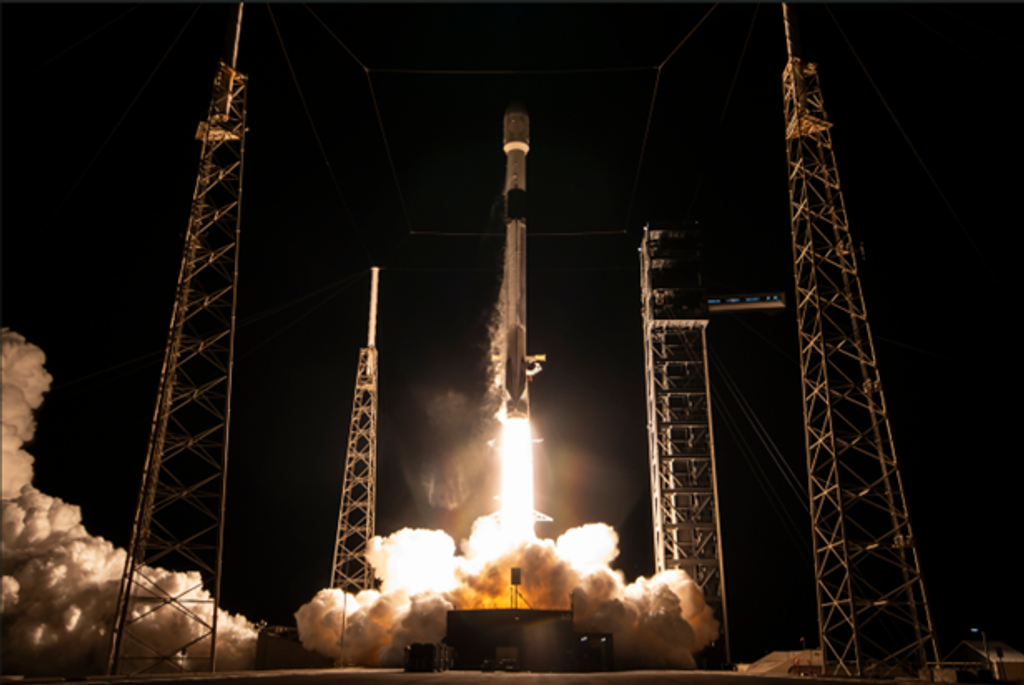
    In case you missed it, NASA is sponsoring a video contest starring your home planet. The winner will receive behind-the-scenes access to the launch of NASA’s next major Earth-observing satellite — the Landsat Data Continuity Mission (LDCM) — from Vandenberg Air Force Base in January 2013. Most of the public tends to focus on NASA’s […]

    Read Full Post

    PALS to Grand Junction

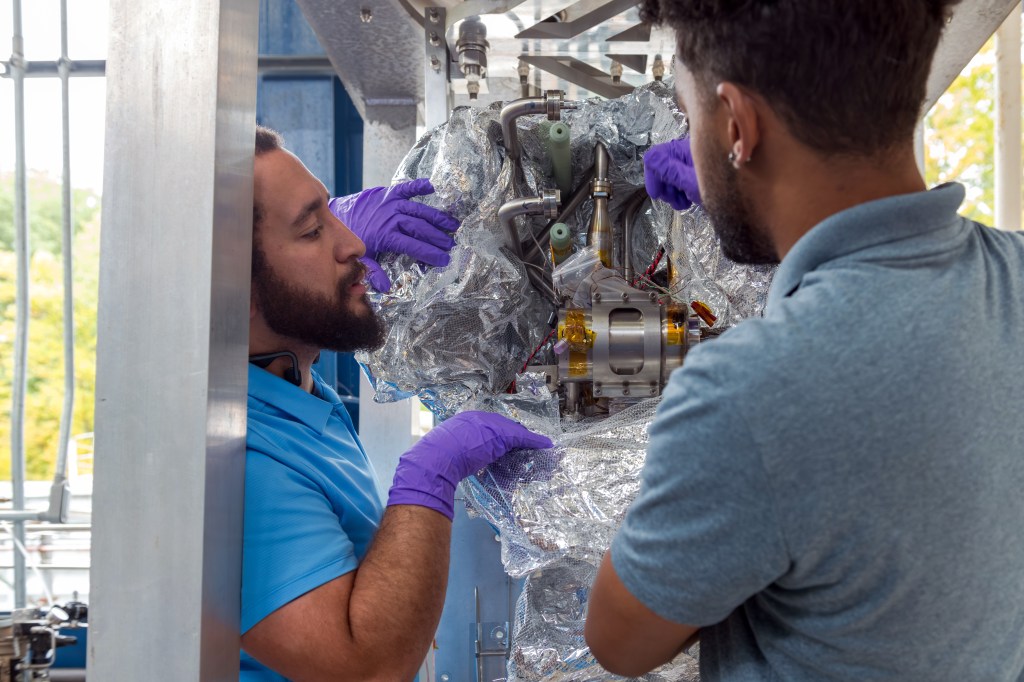
    Friday April 27 the PALS instrument was packed up by Barron and Seth and shipped by truck to Grand Junction, Colorado to be installed on the Twin Otter aircraft assigned to the SMAPVEX12 campaign. This is the first leg of the PALS journey to Winnipeg, the site of the field campaign. Monday April 30 Seth […]

    Read Full Post

    SMAP and SMAPVEX12

    SMAPVEX12 stands for the 2012 Soil Moisture Active Passive (SMAP) Validation Experiment. The SMAP mission… SMAP is a NASA Earth science satellite mission that uses microwave radar and radiometer instruments to measure soil moisture from space. The radar and radiometer share a six-meter mesh reflector antenna that rotates at approximately 14 revolutions per minute. The […]

    Read Full Post

    SMAPVEX12 Field Campaign-Winnipeg

    During the next few weeks we’ll be writing a series of short articles or “blogs” bringing you news of the SMAPVEX12 field campaign taking place in Winnipeg, Canada this summer. Along the way we’ll be providing you with a view of what SMAPVEX12 is, when, where and why it’s happening, and we’ll introduce you to […]

    Read Full Post

    This Week’s Earth Indicator: 90

    We bring you this week’s indicator—90—with a sigh. Ninety is the combined number of Earth-observing instruments on NASA and NOAA satellites that are currently monitoring our planet. And that number is about to plunge, according to a National Research Council report released in May 2012. By 2020, there could be less than 20 instruments in orbit, and […]

    Read Full Post