



Suggested Searches

Blogs

    Heads Up! Lyrid Meteor Shower Peaks April 22-23

    This year’s Lyrid meteor shower will peak in the predawn hours of April 23. On average, the shower can produce up to 15 meteors per hour under ideal viewing conditions. The Lyrids occur every year in mid-April, when Earth crosses the trail of debris left by the Comet C/1861 G1 Thatcher. These bits of comet …

    Read Full Post

    ISS Daily Summary Report – 4/21/2023

    Payloads: CapiSorb Visible System (CVS): Experiment operations continued. The CVS investigation demonstrates a liquid control using capillary forces over a range of liquid properties that are characteristic of liquid carbon dioxide sorbents. Since microgravity makes it difficult to control the flow of liquids, carbon dioxide removal methods on the ISS have been unable to take …

    Read Full Post

    Mid-Infrared Instrument Operations Update

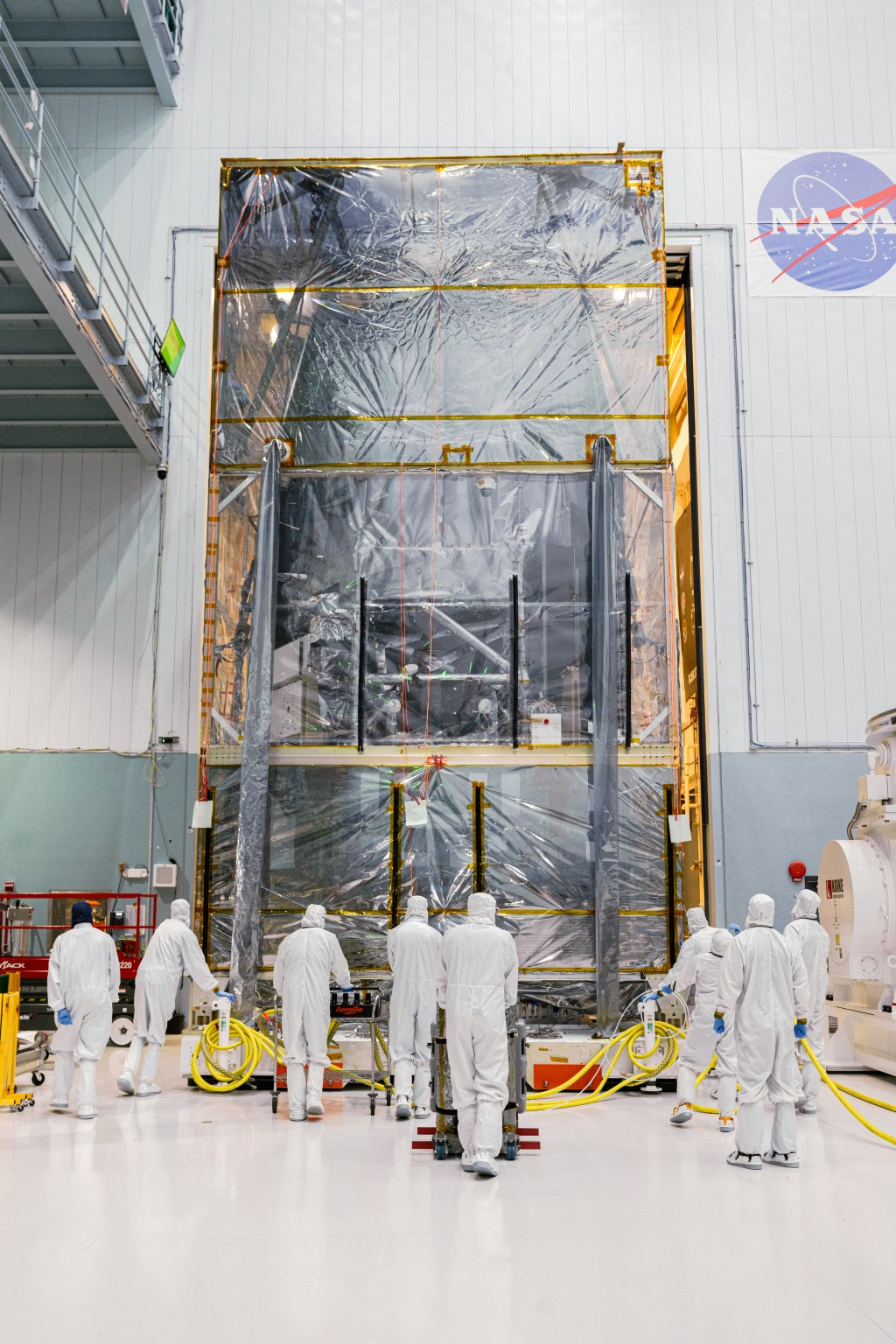
    In this illustration, the multilayered sunshield on NASA’s James Webb Space Telescope stretches out beneath the observatory’s honeycomb mirror

    All 17 observing modes of the James Webb Space Telescope undergo routine performance monitoring and calibration. This month, while performing calibration by comparing the brightness of standard stars that have been well-cataloged by other observatories to what Webb's Mid-Infrared Instrument (MIRI) was receiving, team members noticed a discrepancy in the data. Further analysis of MIRI's …

    Read Full Post

    Robotic Arm Releases Cygnus Space Freighter from Station

    At 7:22 a.m. EDT, Northrop Grumman Cygnus spacecraft was released from the Canadarm2 robotic arm which earlier detached Cygnus from the Earth-facing port of the International Space Station’s Unity module. At the time of release, the station was flying southwest of Ireland. The Cygnus spacecraft successfully departed the space station more than five months after …

    Read Full Post

    Robotic Arm Releasing Cygnus Cargo Craft Live on NASA TV

    Live coverage of the departure of Northrop Grumman’s uncrewed Cygnus cargo spacecraft from the International Space Station is underway on NASA Television, the agency’s website, and the NASA app, with its release from the robotic arm scheduled for 7:20 a.m. EDT. Coverage will conclude following departure from station. Flight controllers on the ground sent commands …

    Read Full Post

    NASA Scientific Balloon Prepares to Cross South America

    A Google Map view of the Pacific Ocean, with Australia on the left and South America on the right. A pin is on New Zealand where the balloon originated from and a red line extends to the right toward South America, with another red pin just off the coast.

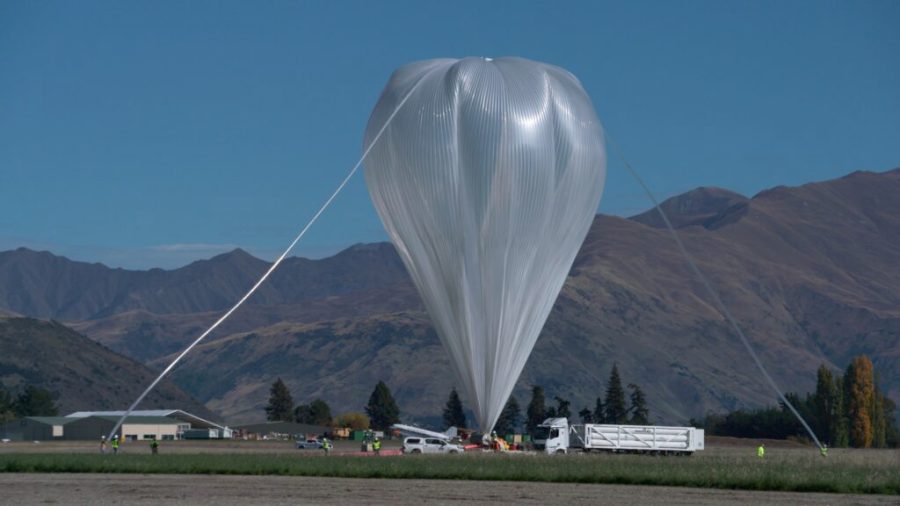
    A NASA super pressure balloon carrying the SuperBIT scientific payload has crossed the Pacific Ocean after just 5 days of flight and is on track to reach South America Thursday, April 20, at approximately 9:30 p.m. EDT (Friday, April 21, at 1:30 a.m. UTC). The scientific balloon, which lifted off from Wānaka Airport, New Zealand, …

    Read Full Post

    ISS Daily Summary Report – 4/20/2023

    Payloads: CapiSorb Visible System (CVS): The CVS was primed with water and Red Syringe (fructose). Pump tubing was installed into the Liquid Pump rotor and the system performed experiment runs. The CVS investigation demonstrates a liquid control using capillary forces, over a range of liquid properties that are characteristic of liquid carbon dioxide sorbents. Since …

    Read Full Post

    Crew Works New Fluid Physics Study, Preps Cargo Ship for Departure

    Fluid physics research and cargo craft departure activities kept the Expedition 69 astronauts busy aboard the International Space Station on Thursday. The cosmonauts were also back to work following an extended sleep period after they completed a spacewalk to move and install hardware on the orbital outpost. All four astronauts worked throughout the day on …

    Read Full Post

    Balloon-Borne SuperBIT Telescope Releases 1st Research Images

    The Tarantula nebula appears as a vivid burst of pink, red and gold in the center of the black, star-dusted background of space. The nebula is intensely colored near the center of the image, fading to dusty clouds of dark red and purple toward the edges. The entire nebula has the appearance of a bright cloud of glowing dust. Many stars are visible in the background, including shining through the nebula.

    The Super Pressure Balloon Imaging Telescope (SuperBIT) that launched on a scientific super pressure balloon April 16, 2023, local time from Wānaka, New Zealand, captured its first research images from this flight of the Tarantula Nebula and Antennae Galaxies. These images were captured on a balloon-borne telescope floating at 108,000 feet above Earth's surface, allowing …

    Read Full Post