













Suggested Searches

Blogs

    Webb Team Releases Sunshield Covers

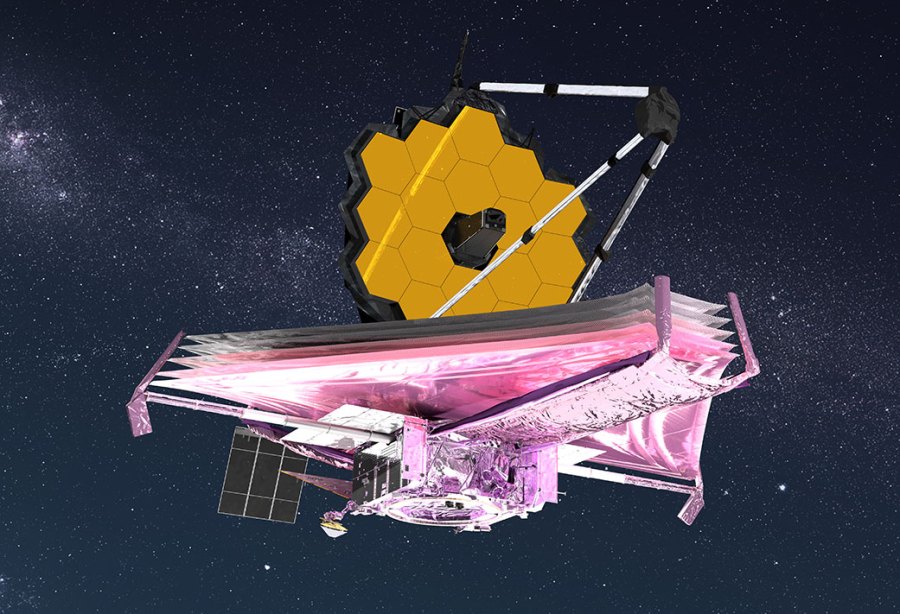
    In this illustration, the multilayered sunshield on NASA’s James Webb Space Telescope stretches out beneath the observatory’s honeycomb mirror

    Webb's engineers have released and rolled up the sunshield covers that protected the thin layers of Webb's sunshield during launch. After the team electrically activated release devices to release the covers, they executed commands to roll the covers up into a holding position, exposing Webb's sunshield membranes to space for the first time. The deployment, …

    Read Full Post

    Webb’s Aft Momentum Flap Deployed

    In this illustration, the multilayered sunshield on NASA’s James Webb Space Telescope stretches out beneath the observatory’s honeycomb mirror

    Shortly after 9 a.m. EST today, the Webb team completed deployment of the observatory's aft momentum flap. In a process that took about eight minutes, engineers released the flap's hold-down devices, and a spring brought the flap into its final position. The aft momentum flap helps minimize the fuel engineers will need to use throughout …

    Read Full Post

    Webb Ready for Sunshield Deployment and Cooldown

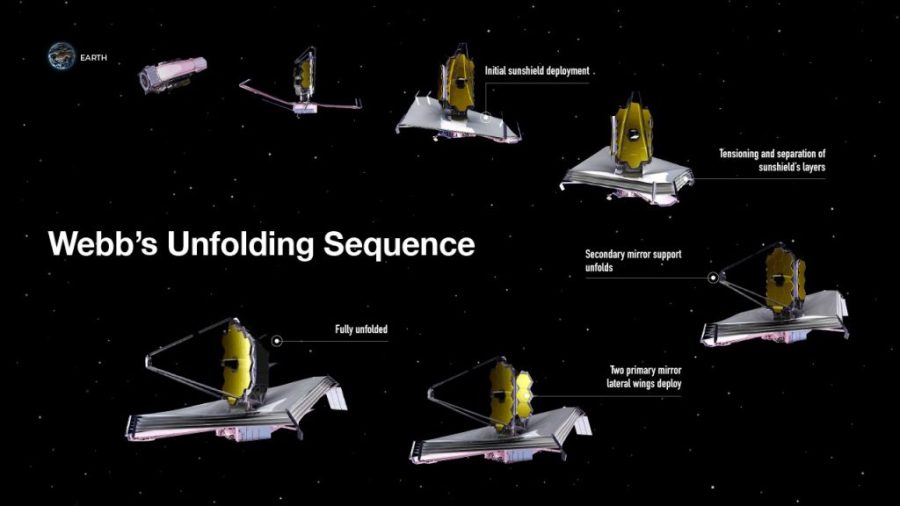
    Deployment Graphic

    With Webb's first major structural deployments completed and the observatory's Deployable Tower Assembly extended, we are taking a step back to learn more about Webb's sunshield. Observatory Project Scientist Michael McElwain, from NASA's Goddard Space Flight Center, provided these thoughts: "The Webb telescope and science instruments are ready to enter the shade, never again to …

    Read Full Post

    Webb’s Deployable Tower Assembly Extends in Space

    In this illustration, the multilayered sunshield on NASA’s James Webb Space Telescope stretches out beneath the observatory’s honeycomb mirror

    This afternoon, the Webb team successfully extended the observatory's Deployable Tower Assembly (DTA), creating critical distance between the two halves of the spacecraft. The DTA extended about 48 inches (1.22 meters), putting room between the upper section of the observatory, which houses the mirrors and scientific instruments, and the spacecraft bus, which holds the electronics …

    Read Full Post

    ISS Daily Summary Report – 12/29/2021

    Payloads: Ring Sheared Drop:  Ring Sheared Drop hardware was removed and stowed.  The Ring Sheared Drop investigation examines the formation and flow of amyloids without the complications associated with the solid walls of a container, because in microgravity, surface tension provides containment of the liquid.  Amyloids – fibrous, extracellular protein deposits found in organs and …

    Read Full Post

    Station Residents Wrap Up 2021 With Spacesuits and Dragon Work

    The astronauts and cosmonauts of Expedition 66 worked throughout Wednesday on U.S. and Russian spacesuits. The orbital residents will also end 2021 working on life science and cargo operations aboard the International Space Station. Among the 6,500 pounds of cargo delivered aboard the SpaceX Cargo Dragon on Dec. 22 were a U.S. spacesuit and other …

    Read Full Post

    Webb Team Begins Process of Extending Deployable Tower Assembly

    In this illustration, the multilayered sunshield on NASA’s James Webb Space Telescope stretches out beneath the observatory’s honeycomb mirror

    Shortly after 9:00 a.m. EST today, engineering teams began the process of extending Webb's Deployable Tower Assembly (DTA). When deployed, the DTA will create space between the spacecraft and the telescope, to allow for better thermal isolation and provide room for the sunshield to deploy. This deployment is expected to take six or more hours. …

    Read Full Post

    NASA Says Webb’s Excess Fuel Likely to Extend its Lifetime Expectations

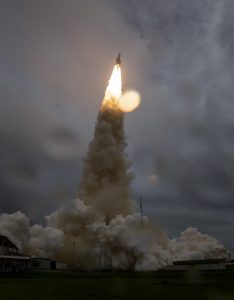
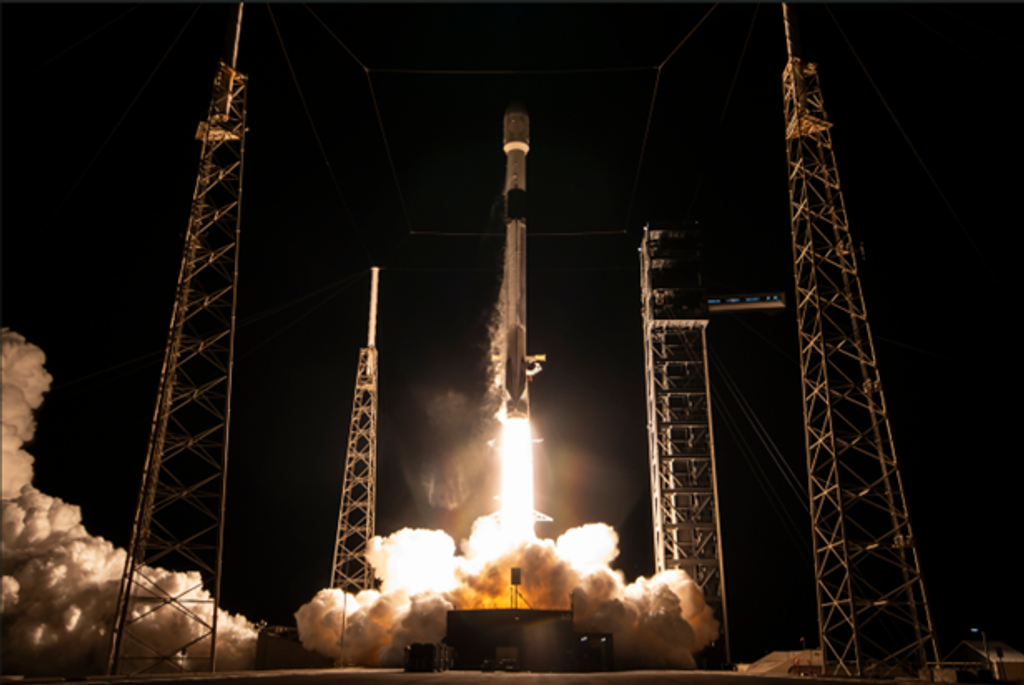
    Arianespace's Ariane 5 rocket launches with NASA's James Webb Space Telescope onboard.

    After a successful launch of NASA's James Webb Space Telescope Dec. 25, and completion of two mid-course correction maneuvers, the Webb team has analyzed its initial trajectory and determined the observatory should have enough propellant to allow support of science operations in orbit for significantly more than a 10-year science lifetime. (The minimum baseline for …

    Read Full Post