
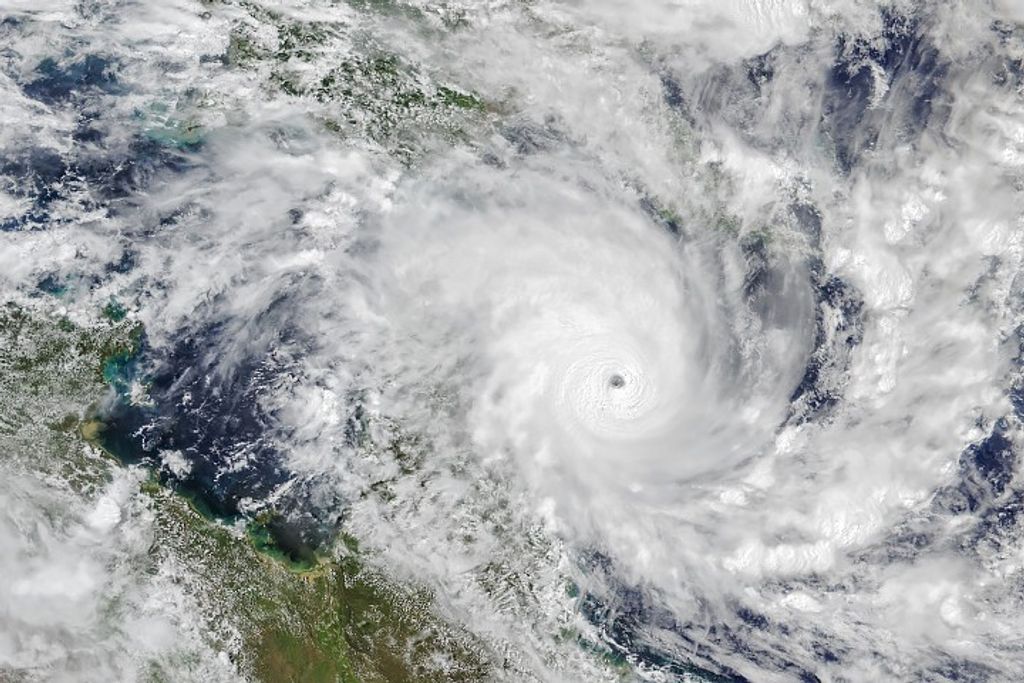





As satellites track Australian wildfire smoke from above, GLOBE Observer citizen scientists have been keeping tabs on hazy skies from the ground.

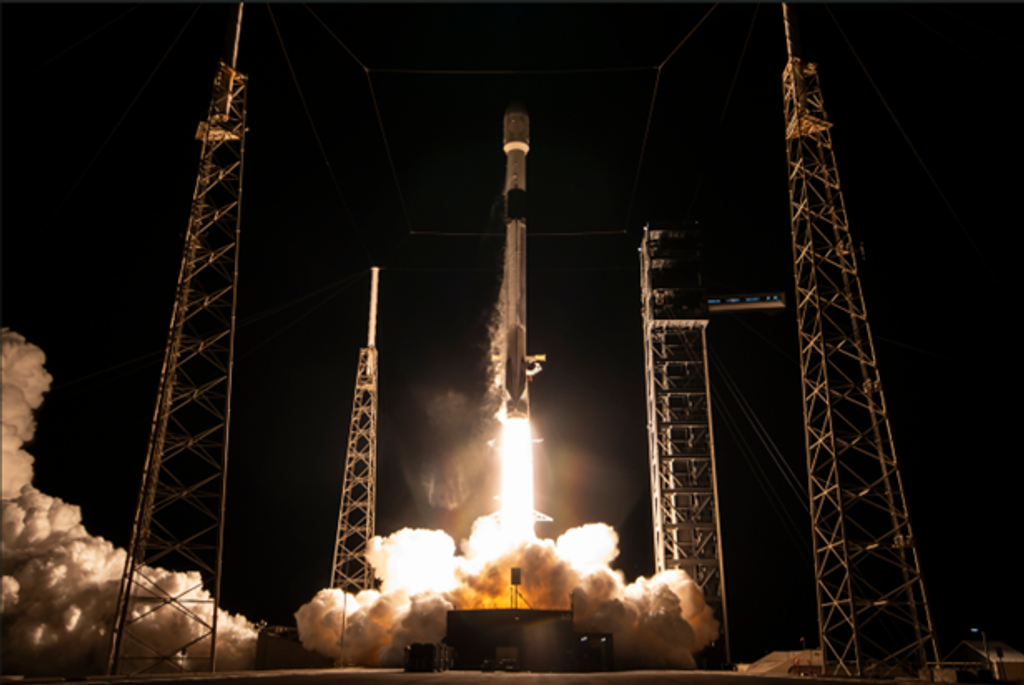
The rocket that will launch a new spacecraft to study the Sun is beginning to take shape at Space Launch Complex 41 at Cape Canaveral Air Force Station in Florida. The first-stage booster for the United Launch Alliance Atlas V rocket is "on stand," meaning it has been raised to a vertical position inside the complex's Vertical Integration Facility. In the coming days, the one solid rocket booster needed for the mission will be added to the booster, followed by the single-engine Centaur upper stage.

Human research and space biology filled the lab schedule aboard the International Space Station today. The Expedition 61 crewmembers are also ramping up for a trio of spacewalks set to begin next week. NASA Flight Engineer Jessica Meir and Commander Luca Parmitano of ESA (European Space Agency) started Thursday collecting their blood samples. The duo …
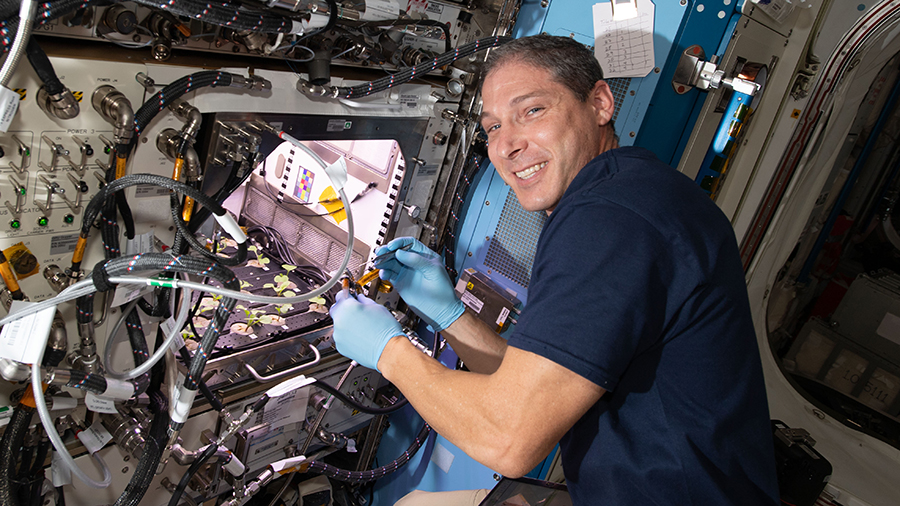
CBEF-L (Cell Biology Experiment Facility-L): The crew removed the Plant Experiment Unit from the CBEF-L facility and reconfigured the Video output cables for multiple channel ops. CBEF-L is a Japan Aerospace Exploration Agency (JAXA) new subrack facility, which is an upgraded facility of the original Cell Biology Experiment Facility (CBEF) currently aboard the International Space …
Rodent Research-19 (RR-19): The crew completed the Life Science Glovebox Cleaning activity. Mighty Mice in Space: Preclinical Evaluation of a Broad Spectrum Myostatin Inhibitor to Prevent Muscle and Bone Loss Due to Disuse uses rodent models on the ISS to investigate the potential benefits of targeting the myostatin (MSTN) and activin signaling pathways to prevent …

The Expedition 61 crew is gearing up for the first three spacewalks of 2020 set for this month. Meanwhile, the International Space Station is bustling with an array of microgravity research activities today. NASA astronauts Jessica Meir and Christina Koch will conduct the first two spacewalks scheduled for Jan. 15 and Jan. 20. The duo …
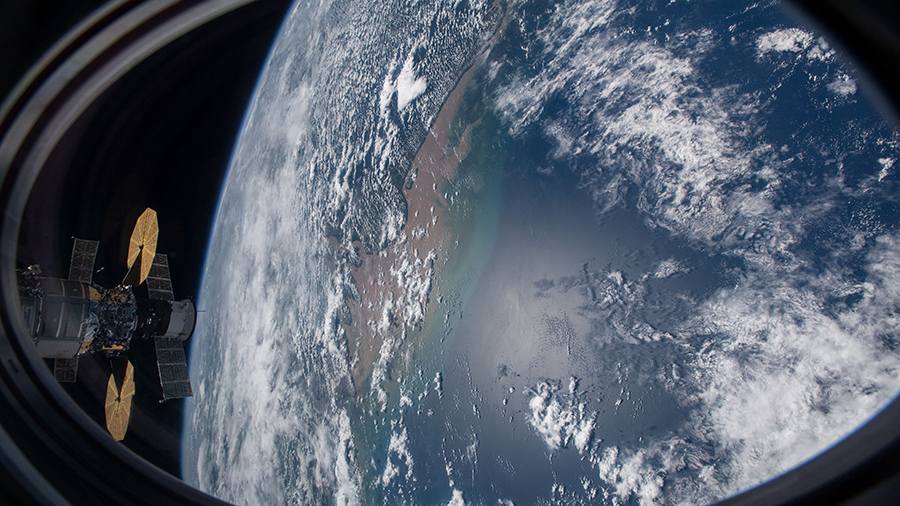
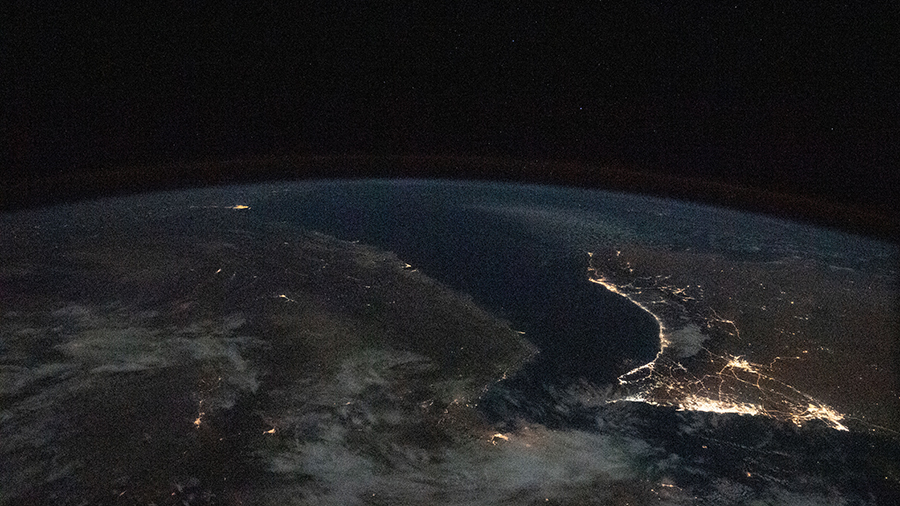
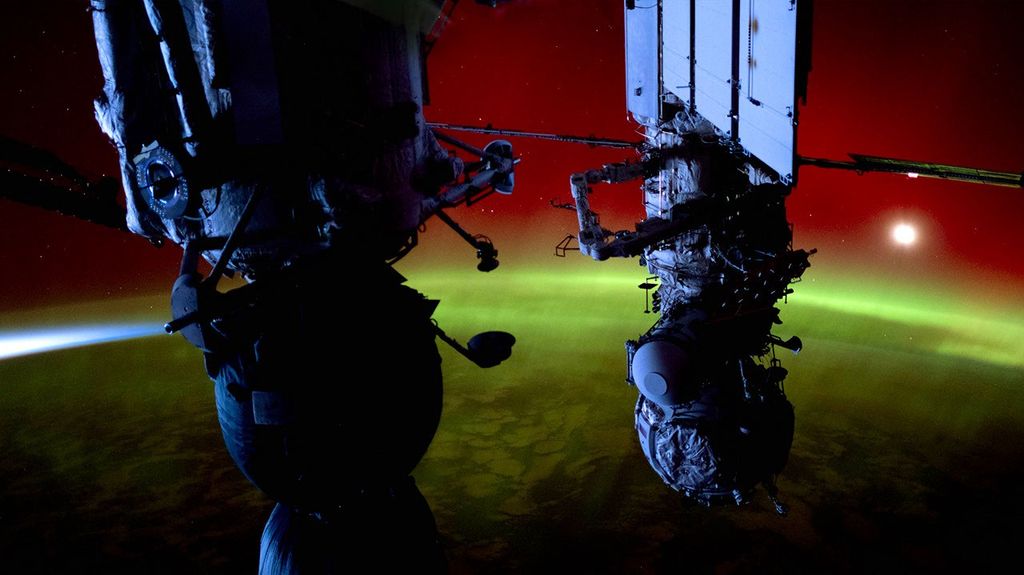
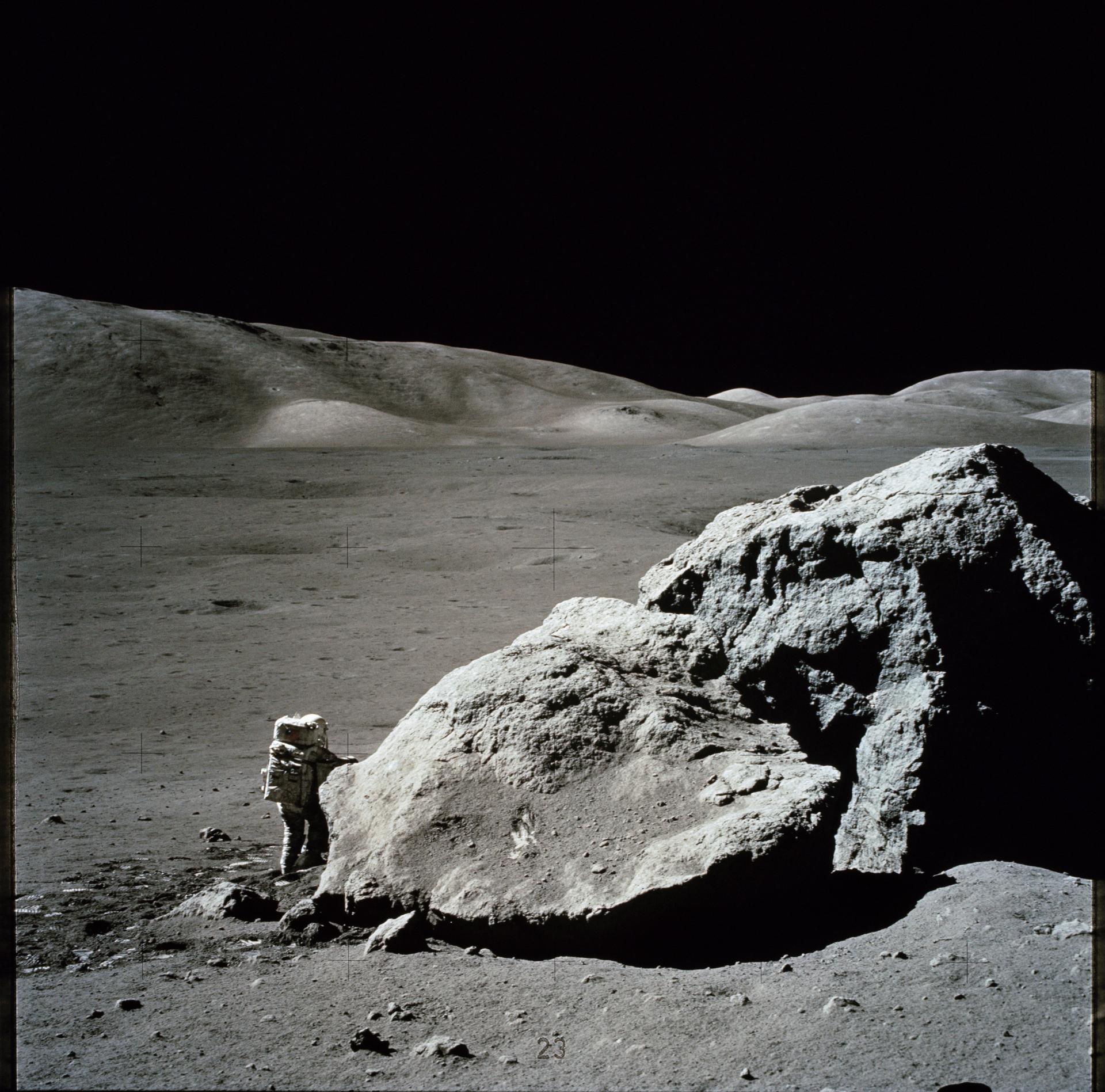
Your challenge is to use the comments section to tell us what we are looking at, where it is, and why it is interesting.
No science operations; crew off-duty. Systems: SpX-19 Unberth/Release: The SpX-19 Dragon vehicle was robotically released from the Space Station Remote Manipulator System (SSRMS) at approximately 4:05 am CT. The ISS Commander was stationed at the Robotic Work Station (RWS), monitored the release of Dragon, and commanded the first two separation burns. The Dragon vehicle splashed …

The SpaceX Dragon spacecraft splashed down at 10:42 a.m. in the Pacific Ocean about 271 miles southwest of Long Beach, California, marking the end of the company’s 19th contracted cargo resupply mission to the International Space Station for NASA. A key component being returned aboard Dragon is a faulty battery charge-discharge unit (BCDU), which failed …
When it comes to getting around in Antarctica, McMurdo Station is like an off road testing facility of continental-sized proportions.