
Many parts of the world are already seeing rising sea levels, hotter temperatures, more extreme precipitation and droughts, more acidic oceans, and faster rates of extinctions.
The New UN Climate Report in One Sentence
Read Full Post







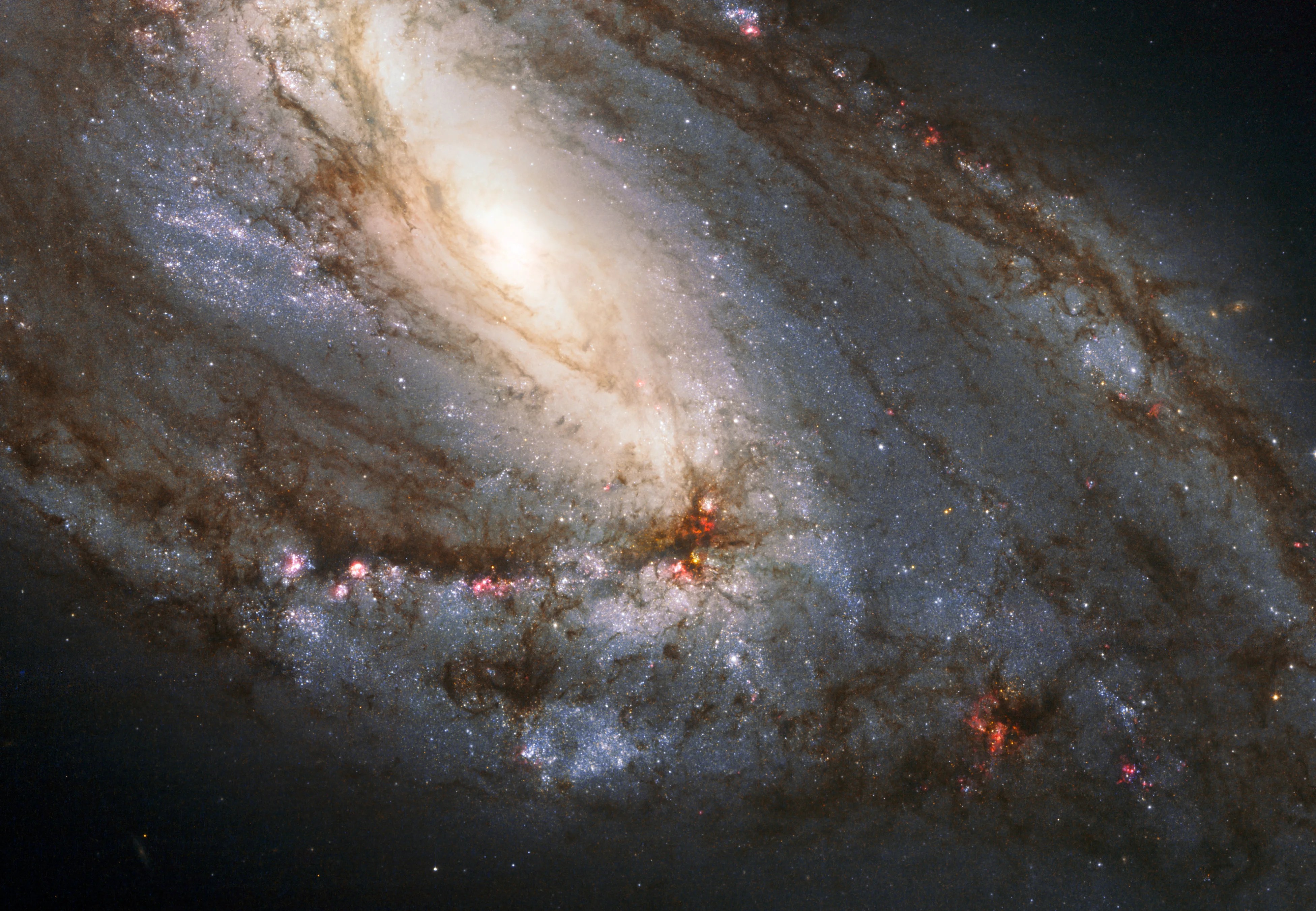













Many parts of the world are already seeing rising sea levels, hotter temperatures, more extreme precipitation and droughts, more acidic oceans, and faster rates of extinctions.
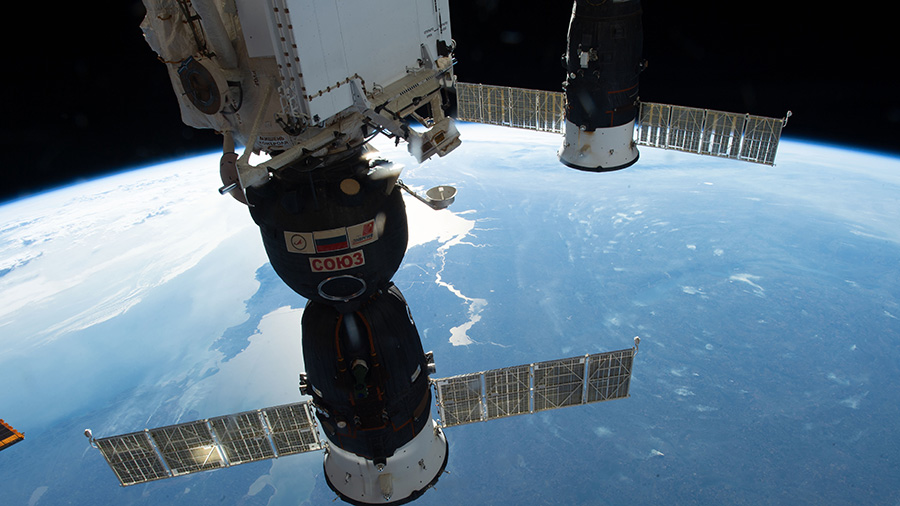
Two Expedition 57 astronauts are working to understand what happens to fluids being transported by spacecraft today. Another crew member also worked on combustion science gear as well as Japanese and Russian systems. Fluid physics and combustion research on the International Space Station helps scientists understand how well-known phenomena on Earth behaves in microgravity. For …
Food Acceptability: An ISS crewmember performed the Questionnaire. The Food Acceptability investigation seeks to determine the impact of repetitive consumption of food currently available from the spaceflight food system. Results will be used in developing strategies to improve food system composition to support crew health and performance on long duration missions Combustion Integrated Rack (CIR): …
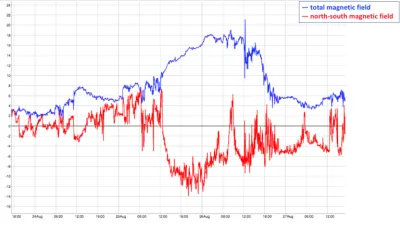
By Miles Hatfield NASA's Goddard Space Flight Center On Aug. 20, 2018, a Coronal Mass Ejection — an explosion of hot, electrically charged plasma erupting from the Sun — made its way towards Earth. By Aug. 26 it had hit — and aurora were visible as far south as Montana and Wisconsin in the United States. …
Binary Colloidal Alloy Test – Cohesive Sediment (BCAT-CS): The crew checked the camera alignment and focus by viewing the latest BCAT images on a laptop. BCAT-CS focuses on the study of forces between particles that cluster together by using sediments of quartz and clay particles. Conducting the research in the microgravity environment of the ISS …
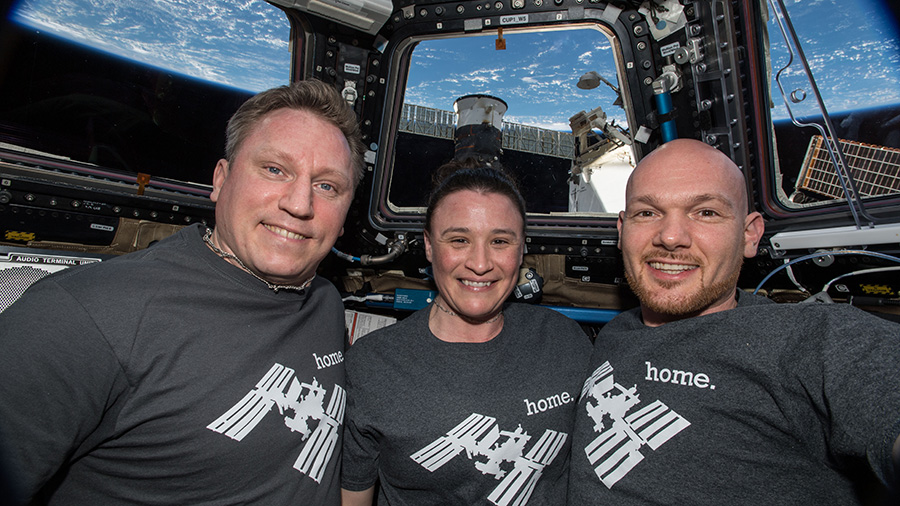
The three Expedition 57 crew members living aboard the International Space Station today explored a variety of phenomena impacted by exposure to microgravity. In Houston, NASA astronaut Nick Hague talked about his Soyuz contingency landing after last week’s failed ascent to orbit. Flight Engineer Serena Auñón-Chancellor started Wednesday morning relocating samples collected from biology experiments …

For the first time for a spacecraft, Parker Solar Probe completed an autonomous, closed-loop solar array angle control based on temperature.
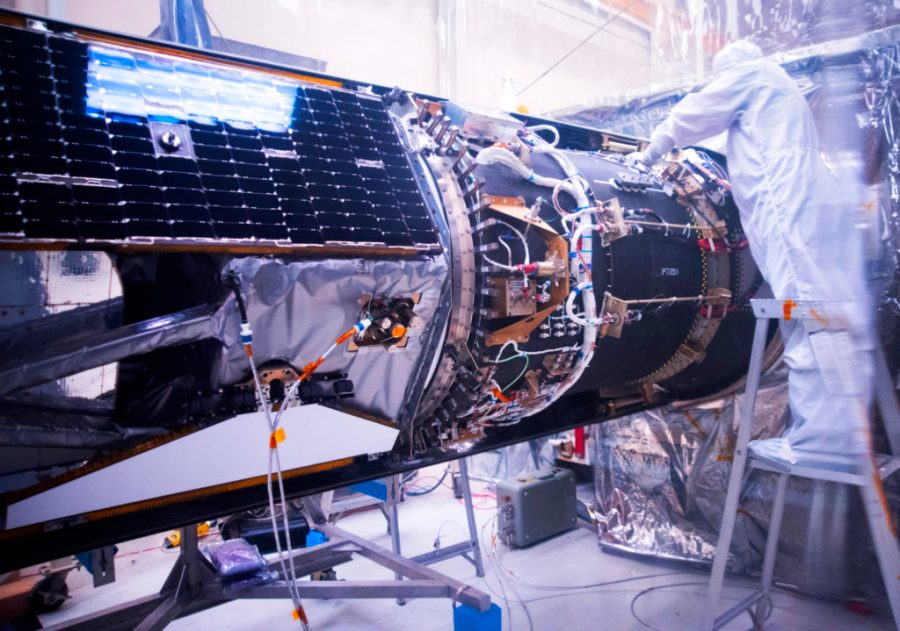
On Oct. 4, 2018, technicians at Vandenberg Air Force Base in California, installed the payload fairing on the Northrop Grumman Pegasus XL rocket that will launch NASA's Ionospheric Connection Explorer, or ICON, satellite. ICON is being prepared for launch on a Pegasus XL rocket which will be carried aloft by Northrop Grumman's L-1011 Stargazer aircraft. …
Cold Atom Lab (CAL): A Crewmember attached the Helium monitor to the front of the CAL hardware to collect readings. The CAL produces clouds of atoms that are chilled to about one ten billionth of a degree above absolute zero — much colder than the average temperature of deep space. At these low temperatures, atoms …