





Suggested Searches

Blogs

    ISS Daily Summary Report – 12/27/2016

    Fluid Shifts Dilution Measurements: The second of three 49S subjects completed their Flight Day 45 blood draw with assistance from a Crew Medical Officer (CMO) Operator in support of the first part of the Fluid Shift activities – Diultion Measurement. Upon wakeup the subject collected saliva, blood and urine and insert them into Minus Eighty …

    Read Full Post

    CYGNSS Progress Report and Year-end Reflections

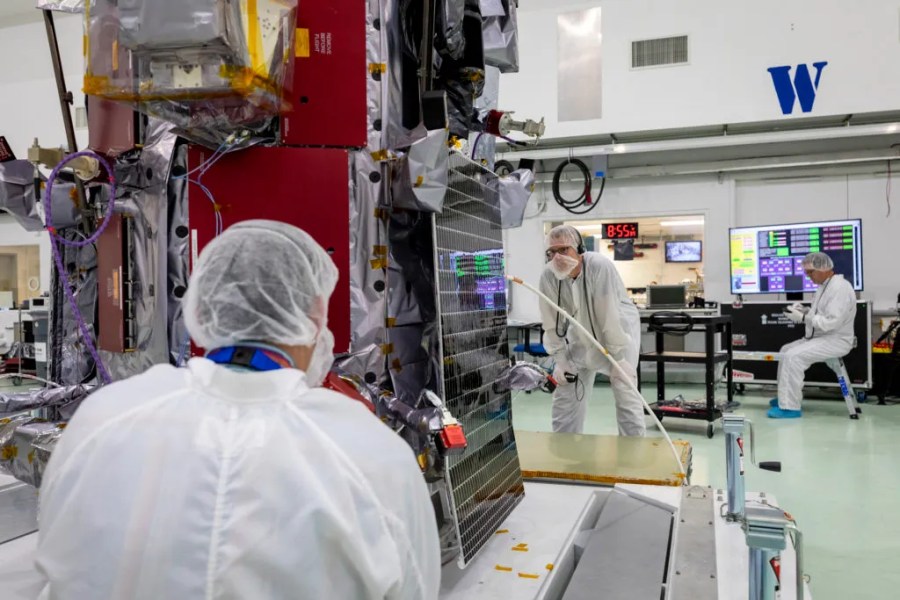
    As the year comes to a close, I’m probably not the only one looking back at how 2016 panned out. For the CYGNSS team, we ended 2016 with a lot of excitement, after carefully and patiently working on pre-launch development for the past few years. It takes a long time to develop things in careful […]

    Read Full Post

    ISS Daily Summary Report – 12/23/2016

    Fluid Shifts Dilution Measurements: The 49S subject, with blood draw assistance from a Crew Medical Officer (CMO) Operator, performed the first part of the Fluid Shift activities – Dilution Measurement. Upon wakeup the subject collected saliva, blood and urine and inserted them into Minus Eighty Degree Celsius Laboratory Freezer for ISS (MELFI) prior to ingesting …

    Read Full Post

    Crew Heads into Christmas Weekend with Spacewalk Preps

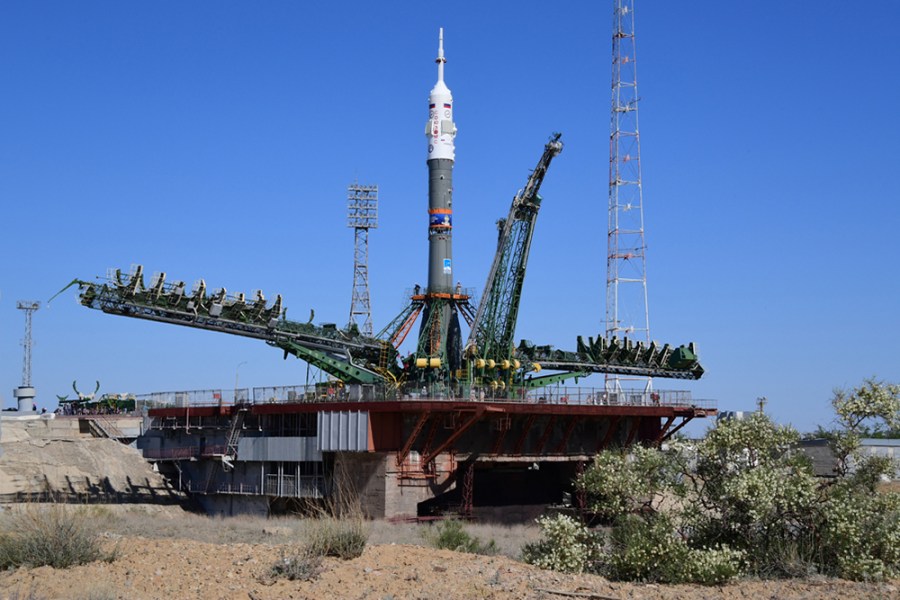
    The six-member Expedition 50 crew from France, Russia and the U.S. is heading into the holiday weekend with spacesuit checks and eye studies. The international crew will share a Christmas meal, enjoy a light-duty weekend and take Dec. 26 off. Commander Shane Kimbrough scrubbed cooling loops and tested the water in a pair of U.S. …

    Read Full Post

    Let It Snow: Winter 2016

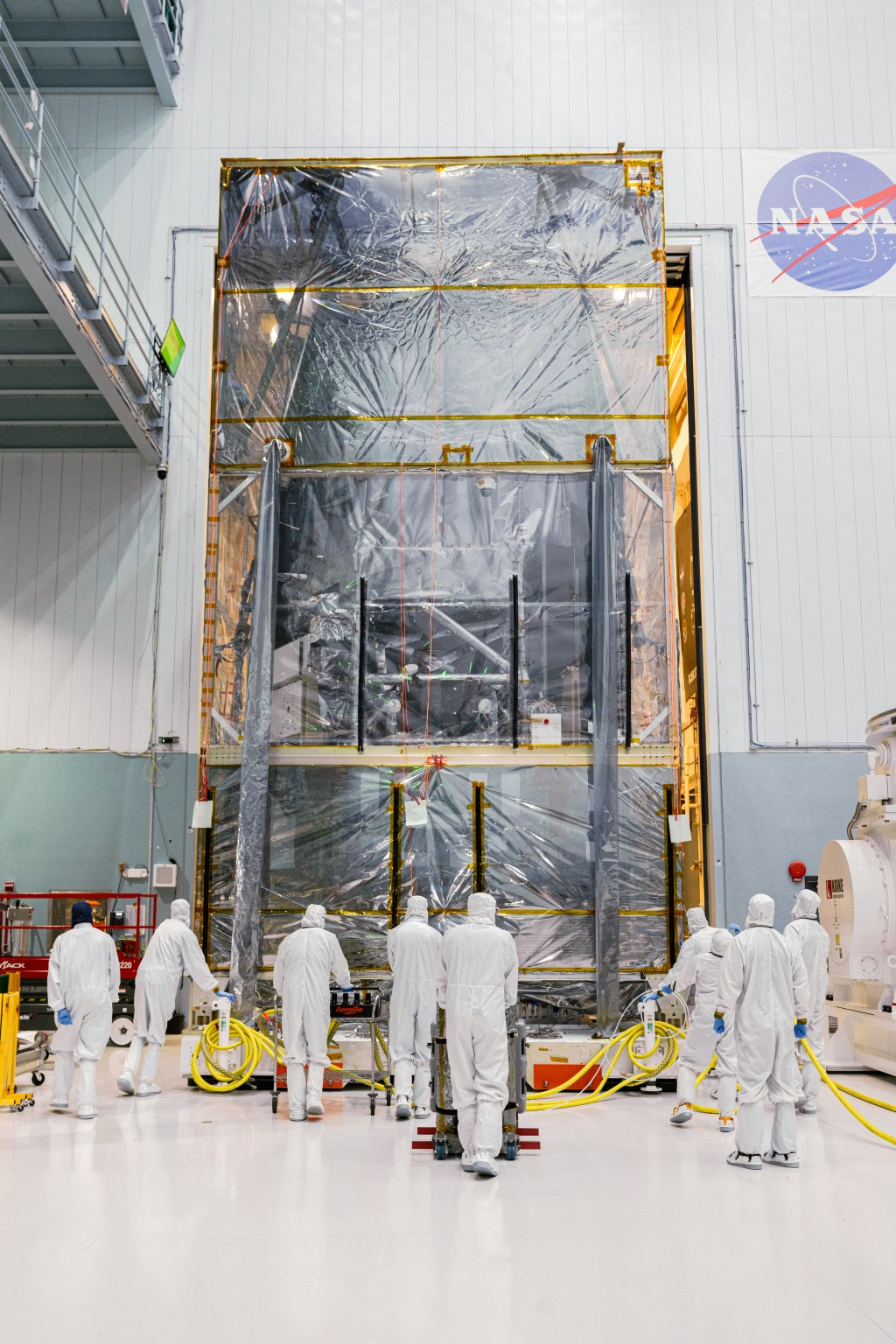
    Eighty five years ago today, Wilson Alwyn Bentley died of pneumonia. It was December 23, 1931, and outside his home in Jericho, Vermont, the sky was ripe for snow. His final diary entry read: “Cold north wind afternoon. Snow Flying.” It was the sort of weather he had lived for. Bentley began to observe snow […]

    Read Full Post

    ISS Daily Summary Report – 12/22/2016

    Sarcolab-3 Deconfigure and Stow: After successful completion of the Flight Day (FD) 30-60 sessions on Tuesday and Wednesday, the crew deconfigured and stowed the Muscle Atrophy Research & Exercise System (MARES). Later today, the crew will verify and downlink the data and stow the remaining ancillary Sarcolab-3 hardware. The next session will be in the …

    Read Full Post

    Astronauts Study How Lack of Gravity Impacts Muscles

    The crew wrapped up part of a muscle research program today while continuing other experiments to study the effects of living in space. Also, a new CubeSat deployer was installed in Japan’s Kibo laboratory module. Scientists want to understand how the lack of gravity impacts muscles that aren’t used due to working in the microgravity …

    Read Full Post

    Exploring Pluto and a Billion Miles Beyond

    Year of KBO image

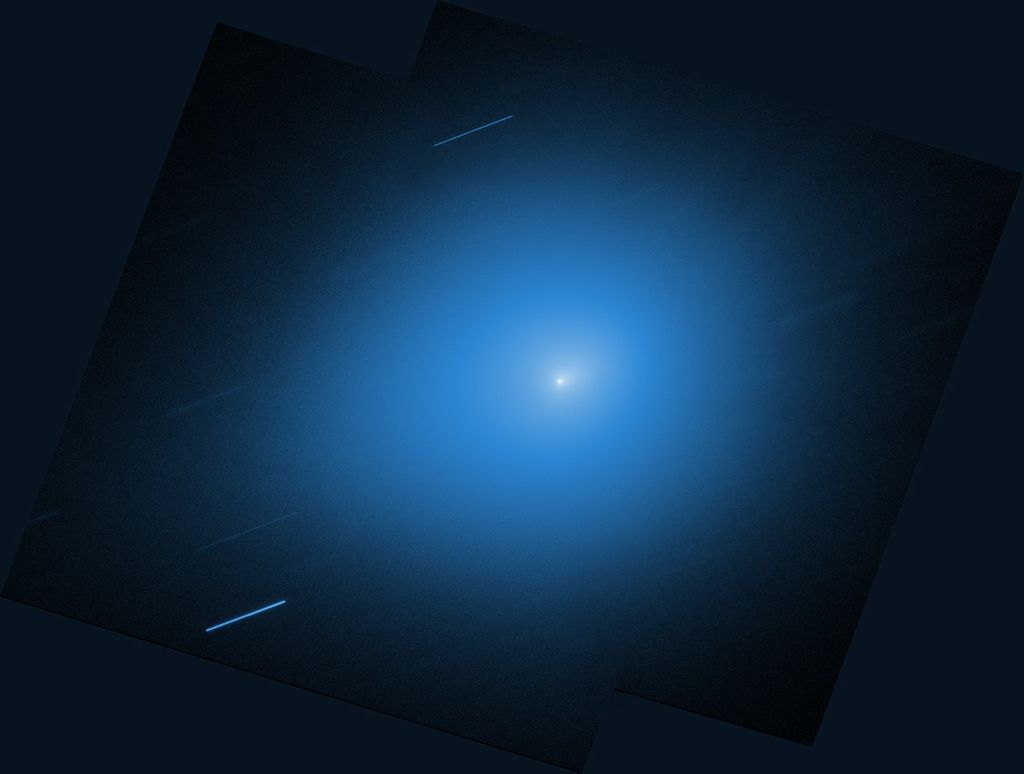
    Today's blog is from Alan Stern of the Southwest Research Institute in Boulder, Colorado—principal investigator for NASA's New Horizons mission. As 2016 ends, I can't help but point out an interesting symmetry in where the mission has recently been and where we are going. Exactly two years ago we had just taken New Horizons …

    Read Full Post

    ISS Daily Summary Report – 12/21/2016

    Myotendinous and Neuromuscular Adaptation to Long-term Spaceflight Sarcolab-3: Today’s second operational day for the Sarcolab-3 experiment began with converting the Muscle Atrophy Research & Exercise System (MARES) from the ankle measurement configuration to the knee measurement configuration. The subject donned Percutaneus Electrical Muscle Stimulator (PEMS) and Electromyography (EMG) electrodes to stimulate and measure calf muscle …

    Read Full Post

    Muscle Research and Space Emergency Drill for Crew

    The Expedition 50 crew is exploring a wide variety of phenomena today to understand the effects of living and working in space. Results from the advanced space research aboard the International Space Station has the potential to benefit humans on Earth and astronauts on long-term missions. Two first-time space flyers, Sergey Ryzhikov from Russia and …

    Read Full Post