Suggested Searches

Blogs

  • Expedition 54 Getting Ready for Pair of January Spacewalks
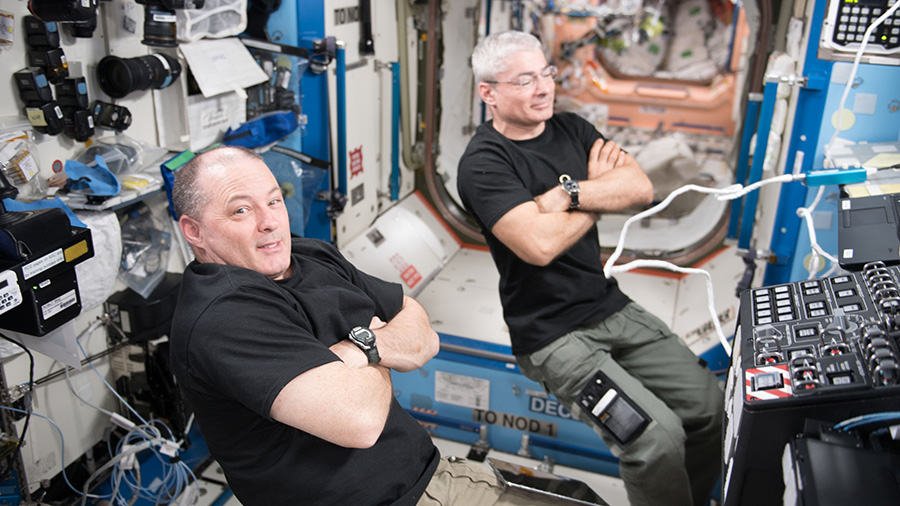
    A pair of spacewalks are planned for Jan. 23 and 29 to swap and stow external robotics gear. NASA astronaut Mark Vande Hei will lead both spacewalks. Flight Engineer Scott Tingle will join him on the first spacewalk with Japanese astronaut Norishige Kanai joining Vande Hei on the second. Vande Hei, Tingle and Kanai checked …

  • Parker Solar Probe Enters Thermal Vacuum Chamber

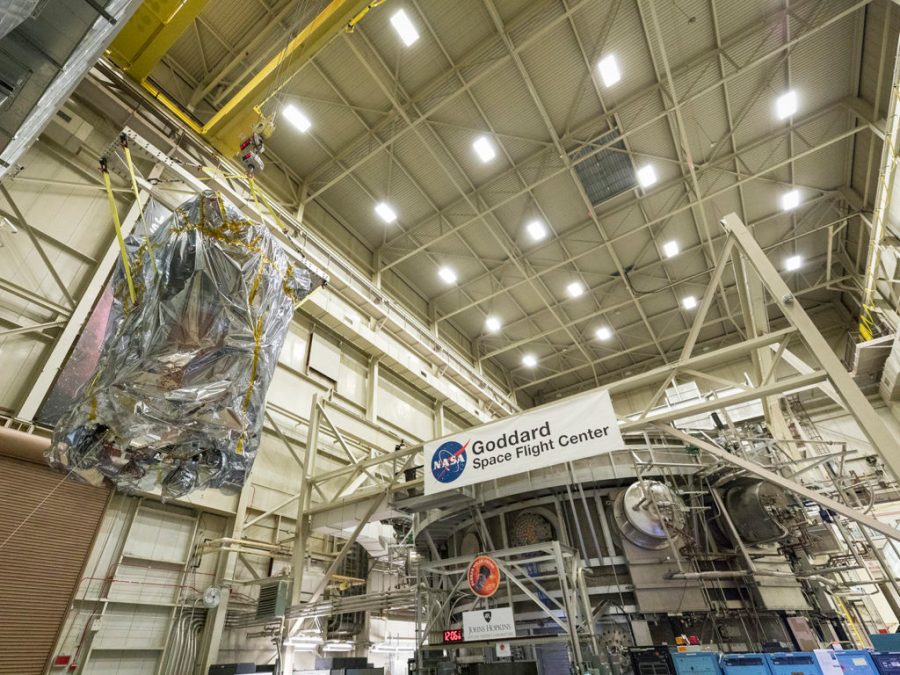
    The spacecraft is lifted into the air by a crane

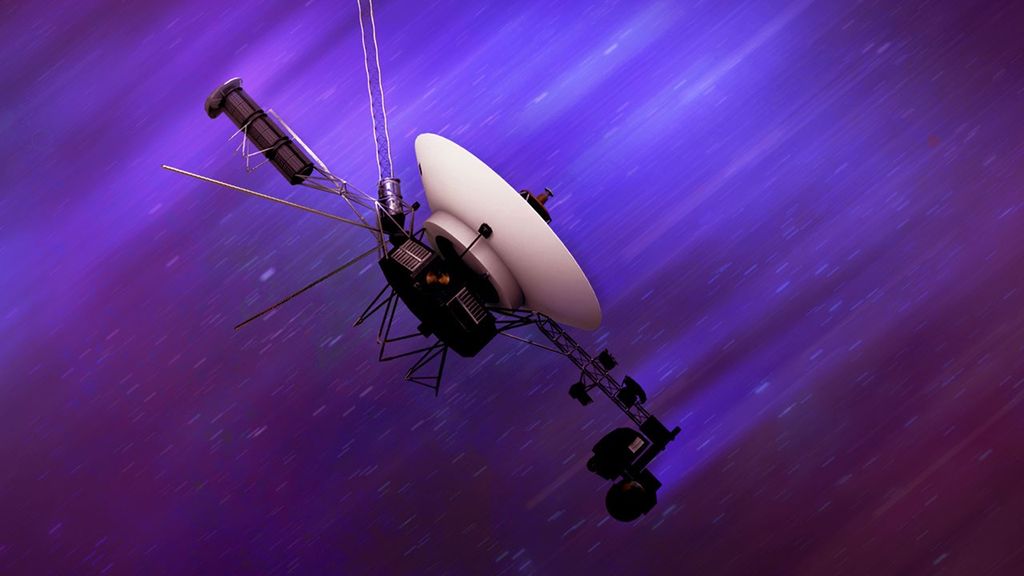
    On Wednesday, Jan. 17, NASA's Parker Solar Probe was lowered into the 40-foot-tall thermal vacuum chamber at NASA's Goddard Space Flight Center in Greenbelt, Maryland. The spacecraft will remain in the chamber for about seven weeks, coming out in mid-March for final tests and packing before heading to Florida. Parker Solar Probe is scheduled to launch from NASA's Kennedy Space Center on July 31, 2018, on a Delta IV Heavy launch vehicle.

  • ISS Daily Summary Report – 1/17/2018

    CORRECTIONS TO TODAY’s REPORT: Circadian Rhythms activity was deferred due to conflicts with the OFV tomorrow.  It will be performed tomorrow. Added ISS Reboost with SM Main Engines Circadian Rhythms [Deferred]:  Today a 53S crewmember instrumented themselves with Thermolab Double Sensors, mounted the Thermolab Unit to their belt, and began 36 hours of monitoring for …

  • Preparing for Mars and the Moon

    We came to Potrillo to conduct field excursions that simulate EVAs, or extravehicular activities, which are like the moonwalks that Apollo astronauts took on the lunar surface. Future astronauts might conduct something like a moonwalk on the surface of another rocky planetary body. Our research helps answer the question: If astronauts are going to explore […]

  • NOAA’s GOES-S Spacecraft Prepares for Encapsulation

    NOAA's GOES-S weather satellite is prepared for encapsulation in its payload fairing inside Astrotech Space Operations in Titusville, Florida.

    Technicians and engineers prepare NOAA's Geostationary Operational Environmental Satellite-S, or GOES-S, for encapsulation in its payload fairing inside a clean room at Astrotech Space Operations in Titusville, Florida. After encapsulation, the weather satellite will be moved to Space Launch Complex-41 at Cape Canaveral Air Force Station. GOES-S is the second in a series of four …

  • Making the Magic Happen

    The 88S traverse was very much a group effort – in addition to the four of us, literally hundreds of people supported our project to varying degrees. This is not at all uncommon for work in Antarctica: no one person can do everything, and each person brings some unique skill to the effort. Without the […]

  • ISS Daily Summary Report – 1/16/2018

    Rodent Research 6 (RR-6):  In support of the on-going RR-6 investigation, today the crew refilled the rodent habitat water supply using the water refill kit and later remove the mice and restocked the rodent habitats with new food bars in addition to cleaning the lids and interiors cages of the habitats. The Rodent Research-6 (RR-6) …

  • Loss of Volatile Elements in Planetary Magma Oceans

    The arc of a planetary body covered in red and yellow magma fills the bottom third of the image against a black background.

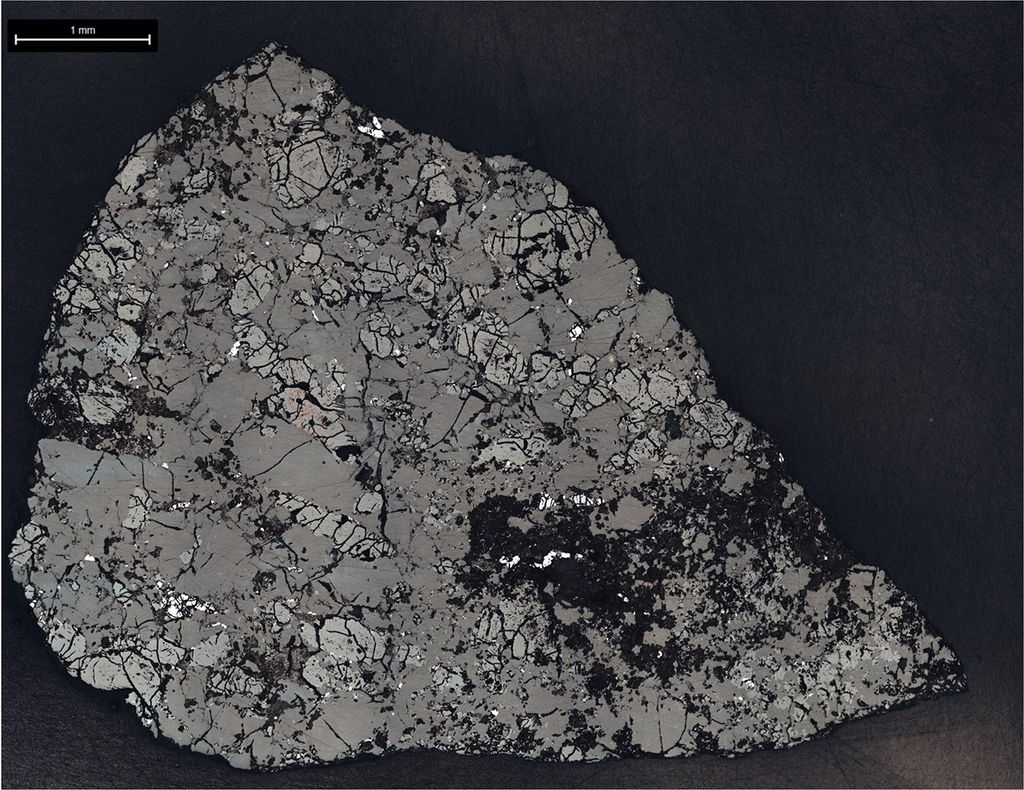
    A recent study examines the loss of volatile elements during magma ocean phases on planetary bodies. The work compares zinc (Zn) in basalts from the Earth and Moon. Zn is a a useful tracer for volatile elements because its abundance tends to be elevated in basalts on Earth. Concentrations of Zn in lunar basalts can […]

  • ISS Daily Summary Report – 1/15/2018

    Vascular Echo: With ground team assistance, a 53S crewmember performed a Vascular Echo protocol, which included scans of his neck, thigh, portal vein, and heart. Following the scanning activity, the subject completed three consecutive blood pressure measurements using the Cardio-lab Holter Arterial blood pressure unit. Vascular Echo examines changes in blood vessels, and the heart, …