



















Suggested Searches

Stratospheric Aerosol and Gas Experiment (SAGE)

The Stratospheric Aerosol and Gas Experiment, SAGE, is a series of instruments designed by NASA to observe stratospheric ozone, aerosols, and water vapor from space. In the mid-1980s, scientists realized there was a problem with Earth’s protective coat of ozone...it was thinning. The SAGE family of instruments was pivotal in making accurate measurements of the amount of ozone loss in Earth’s atmosphere and helped leaders around the world institute an international treaty banning products containing harmful chemicals that destroy stratospheric ozone. SAGE is a key part of NASA’s mission to provide crucial, long-term measurements that will help humans better understand and care for Earth’s atmosphere.

SAGE Enjoyed the Eclipse Too!

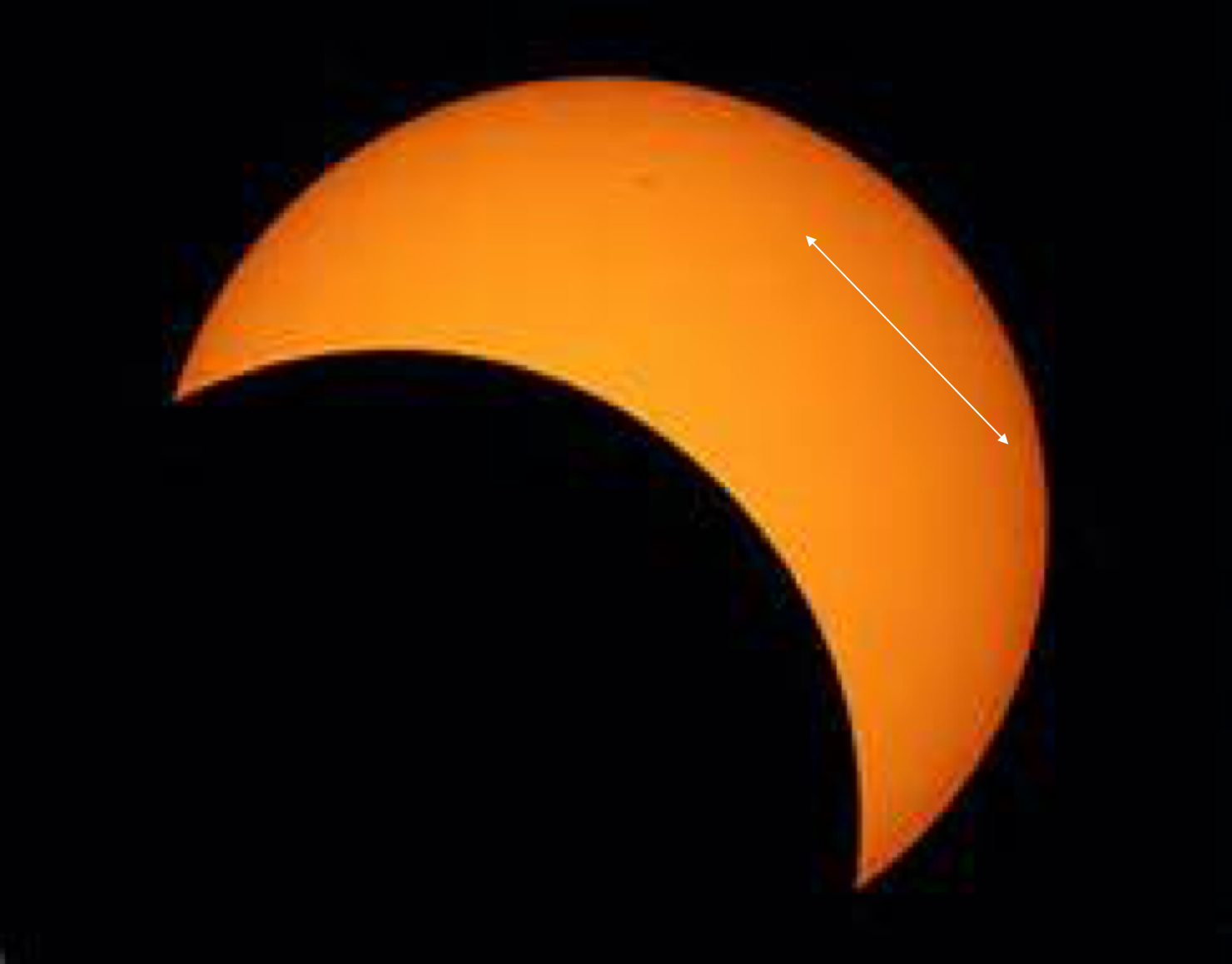
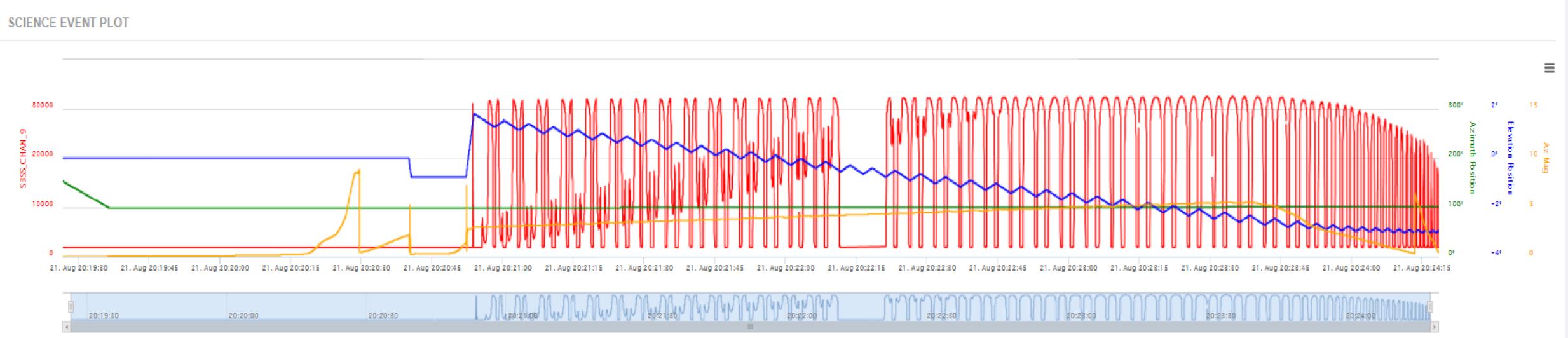
Just like the millions of people across the United States who got to view the Great American Eclipse just a couple of weeks ago, the SAGE III instrument, from its perch on the International Space Station was able to catch a glimpse as well. The instrument completed a sunset occultation measurement during the solar eclipse that occurred on Monday, August 21, 2017.
SolarEclipseSAGE

SAGEEclipsePlot