







before
after
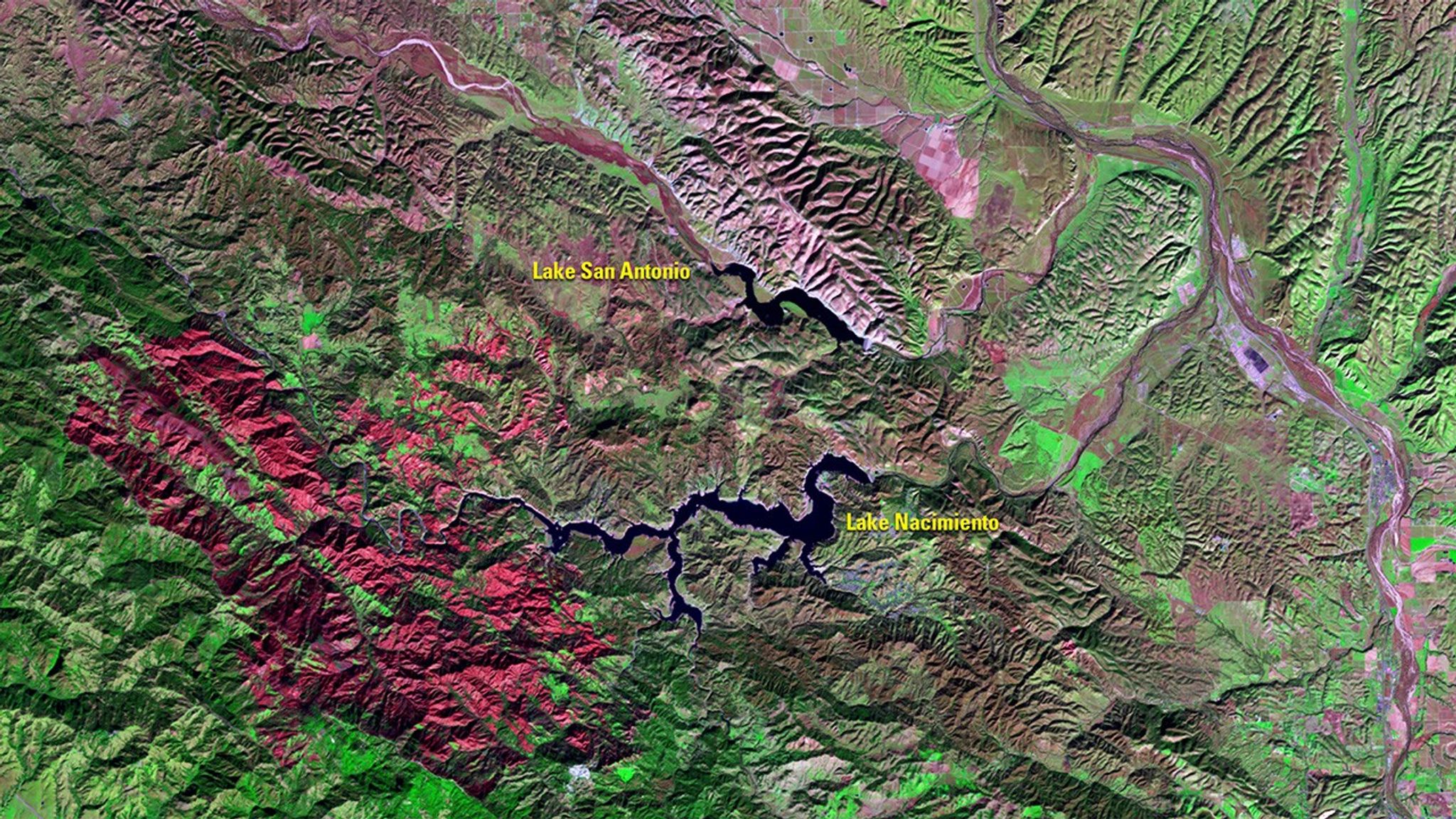
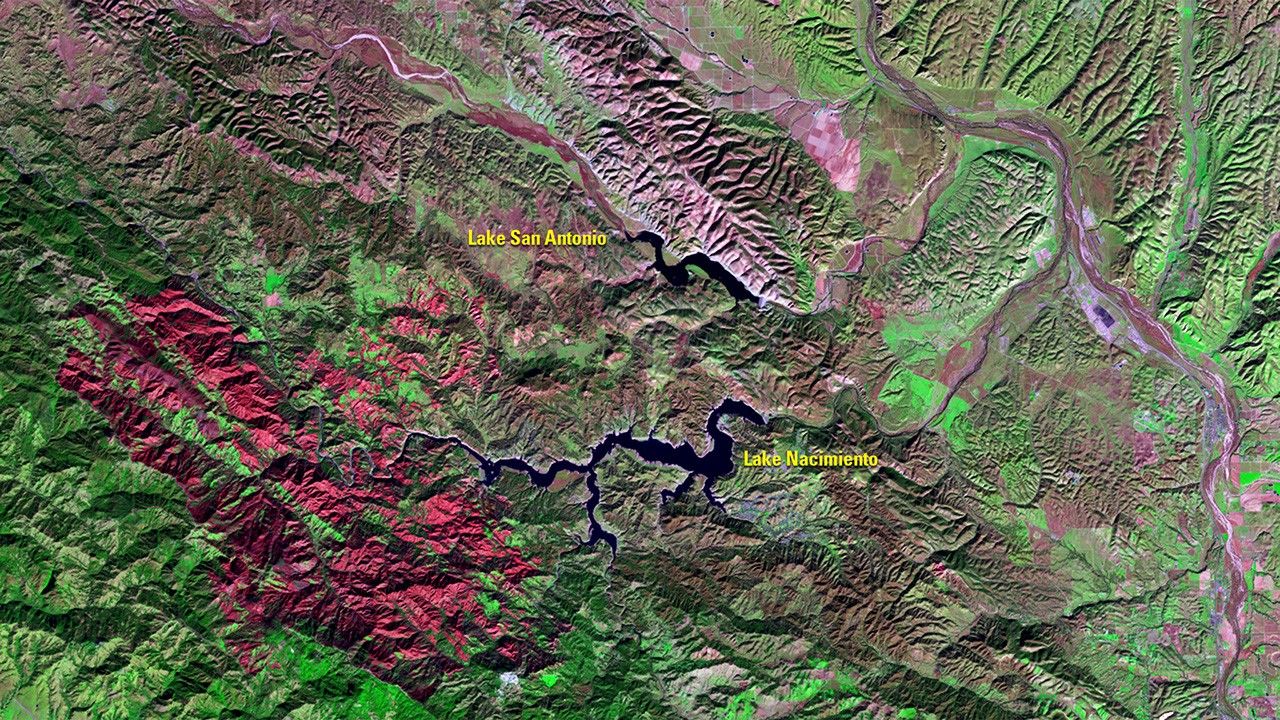
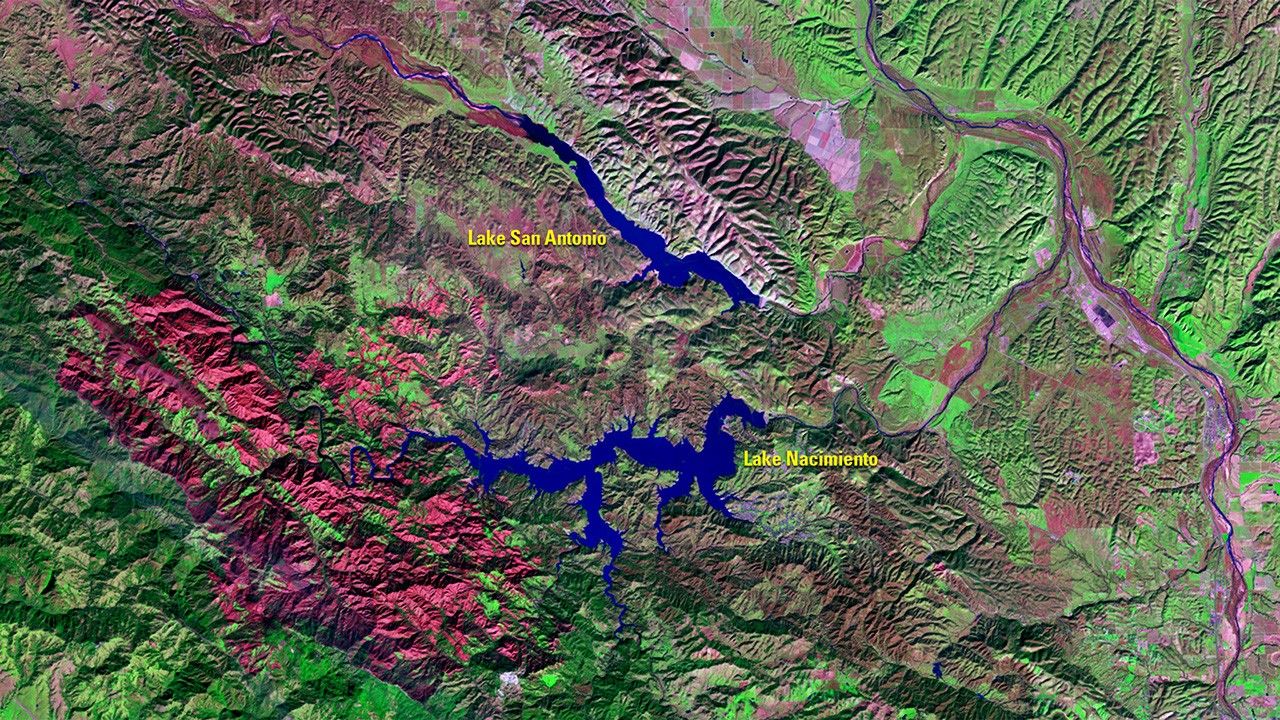
A decade of California drought eased after January 2017, thanks to heavy rains and snow. A year ago, when 40 percent of the state was in exceptional drought (the most severe category), Lake Nacimiento had been only 22 percent full in late 2016, but filled to 81 percent after the much-needed precipitation. Lake San Antonio, only 3 percent full and closed to the public in July 2015, recovered to 26 percent. A red burn scar from the Chimney Fire in August 2016 sits in the lower left of both images. (Drought conditions raise fire danger in the state.) All told, more than 48 percent of California was drought-free as of February 1, 2017, compared to only 5 percent a year ago, according to the Drought Monitor. Images taken by the Landsat 8 satellite. Source: U.S. Geological Survey (USGS) Landsat Missions Gallery: “January Rain, Snow Refills California Reservoirs”; U.S. Department of the Interior / USGS and NASA.
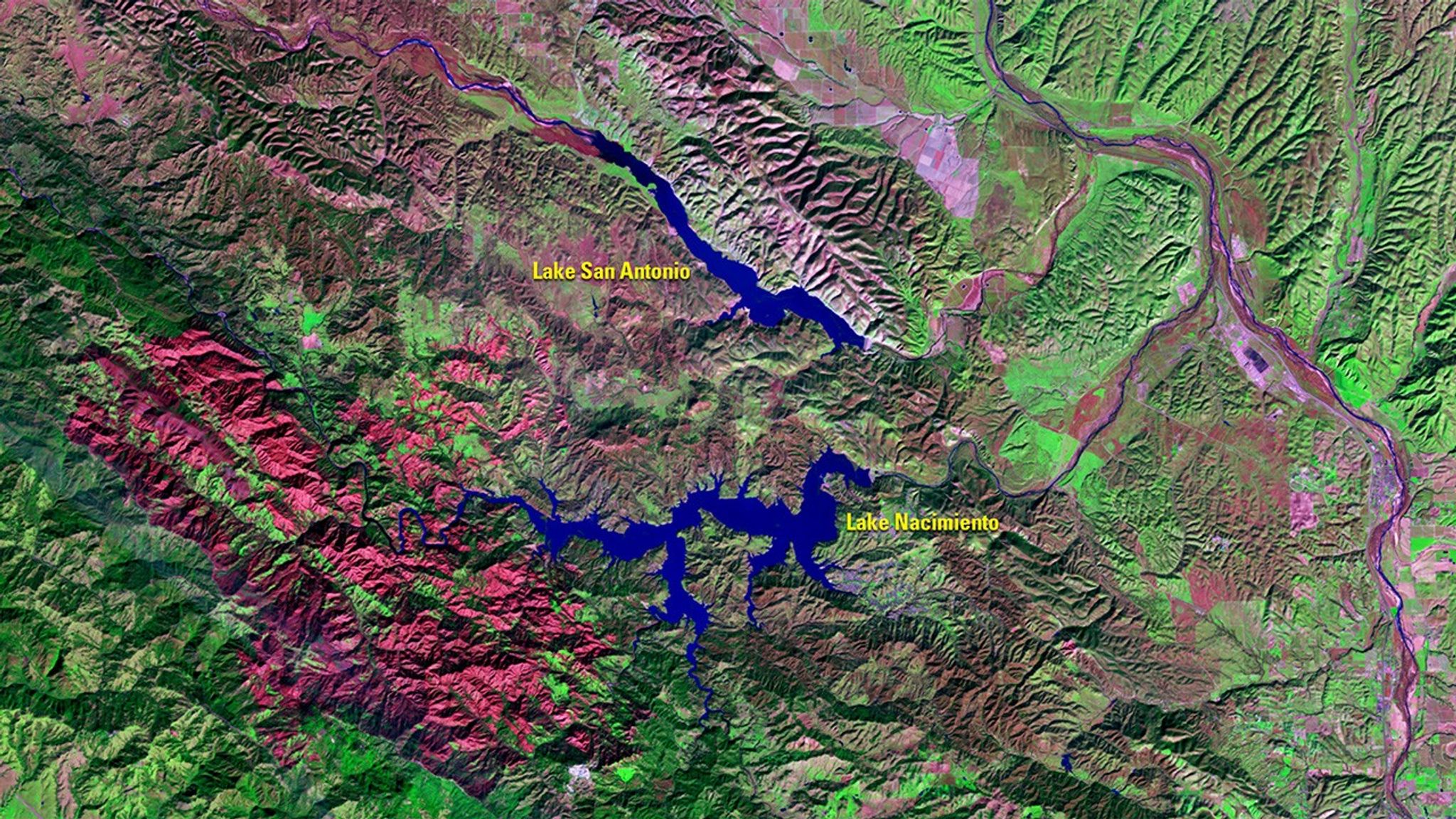
A decade of California drought eased after January 2017, thanks to heavy rains and snow. A year ago, when 40 percent of the state was in exceptional drought (the most severe category), Lake Nacimiento had been only 22 percent full in late 2016, but filled to 81 percent after the much-needed precipitation. Lake San Antonio, only 3 percent full and closed to the public in July 2015, recovered to 26 percent. A red burn scar from the Chimney Fire in August 2016 sits in the lower left of both images. (Drought conditions raise fire danger in the state.) All told, more than 48 percent of California was drought-free as of February 1, 2017, compared to only 5 percent a year ago, according to the Drought Monitor. Images taken by the Landsat 8 satellite. Source: U.S. Geological Survey (USGS) Landsat Missions Gallery: “January Rain, Snow Refills California Reservoirs”; U.S. Department of the Interior / USGS and NASA.
A decade of California drought eased after January 2017, thanks to heavy rains and snow. A year ago, when 40 percent of the state was in exceptional drought (the most severe category), Lake Nacimiento had been only 22 percent full in late 2016, but filled to 81 percent after the much-needed precipitation. Lake San Antonio, only 3 percent full and closed to the public in July 2015, recovered to 26 percent. A red burn scar from the Chimney Fire in August 2016 sits in the lower left of both images. (Drought conditions raise fire danger in the state.) All told, more than 48 percent of California was drought-free as of February 1, 2017, compared to only 5 percent a year ago, according to the Drought Monitor. Images taken by the Landsat 8 satellite. Source: U.S. Geological Survey (USGS) Landsat Missions Gallery: “January Rain, Snow Refills California Reservoirs”; U.S. Department of the Interior / USGS and NASA.
A decade of California drought eased after January 2017, thanks to heavy rains and snow. A year ago, when 40 percent of the state was in exceptional drought (the most severe category), Lake Nacimiento had been only 22 percent full in late 2016, but filled to 81 percent after the much-needed precipitation. Lake San Antonio, only 3 percent full and closed to the public in July 2015, recovered to 26 percent. A red burn scar from the Chimney Fire in August 2016 sits in the lower left of both images. (Drought conditions raise fire danger in the state.) All told, more than 48 percent of California was drought-free as of February 1, 2017, compared to only 5 percent a year ago, according to the Drought Monitor. Images taken by the Landsat 8 satellite. Source: U.S. Geological Survey (USGS) Landsat Missions Gallery: “January Rain, Snow Refills California Reservoirs”; U.S. Department of the Interior / USGS and NASA.
before
after
Before and After
January rain and snow refill California lakes
December 29, 2016 - January 30, 2017
A decade of California drought eased after January 2017, thanks to heavy rains and snow. A year ago, when 40 percent of the state was in exceptional drought (the most severe category), Lake Nacimiento had been only 22 percent full in late 2016, but filled to 81 percent after the much-needed precipitation. Lake San Antonio, only 3 percent full and closed to the public in July 2015, recovered to 26 percent. A red burn scar from the Chimney Fire in August 2016 sits in the lower left of both images. (Drought conditions raise fire danger in the state.) All told, more than 48 percent of California was drought-free as of February 1, 2017, compared to only 5 percent a year ago, according to the Drought Monitor. Images taken by the Landsat 8 satellite. Source: U.S. Geological Survey (USGS) Landsat Missions Gallery: “January Rain, Snow Refills California Reservoirs”; U.S. Department of the Interior / USGS and NASA.