










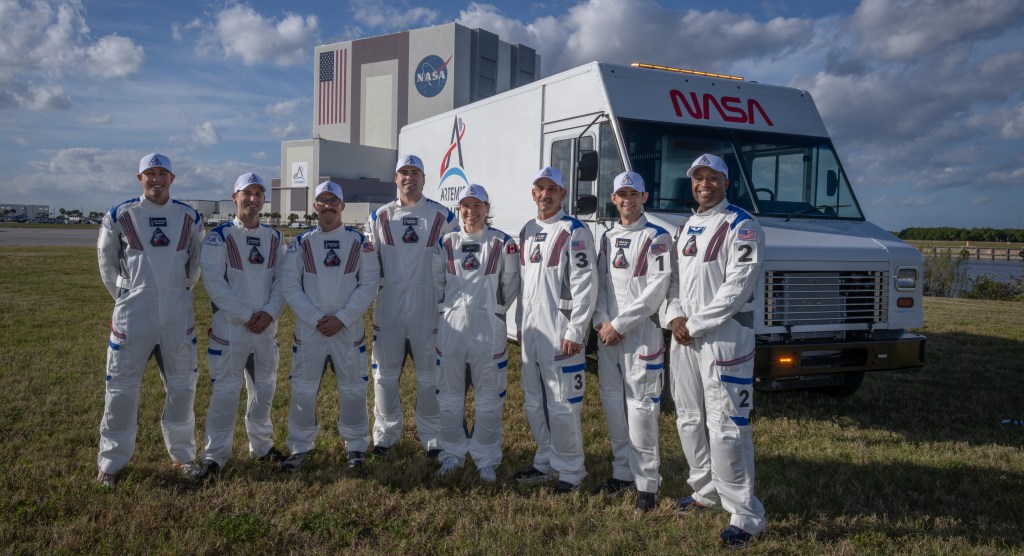


CP-22 Science
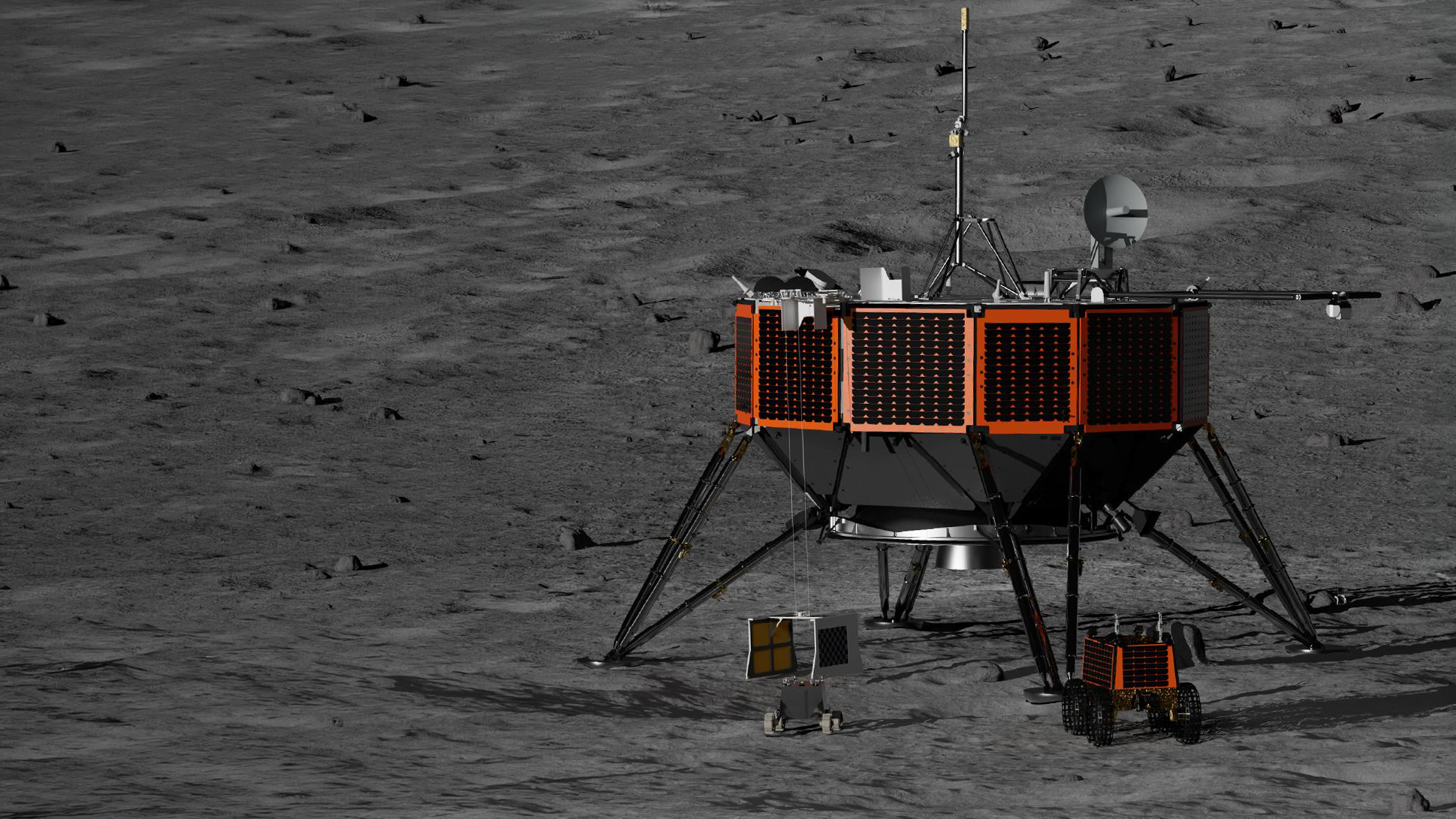
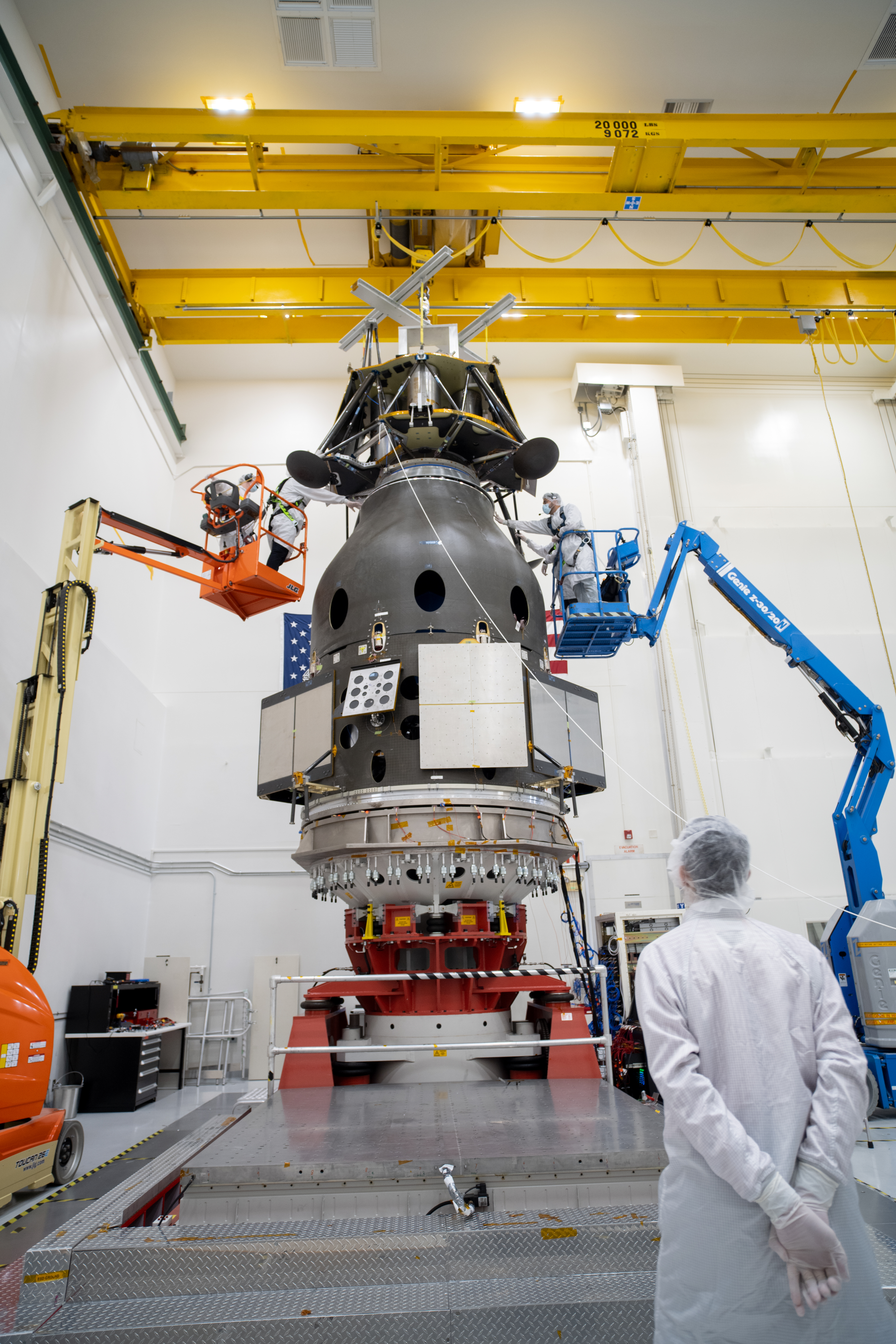
The Intuitive Machines Nova-C lander (IM-3) will deliver six NASA CLPS science payloads to Mons Mouton.
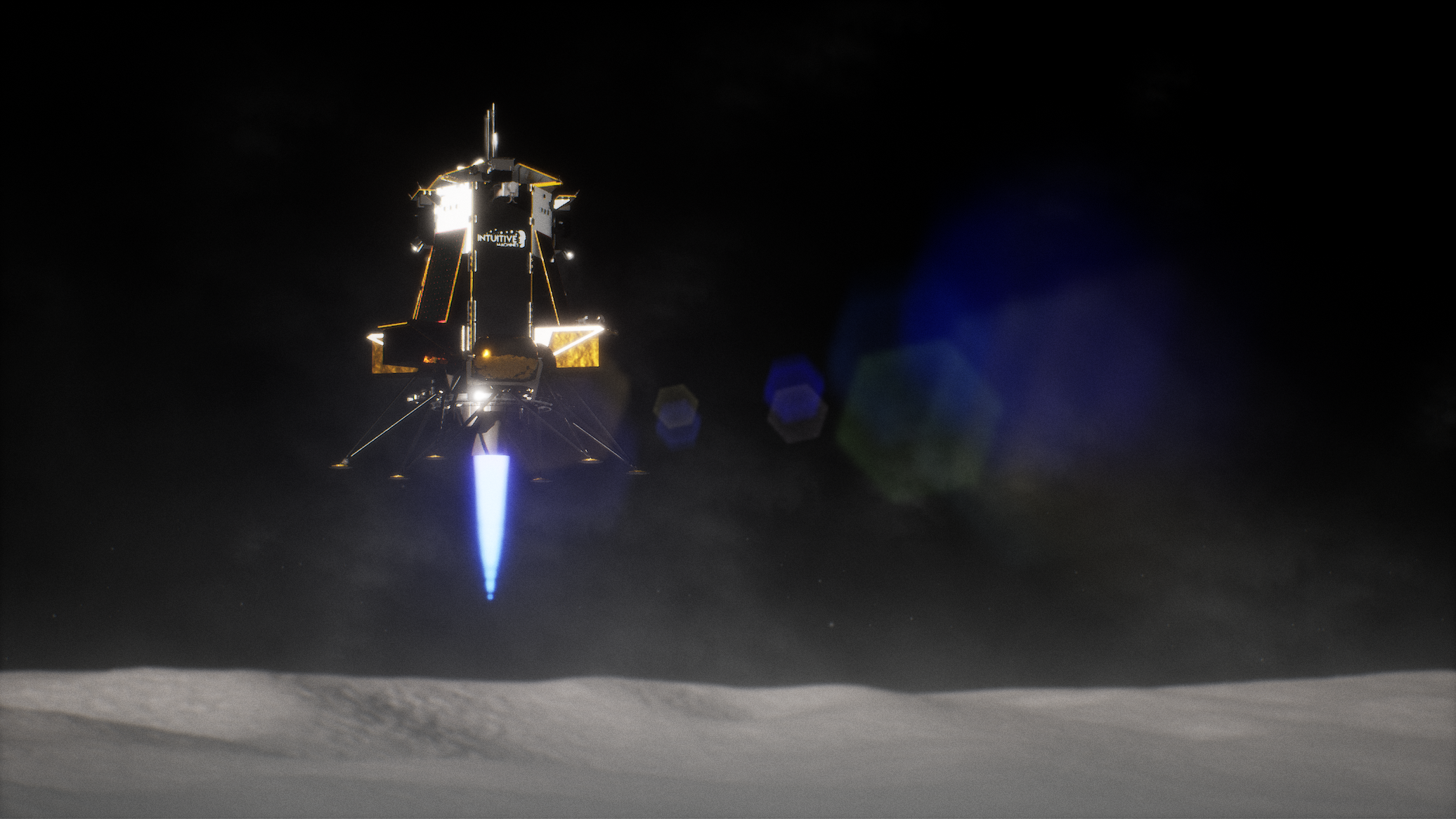
CP-22 Science Payloads
The Marvelous Mons Mouton
At about 4.3 billion years old, over 20,000 feet high, and with a high likelihood of containing life-sustaining materials, Mons Mouton is practically begging to be studied — and we’re happy to oblige. CP-22 will set up camp in this lunar science wonderland, where its payloads will collect data on everything from the Moon’s history to its material composition to human habitability.
Science, Exploration, and Technology Goals
-
Study Deep Space’s Effect on Humans
Deep space radiation just hits different.
The Earth’s atmosphere and magnetosphere are very kind to the human body. Deep space? Not so much. As humans prepare to spend more and more time far away from our planet, it’s vital we protect our astronauts by establishing a more thorough understanding of how the deep space environment influences the human body. One clever and helpful way we can do this without humans being physically present is by studying the effects that radiation and the lunar environment have on yeast cells using LEIA. -
Investigate Magnetic Anomalies
Our attraction to lunar science is downright magnetic. The Moon almost certainly used to have a magnetic field, but now it doesn’t. Interestingly though, there are magnetic anomalies scattered across the lunar surface. Researching these anomalies using MAG will unlock more insights about the geological history of our Moon and help us better understand the potential effects of changes to the Earth’s magnetosphere.
-
Study the Impact of Lunar Landings
Subtlety is not exactly lunar landings’ strong suit. Heat, chemicals, and regolith displacement from the thrusters alter the local environment in a way that can affect data being collected by instruments. In turn, this data changes our understanding of everything from the Earth-Moon history to the habitability of the lunar surface. To make our data collection near landing spots more accurate, we need to study the effects of landing on the lunar surface and exosphere using tools like SEAL.
-
Hunt for Essential Materials
We want to establish a consistent human presence on the lunar surface, and unless we’ve really missed something with LRO, there doesn’t seem to be any grocery or hardware stores on the Moon. This means we have to create and maintain a life-sustaining environment using locally sourced materials. Remote sensing data tells us that there are some crucial elements hiding under the Moon’s hood. We will use PROSPECT and L-CIRiS to help locate nearby chemical compounds that could provide water, oxygen, fuel, and building materials that could allow humans to establish permanent settlements on the Moon.
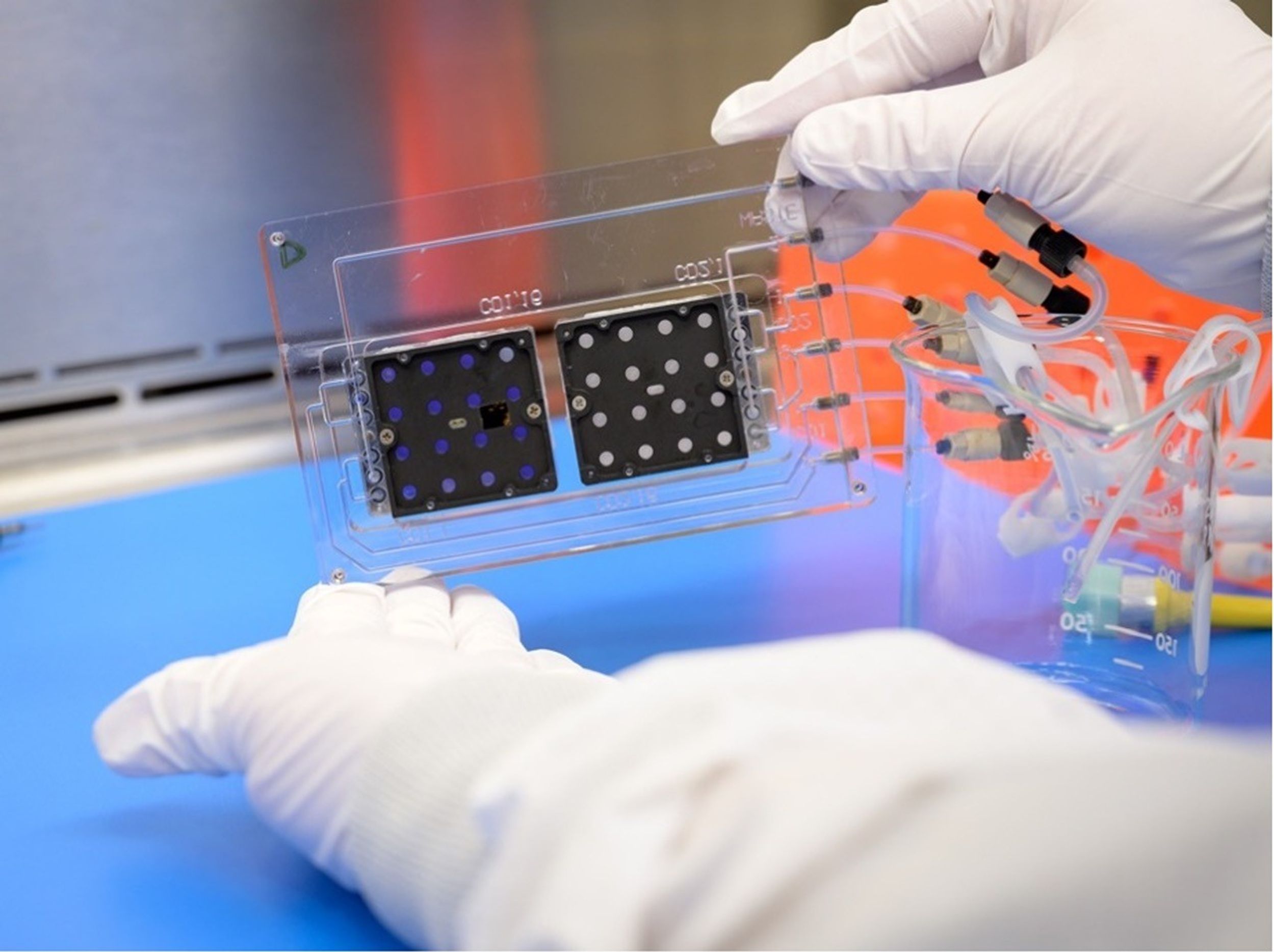
LEIA
Lunar Explorer Instrument for space biology Applications
PIs: Andrew Mark Settles, Dr. Sergio Santa Maria. NASA Ames Research Center
You might not know by looking at it, but the DNA in human cells has a lot in common with the DNA in yeast. So in our quest to better understand the effects of the lunar environment and deep space on the human body, we’re sending LEIA to the lunar surface.
LEIA will house yeast cells along with three small payloads that scientists can use to remotely monitor the yeast. One will nourish the cells and measure the responses, another will measure their radiation exposure, and a third will measure radiation levels on the lunar surface.
Our findings should help us maintain safe and lengthy stays in deep space for humans.
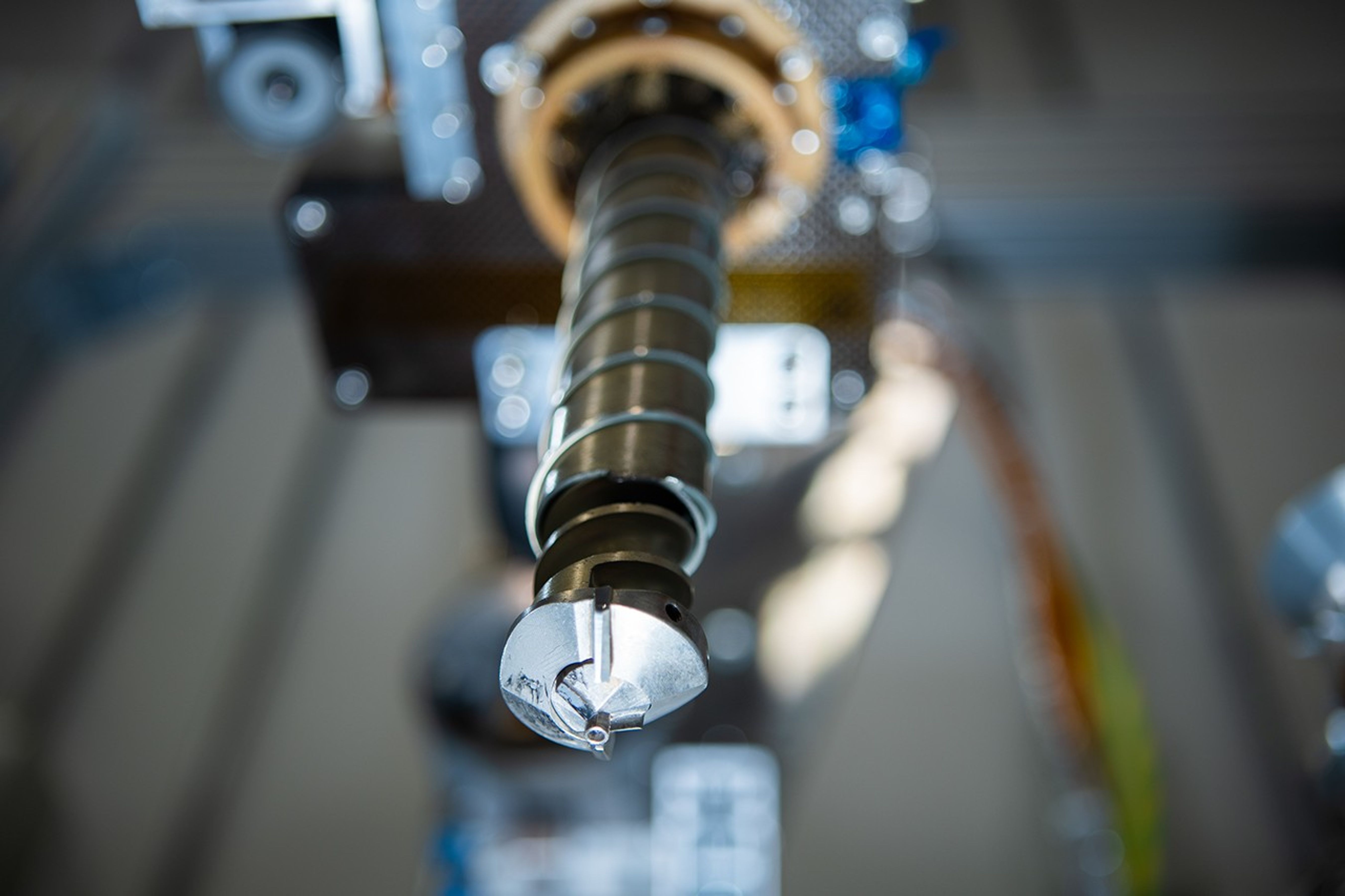
PROSPECT
Package for Resource Observation and in-Situ Prospecting for Exploration, Commercial exploitation and Transportation
European Space Agency (ESA)
PROSPECT, developed by the European Space Agency (ESA)e, is much more than an ordinary drill; it’s a highly advanced multi-function tool used to capture images of the surrounding area, pierce the rough lunar surface, measure depth temperatures, extract material samples, and analyze the materials during and after drilling. To put it very simply, when it comes to collection and analysis of lunar surface material, PROSPECT does it all.
Lunar ice and oxygen are at the top of PROSPECT’s wish list. Humans require water and oxygen to survive (we’re so high maintenance), so if we’re able to generate drinkable water, breathable air, or even rocket fuel from materials that already exist on the Moon, it would allow for permanent human settlements there.
L-CIRiS
Lunar Compact Infrared Imaging System
PI: Dr. Paul Hayne, University of Colorado
Imagine if you could look around and accurately identify the material and temperature of everything you see. That’s exactly what L-CIRiS will do on the lunar surface.
L-CIRiS is a multispectral imaging radiometer, which is basically a substance-identifier, thermal camera, and regular camera rolled into one. It will perform 360° panoramic scans and provide in-depth analysis of the surroundings, measuring temperatures from -170°C (-274°F) to +100°C (212°F) and mineral composition at an unprecedented resolution.
Data from L-CIRiS aims to provide insight into the Moon’s formation and geologic evolution, identify potential exploration hazards, and help us discover the ultimate treasure — water ice.
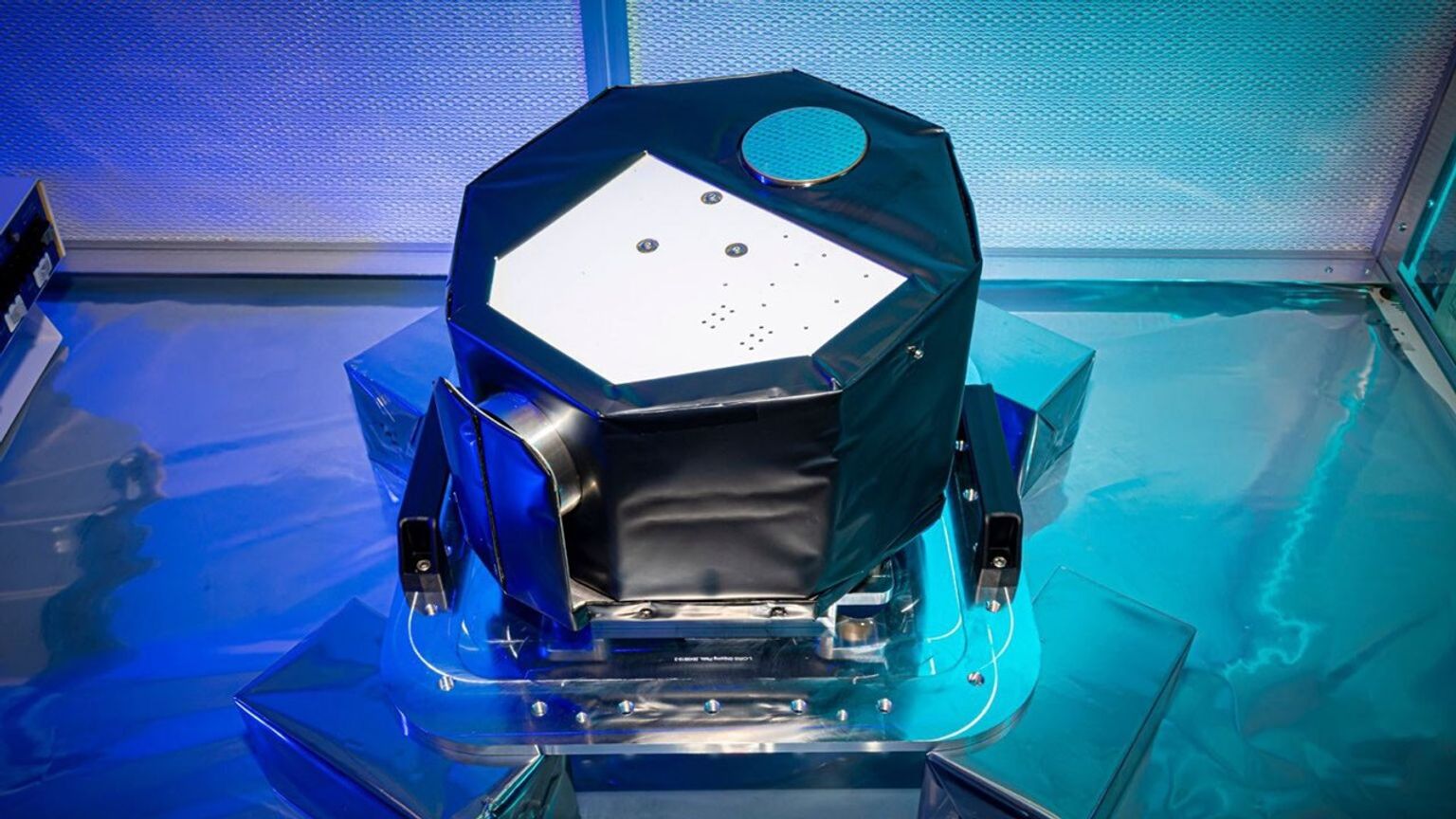
SEAL
Surface and Exosphere Alterations by Landers
PI: Dr. Mehdi Benna, NASA Goddard Space Flight Center
Lunar landings have some massive effects on the lunar surface. SEAL is an instrument designed to help us understand these effects. It will analyze regolith (think of it like “Moon dirt”) before, during, and after descent. It works like a molecular detector that can “sniff out” different gases and particles by their unique signatures by measuring changes in heat, chemical exhaust, and physical behavior.
Data provided by SEAL will allow scientists to better distinguish between natural lunar materials and contamination from human activities. This ensures more accurate analysis of lunar samples and will advance scientific context for past and future specimens.
/SEAL%20CLPS.jpg?w=1305&h=745&fit=clip&crop=faces%2Cfocalpoint)
MAG
Fluxgate Magnetometer
NASA Goddard Space Flight Center
A Fluxgate Magnetometer (MAG) measures the magnetic field of a planetary body like the Earth or Moon. It essentially acts as a high-tech compass, but instead of using a magnetized needle to point you home, it has a magnetically sensitive core wrapped in sets of coils to provide precise measurements. These sensitive instruments can magnetic anomalies on the lunar surface.
While the Moon no longer has a complete magnetic field, it may have had one billions of years ago, and MAG can still help us understand the history of the Moon, its inner structure, and its surface features. And, in many ways, the study of the Moon is the study of the Earth — we’ll better understand our own planet and history by studying our nearest neighbor.

LRA
Laser Retroreflector Array
PI: Dr. Xiaoli Sun, GSFC
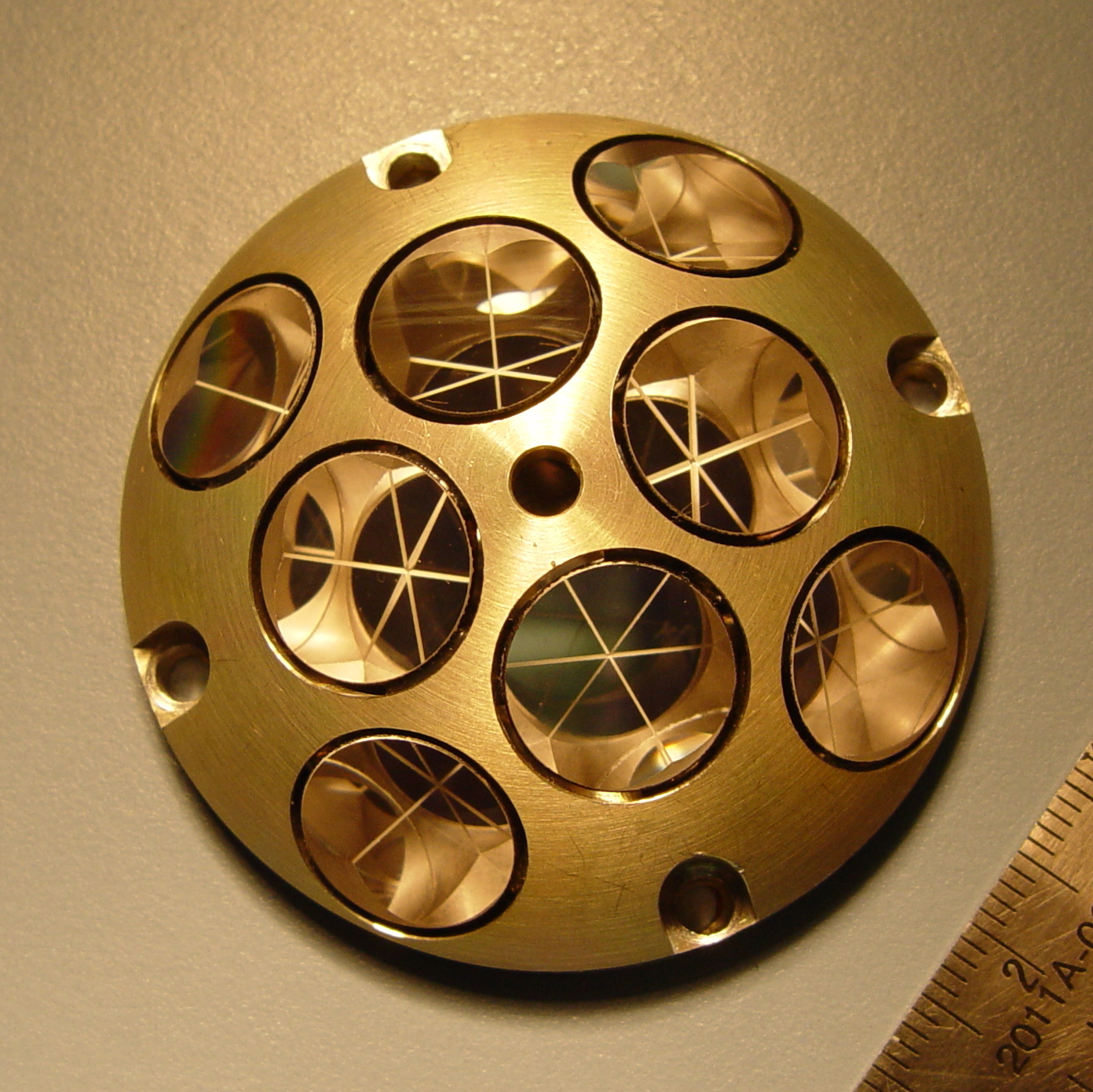
The Laser Retroreflector Array (LRA) is the ultimate sidekick to any lunar surface payload. Payload-collected data needs precise locations to maximize its effectiveness and accuracy, and LRA does exactly that. LRA uses reflected laser light from orbiting spacecraft to determine its exact location, including a precise distance to Earth.