



















CS-6 Science
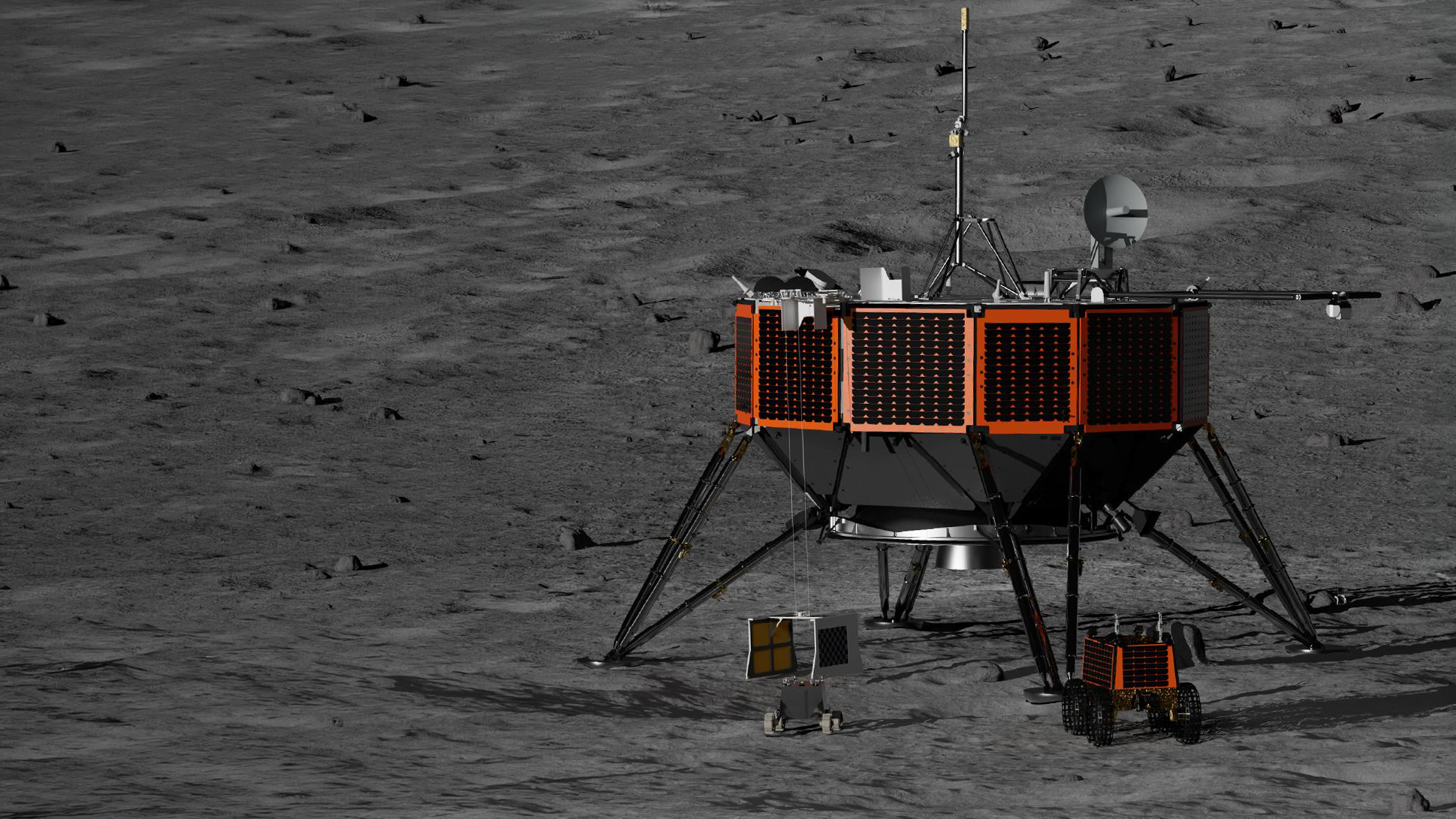
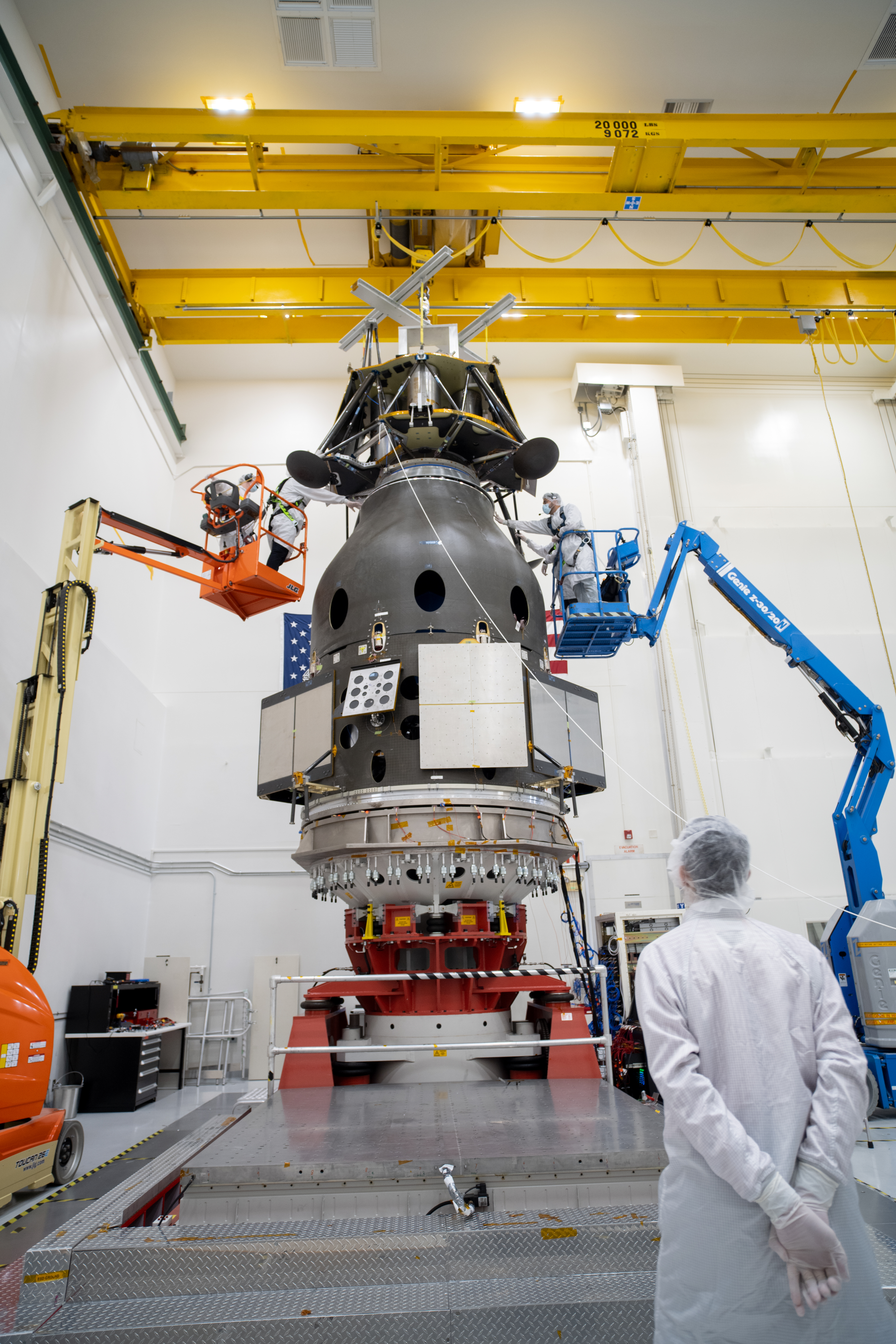
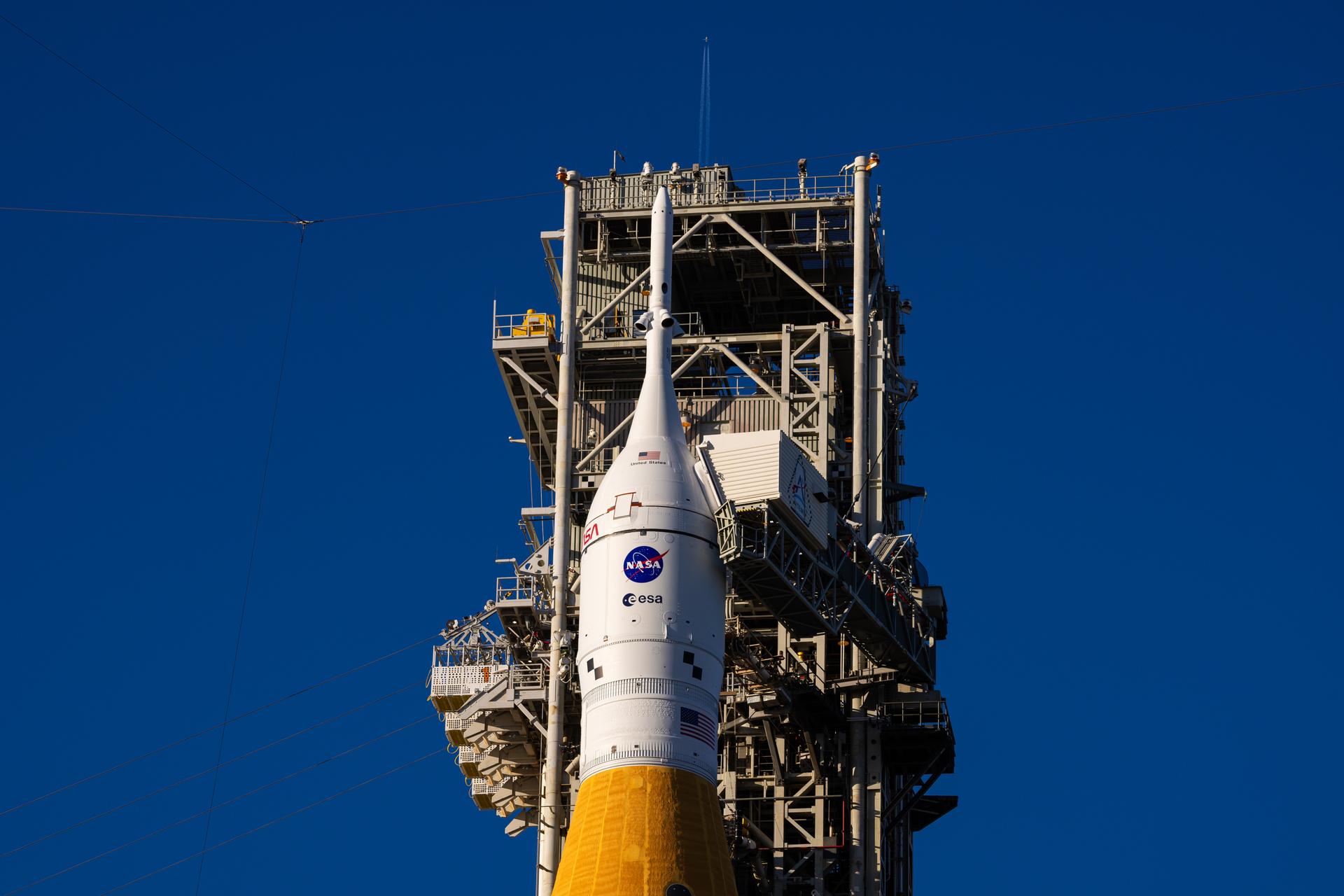
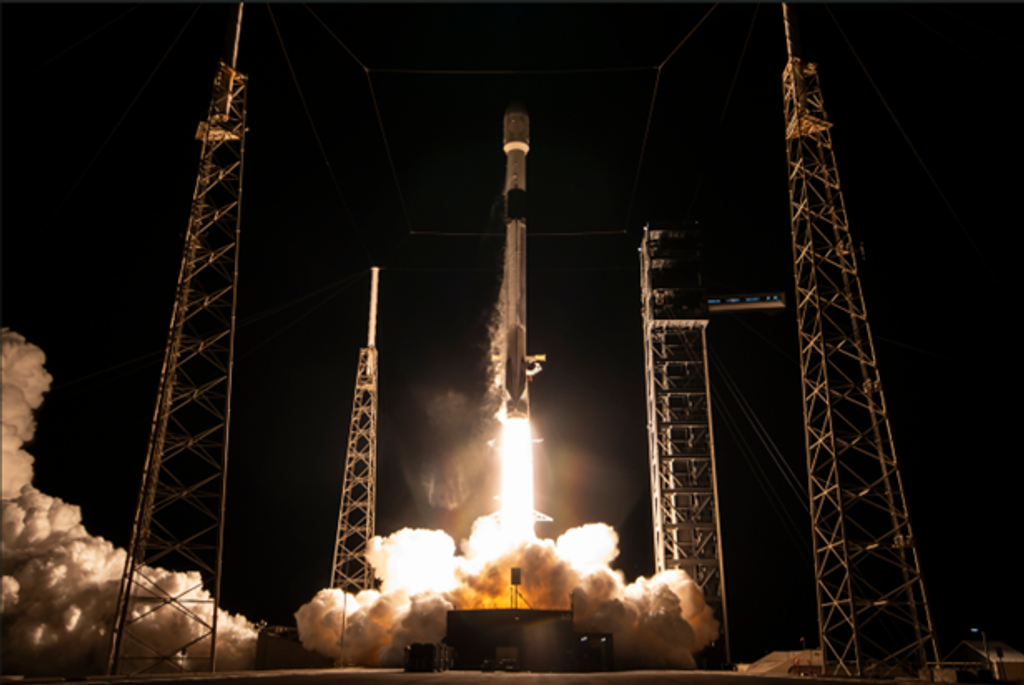
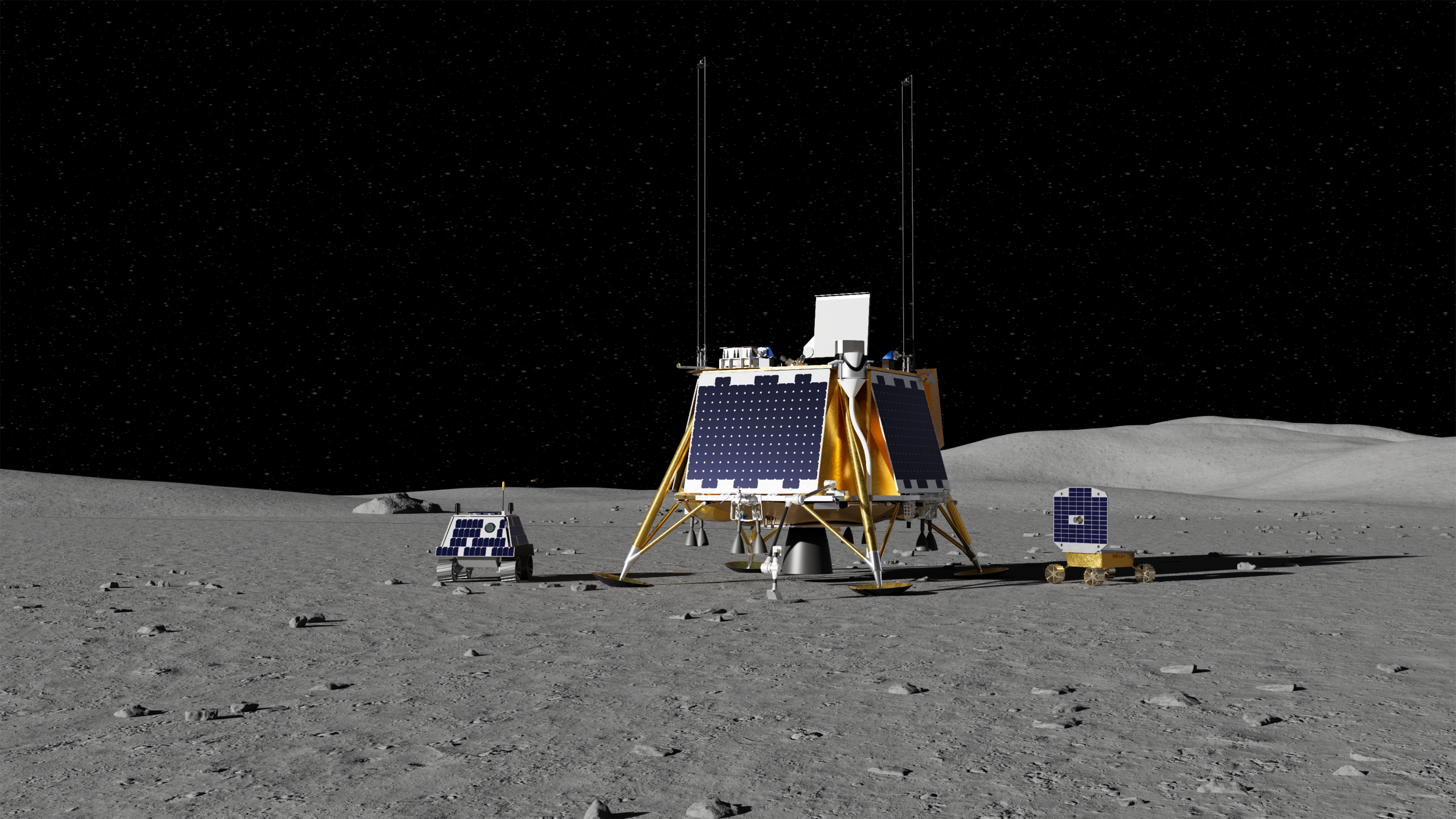
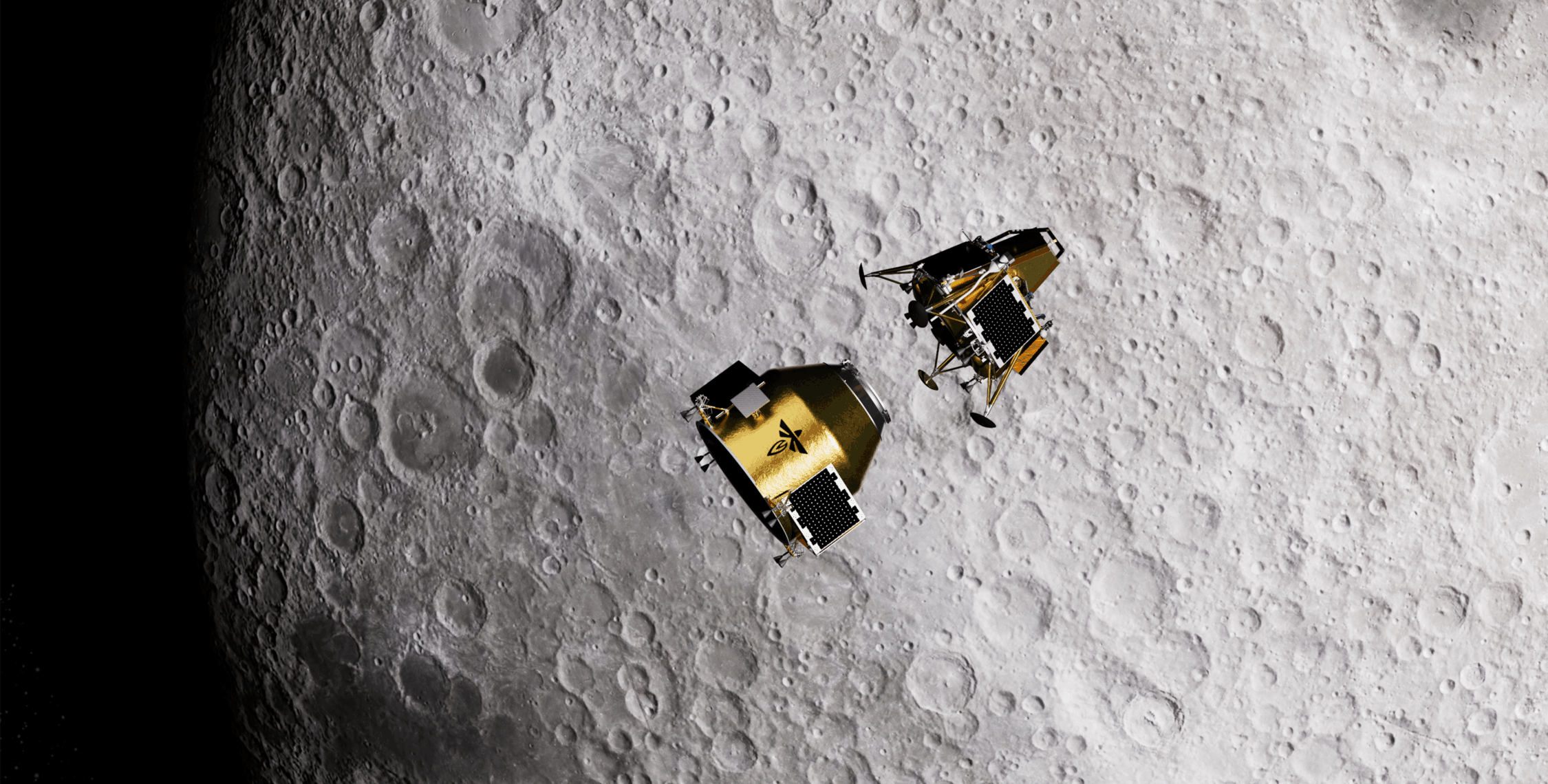
The Firefly Aerospace Blue Ghost Mission 4 lander will deliver four NASA CLPS science payloads to the lunar south pole.
Cold? Old? Sold!
The lunar south pole’s coldest shadowed regions are hypothesized to contain lunar ice near some of the oldest materials on the lunar surface. That might not sound like your dream vacation destination, but it’s the perfect location for Blue Ghost 4 to deliver our CS-6 science payloads that will demonstrate unprecedented technology, search for life-sustaining materials, and study our solar system’s history.
Science, Exploration, and Technology Goals
-
Study Lunar Landings
Lander descents make a real mess of the lunar surface, but this isn’t necessarily bad. When we study landing ejecta, we learn about the physical properties and behaviors of the nearby materials and surface interactions. These takeaways help us better understand lunar surface materials and improve the success of future lunar landings. SCALPSS will use its advanced camera array to extensively capture videos and photos of the lunar surface and lander before, during, and after the descent, providing scientists with a vast amount of useful data — including a 3D view of the surface.
-
Unlocking the Lunar Timeline
The Moon’s cratered face is that of a planetary body that has stories to tell. Everything from the origin of the solar system to the formation of the planets to the evolution of life on Earth can be brought into greater focus by sharpening our lunar timeline. Refined chronology estimates will help us better understand where we came from and where we’re going.
Data provided by LIMS will give us a better idea of the ages and origins of surface materials, and when correlated with locations and other surface data, should provide scientists with a refined picture of the history of… well, everything! -
Search for Vital Resources
We’re dripping with excitement about the possibility of finding water (and other crucial materials) on the lunar surface. Humans require water and oxygen to survive (we’re so high maintenance), so if we’re able to generate drinkable water, breathable air, or even rocket fuel from locally sourced lunar materials, it could allow for permanent human settlements!
In the hunt for lunar ice, MoonRanger will brave the coldest spots in the Moon’s PSRs (permanently shadowed regions), using its Neutron Spectrometer System to sniff out hydrogen in the lunar subsurface and identify where ice might be hiding. Positive identification and access could pave the way for long-term, sustainable human exploration missions. -
Demonstrate Autonomous Navigation
If you think it’s tough maintaining phone reception in a tunnel, try keeping a connection with an instrument on the lunar far side with no direct line-of-sight to Earth. But that won’t stop us from studying it! Autonomous navigation will allow rovers carrying science payloads to navigate themselves when we aren’t able to connect to them. These independent systems are vital for the future of space exploration. MoonRanger will autonomously explore the lunar surface, following waypoints while adapting to terrain obstacles.
-
Precision In-situ Analysis
Since we don’t have a science laboratory on the Moon yet, our payloads often analyze material samples in-situ, or “right there on the lunar surface.” The accuracy of these measurements is crucial, as even slight deviations can significantly affect our findings — findings that span the entirety of lunar science priorities worldwide.
It hasn’t been possible to conduct laboratory-grade analysis on another planetary surface — until now. LIMS, armed with a precision laser, shatters this limitation, providing unprecedented accuracy on the lunar surface. It will act as the Moon’s first forensic scientist, assessing the isotopic composition of the surface materials in our quest to better understand the solar system’s past, present, and future.
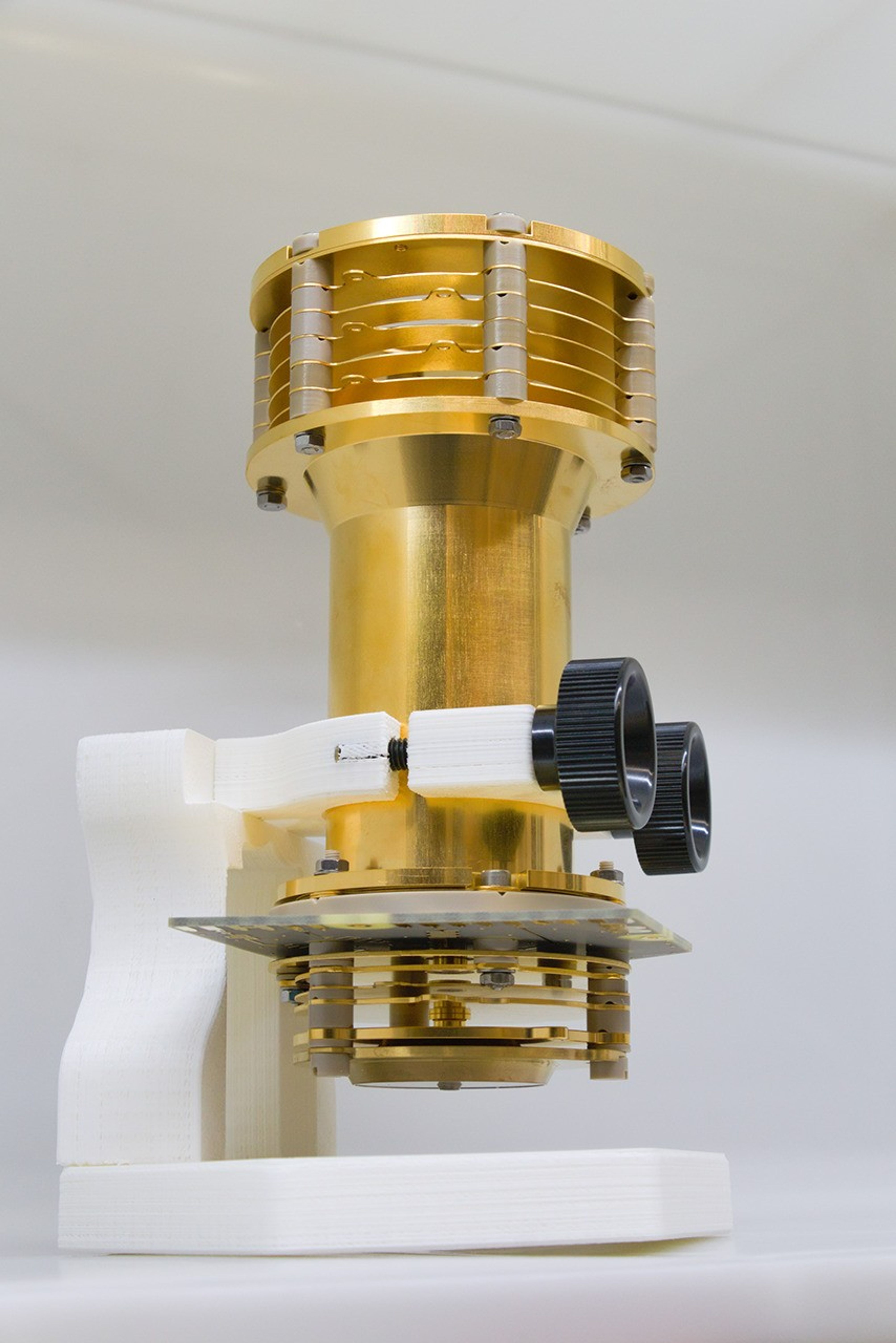
LIMS
Laser Ablations Ionization Mass Spectrometer
PI: Andreas Riedo, University of Bern
Analyzing the materials on the lunar surface is like digging into the Moon’s historical archive and traveling to its past — no DeLorean required.
LIMS will collect surface material, use unique pulsed laser technology to create charged particles, and analyze the particles in-situ (meaning “right there on the lunar surface”). The results will reveal chemical compositions and material properties of the lunar regolith, teaching us about the Moon's formation, geological processes, and useful materials —information crucial for future deep space exploration and even understanding Earth.
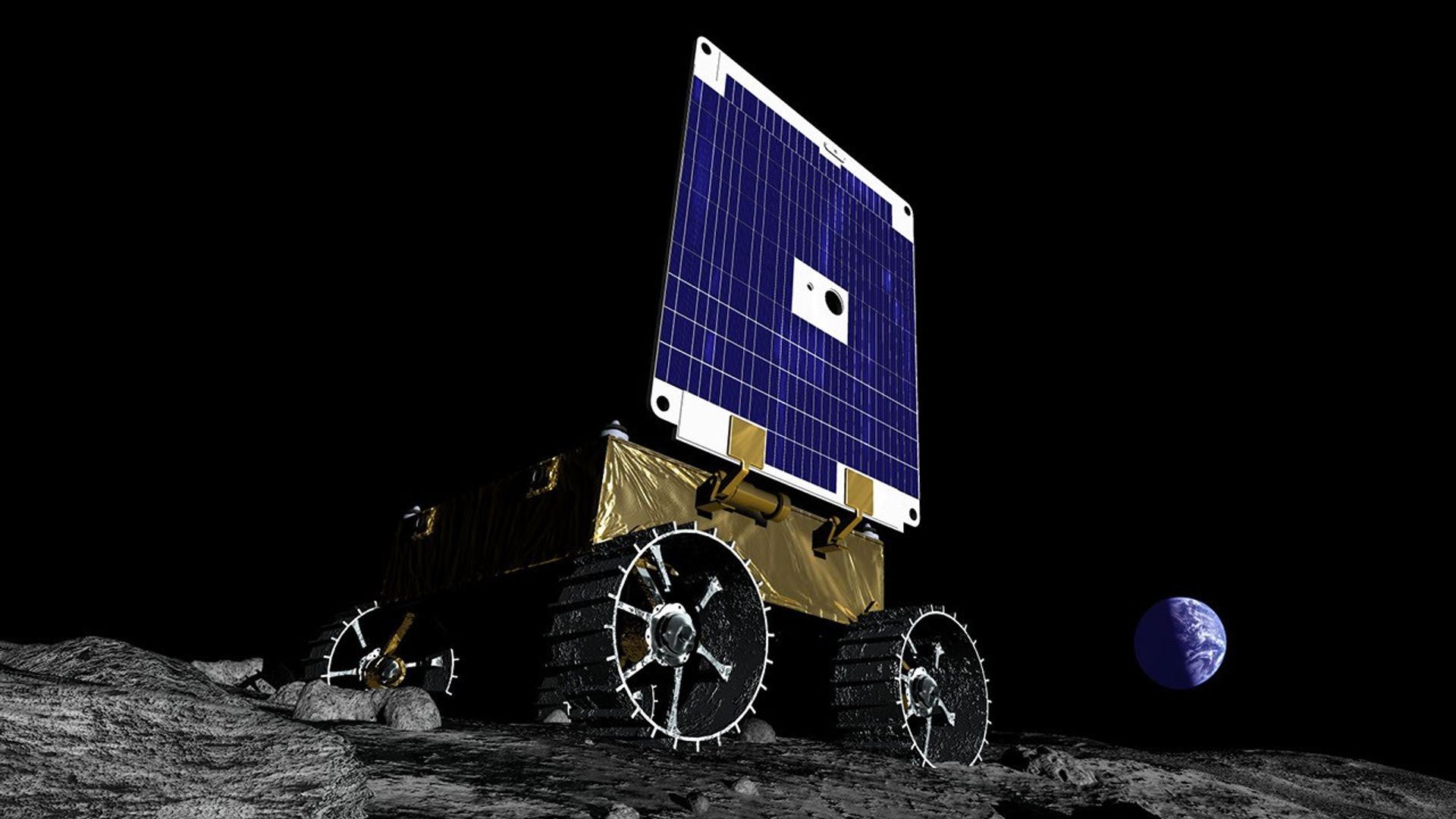
MoonRanger
PI: Andrew Horchler, Astrobotic
Though small in size, MoonRanger carries a mighty mission: help uncover hidden water reserves.
MoonRanger is a compact rover, roughly about the size of a suitcase. It will carry a neutron spectrometer capable of detecting hydrogen in lunar soil up to 1 meter deep. Hydrogen may be a key indicator of the presence of water, which, if detected on the Moon, could revolutionize lunar exploration.
This little rover also has a unique and exciting ability to explore the surface. It can operate continuously and autonomously using 2 sets of stereo cameras to safely navigate between programmed waypoints.
SCALPSS
Stereo Cameras for Lunar Plume-Surface Studies
PIs: Robert Maddock and Joseph Atkinson, LaRC
If a photograph is worth a thousand words, SCALPSS is going to provide a mouthful.
SCALPSS 1.x is an array of high-resolution cameras that will collect imagery during descent and after landing. In addition to providing information about regolith reaction to high-power lander thrust, the stereographic photogrammetry will produce overlapping images that will allow researchers to construct a 3D view of the surface. Data provided by SCALPSS will help guide lunar lander design for the next generation of lunar exploration.

LRA
Laser Retroreflector Array
PI: Dr. Xiaoli Sun, GSFC
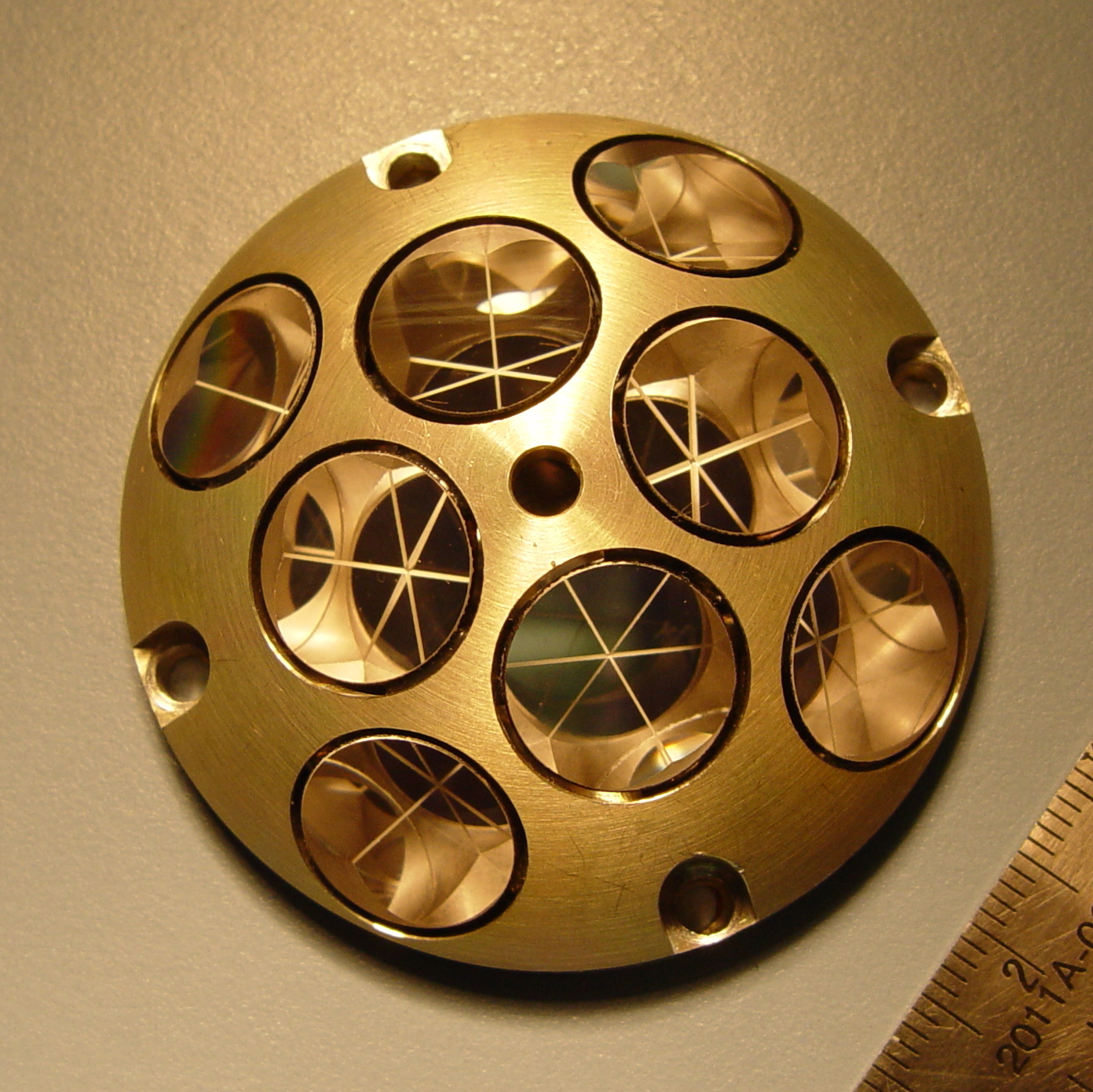
The Laser Retroreflector Array (LRA) is the ultimate sidekick to any lunar surface payload suite. Payload-collected data needs precise locations to maximize its effectiveness and accuracy, and LRA does exactly that. LRA uses reflected laser light from orbiting spacecraft to determine its exact location, enabling an indirect measurement of a precise distance to Earth.