





DAVINCI Science
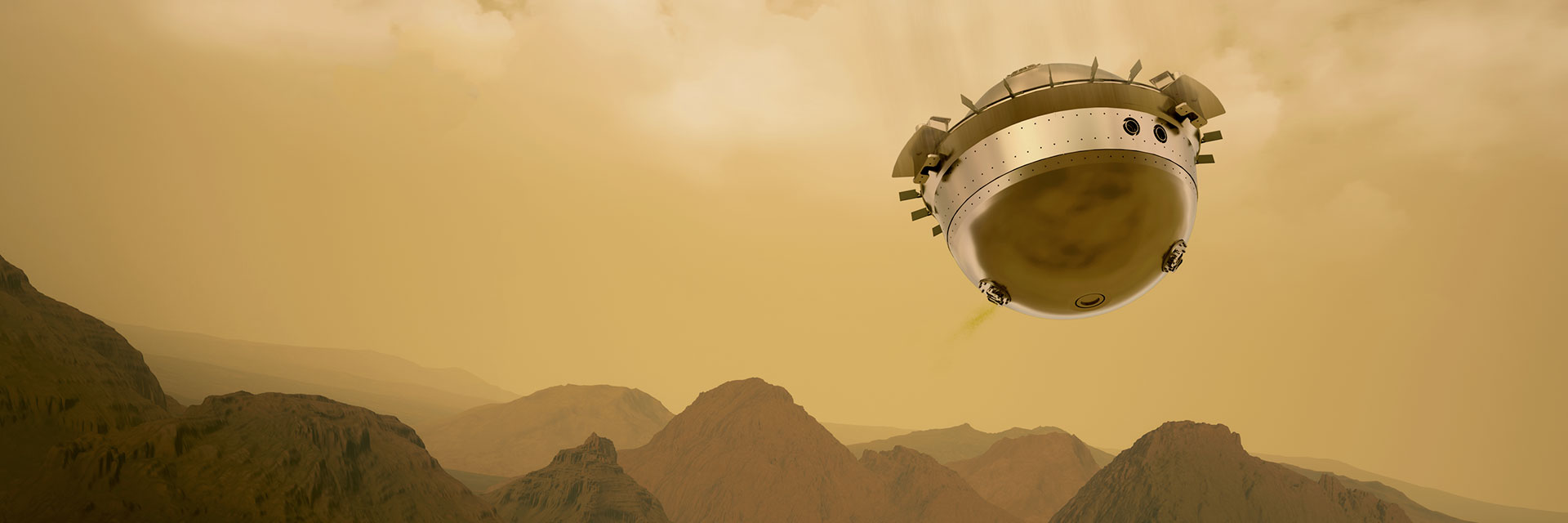
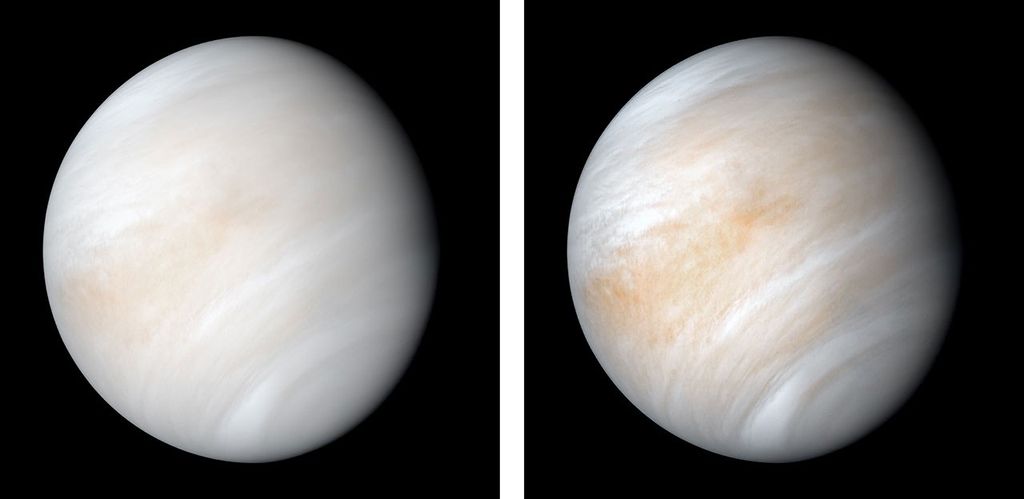
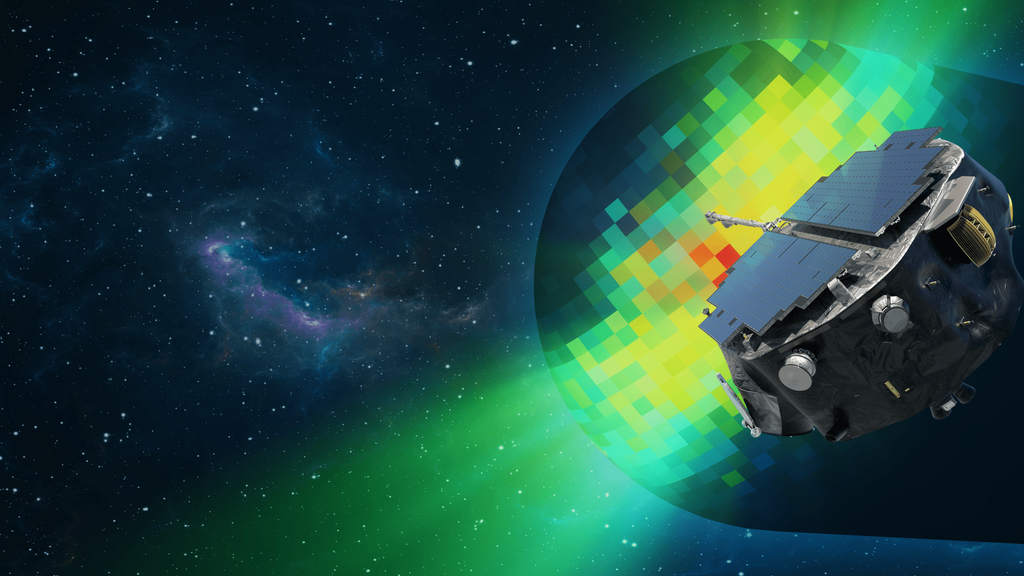
NASA’s DAVINCI (Deep Atmosphere Venus Investigation of Noble gases, Chemistry, and Imaging) mission will study Venus from above its clouds down to its surface, investigating how the planet and its massive atmosphere formed and evolved over the past 4.5 billion years.
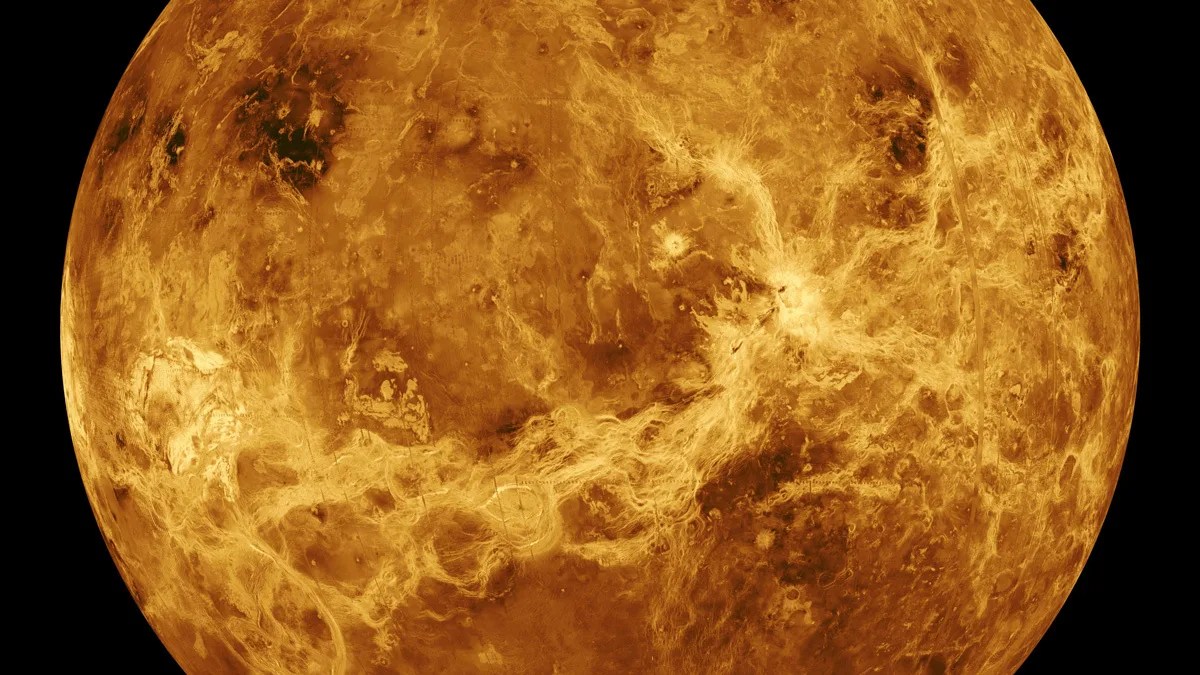
Made of solid rock at its surface, like Earth, and about the same size and similar distance from the Sun, Venus was long expected to be Earth’s twin. But as soon as the first U.S. spacecraft, Mariner 2, flew past Venus in 1962, the centuries-old notion that Venus is our twin was quickly and conclusively dispelled. Dozens of missions, mostly from the United States and the former Soviet Union, were dispatched to Venus in the second half of the 20th century, each beaming back more evidence that the planet was nothing like we expected: covered in ancient lava and punishingly hot, with a thick envelope of noxious gases forming its atmosphere.
Did processes similar to Earth's — plate tectonics and liquid water — shape the Venusian surface? The DAVINCI mission hopes to find out.
Jim Garvin
DAVINCI Principal Investigator
DAVINCI’s probe will be the first spacecraft to descend through the atmosphere since the Soviet Vega 2 lander in 1985. It will land in a region called Alpha Regio, which is twice the size of Texas — the second largest state in the United States by land area. Alpha Regio is a type of geological feature called a “tessera.” So far found only on Venus, tesserae are cracked and wrinkled highland regions similar in appearance to rugged mountains on Earth. These elevated tessera regions like Alpha Regio, which sits about a mile, or 1.6 kilometers, above the surrounding plains made of volcanic lava flows, are extremely valuable for research as they may be the oldest surfaces on the planet, and, as such, offer scientists access to rocks that are billions of years old. Infrared images of Venus’ surface suggest that some tesserae may have mountains of granite, which is a type of rock rich in silica that makes up Earth’s continents.
Science Instruments
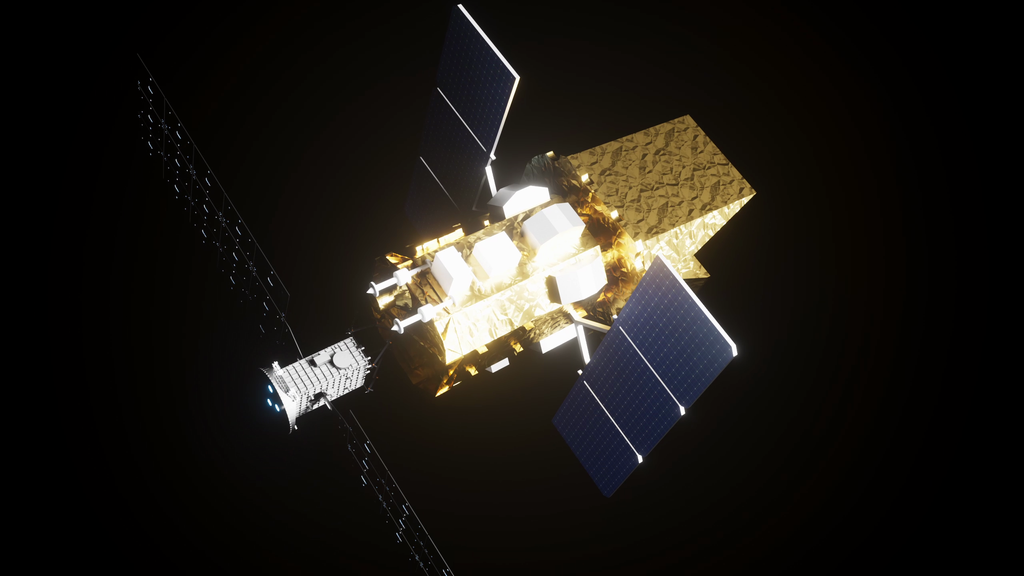
Main spacecraft:
Venus Imaging System for Observational Reconnaissance (VISOR)
Four cameras that will take ultraviolet images of cloud motions and capture near-infrared images to reveal heat emanating from the planet’s surface, which will help scientists determine surface composition.
Compact Ultraviolet to Visible Imaging Spectrometer (CUVIS)
Will test new technologies to help identify a mysterious compound in the atmosphere called the “unknown absorber” that soaks up half of the incoming sunlight.
Probe:
Venus Tunable Laser Spectrometer (VTLS)
Will measure chemical compounds in the atmosphere for insight into Venus’s past.
Venus Mass Spectrometer (VMS)
Will study the atmosphere, including noble gases and trace compounds from 42 miles altitude to the near-surface to understand Venus’s past and present.
Venus Atmosphere Structure Investigation (VASI)
Will measure pressure, temperature, and wind speed at regular intervals throughout the probe’s descent.
Venus Descent Imager (VenDI)
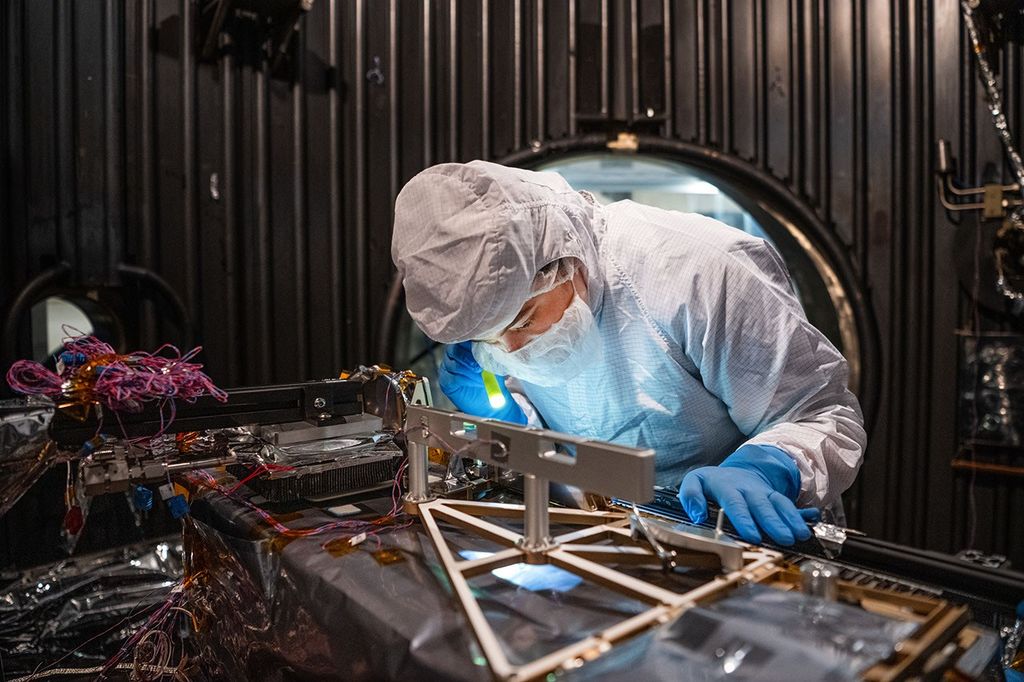
An infrared camera, set behind a lab-grown sapphire window that will shield the camera without blocking its view, at the bottom of the probe that will snap the first close-up images of the composition and relief of Alpha Regio, which may be the oldest surface on the planet.
Venus Oxygen Fugacity (VfOx)
A sensor, designed and built by students, will measure oxygen in the lowest part of the atmosphere.
Venus
Venus is the second planet from the Sun, and the sixth largest planet. It’s the hottest planet in our solar system.
Learn More