














Explorer 1
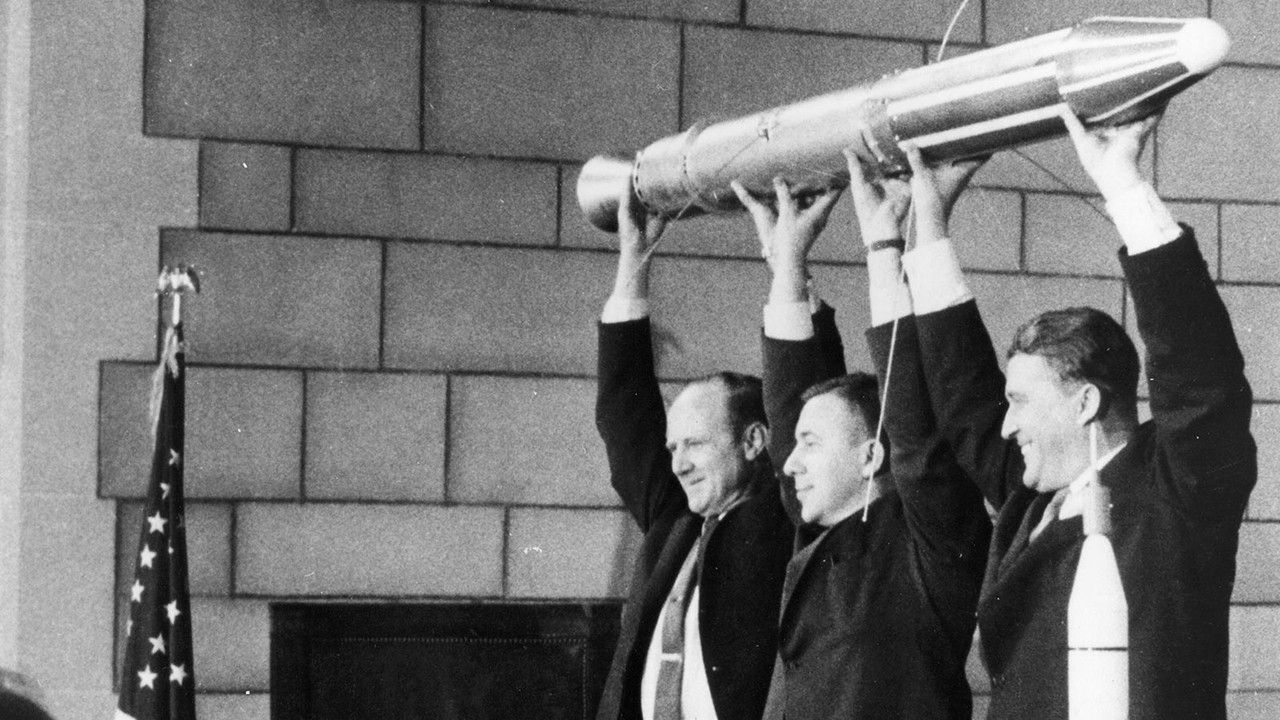
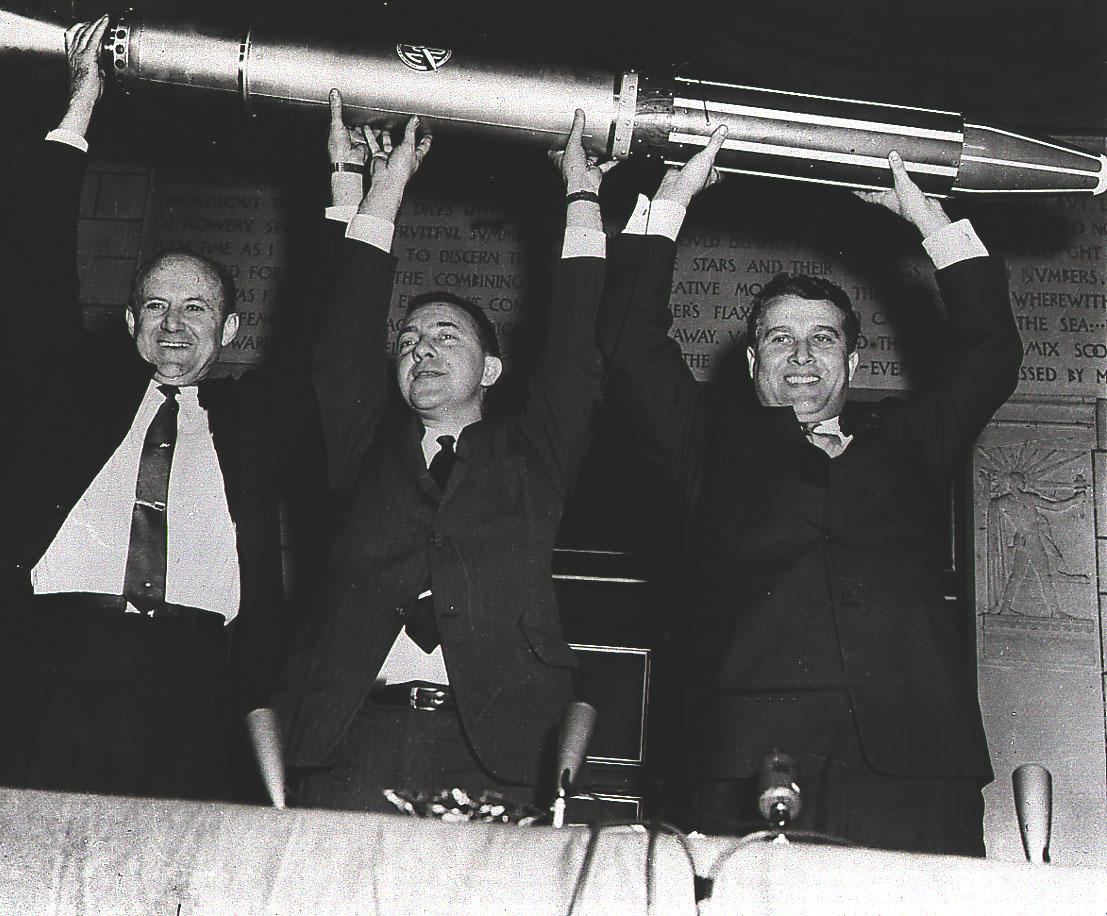
America’s First Satellite: The United States entered the Space Age on Jan. 31, 1958 with the successful launch of Explorer 1. Once orbit was confirmed, Jet Propulsion Laboratory Director William H. Pickering, University of Iowa physicist James Van Allen and Wernher von Braun of the Army Ballistic Missile Agency (shown left-right) broke the news at a 1 a.m. press conference at the National Academy of Sciences building on Feb. 1, 1958. Reporters and photographers encouraged the trio to hold aloft the actual-size model of Explorer 1, creating an iconic image that made the front pages of newspapers across the world.
Mission Type
Partners
Launch
Last Transmission
Featured story
Explorer 1 Overview
Explorer 1 was the first satellite launched by the United States when it was sent into space on January 31, 1958.
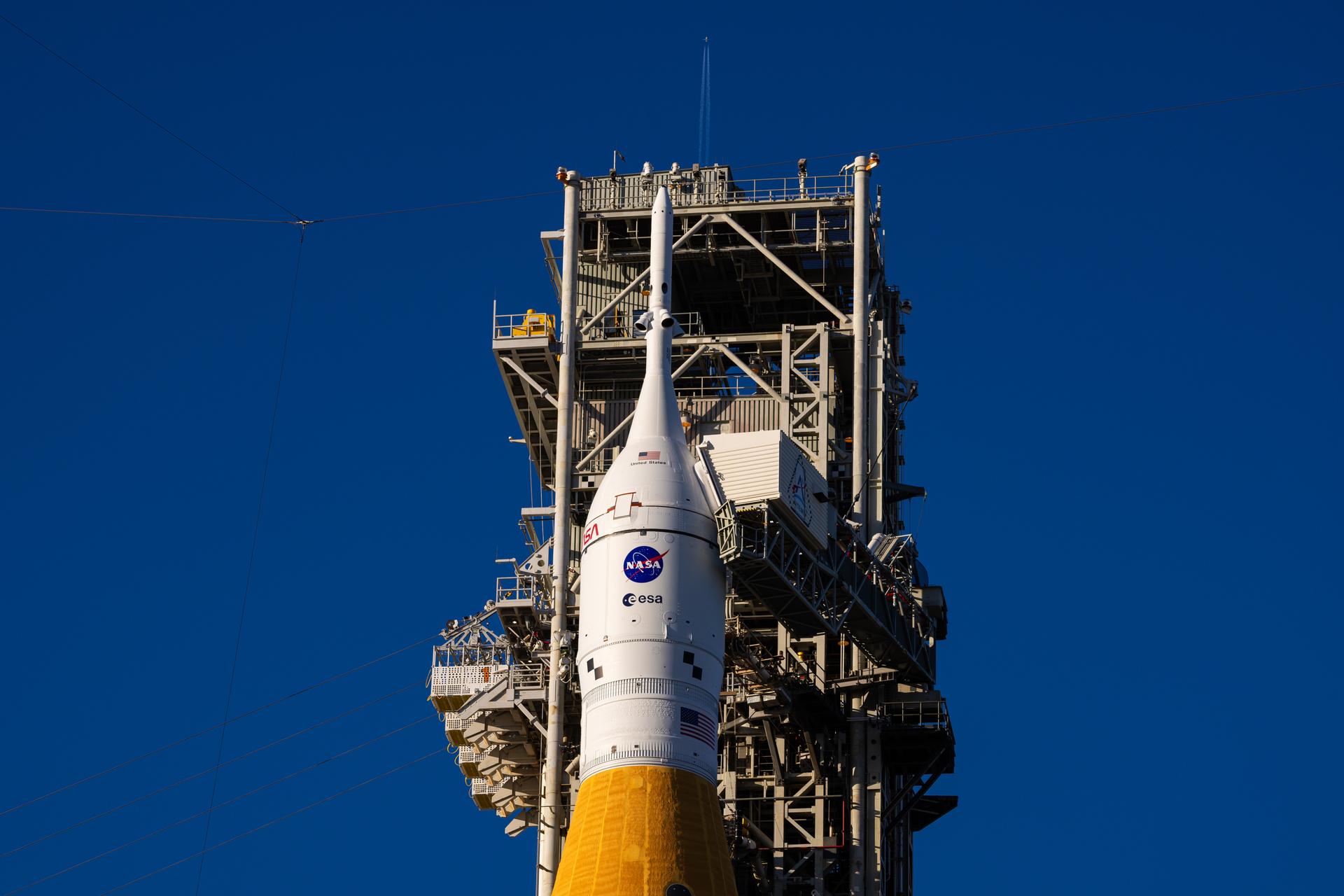
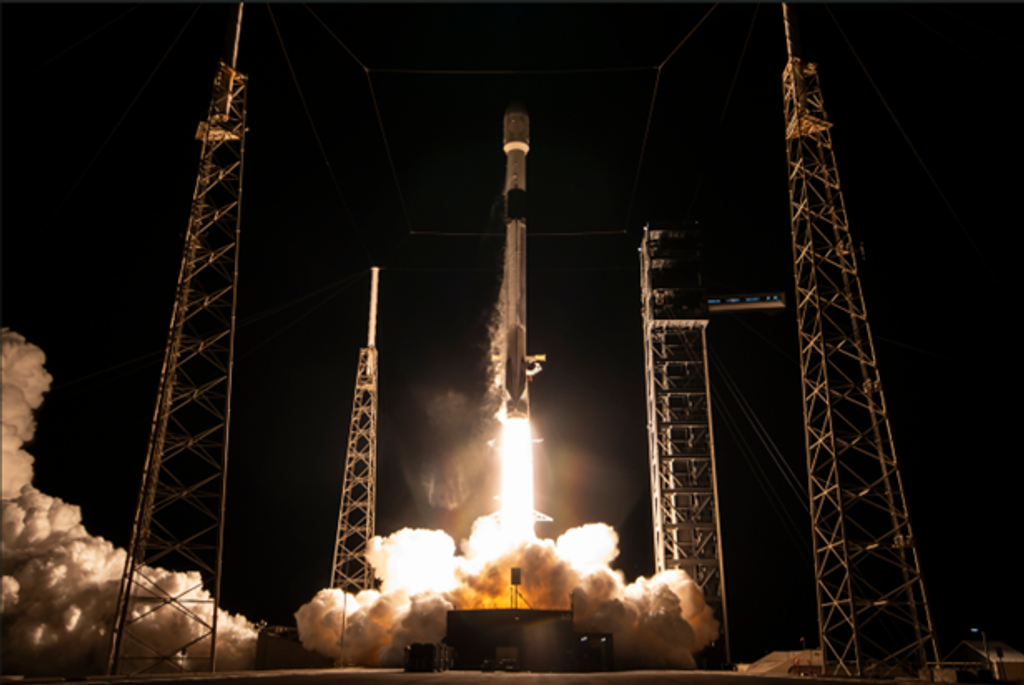
NASA’s Space Launch System rocket carrying the Orion spacecraft launches on the Artemis I flight test, Wednesday, Nov. 16, 2022, from Launch Complex 39B at NASA’s Kennedy Space Center in Florida. Credits: NASA/Joel Kowsky
Read the Story
The Science
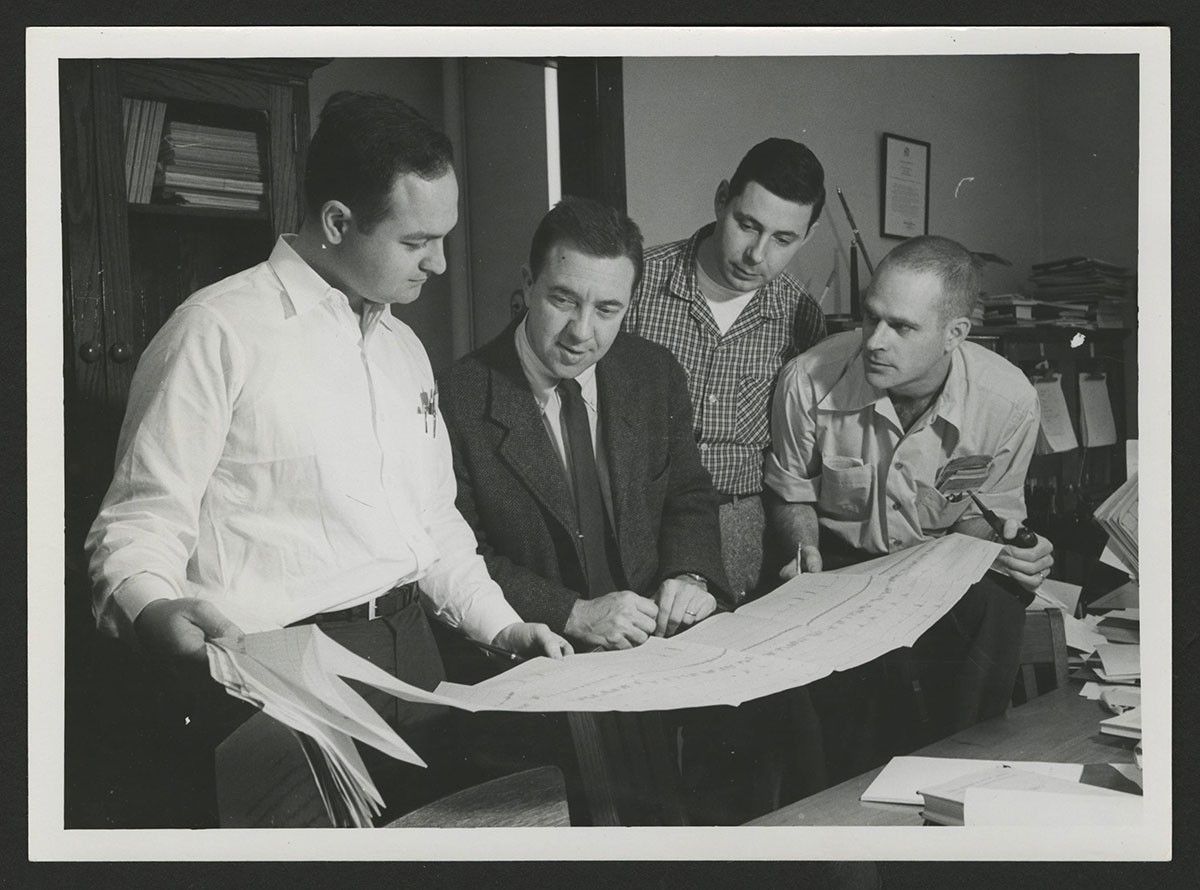
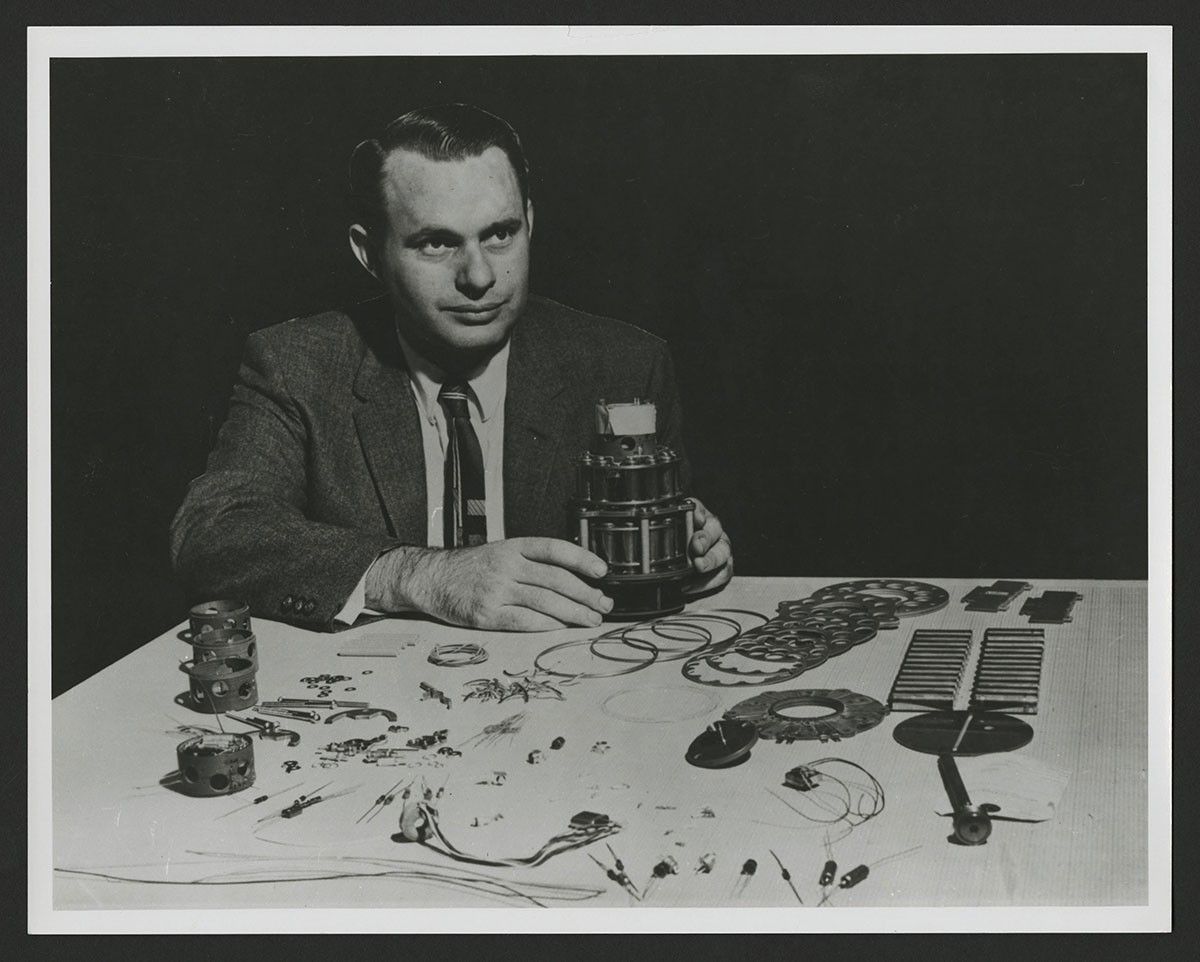
The science section of the satellite, designed by University of Iowa physicist James Van Allen, was relatively straightforward.
The main instruments were a cosmic-ray detection package; internal, external and nose-cone temperature sensors; a micrometeorite impact microphone; a ring of micrometeorite erosion gauges; and two transmitters.

The Launch
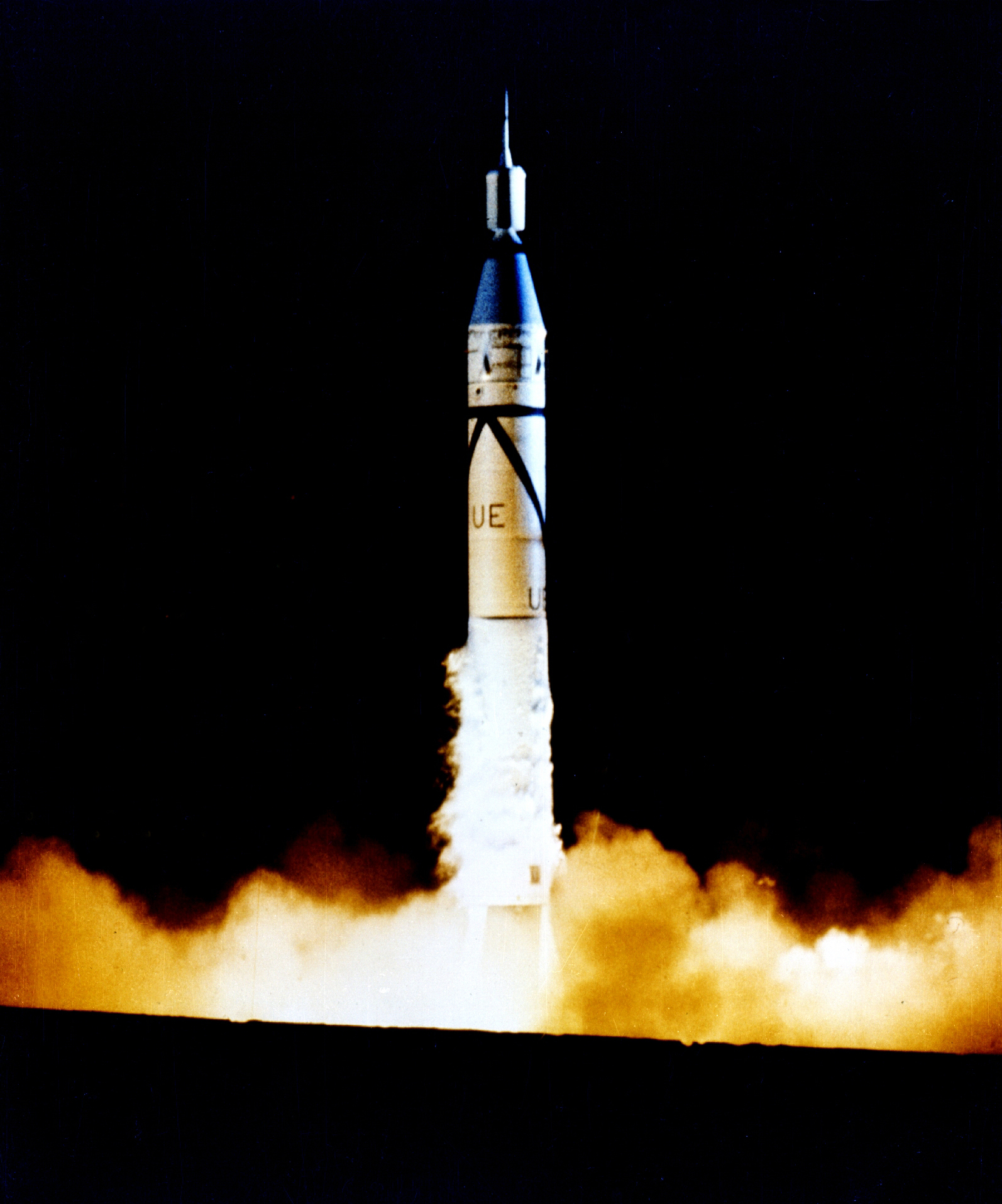
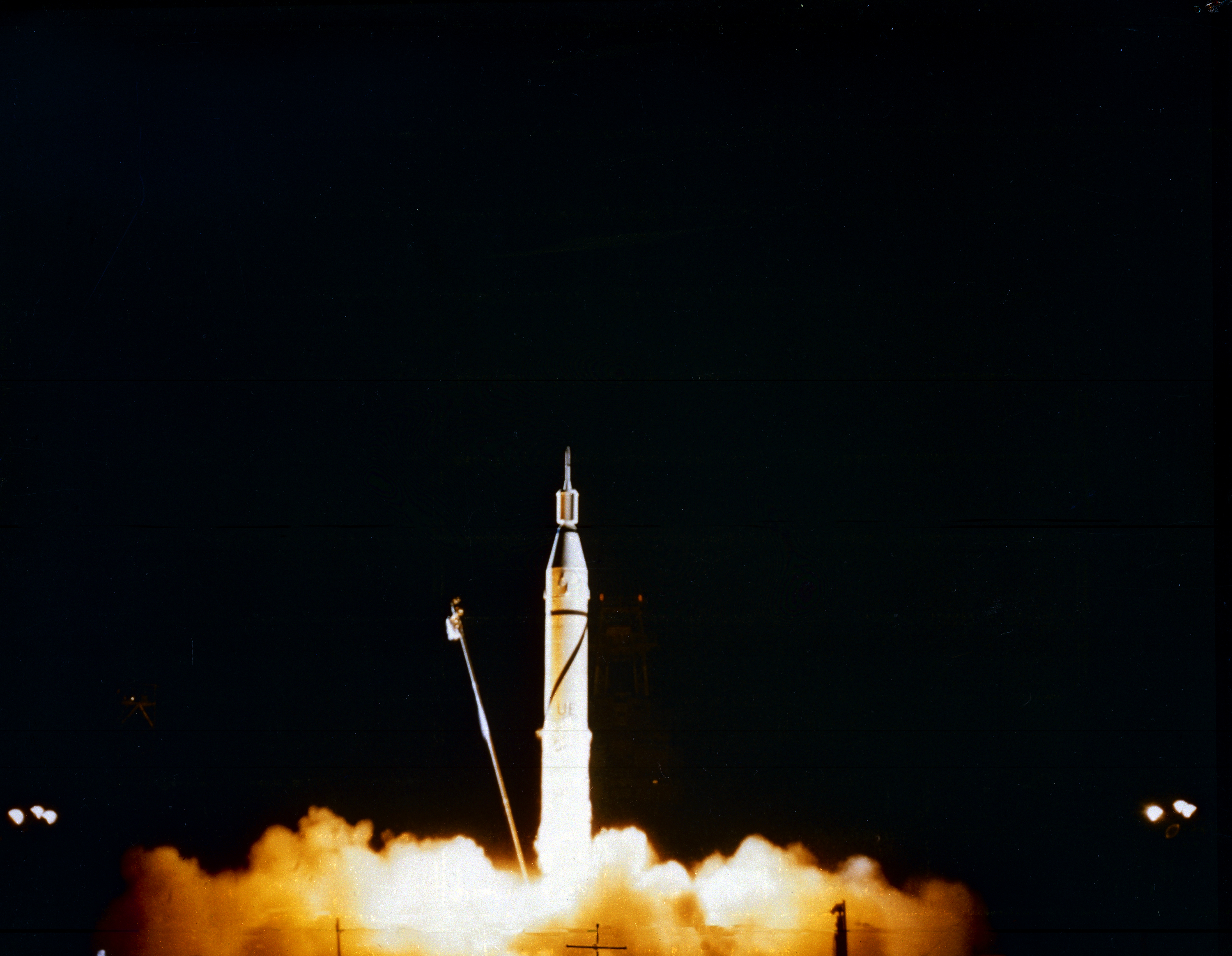
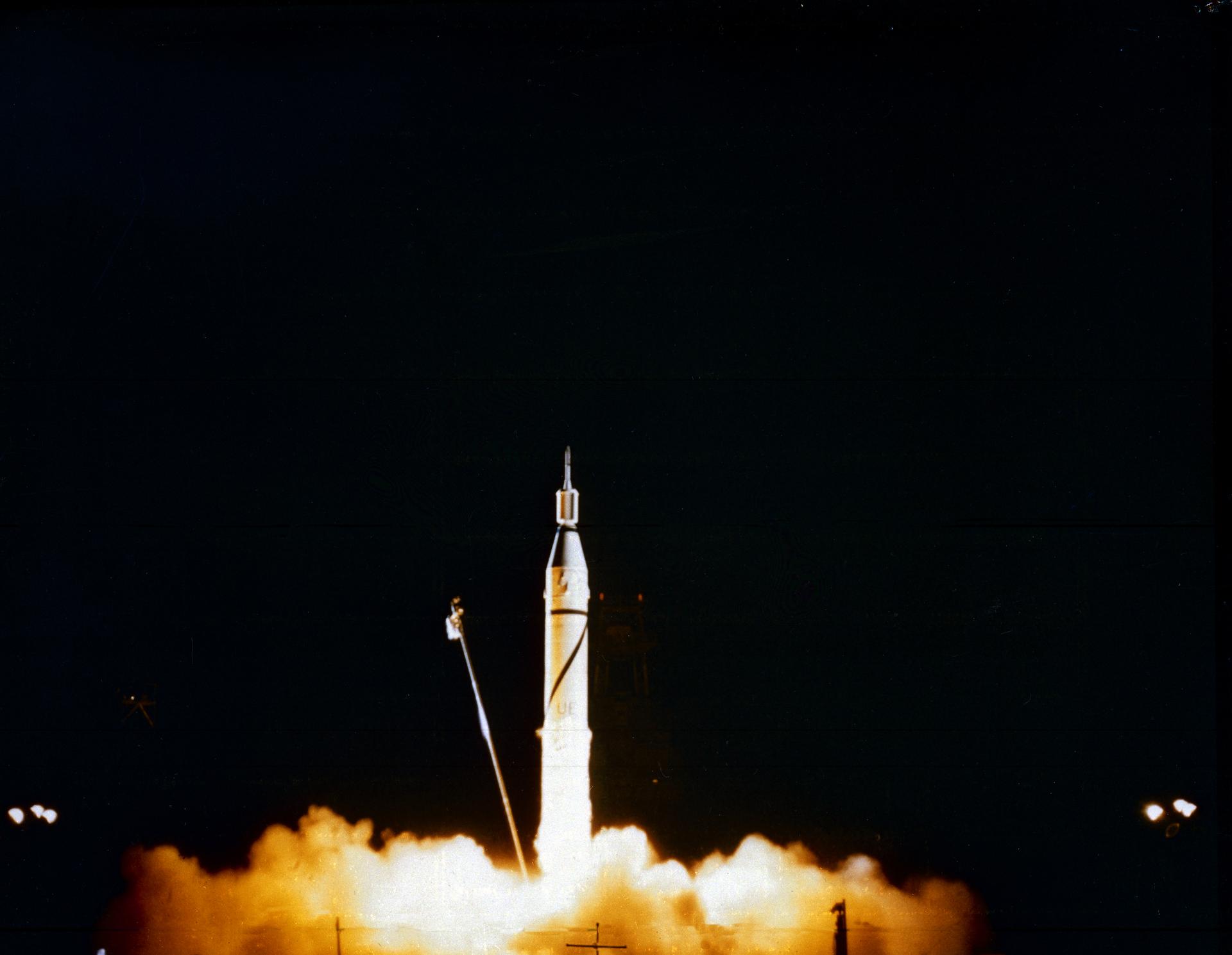
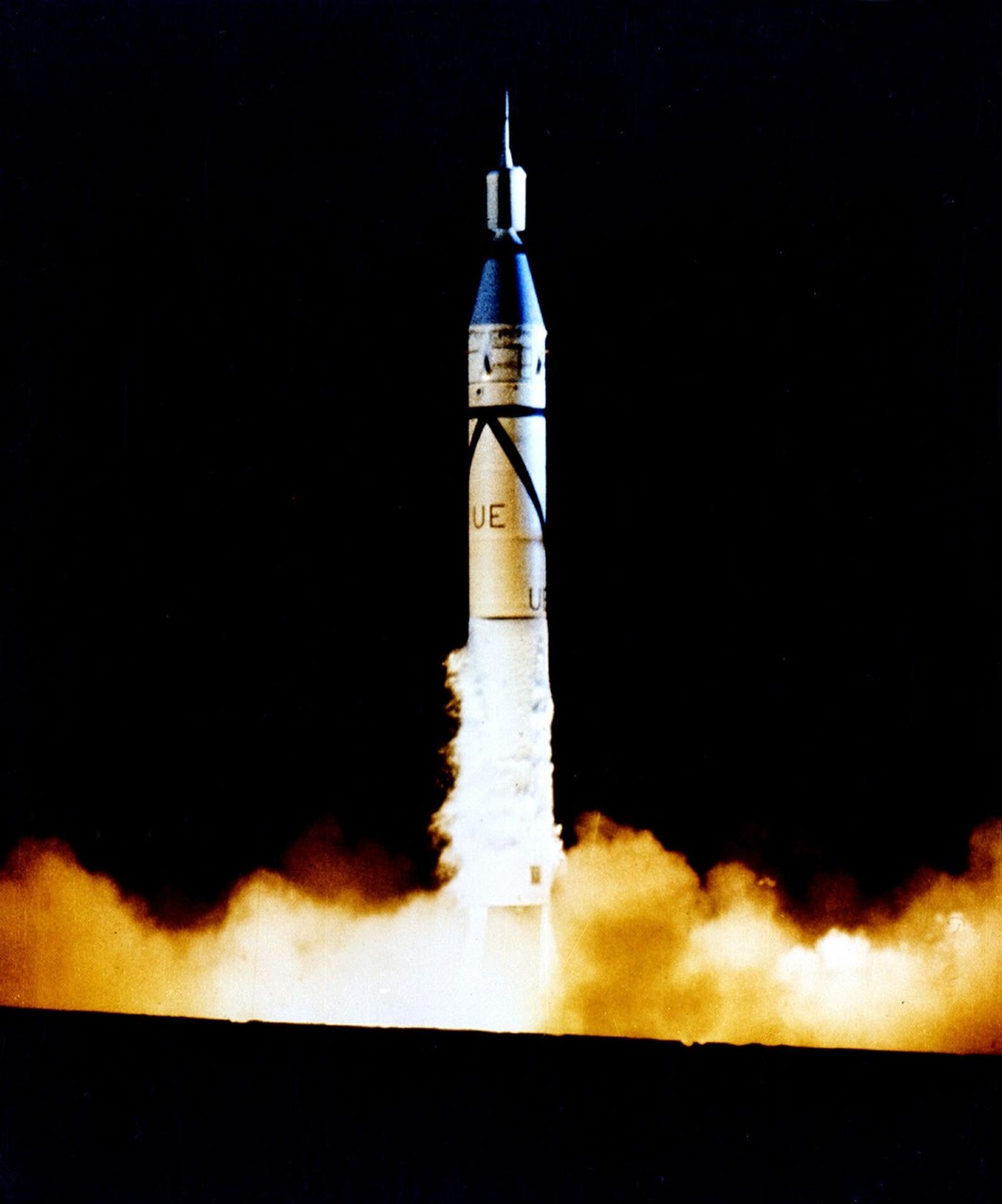
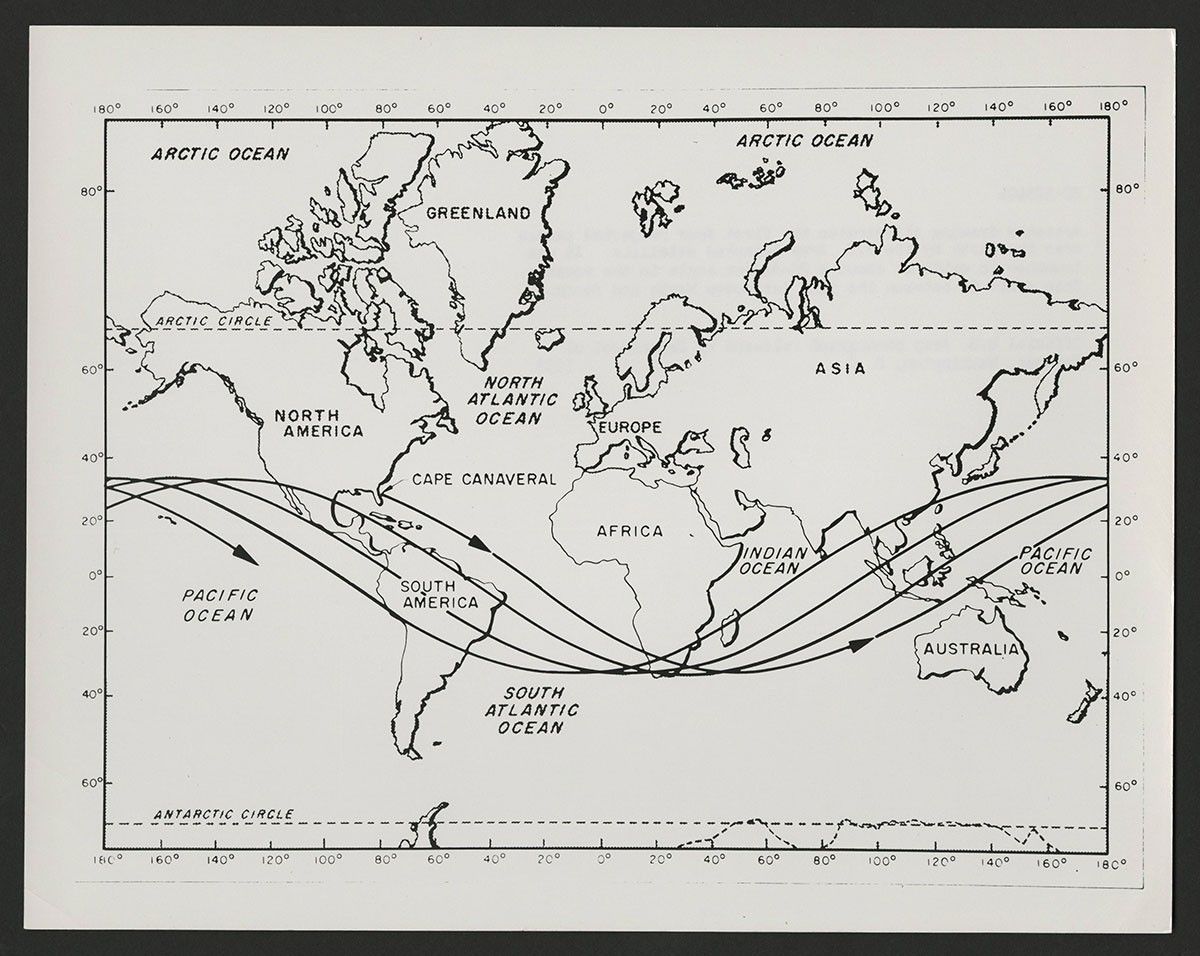
Explorer 1 was carried into orbit by a Jupiter-C rocket, launched from Cape Canaveral, Florida, at 10:48 p.m. (EST) on Jan. 31, 1958.
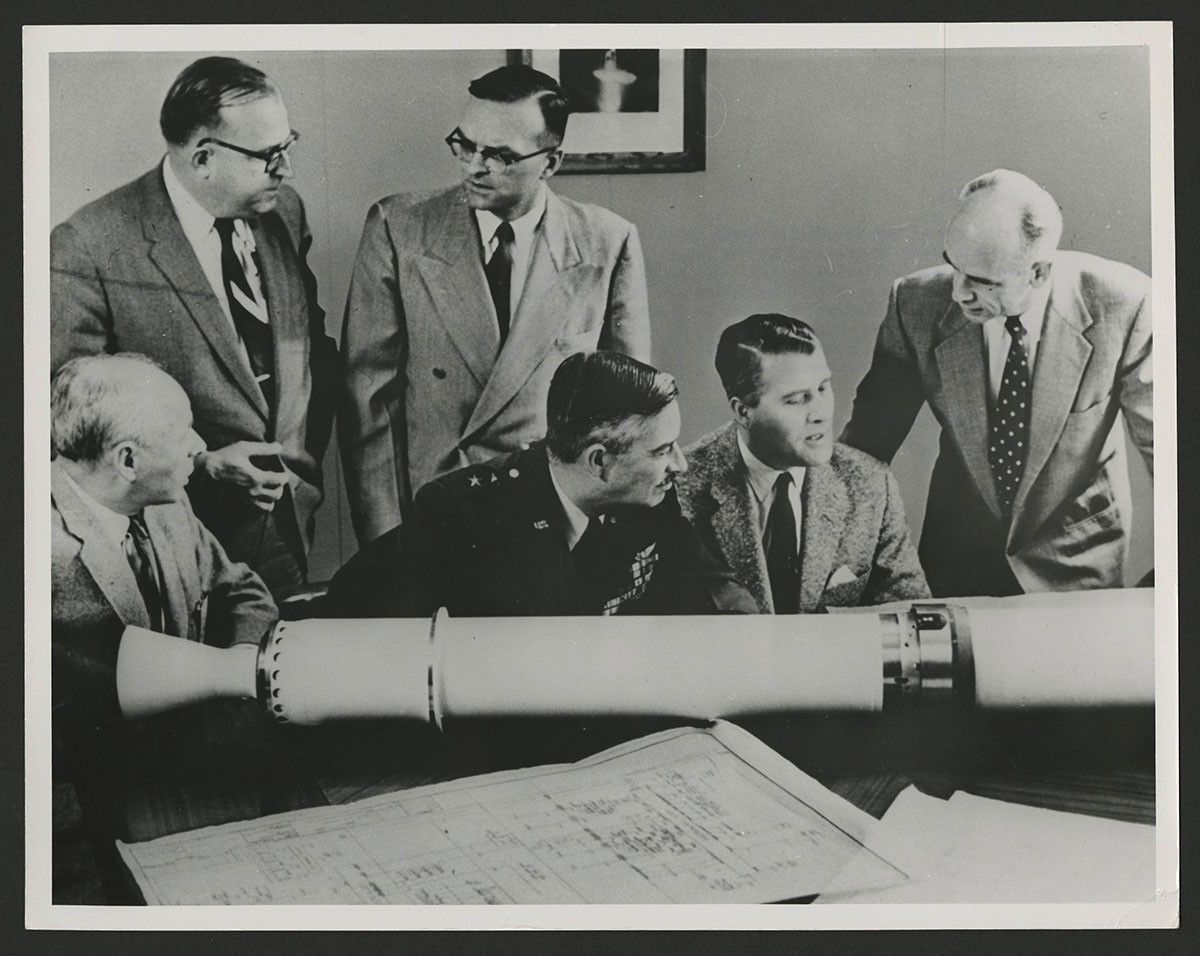
The rocket, developed at the Army Ballistic Missile Agency in Alabama, under the direction of Wernher von Braun, was a modified version of the Redstone ballistic missile, topped by three solid-propellant upper stages.
The Celebration
The Explorer team decided to make no public comments about the rocket until its signal was picked up in California, said William Pickering, then director of the Jet Propulsion Laboratory. “And we sat there for an hour-and-a-half. The time came and went, and there was a period of eight minutes there [before contact], which is the longest eight minutes I’ve ever spent in my life.”
At a jubilant press conference about 2 hours after the launch, Pickering was joined by James Van Allen (center), head of the University of Iowa physics department who designed the science instruments, and Wernher von Braun (right), who directed development of the rocket at the Army Ballistic Missile Agency.
The Success
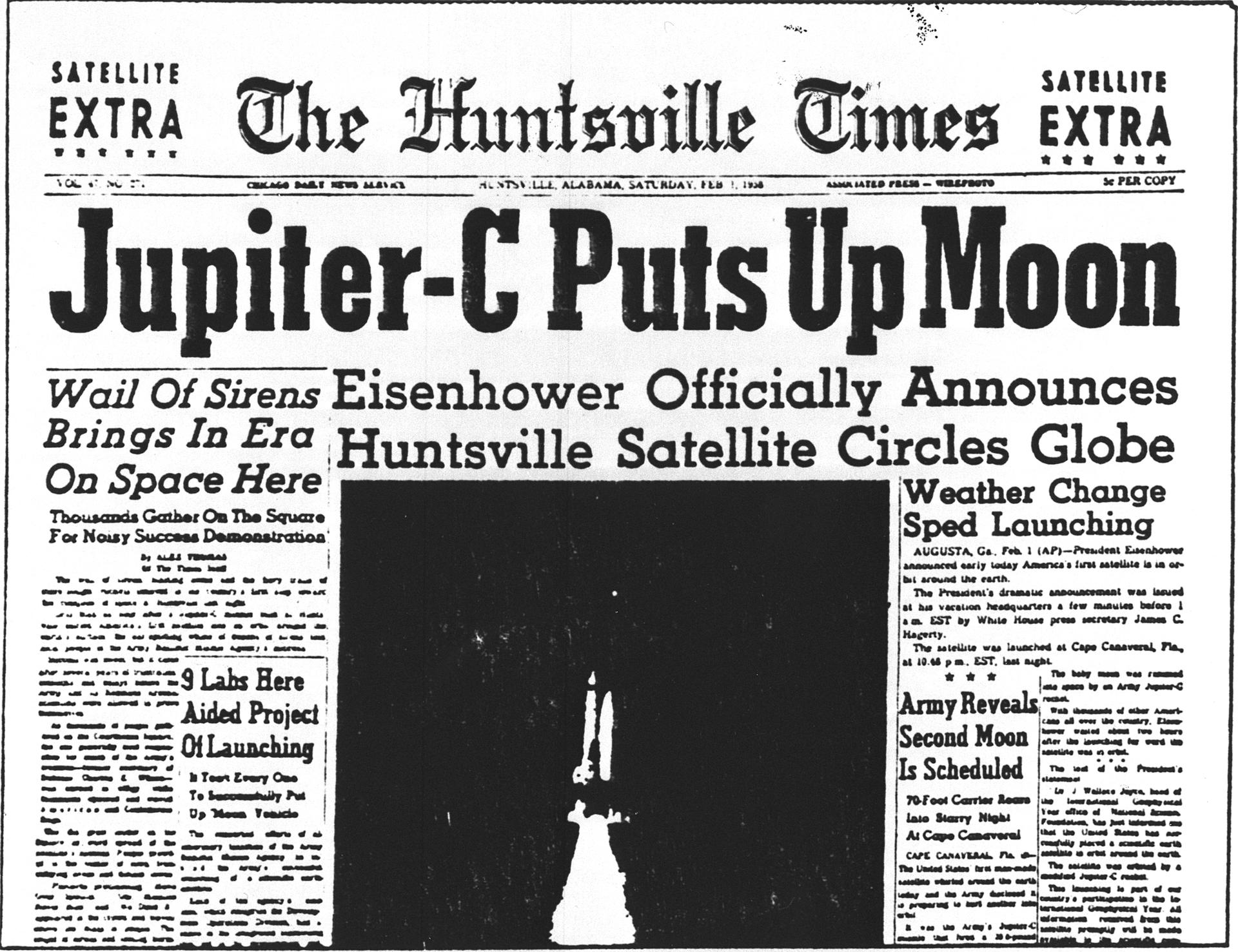
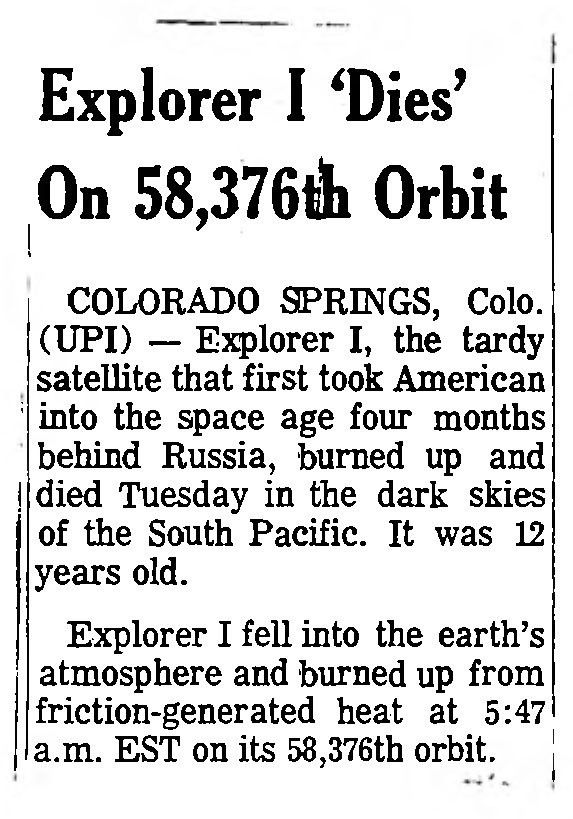
The successful orbit of Explorer 1, launched on a Jupiter-C rocket, made headlines around the world.
The Soviet Union had already launched two satellites in 1957, and the previous U.S. attempt on a Vanguard rocket exploded only a few seconds after liftoff. At the time, many people called the satellite a “moon” or a “man-made moon” because of its Earth orbit. The Huntsville Times, seen here, was particularly proud of the success of the Jupiter-C, as it was made at the Army Ballistic Missile Agency in Huntsville, Alabama.
The Launch of Explorer 1
Posted by NASA History, this short film goes inside the blockhouse on Jan. 31, 1958 as Explorer 1 launched and reached orbit.
View CollectionsExplorer 1 Images
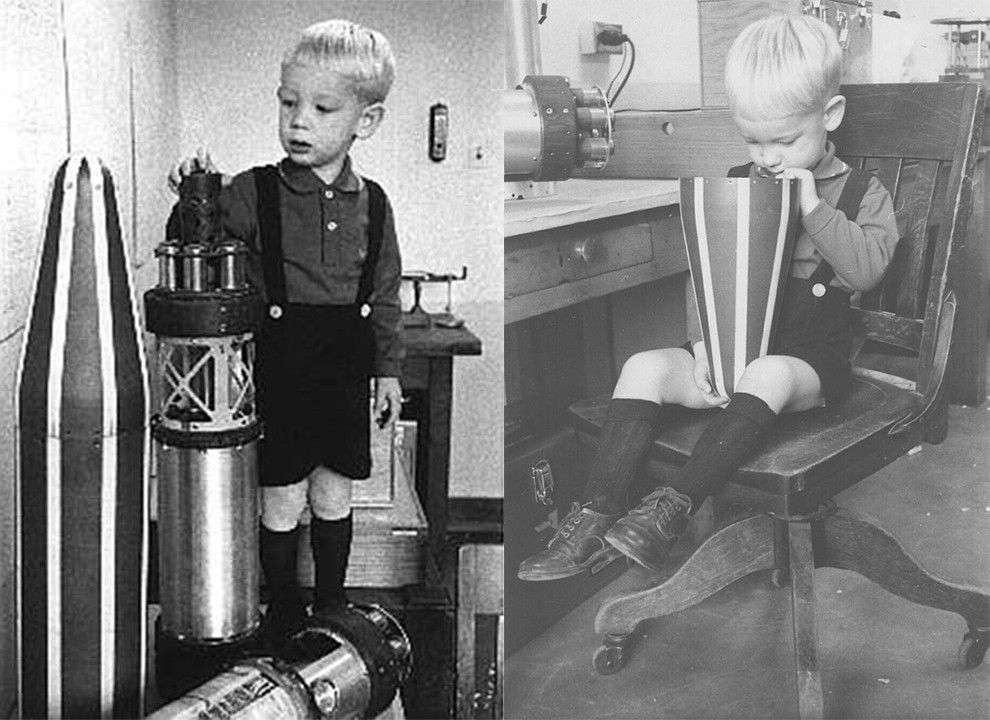



60 Years Ago: Explorer 1 Becomes America’s First Satellite
The year 1958 held much promise for the United States space program. Both the US and the Soviet Union were…
Read the Story