










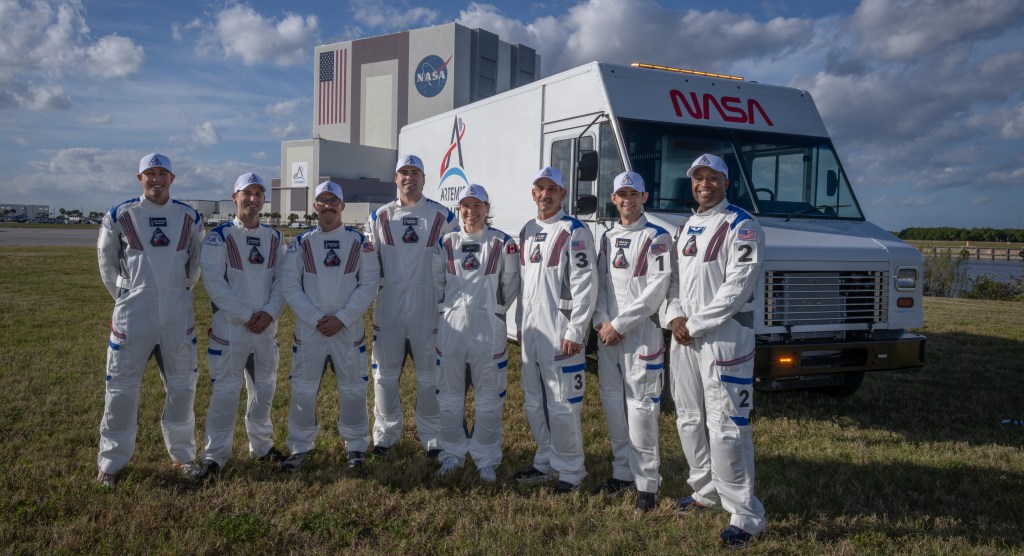


Explore As One
One of the great things about science is that anyone can be a part of it. The excitement of Explorer 1 and of the NASA missions that followed reminds us of the promise that comes from discovering the world around us – and the worlds beyond our dreams. Please use the resources below freely to commemorate, teach and “Explore as one.”
Resource Links
-
Citizen Science
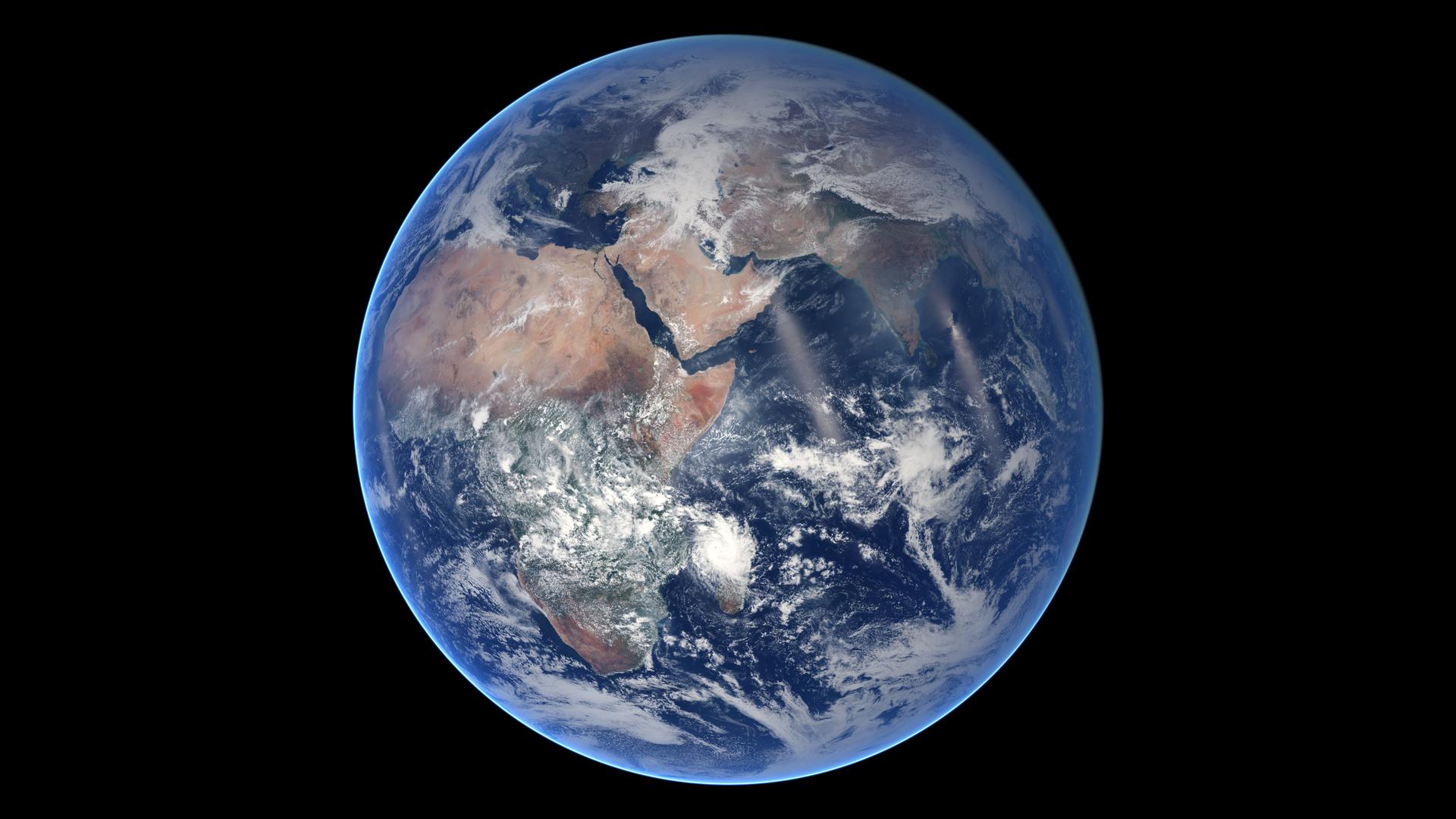
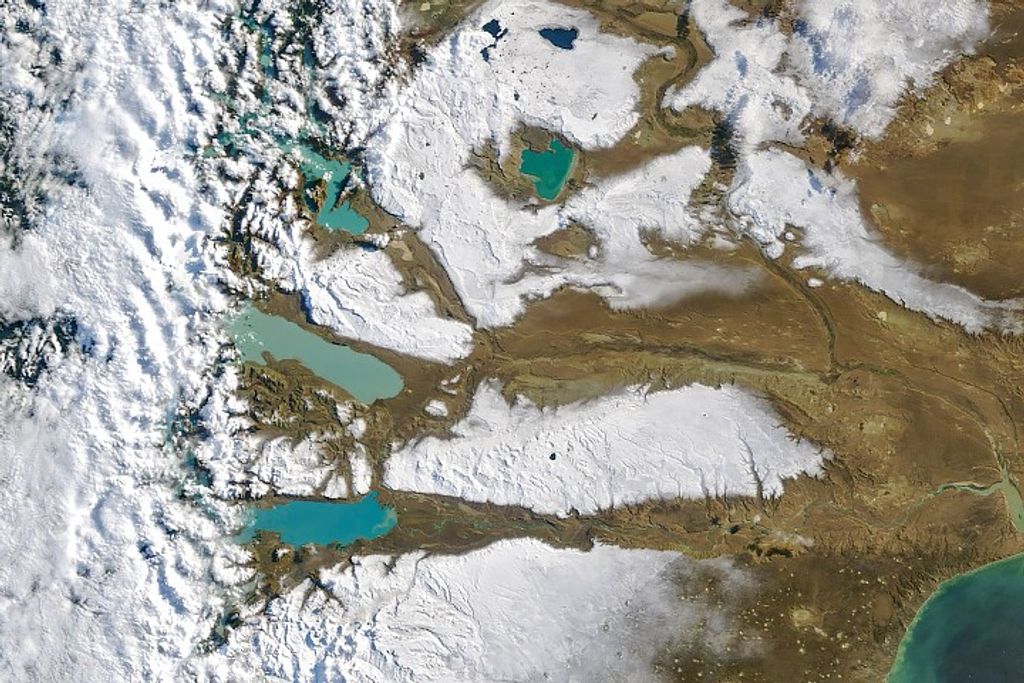
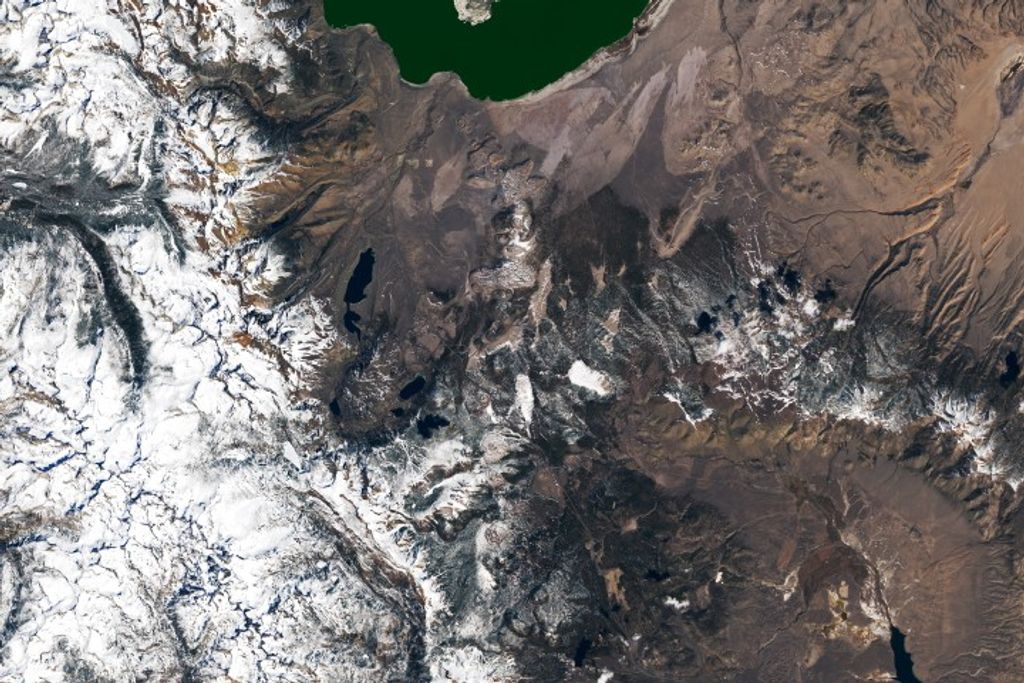
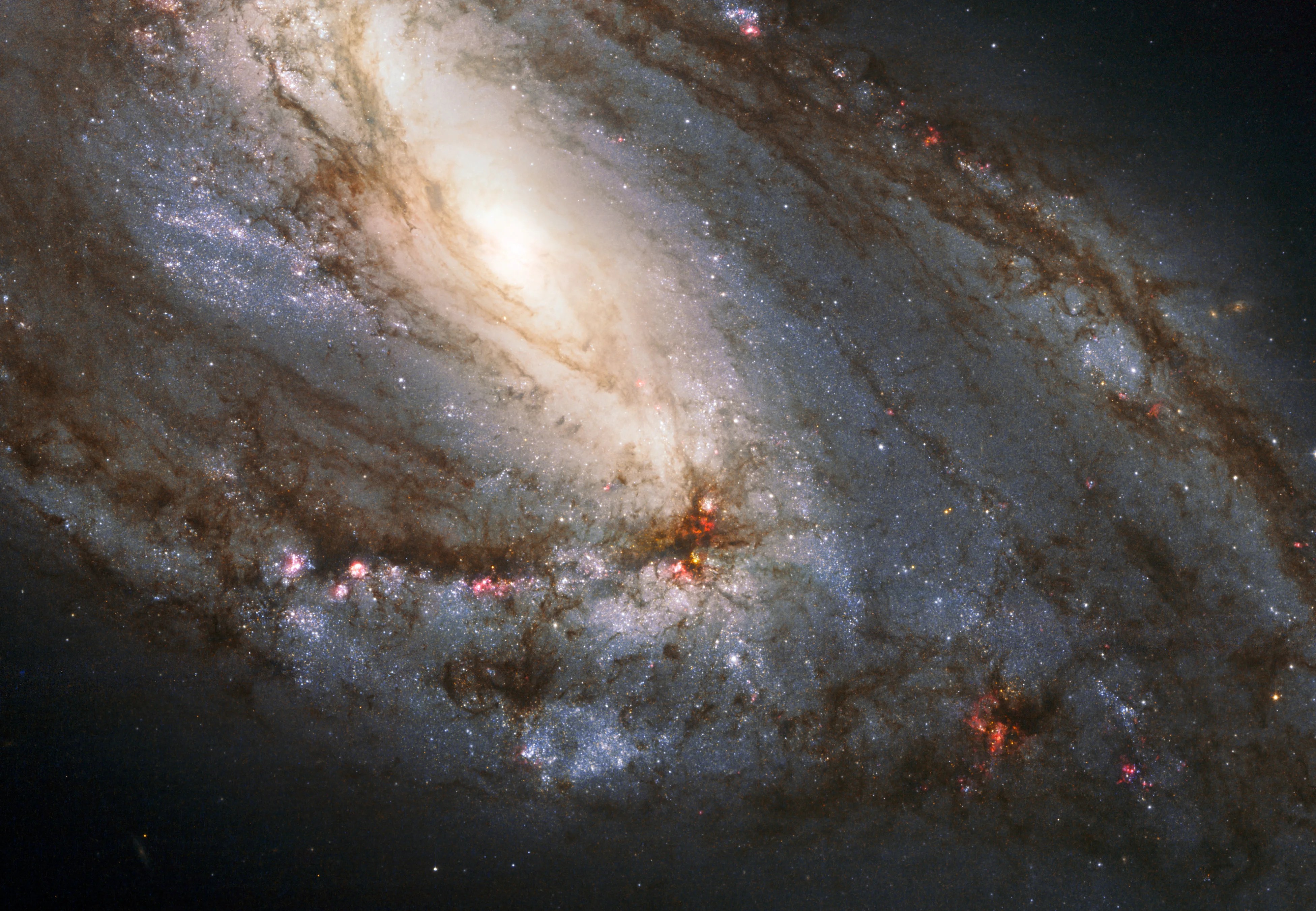
You don’t have to work for NASA to help us explore. Become a citizen scientist and validate cloud data here on Earth, identify ridges on the surface of Mars, vote on locations to photograph on Jupiter or search for new brown dwarf stars in our solar system’s backyard. NASA’s Citizen Science programs offer myriad ways to explore Earth, the stars, other planets and even asteroids.
 Christy Turner Photography
 -
Downloads
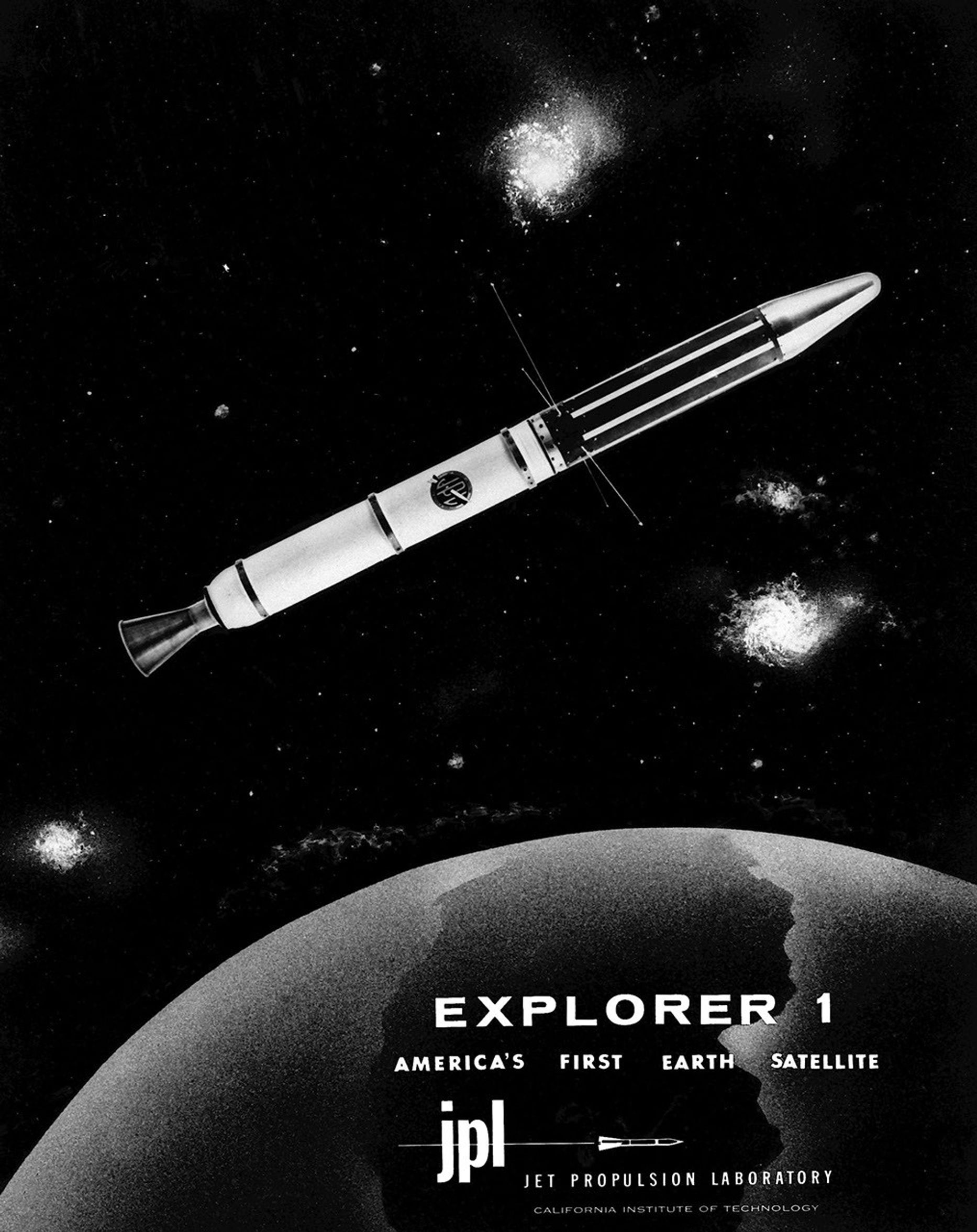
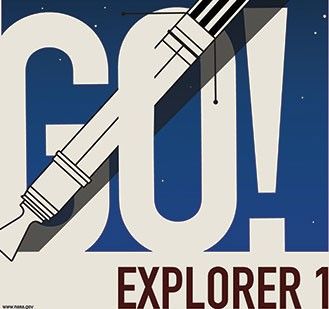
Celebrate the anniversary of Explorer 1 with the official Explorer 1 anniversary poster urging us to keep going in our explorations of Earth and beyond. You can also find specs to print your own small model of Explorer 1 with a 3D printer, print out an actual-size cutout of Explorer 1 to hold over your head and share on social media with #ExploreAsOne, and read a comprehensive history of Explorer 1.
-
Teachable Moments
Learn more about the history of Explorer 1 and discover engaging classroom resources for building satellites and space missions, learning about rockets and Earth science, and using NASA’s GLOBE Observer app to help students become citizen scientists.
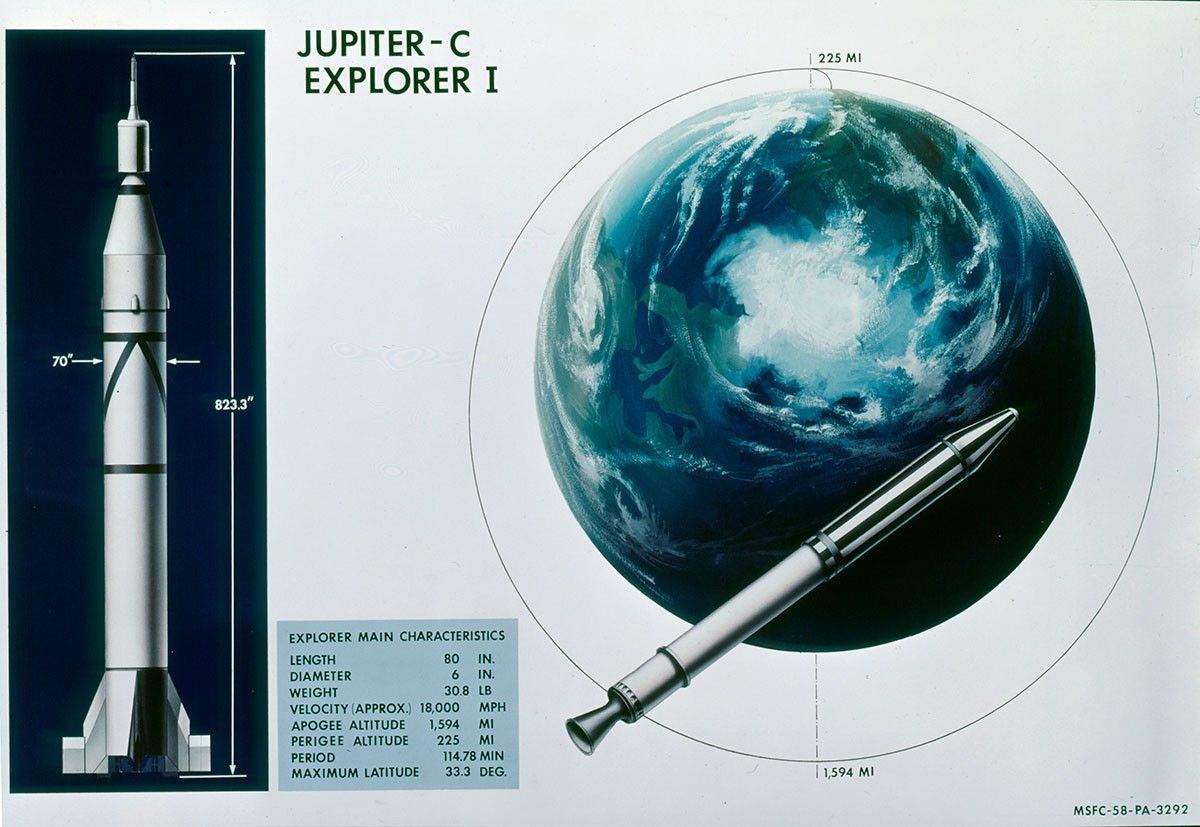
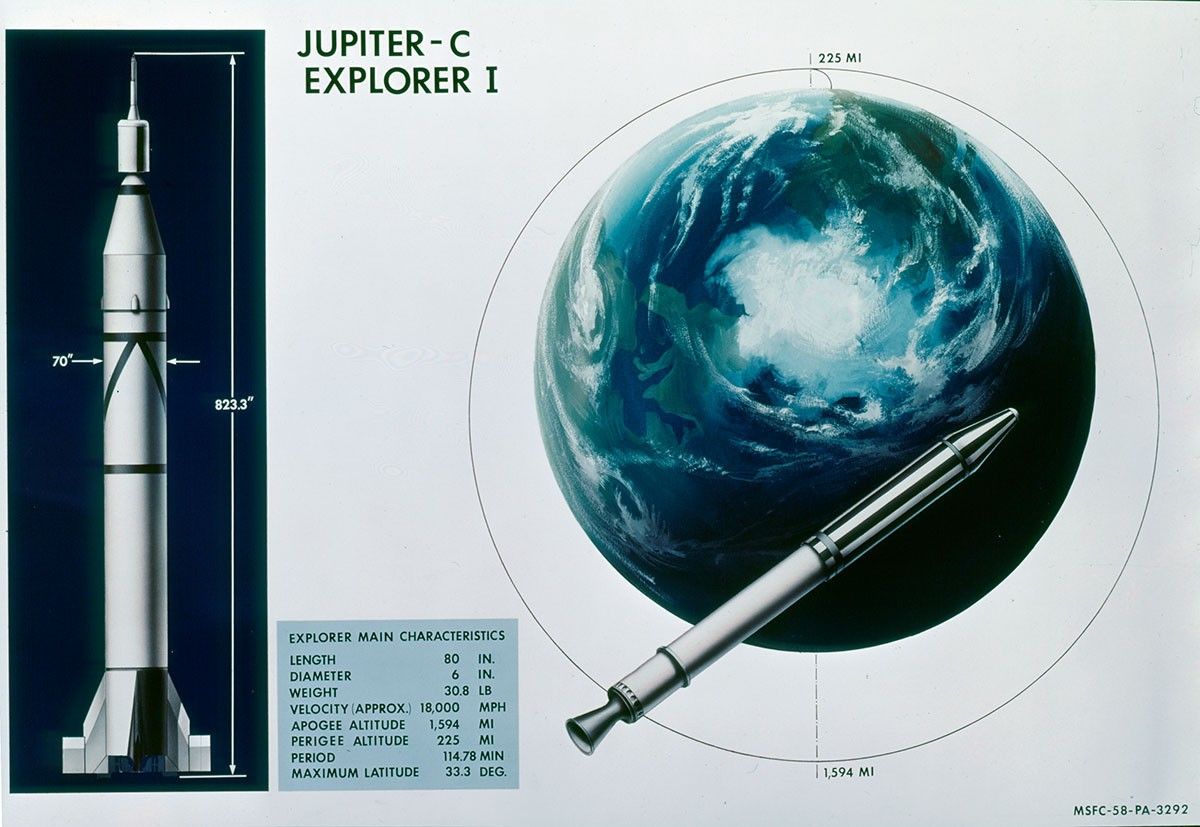 This illustration shows the main characteristics of hte Jupiter-C launch vehicle and its payload, the Explorer 1 satellite.NASA
 -
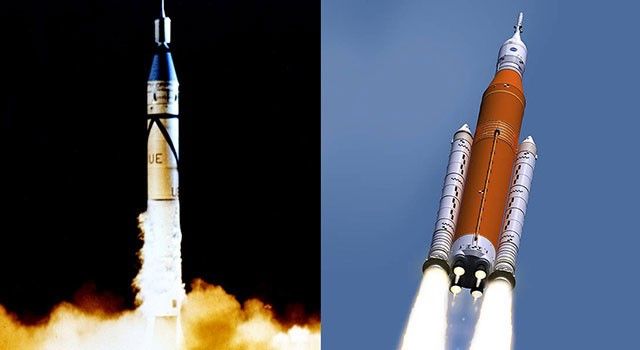
Then & Now: Educator Resources
Celebrating 60 years of innovation, these materials can be used to teach students about the past, present and future of space exploration at NASA. Lessons use “Then & Now” examples to demonstrate the evolution of rockets, computer science, Earth science and satellites.