





















Solar Orbiter Stories
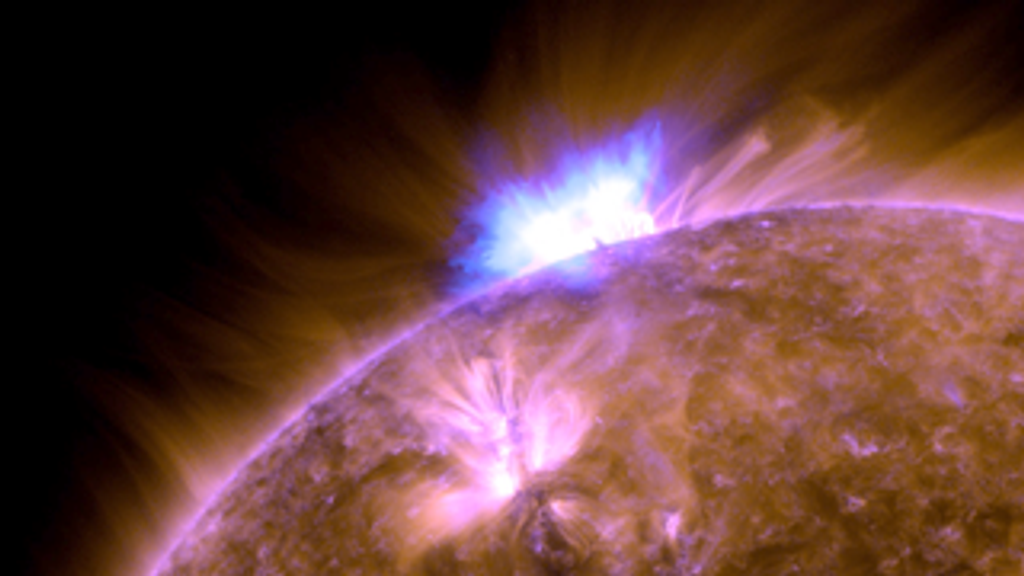
When NASA scientists first observed a particular radio burst from the Sun in August 2025, there was nothing unusual about it. But then the radio burst kept going. Typically, solar radio bursts like these last a few hours to days.…

With the help of NASA’s Parker Solar Probe, astronomers have made the first continuous, two-dimensional maps of the outer edge of the Sun’s atmosphere. At this boundary, which scientists call the Alfvén surface, solar material escapes from the Sun to become the solar wind, a…

Since the 1960s, astronomers have wondered how the Sun’s supersonic “solar wind,” a stream of energetic particles that flows out into the solar system, continues to receive energy once it leaves the Sun. Now, thanks to a lucky lineup of…
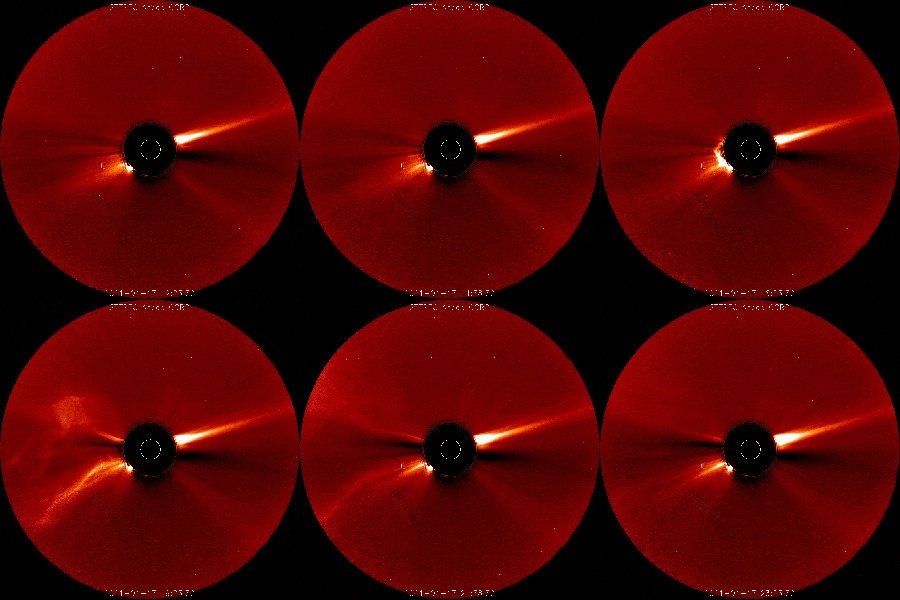
April 17, 2021, was a day like any other day on the Sun, until a brilliant flash erupted and an enormous cloud of solar material billowed away from our star. Such outbursts from the Sun are not unusual, but this…
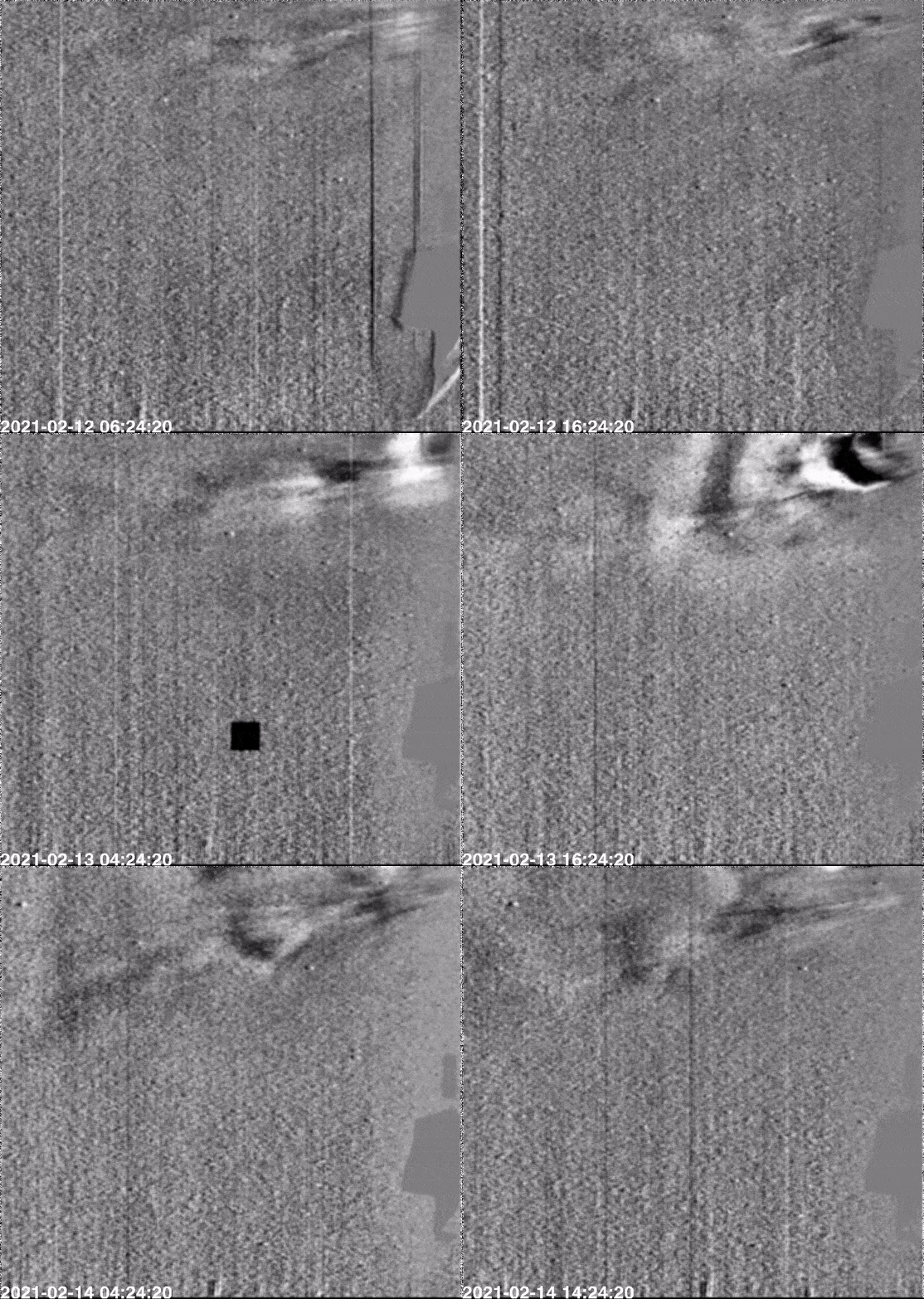
For new Sun-watching spacecraft, the first solar eruption is always special. On February 12, 2021, a little more than a year from its launch, the European Space Agency and NASA’s Solar Orbiter caught sight of this coronal mass ejection, or…
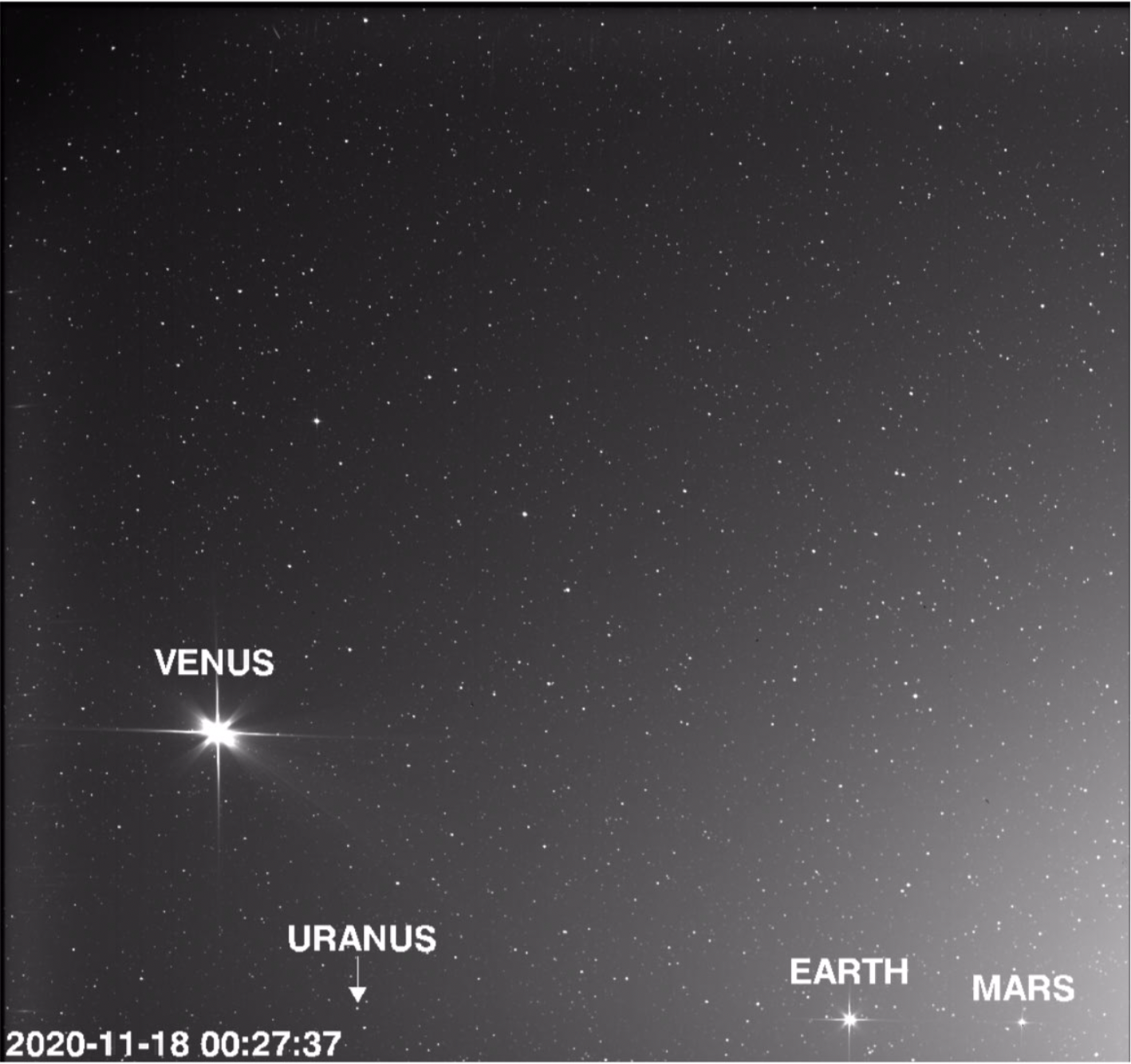
Update, Jan. 28, 2021: A closer look by the Solar Orbiter team — prompted by sharp-eyed citizen scientists — revealed that a fourth planet, Uranus, is also visible in Solar Orbiter’s images from Nov. 18, 2020. Original story, Jan. 26,…
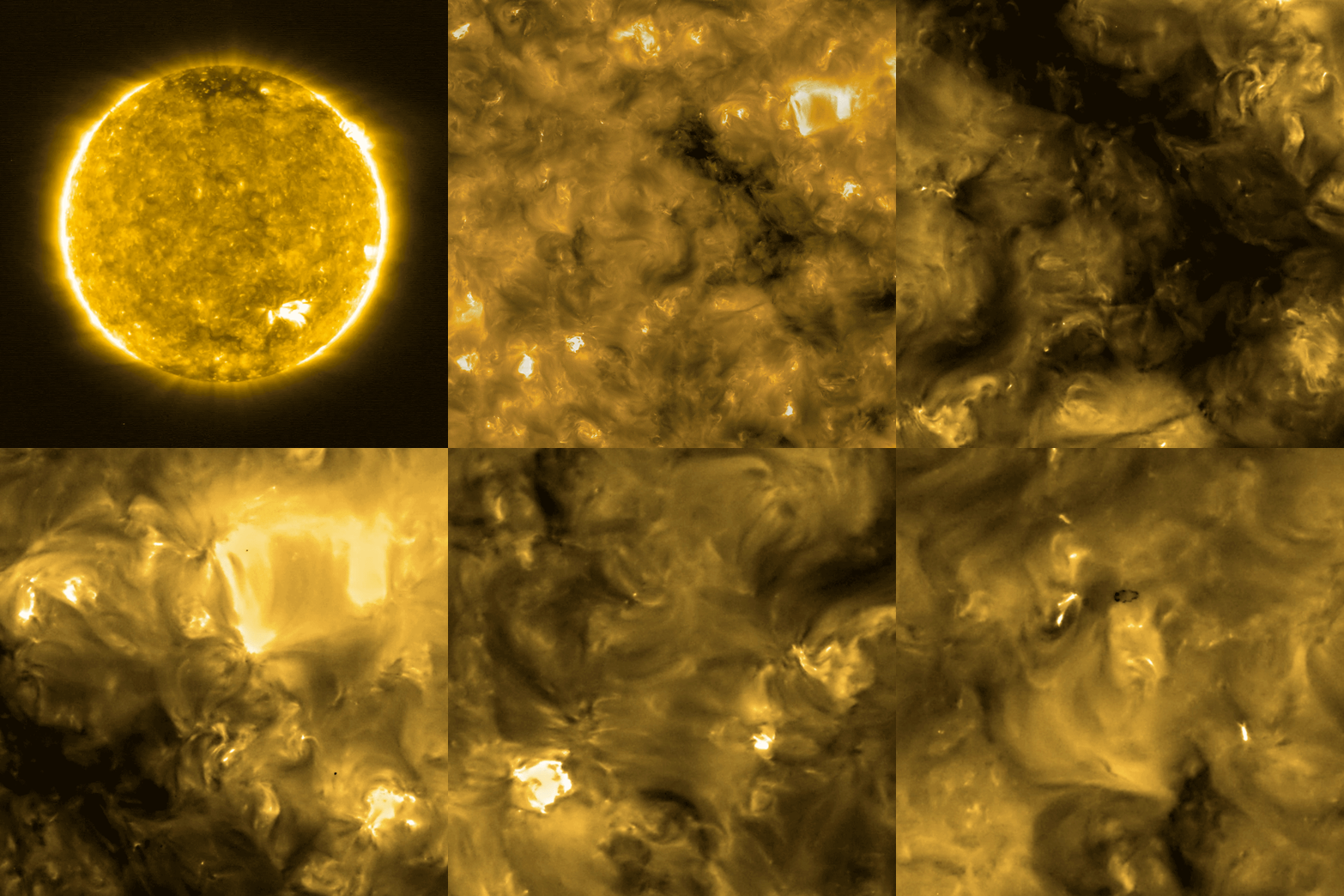
The first images from ESA/NASA’s Solar Orbiter are now available to the public, including the closest pictures ever taken of the Sun. Solar Orbiter is an international collaboration between the European Space Agency, or ESA, and NASA, to study our closest star,…
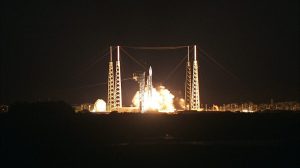
The Solar Orbiter spacecraft is heading toward the Sun after a late-night launch from Florida's Space Coast aboard a United Launch Alliance (ULA) Atlas V rocket. The vehicle lifted off from Space Launch Complex 41 at Cape Canaveral Air Force…
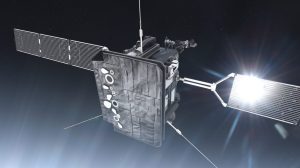
Solar Orbiter's solar arrays have deployed and the spacecraft is power-positive. Solar Orbiter launched atop a United Launch Alliance Atlas V rocket at 11:03 p.m. EST from Space Launch Complex 41 at Florida's Cape Canaveral Air Force Station. Solar Orbiter…
The Solar Orbiter spacecraft team from the European Space Agency has been communicating with the spacecraft, which is confirmed to be in the right position. Deployment of the solar arrays is the next major milestone.