

















Voyager 1 and 2
Images Voyager Took
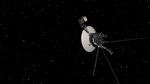
The Voyager 1 and 2 spacecraft explored Jupiter, Saturn, Uranus, and Neptune before starting their journey toward interstellar space. Here you'll find some of those iconic images, including “The Pale Blue Dot” — famously named by Carl Sagan — and what are still the only up-close images of Uranus and Neptune.
Pale Blue Dot
The Pale Blue Dot is an iconic photograph of Earth taken on Feb. 14, 1990, by NASA’s Voyager 1 spacecraft.
Learn More
Jupiter
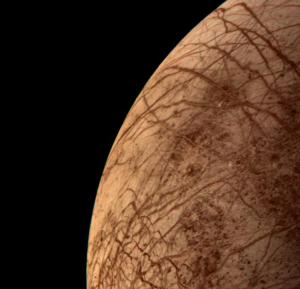
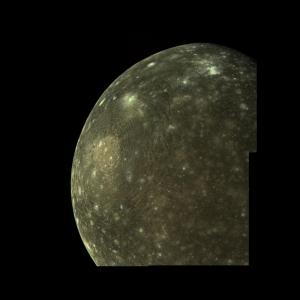
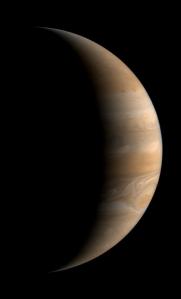
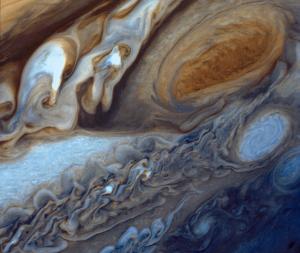
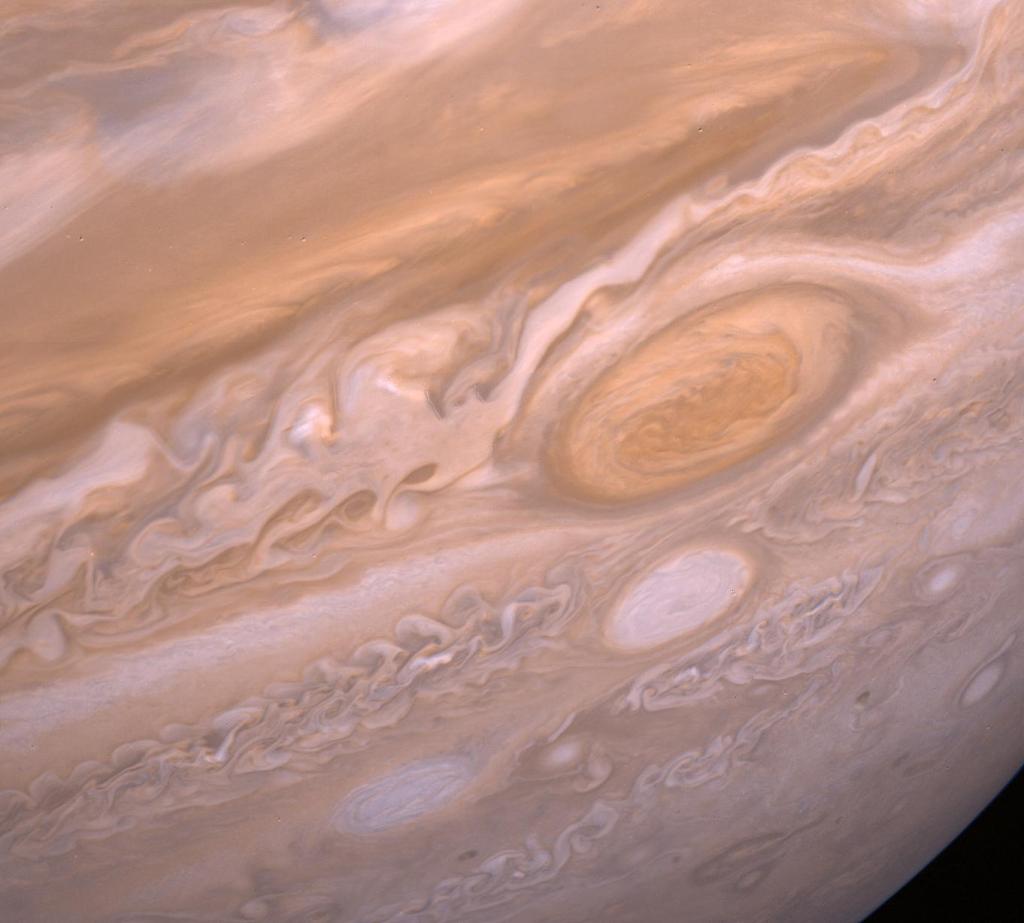
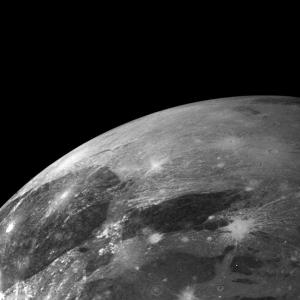
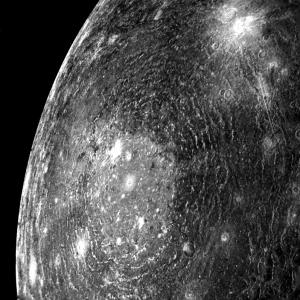
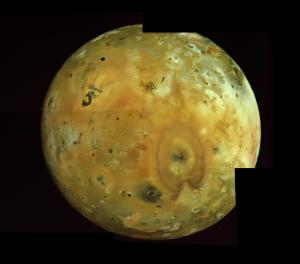
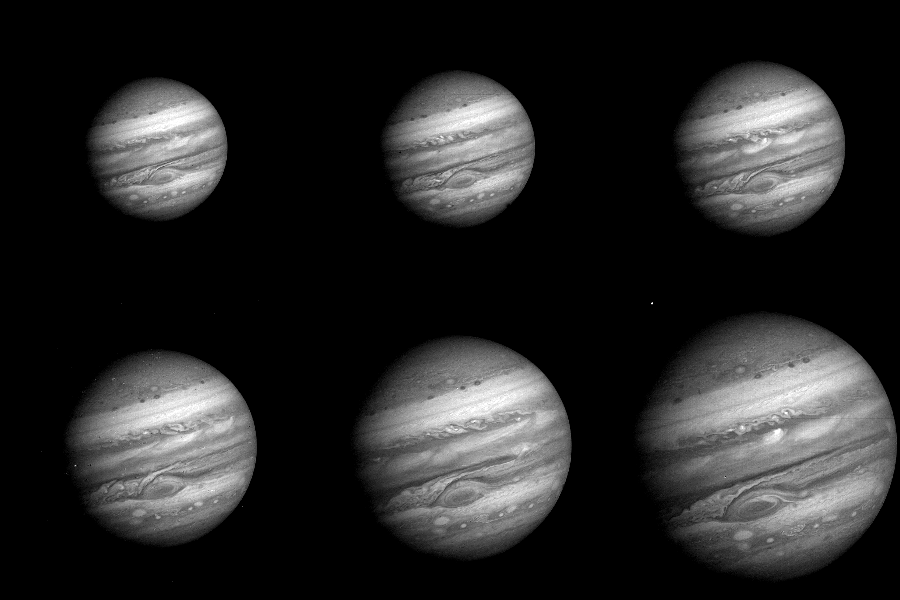
Photography of Jupiter began in January 1979, when images of the brightly banded planet already exceeded the best taken from Earth.
Voyager at Jupiter
Saturn
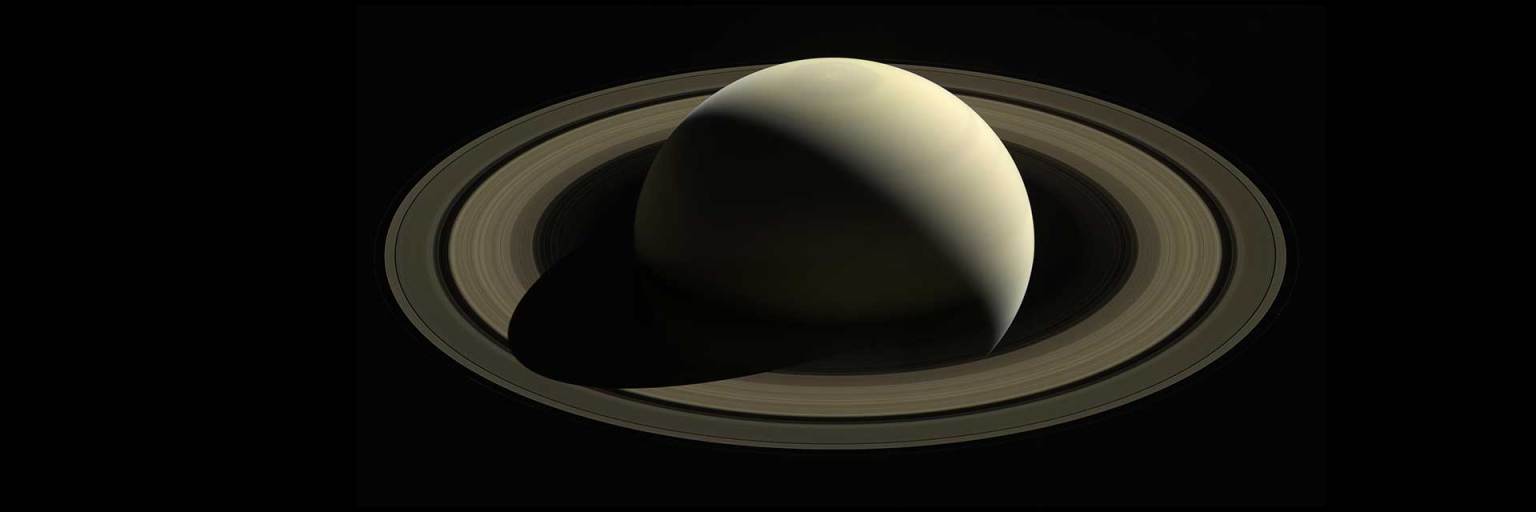
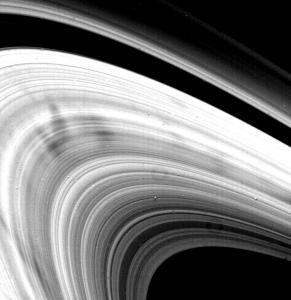
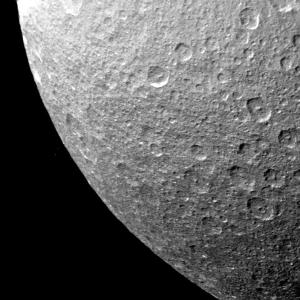
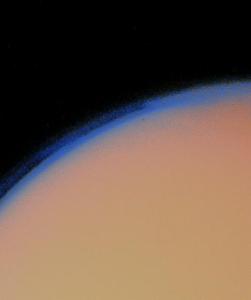
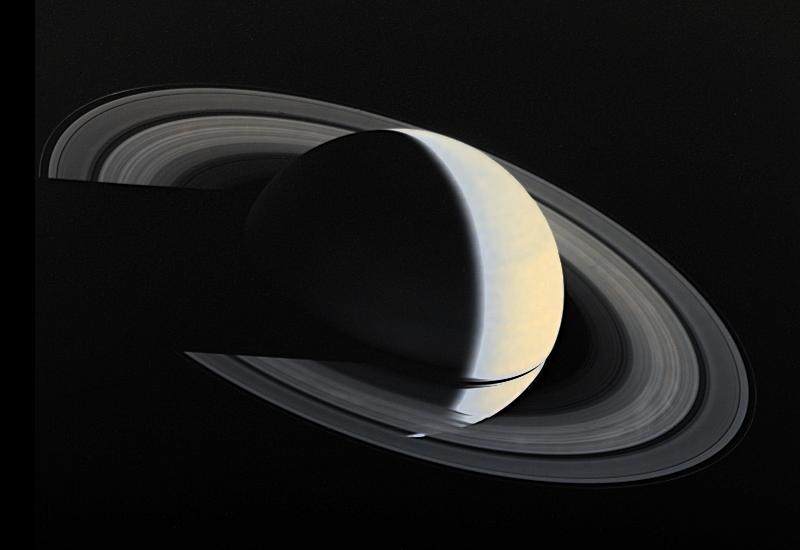
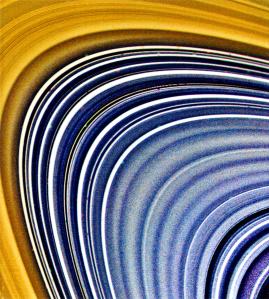
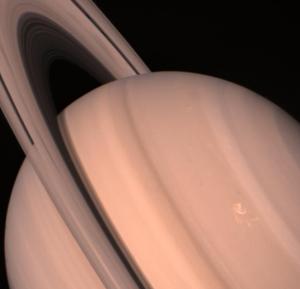
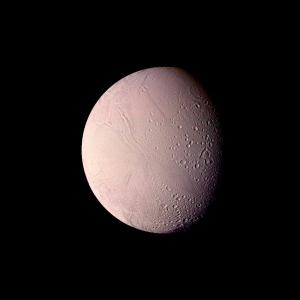
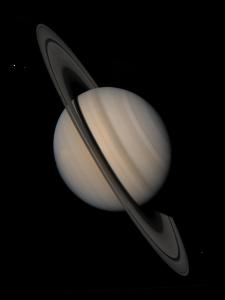
The Voyager 1 and 2 Saturn encounters occurred nine months apart, in November 1980 and August 1981.
Voyager at Saturn

Uranus
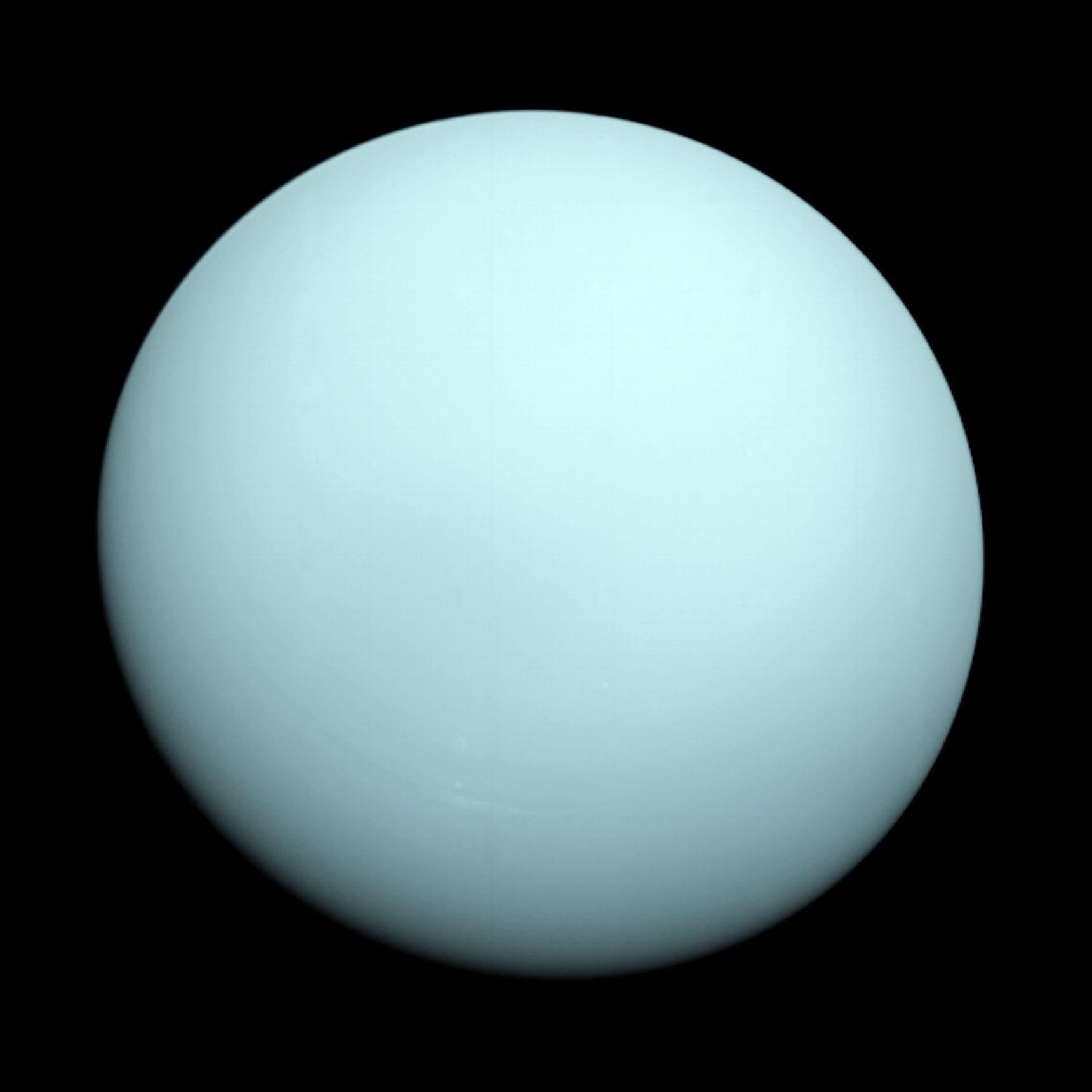
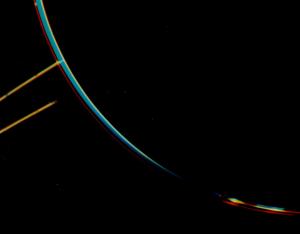
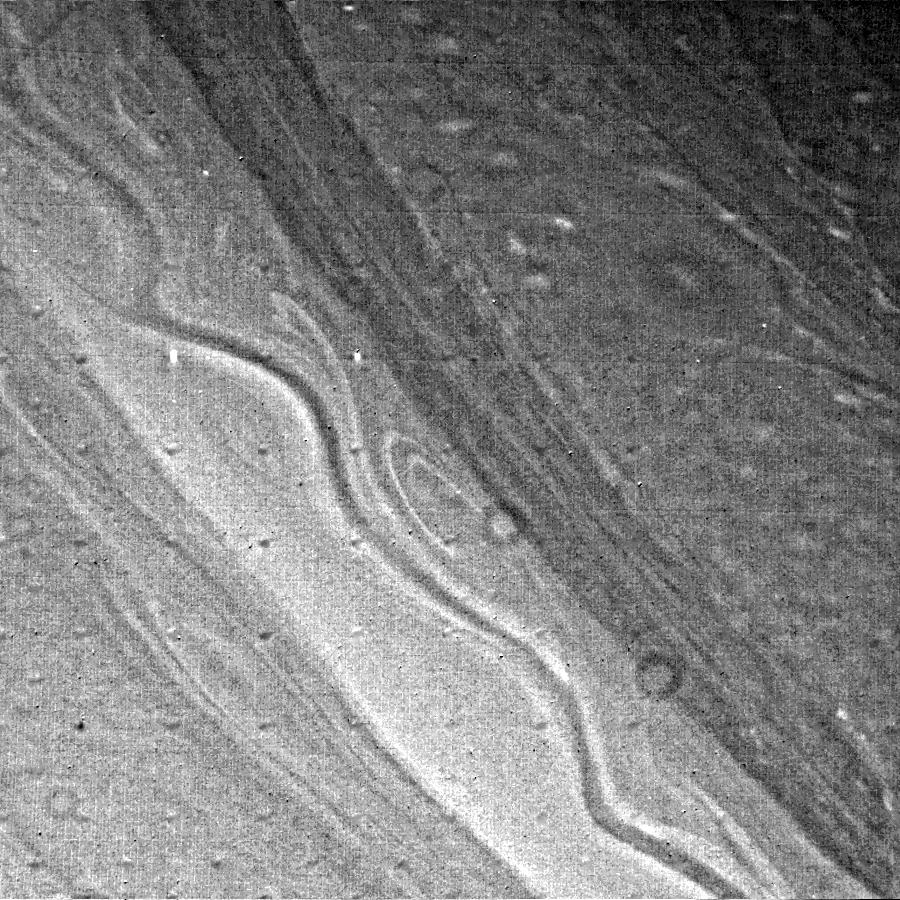
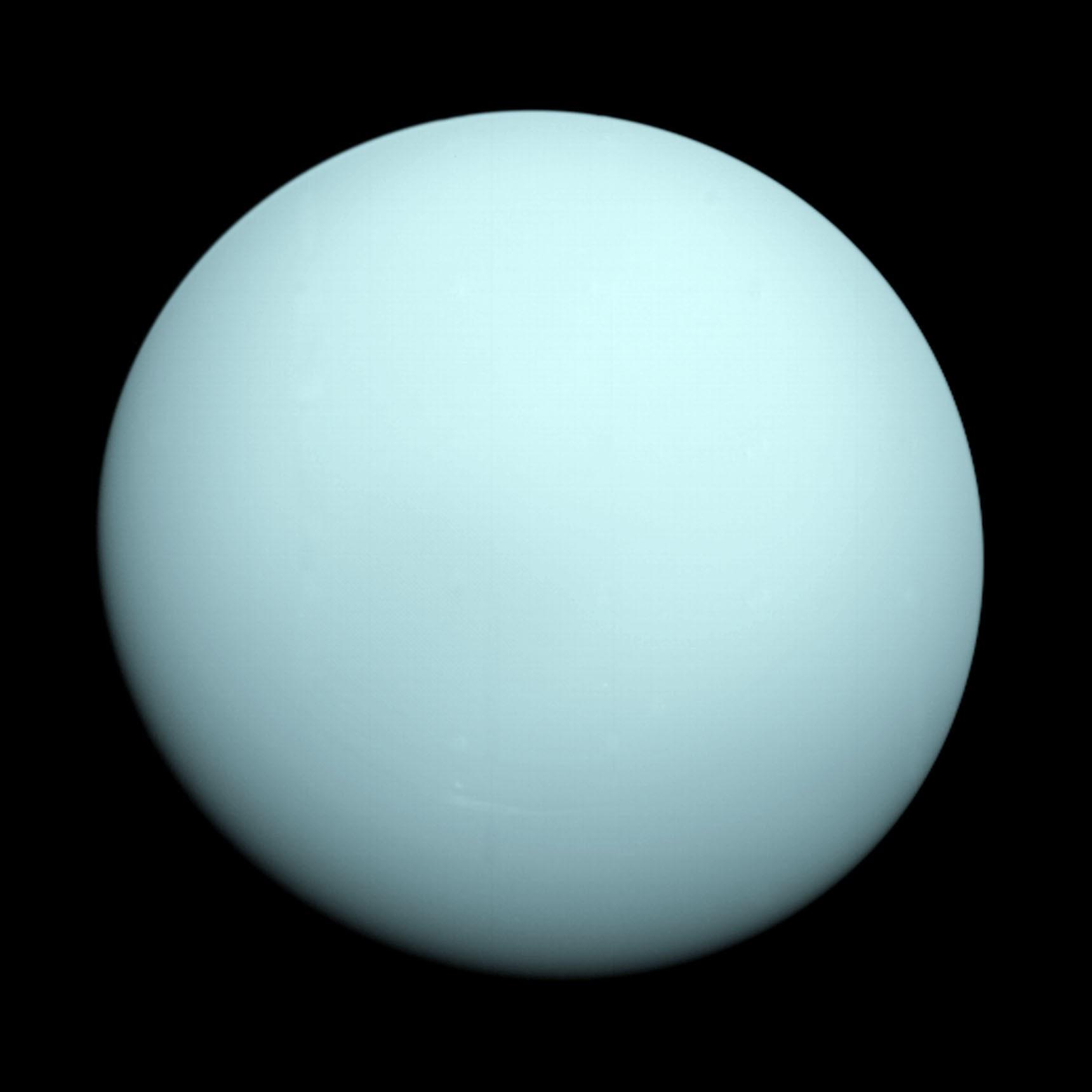
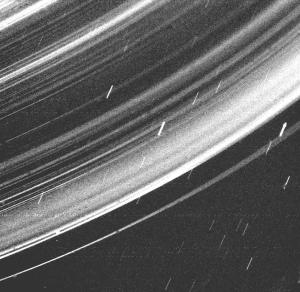
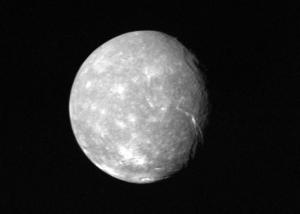
Voyager 2 spacecraft flew past distant Uranus, the seventh planet from the Sun, in January 1986.
Voyager at Uranus





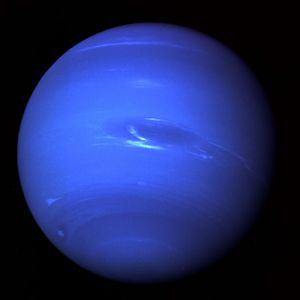
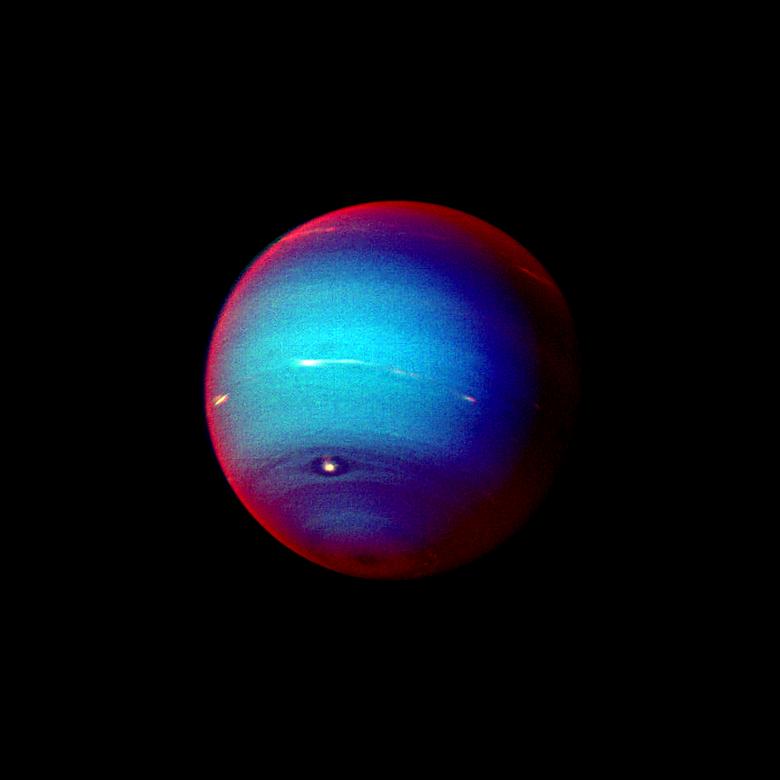
Neptune
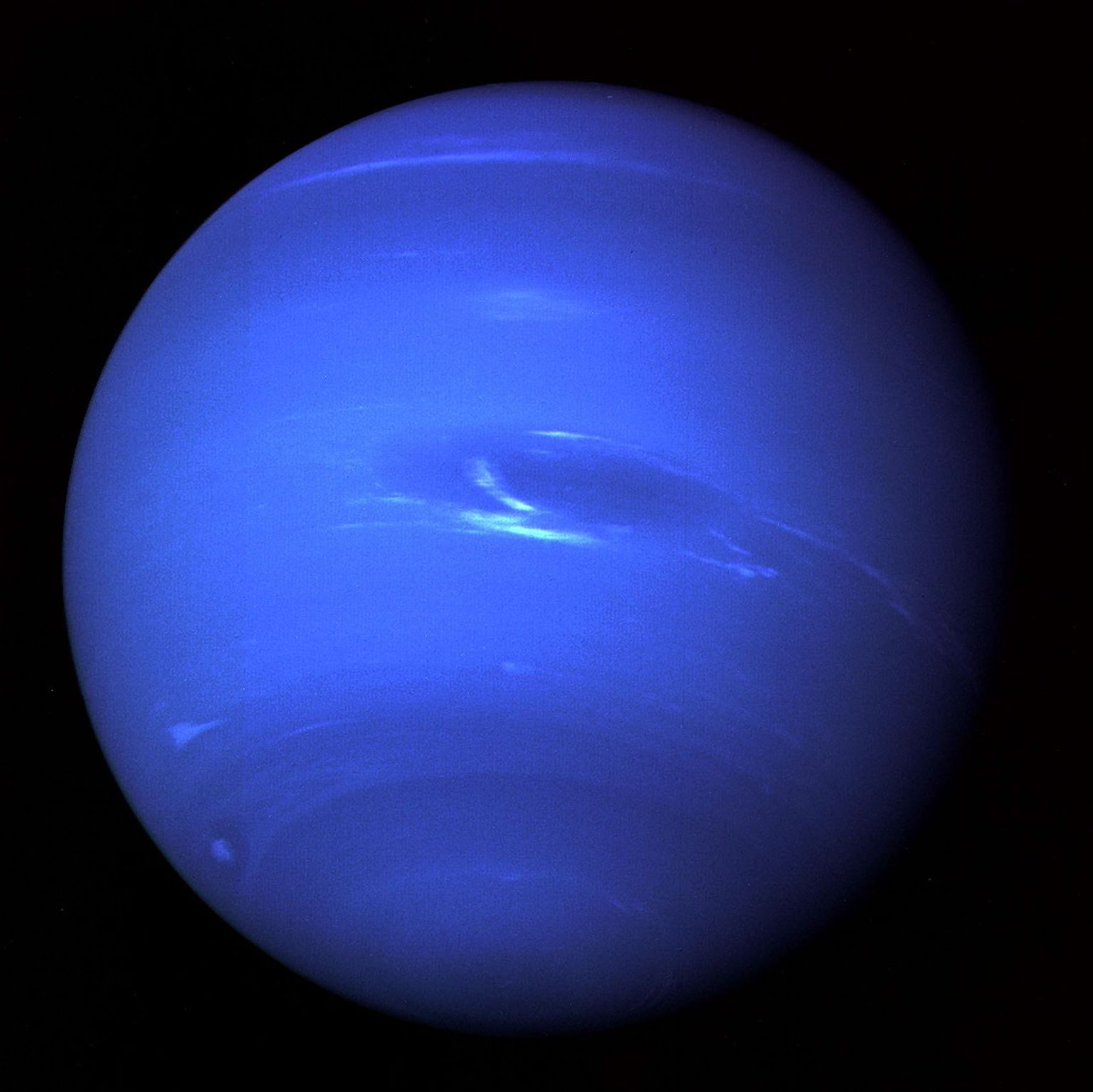
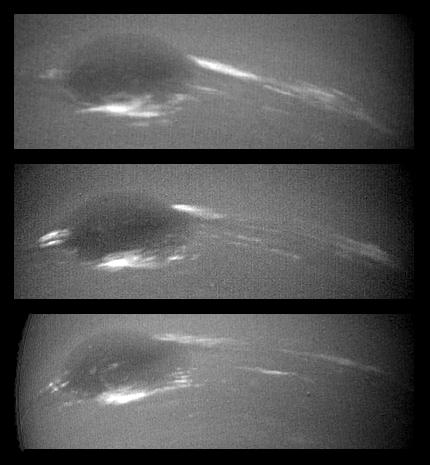
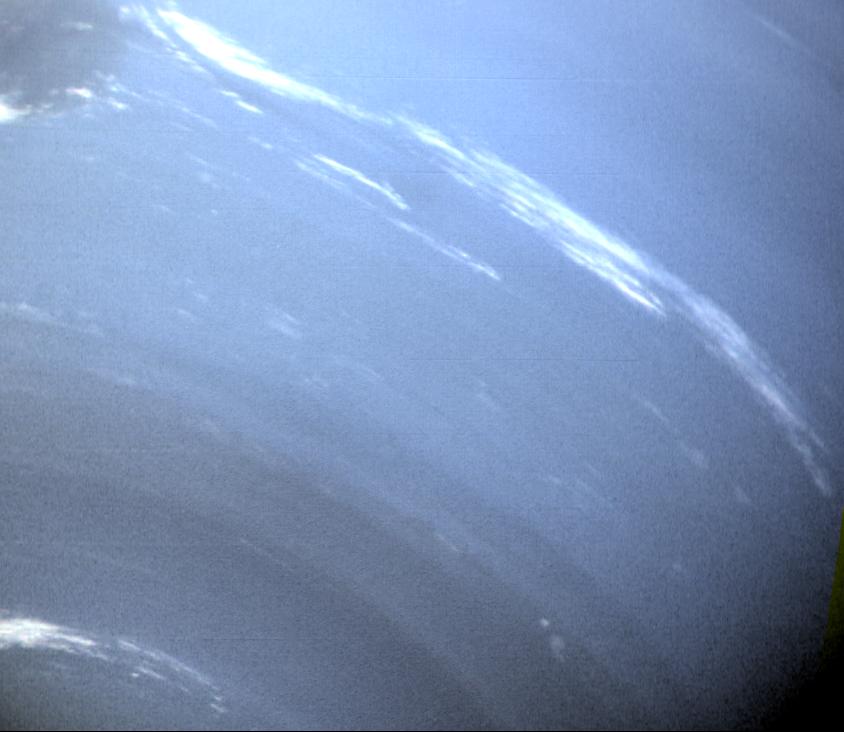
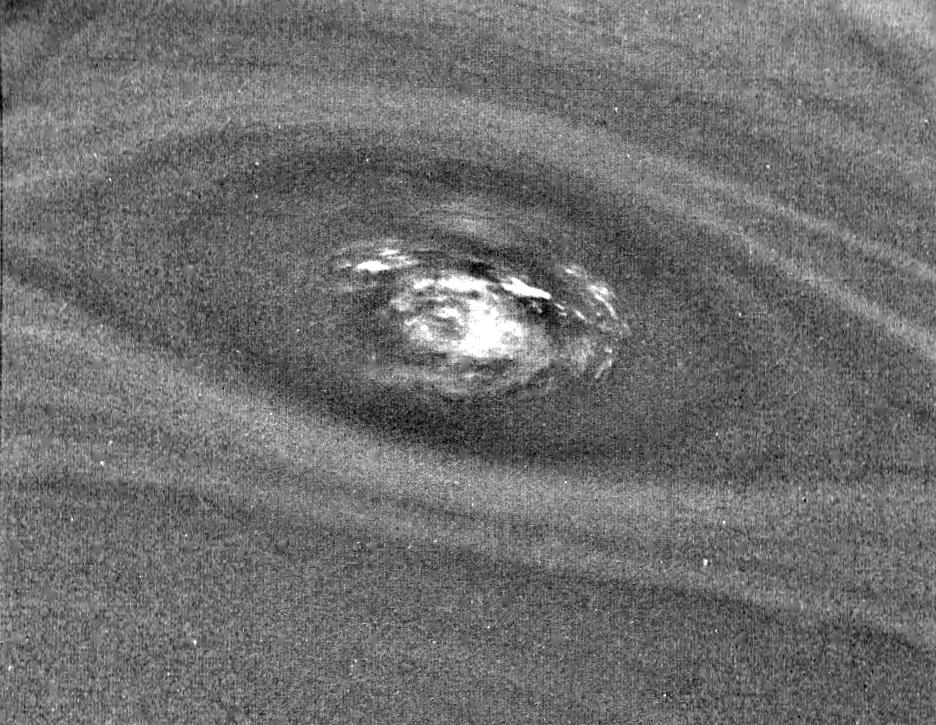
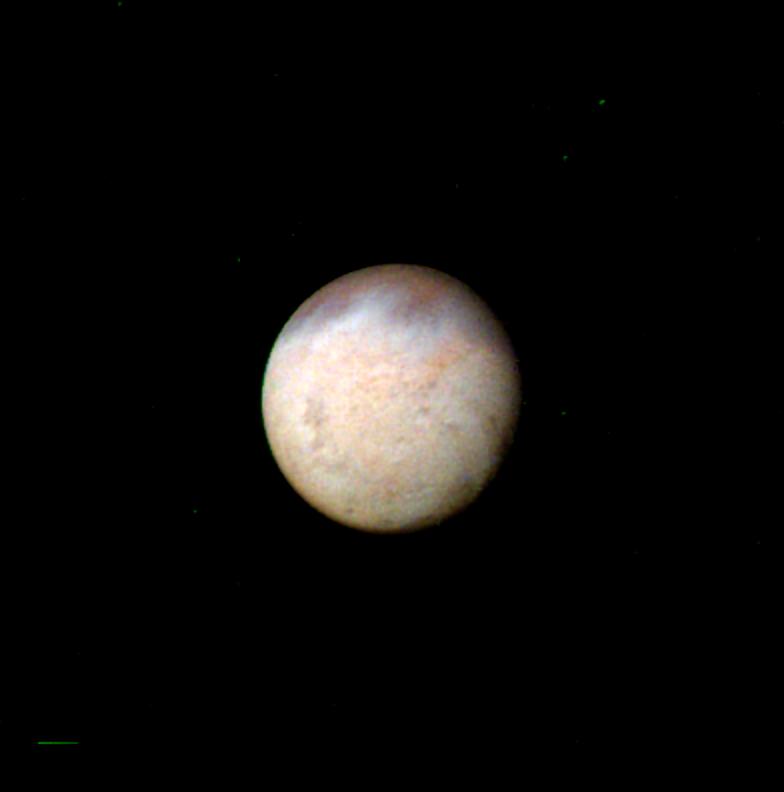
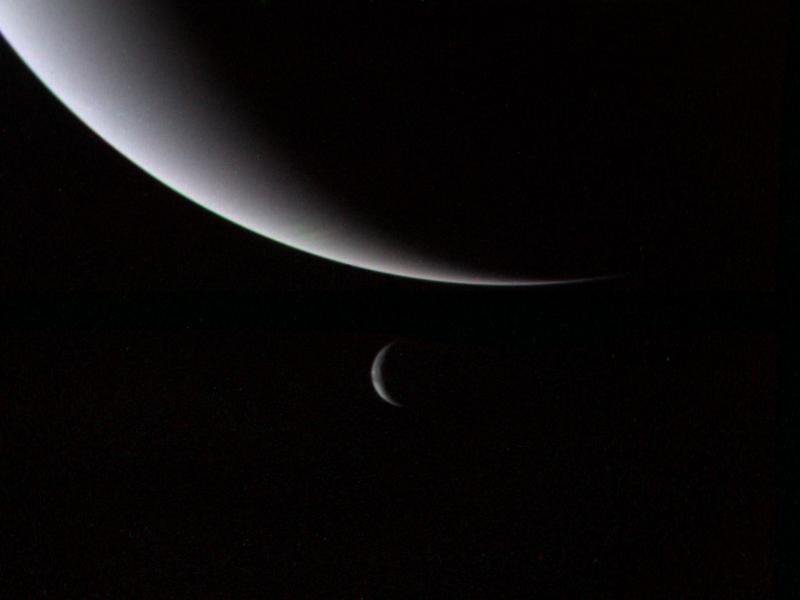
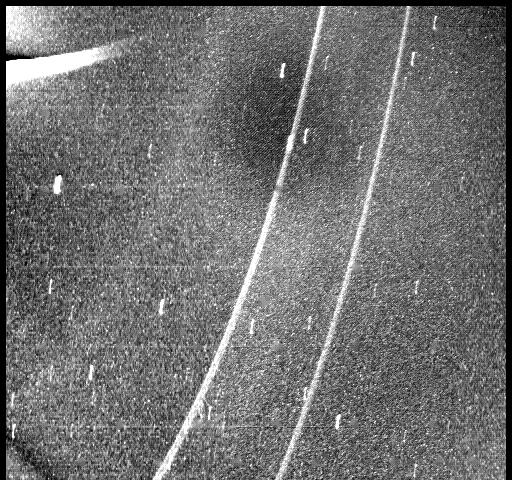
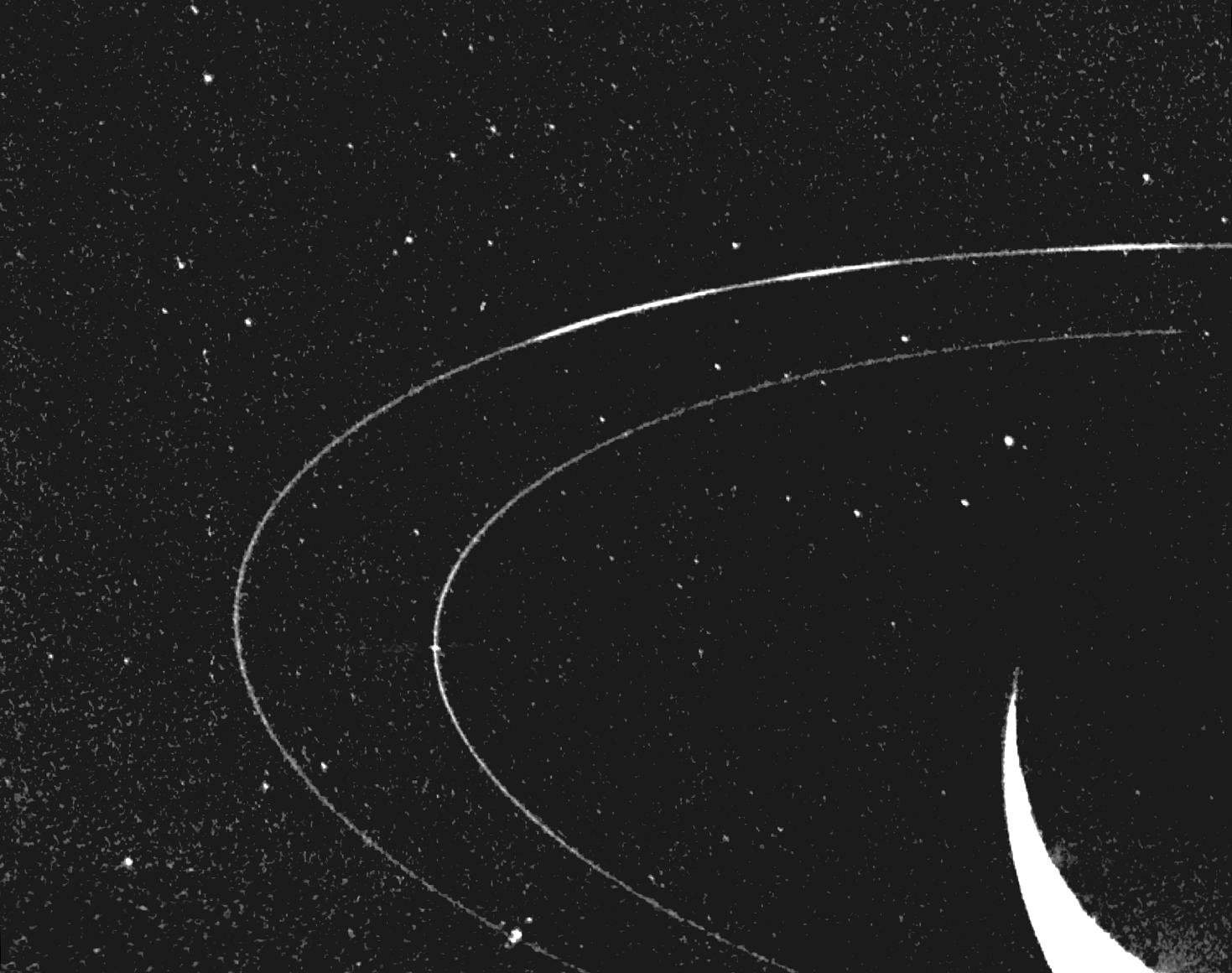
In the summer of 1989, NASA's Voyager 2 became the first spacecraft to observe the planet Neptune up close, its final planetary target.
Voyager at Neptune
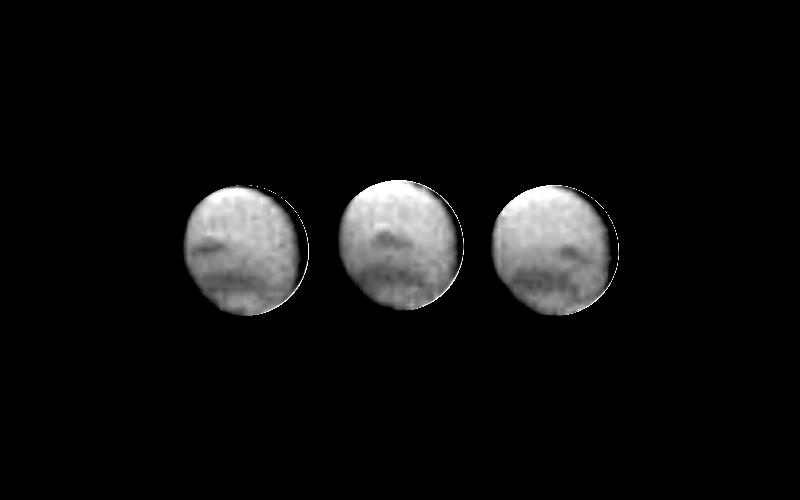
Solar System Family Portrait
Voyager 1 was speeding out of the solar system — beyond Neptune and about 3.7 billion miles from the Sun (6 billion kilometers) — when mission managers commanded it to look back toward home one final time. It snapped a series of 60 images that were used to create the first “family portrait” of our solar system, Feb. 13-14, 1990. Then, to save power, the spacecraft shut off its cameras forever.
A few family members missed the moment — Mercury was too close to the Sun, Mars was obscured by scattered sunlight in the camera, and dwarf planet Pluto was too tiny, too far away, and too dark to be detected.