


















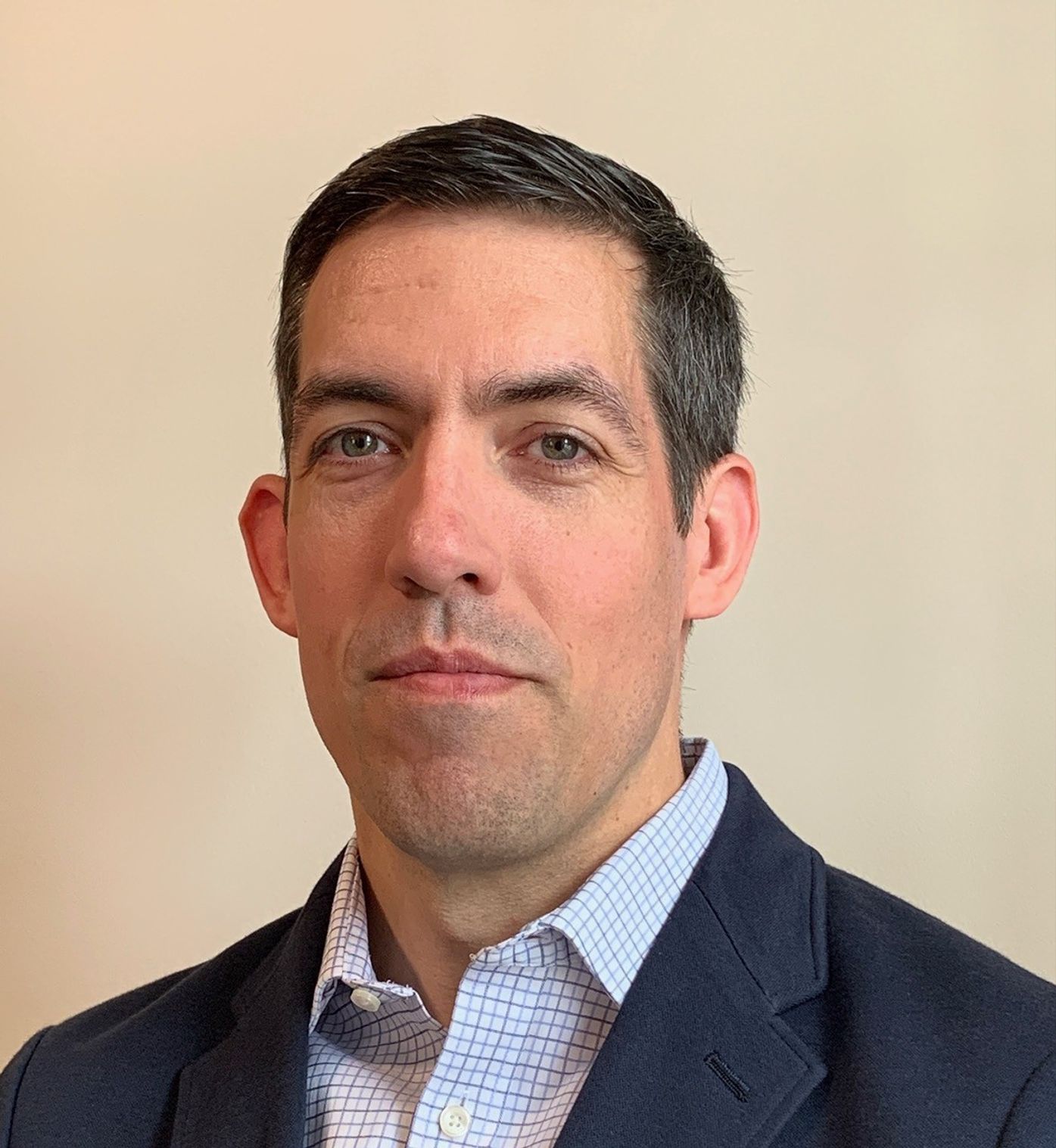
Craig Ferguson
Hydrosphere and Enabling Capabilities Program Manager
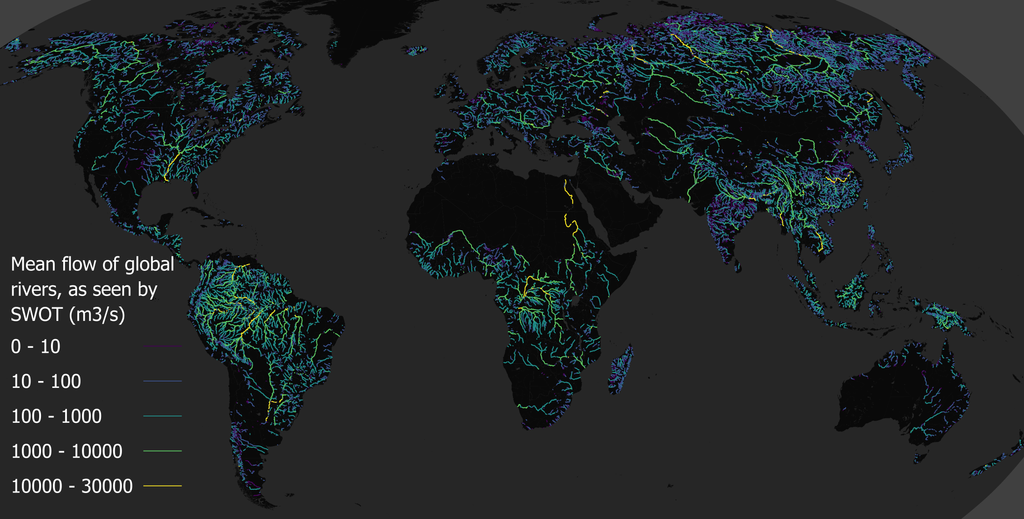
Dr. Craig R. Ferguson serves as program manager for NASA’s Earth Science Division Research Element Hydrosphere program, project scientist for the Integrated Modeling Virtual Institute Scientific Computing program, and Earth Science Division co-lead for High-End Computing. He serves as program scientist for SMAP and deputy program scientist for the NISAR and SWOT satellite missions, the Snow4Flow Earth Venture Suborbital-4 airborne mission, and the Planetary Boundary Layer Decadal Survey Incubation mission concept.
Dr. Ferguson joined NASA in March 2024, bringing with him a decade of experience as a tenured research professor in atmospheric science at the University at Albany, SUNY. Throughout his academic career, he specialized in applying NASA satellite remote sensing data to advance the understanding and prediction of critical atmospheric and hydrological phenomena, including drought, evaporation, precipitation, Great Plains low-level jets, mesoscale land-atmosphere interactions, and circumglobal teleconnections. He secured $5 million in competitively awarded federal funding from NSF, NOAA, DOE, and NASA. His NASA contributions include serving on the SMAP and Sounder Science Teams and leading the development of a new calibration and validation strategy for the NASA Terrestrial Hydrology Program. For NOAA, he co-led a seed project to establish the Northeast Drought Early Warning System (DEWS).
Dr. Ferguson’s research produced several notable firsts: the first satellite-based classification of land-atmosphere coupling strength, the first objective dynamical classification of Great Plains low-level jet synoptic coupling strength, the first satellite-based 30-meter resolution surface soil moisture dataset, and the first quantification of improved low-level jet prediction skill attributable to NASA SMAP soil moisture data assimilation. His scholarly contributions include over 40 peer-reviewed publications and more than 100 conference presentations. He is a recipient of the NOAA David Johnson Award for Outstanding Innovative Use of Earth Observation Satellite Data, served as Editor of the AMS Journal of Hydrometeorology from 2022 to 2025, and contributed twelve years of service in elected leadership roles on the Global Land-Atmosphere System Study (GLASS) and GEWEX Hydroclimatology (GHP) science panels within the World Climate Research Programme’s Global Water and Energy Exchanges Project (GEWEX). Dr. Ferguson holds a Ph.D. and M.A. in Civil and Environmental Engineering from Princeton University and a B.S. in Environmental Resource Engineering from the SUNY College of Environmental Science and Forestry.