





















1960s
-
01
1961
The U.S. Navy's Transit IV-A becomes the first spacecraft to use a radioisotope power supply in space.
-
02
1969
NASA launches its first successful radioisotope thermoelectric generator (RTG) aboard the Nimbus III weather satellite. Nimbus III reused the RTG fuel from the unsuccessful Nimbus B-1 launch.
-
03
1969
Apollo 11 astronauts Neil Armstrong and Buzz Aldrin set up the first in a series of lunar surface experiment packages. The experiments were powered by radioisotope thermoelectric generators (RTGs). The experiments flew with the crews of Apollo 11 through 17 and operated until 1977, far longer than expected.
-
04
1969
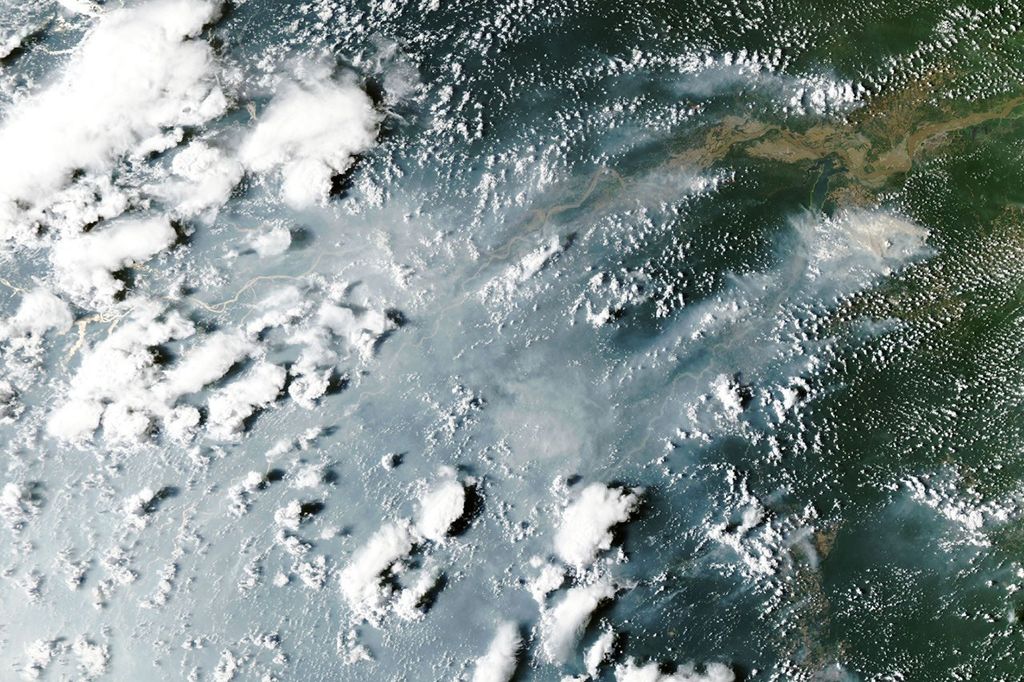
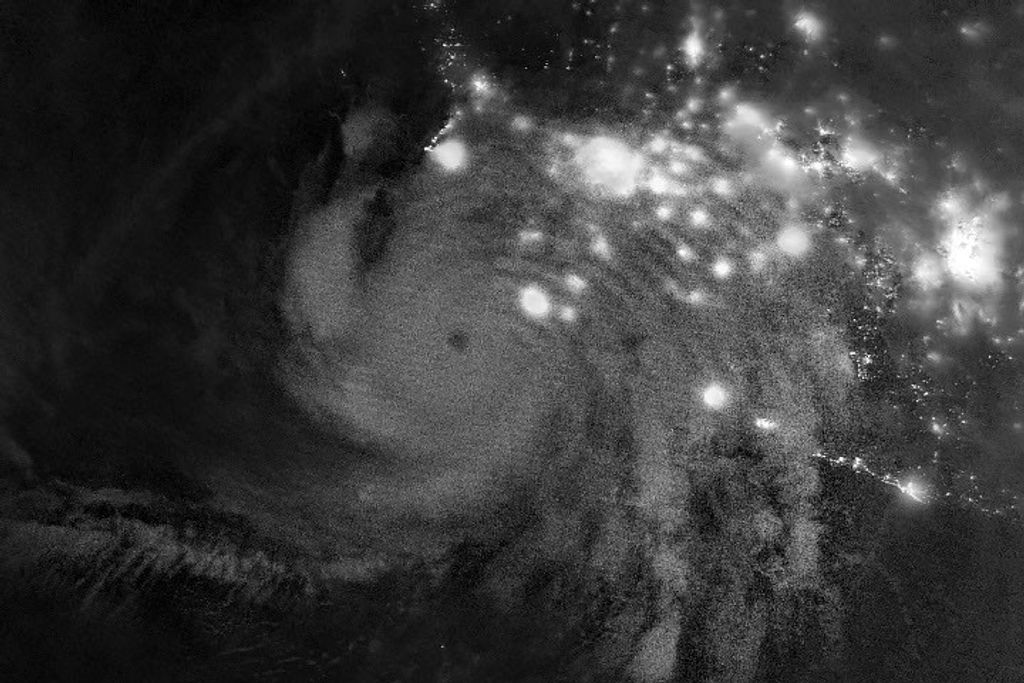
Nimbus III helps meteorologists track deadly hurricane Camille. The orbiter is retired in 1972.

1970s
-
01
1972
NASA's Pioneer 10 is first to cross the asteroid belt.
-
02
1973
Pioneer 10 is first to fly past Jupiter. Four SNAP-19 RTGs with heat from twelve RHUs keep Pioneer 10 functioning for more than 30 years.
-
03
1976
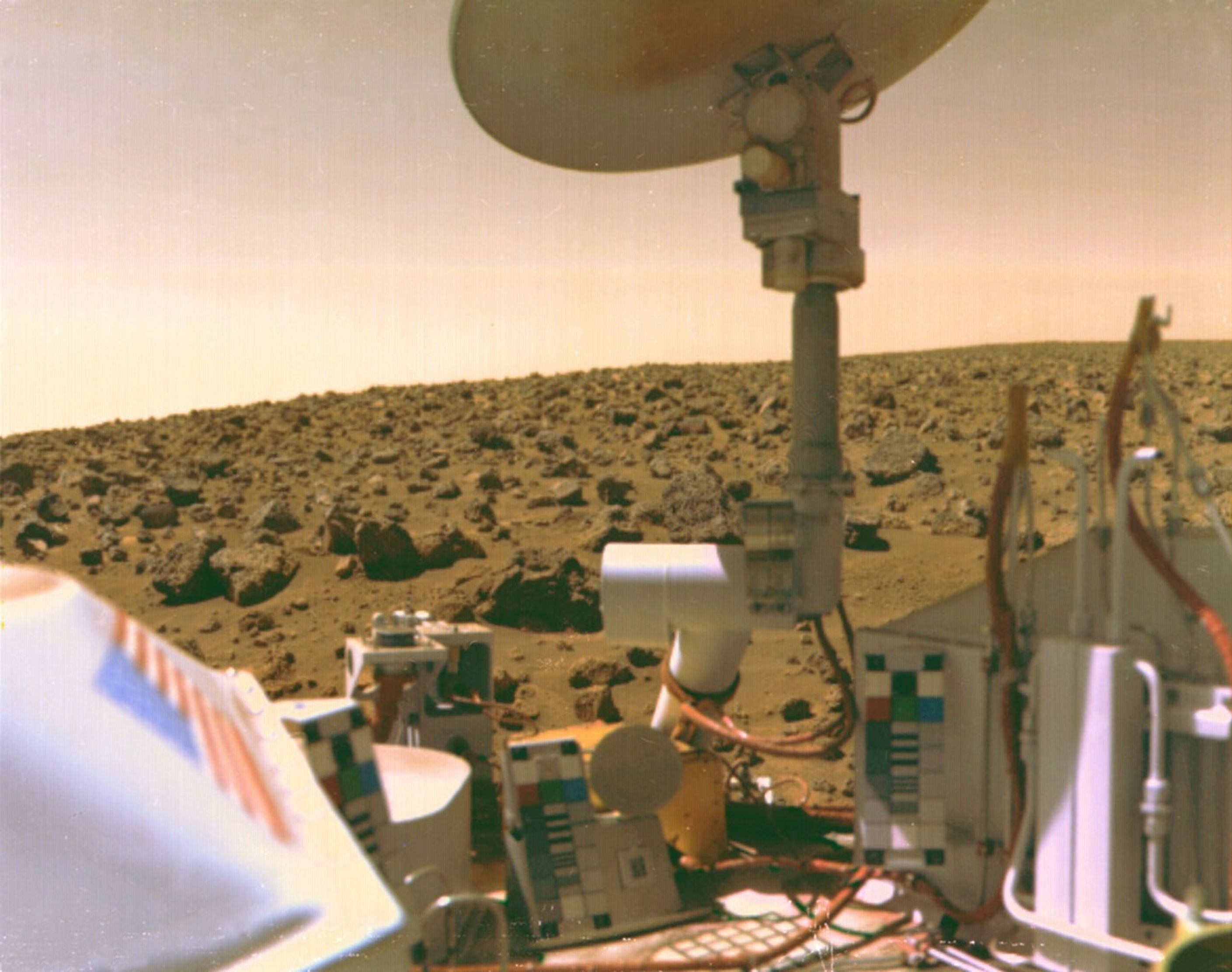
NASA's Viking 1 and Viking 2 landers – powered by SNAP-19 RTGS – send back the first images and data from the surface of Mars.
-
04
1977
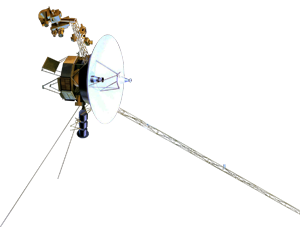
Taking advantage of a rare planetary alignment, NASA's twin Voyagers launch for the outer solar system. Their long voyages are powered by the Multi-Hundred Watt RTGs (MHW-RTGs). Both carry a greeting from the people of Earth to any civilization who might find it in interstellar space.
-
05
1979
Pioneer 11 is first to fly past Saturn. Its 22 year mission is powered by four SNAP-19 RTGs with heat from twelve RHUs.
1980s
-
01
1986
Voyager 2 becomes the first – and still the only – spacecraft to fly past Uranus.
-
02
1989
Voyager 2 becomes the first – and still the only – spacecraft to fly past Neptune.
-
03
1989
The Galileo orbiter – powered and heated by two General Purpose Heat Source RTGs (GPHS-RTGs) and 120 Radioisotope Heater Units (RHUs) – launches for Jupiter from the Space Shuttle Atlantis.
1990s
-
01
1994
The international Ulysses orbiter makes history as it makes the first pass by the poles of the Sun. Its long, looping orbits from Jupiter to the Sun and back are enabled by a GPHS-RTG.
-
02
1995
NASA's Galileo is first to orbit Jupiter.
-
03
1996
Ulysses collects bonus science as it passes through the tail of comet Hyakutake. The spacecraft revealed comet tails are far longer than expected.
-
04
1997
Cassini-Huygens – powered and heated by three GPHS-RTGs, with heat from 117 RHUs – launches for Saturn on what turns out to be a nearly 20 year mission.
-
05
1997
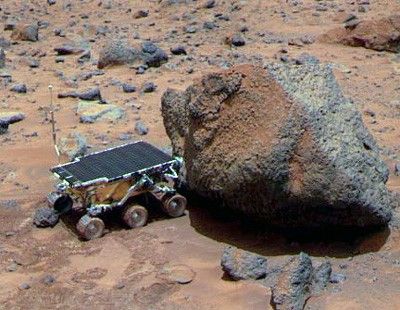
NASA's Sojourner rover becomes the first wheeled vehicle on Mars when it rolls off the Pathfinder landing platform. The solar-powered rover is warmed by radioisotope heater units.
2000s
-
01
2004
NASA's Cassini becomes the first spacecraft to orbit Saturn.
-
02
2004
NASA's Spirit and Opportunity land on Mars. The rovers are solar-powered and heated by radioisotope heater units.
-
03
2005
The European Space Agency's Huygens probe lands on Titan, a first on Titan and the most distant landing to date. Huygens slow descent on frigid Titan is warmed by radioisotope heater units.
-
04
2005
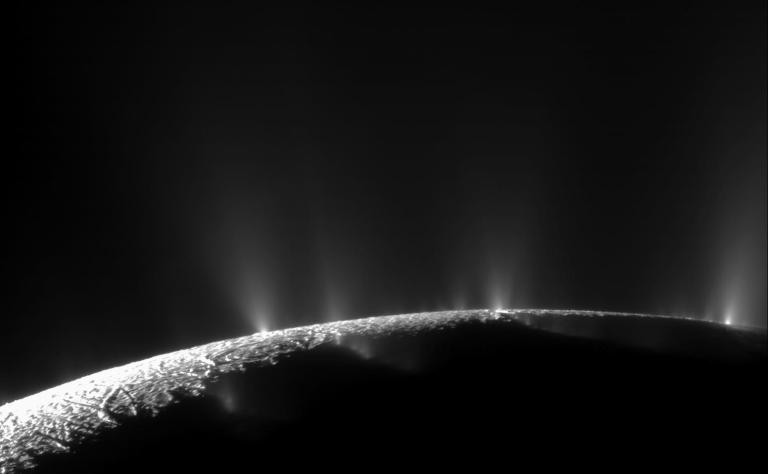
Cassini discovers icy water particles and gas gush from the moon's surface at approximately 800 miles per hour (400 meters per second). The discovery will late lead to the discovery of a subsurface ocean on Enceladus with more liquid water than Earth.
2010s
-
01
2012
Voyager 1, which is traveling up away from the plane of the planets, passed out of the heliosphere into interstellar space, beyond the bubble of the solar wind, on Aug. 25, 2012.
-
02
2012
NASA's Mars Science Laboratory—the rover Curiosity—lands in Gale Crater. Its energy is provided by a multi-mission radioisotope thermoelectric generator (MMRTG).
-
03
2015
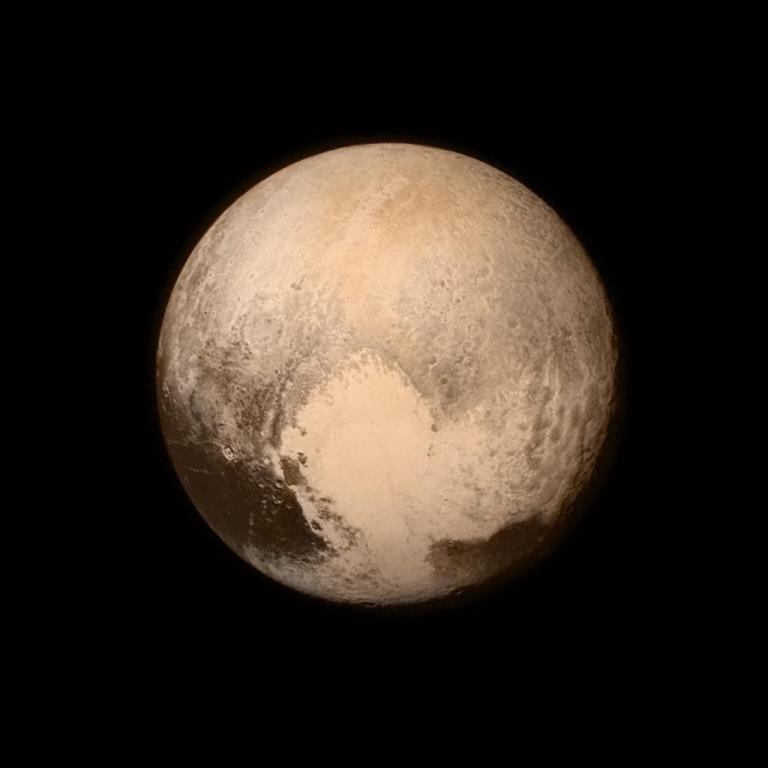
NASA's New Horizons makes the first-ever flyby of Pluto. At this distance, nuclear batteries are the only available energy technology. New Horizons uses a radioisotope thermoelectric generator to power its long journey to Pluto and beyond.
-
04
2017
NASA's Cassini spacecraft makes a fateful plunge into the atmosphere of Saturn, ending its 13-year tour of the ringed planet. Cassini's RPS powered it for almost 20 years in space.
-
05
2018
For the second time in history, a human-made object has reached the space between the stars. NASA’s Voyager 2 probe now has exited the heliosphere – the protective bubble of particles and magnetic fields created by the Sun.
-
06
2019
New Horizons passed Kuiper Belt Object Arrokoth, the most distant object ever explored up close.
2020s
-
01
2021
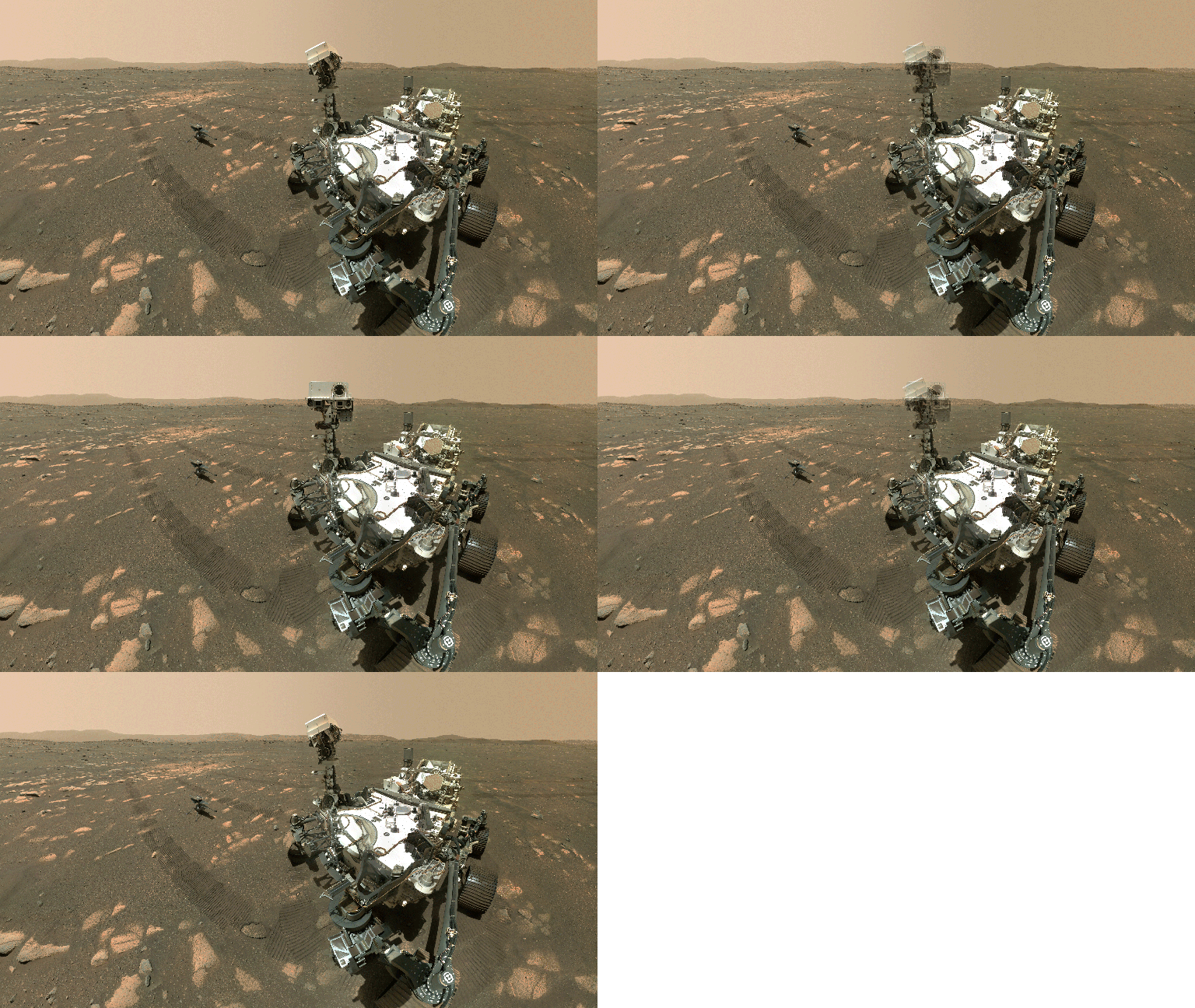
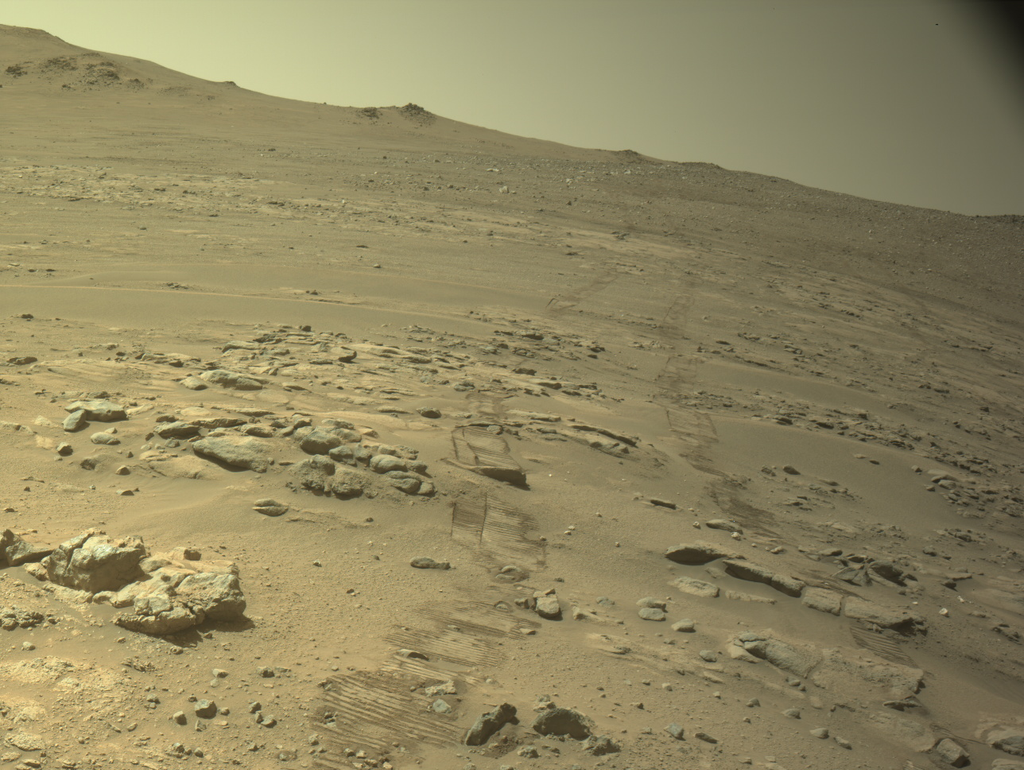
NASA's Perseverance — the second RTG rover — lands on Mars. Its mission is to collect samples and study the habitability of Mars.
-
02
2022
Perseverance completes its first sample depot on Mars with the deposit of a 10th sample.
-
03
2028
Potential launch date for the proposed Dragonfly mission to Saturn's moon Titan. The rotorcraft would use a radioisotope thermoelectric generator to power its flights on Titan.