















Wildfires
Filters
Dry, warm, and windy conditions across the U.S. Great Plains led to extreme fire activity in March 2026.

The National fire has burned tens of thousands of acres within the Florida preserve, fueled by vegetation dried by prolonged…
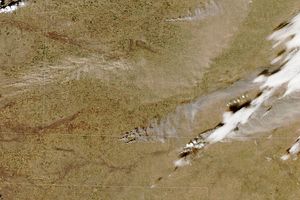
Dry, gusty conditions spurred fast-growing fires in Oklahoma and Kansas, along with dangerous dust storms across the region.
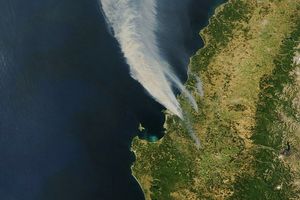
Tens of thousands of people fled to safety as blazes spread throughout the country’s Biobío and Ñuble regions.
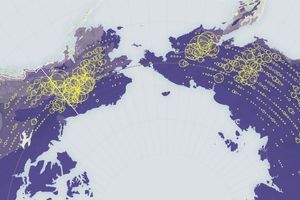
Satellite-based maps show northern wildland fires becoming more frequent and widespread as temperatures rise and lightning reaches higher latitudes.
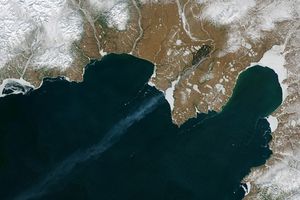
An increasingly flammable landscape combined with more lightning strikes is leading to larger, more frequent, and more intense fires than…
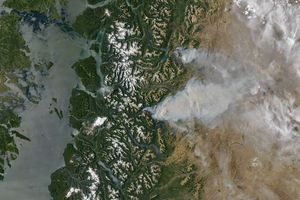
Blazes spread across Los Alerces National Park, home to some of the world's oldest trees.

Scientists say the seasonal crop fires are burning later in the day than in previous years.
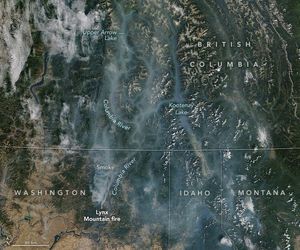
Smoke filled river valleys in northeastern Washington and parts of British Columbia.