

















.jpeg)
Key Points
- A rocket team reports the first successful detection of Earth’s ambipolar electric field: a weak, planet-wide electric field as fundamental as Earth’s gravity and magnetic fields.
- First hypothesized more than 60 years ago, the ambipolar electric field is a key driver of the “polar wind,” a steady outflow of charged particles into space that occurs above Earth’s poles.
- This electric field lifts charged particles in our upper atmosphere to greater heights than they would otherwise reach and may have shaped our planet’s evolution in ways yet to be explored.
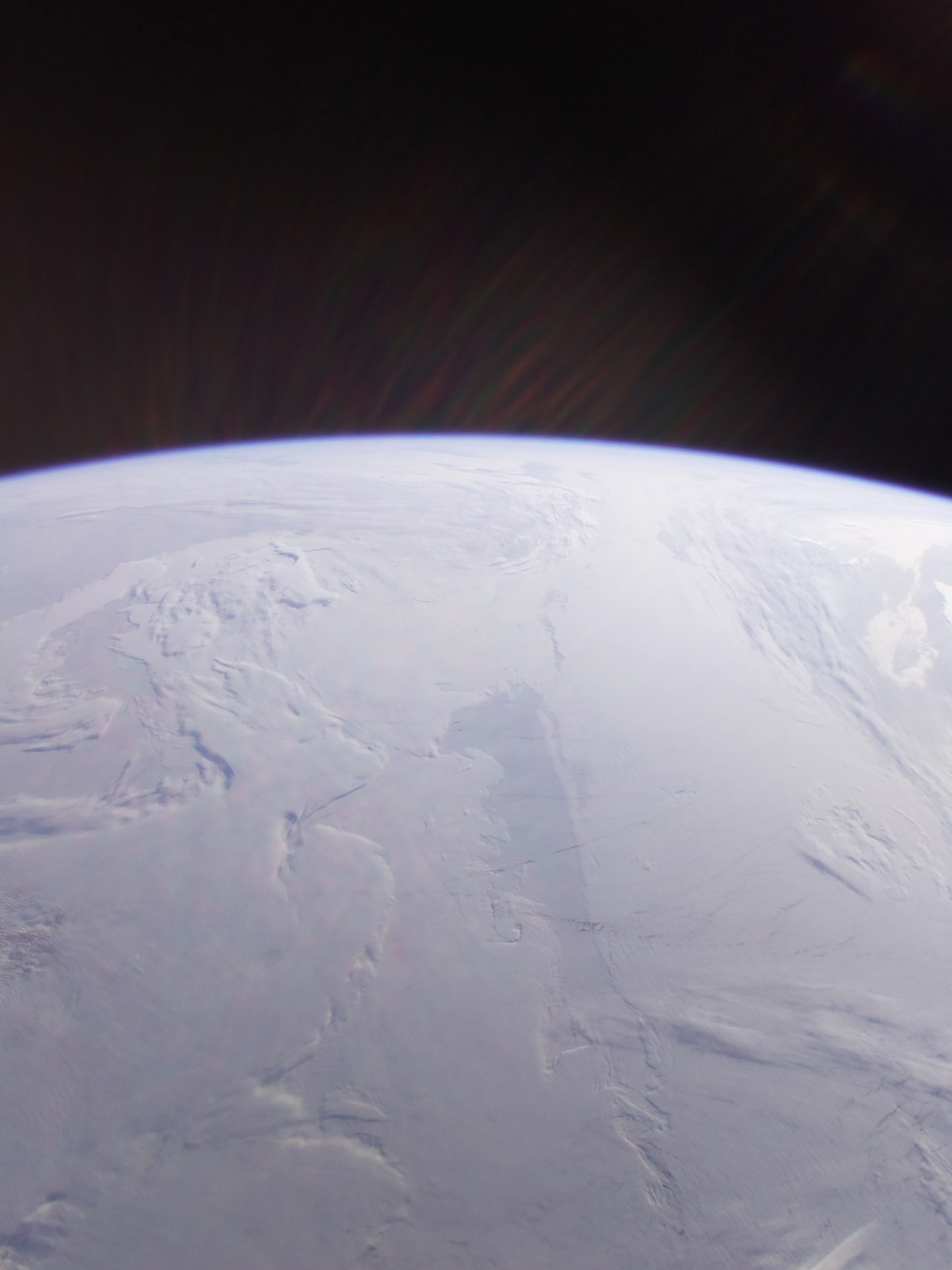
Using observations from a NASA suborbital rocket, an international team of scientists has, for the first time, successfully measured a planet-wide electric field thought to be as fundamental to Earth as its gravity and magnetic fields. Known as the ambipolar electric field, scientists first hypothesized over 60 years ago that it drove how our planet’s atmosphere can escape above Earth’s North and South Poles. Measurements from the rocket, NASA’s Endurance mission, have confirmed the existence of the ambipolar field and quantified its strength, revealing its role in driving atmospheric escape and shaping our ionosphere — a layer of the upper atmosphere — more broadly.
Understanding the complex movements and evolution of our planet’s atmosphere provides clues not only to the history of Earth but also gives us insight into the mysteries of other planets and determining which ones might be hospitable to life. The paper was published Wednesday, Aug. 28, 2024, in the journal Nature.
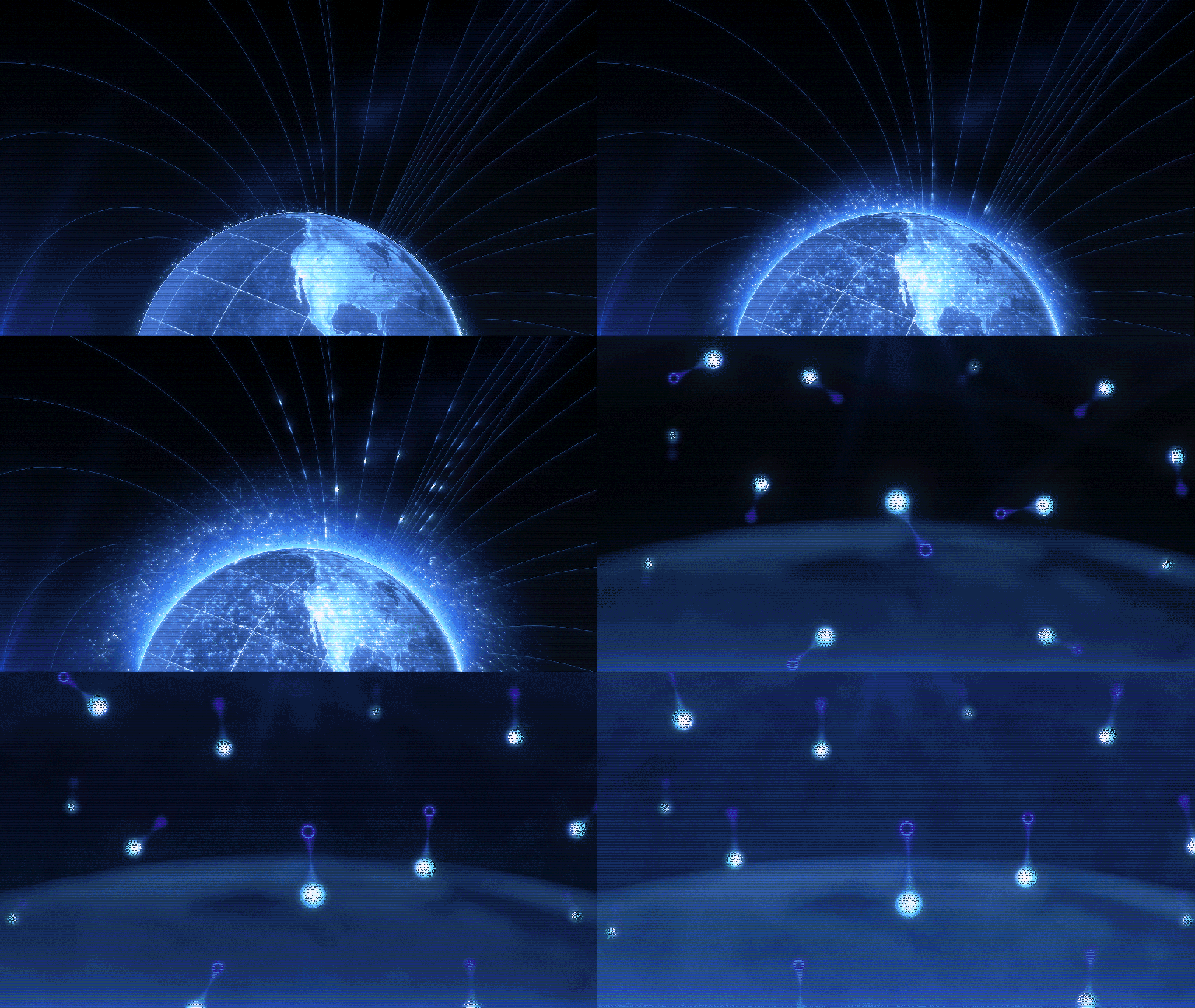
Download this video and related animations from NASA's Scientific Visualization Studio.
An Electric Field Drawing Particles Out to Space
Since the late 1960s, spacecraft flying over Earth’s poles have detected a stream of particles flowing from our atmosphere into space. Theorists predicted this outflow, which they dubbed the “polar wind,” spurring research to understand its causes.
Some amount of outflow from our atmosphere was expected. Intense, unfiltered sunlight should cause some particles from our air to escape into space, like steam evaporating from a pot of water. But the observed polar wind was more mysterious. Many particles within it were cold, with no signs they had been heated — yet they were traveling at supersonic speeds.
“Something had to be drawing these particles out of the atmosphere,” said Glyn Collinson, principal investigator of Endurance at NASA’s Goddard Space Flight Center in Greenbelt, Maryland, and lead author of the paper. Scientists suspected a yet-to-be-discovered electric field could be at work.
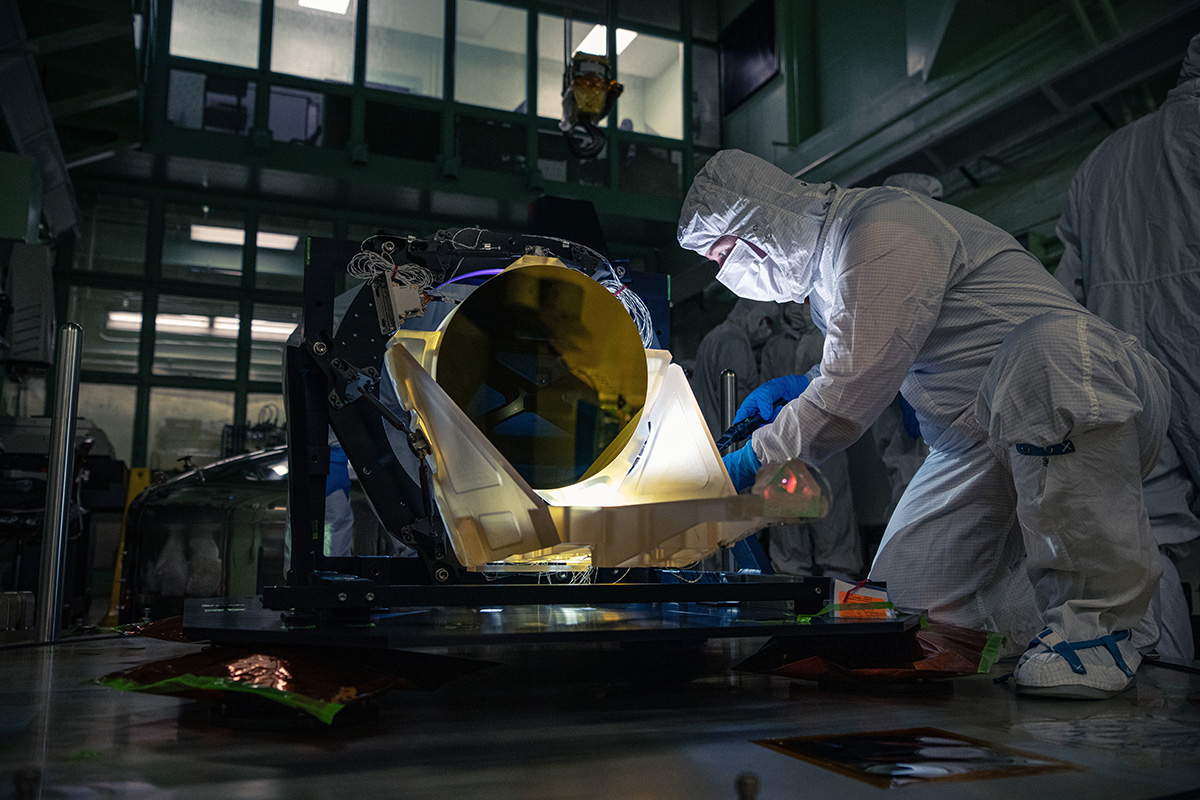
The hypothesized electric field, generated at the subatomic scale, was expected to be incredibly weak, with its effects felt only over hundreds of miles. For decades, detecting it was beyond the limits of existing technology. In 2016, Collinson and his team got to work inventing a new instrument they thought was up to the task of measuring Earth’s ambipolar field.