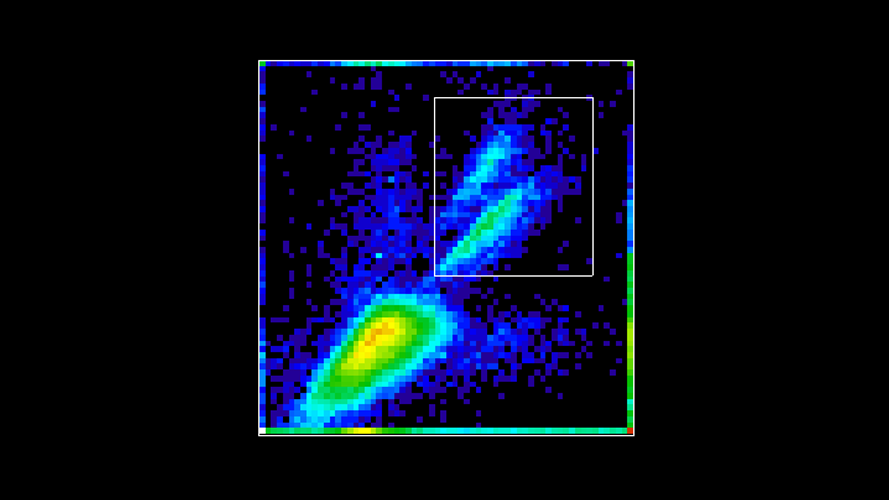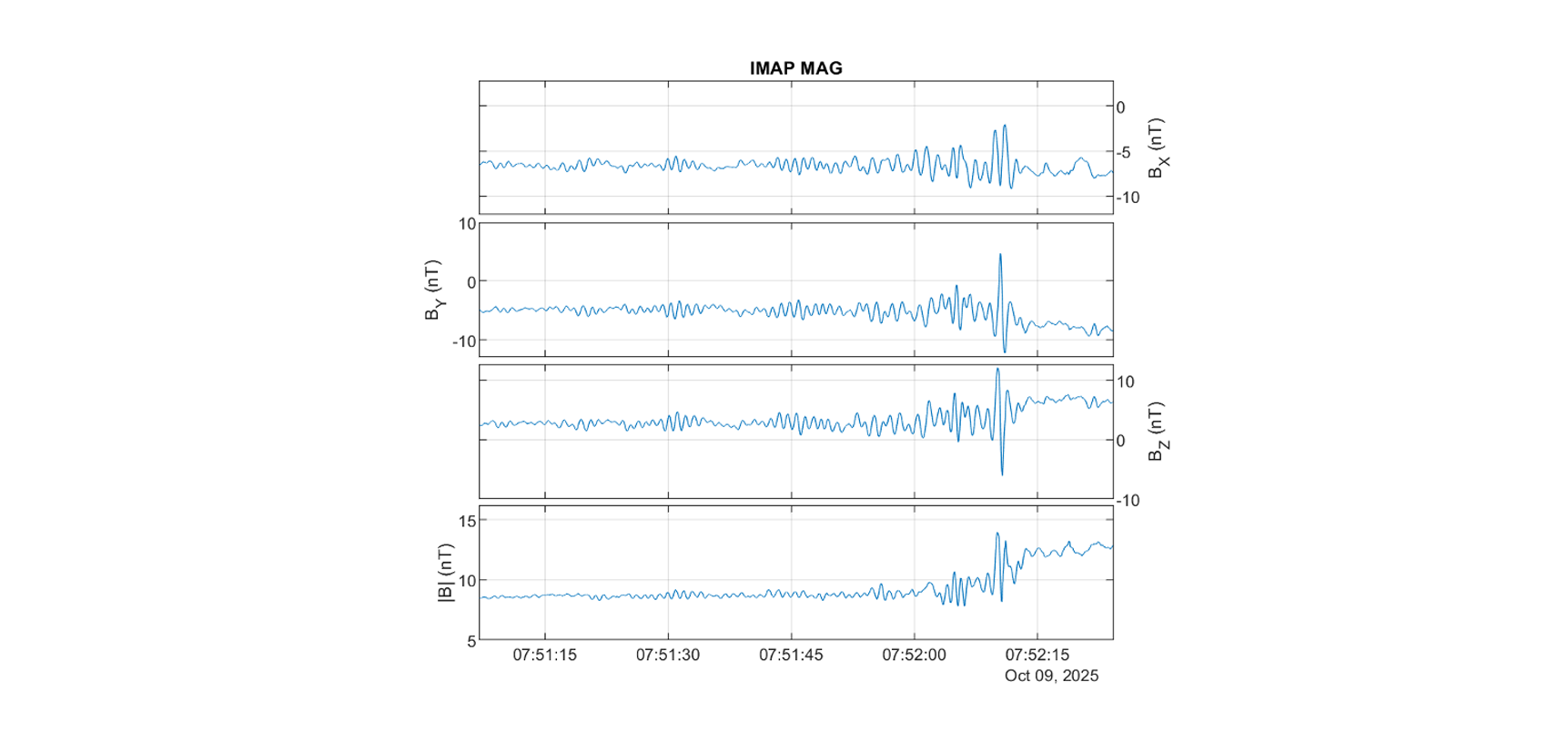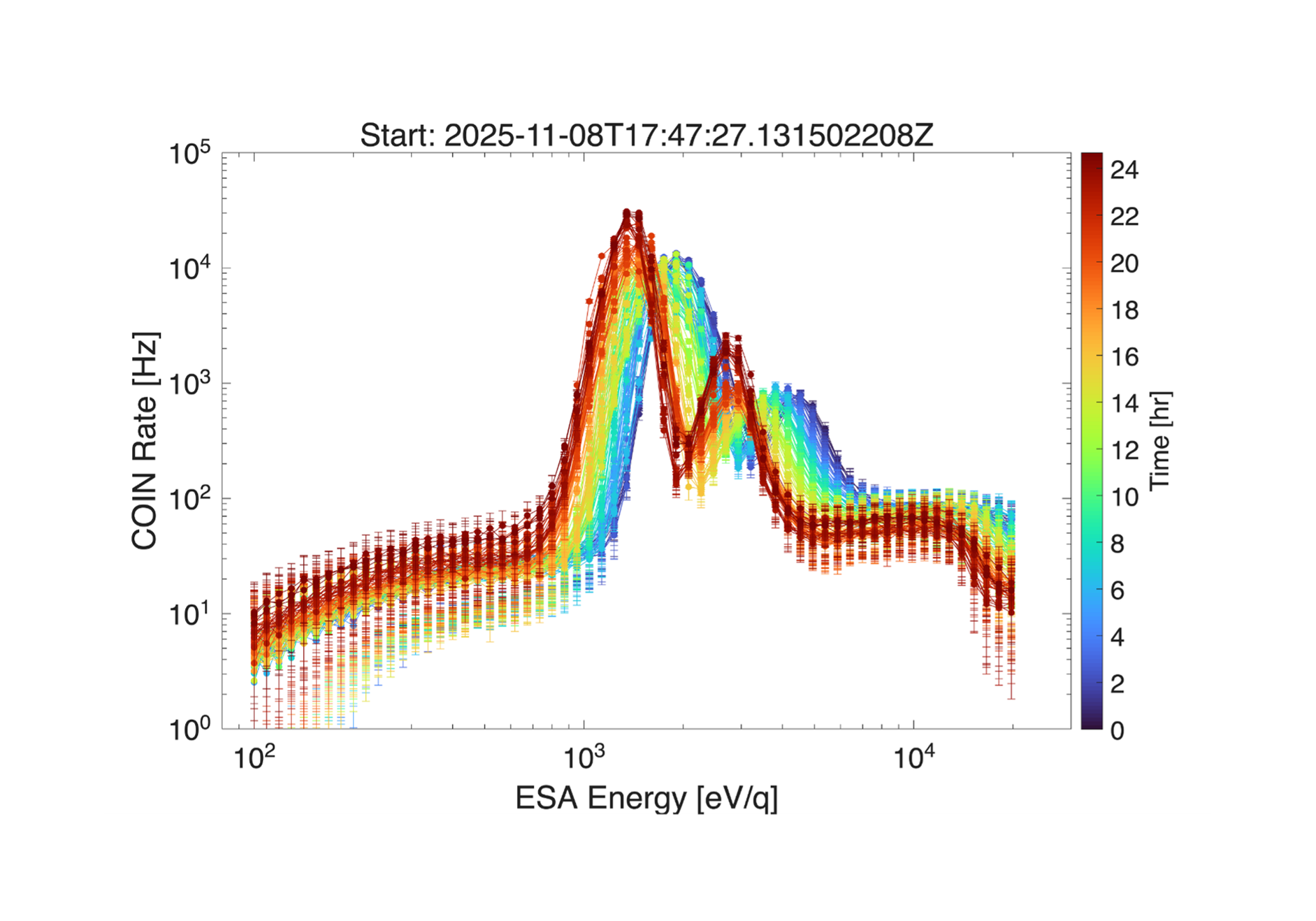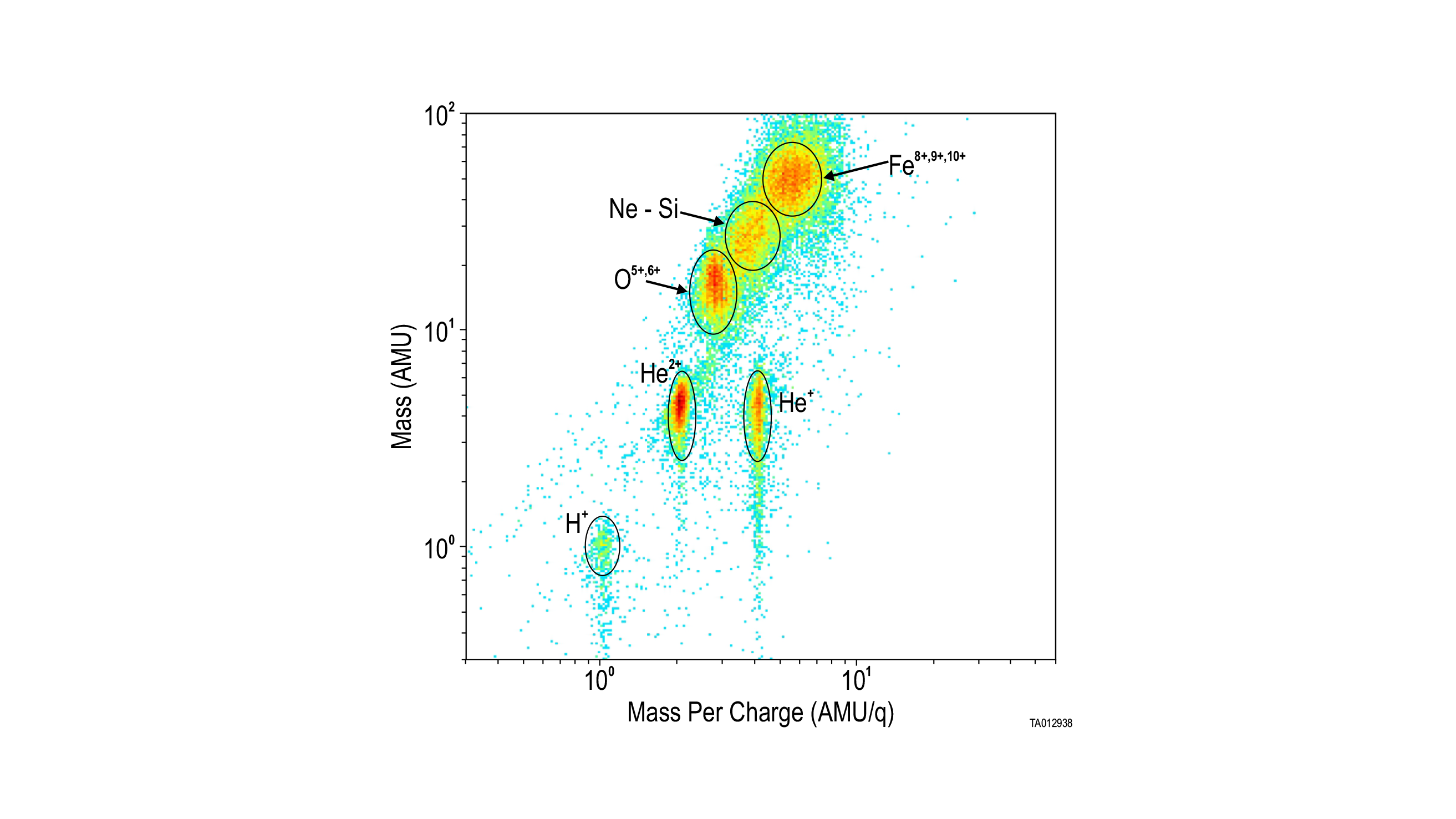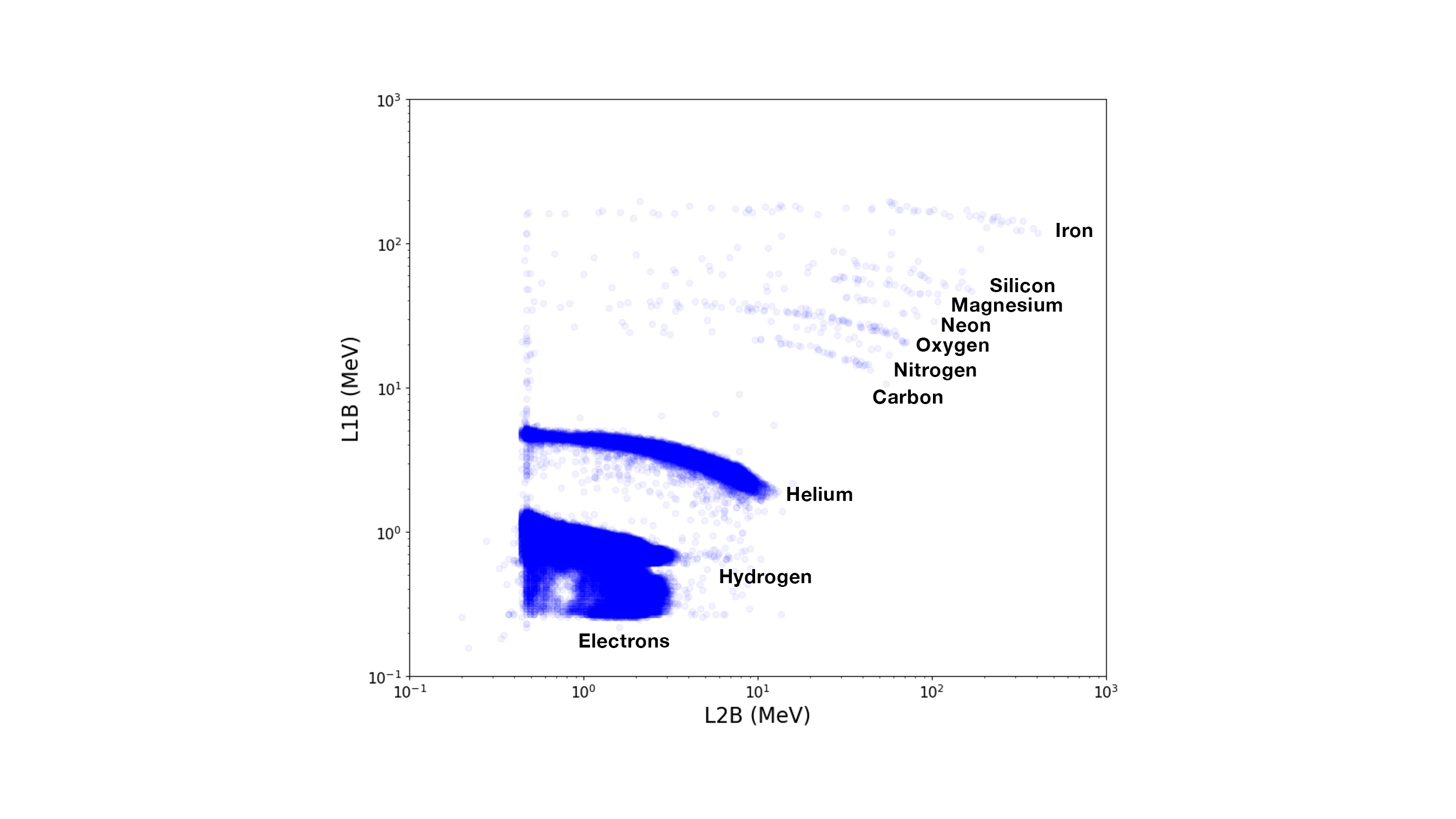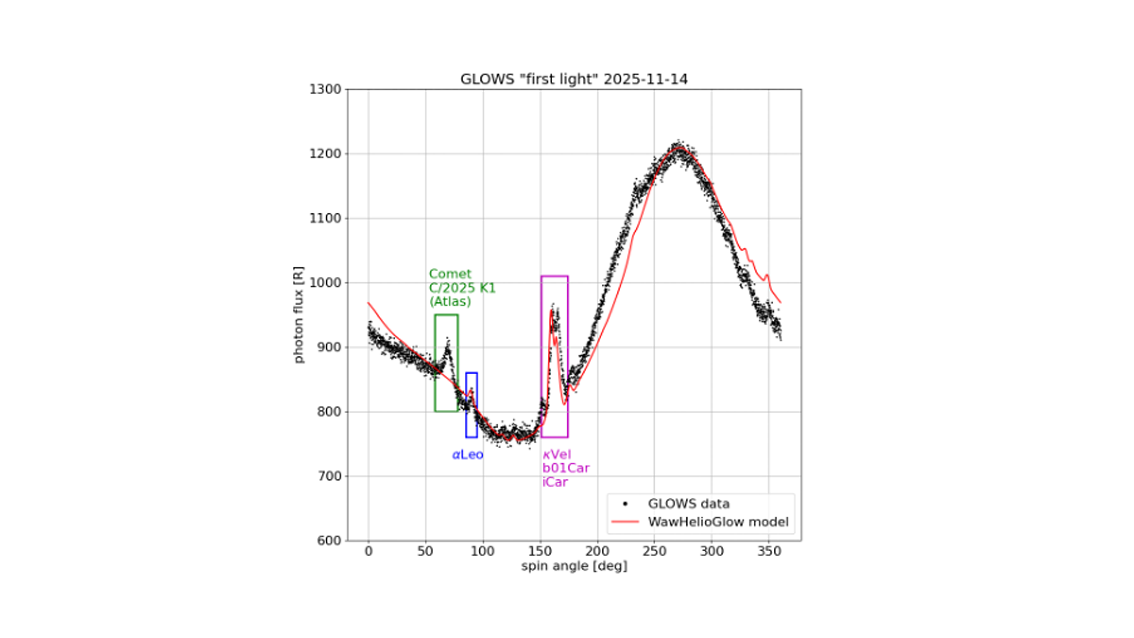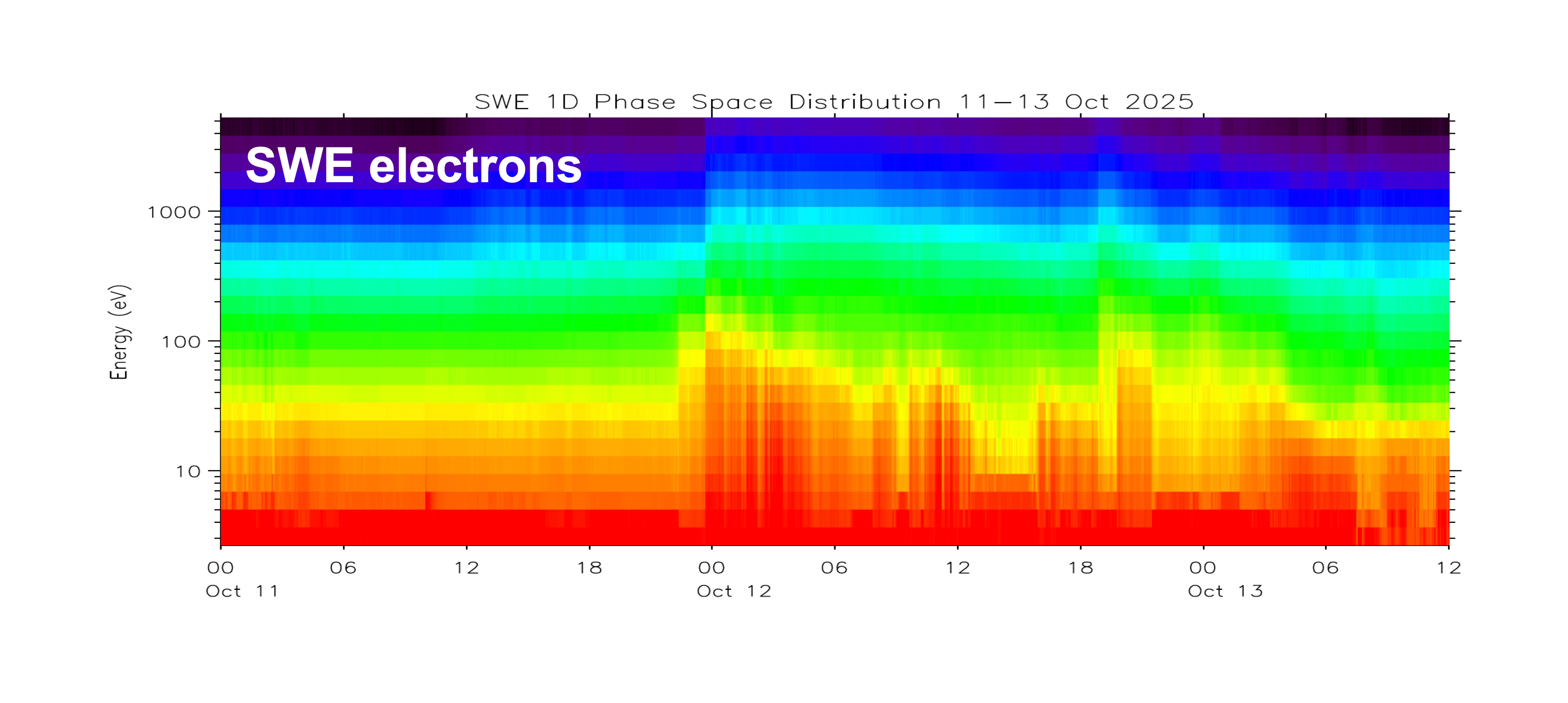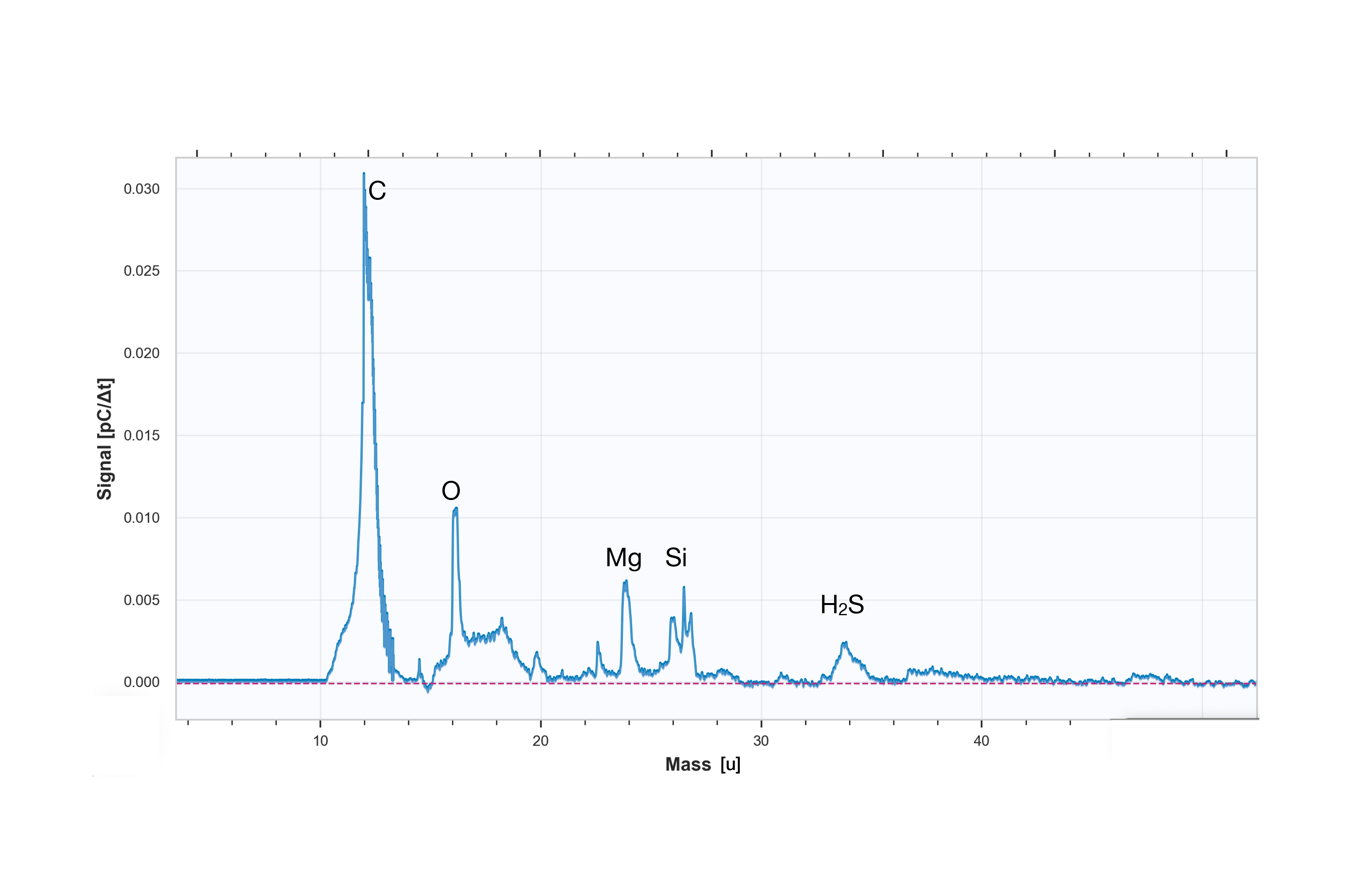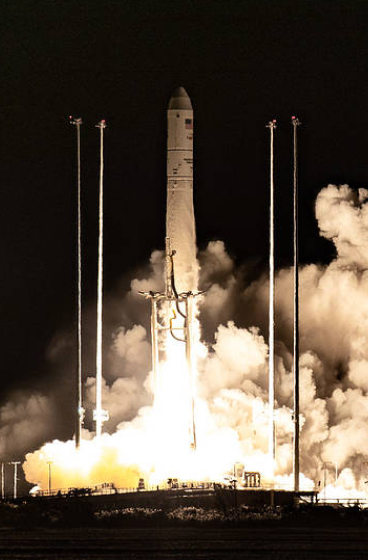


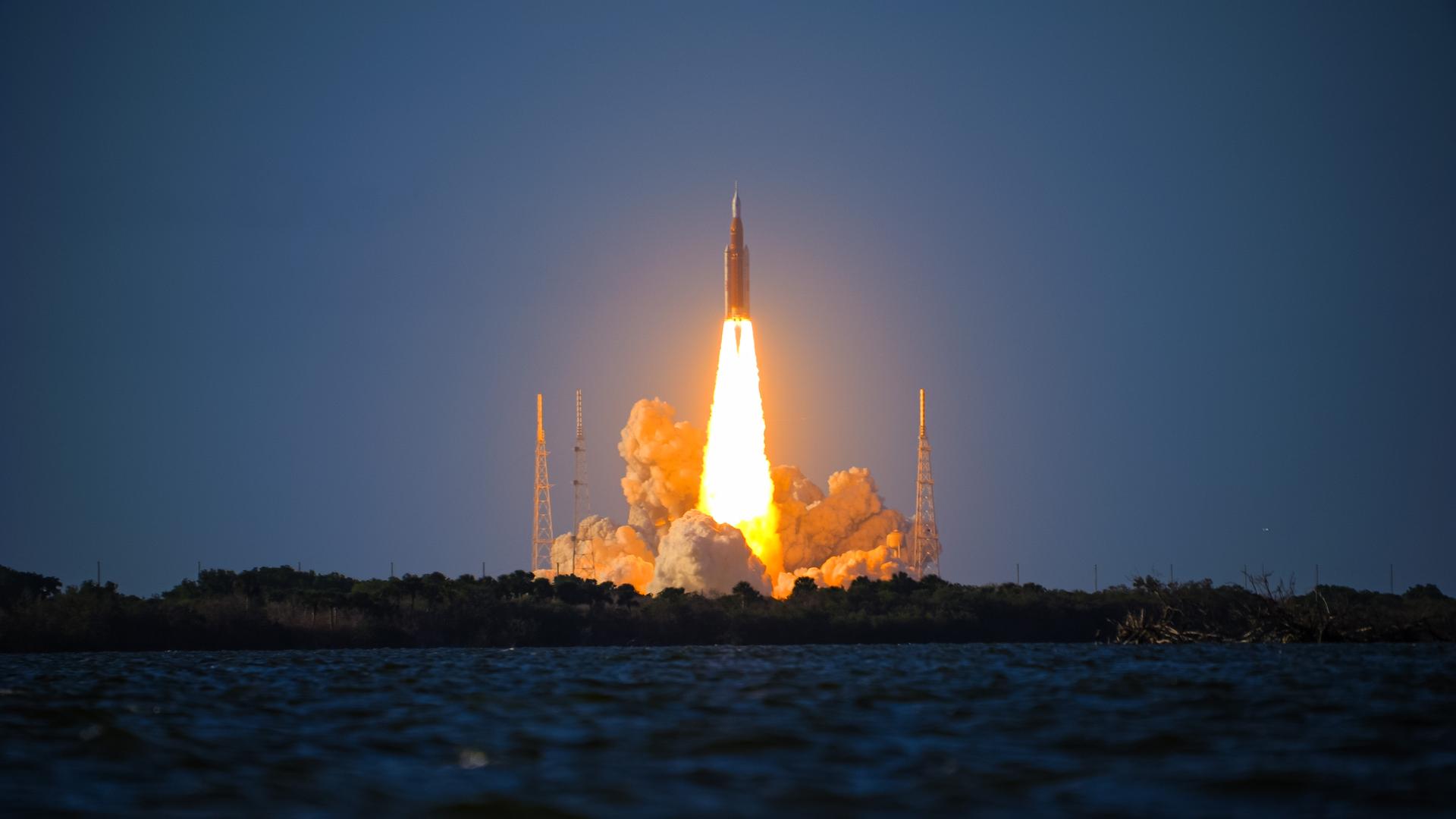
















All 10 instruments aboard NASA’s newly launched IMAP (Interstellar Mapping and Acceleration Probe) mission have successfully recorded their first measurements in space. With these “first light” observations, the spacecraft is now collecting preliminary science data as it journeys to its observational post at Lagrange point 1 (L1), about 1 million miles from Earth toward the Sun.
“We are extremely pleased with the initial in-flight performance of the IMAP mission. All instruments have successfully powered on and our commissioning remains on track. We have already collected useful data including exercising our near-real-time space weather data stream,” said Brad Williams, IMAP program executive at NASA Headquarters in Washington. “This successful milestone is quickly setting the stage for the start of our primary science operations."
As a modern-day celestial cartographer, IMAP will chart the boundaries of the heliosphere — a huge bubble created by the Sun's wind that encapsulates our entire solar system — and study how the heliosphere interacts with the local galactic neighborhood beyond.
To map the heliosphere’s boundaries, IMAP is equipped with three instruments that measure energetic neutral atoms: IMAP-Lo, IMAP-Hi, and IMAP-Ultra. These uncharged particles, called ENAs for short, are cosmic messengers formed at the heliosphere’s edge that allow scientists to study the boundary region and its variability from afar.

“It’s just astounding that within the first couple weeks of observations, we see such clear and consistent ENA data across the factor of 10,000 in energy covered collectively by the three imagers,” said David McComas, Princeton University professor and principal investigator for the IMAP mission. “This, plus excellent first light data from all seven of the other instruments, makes for a 10 out of 10, A-plus start to the mission.”
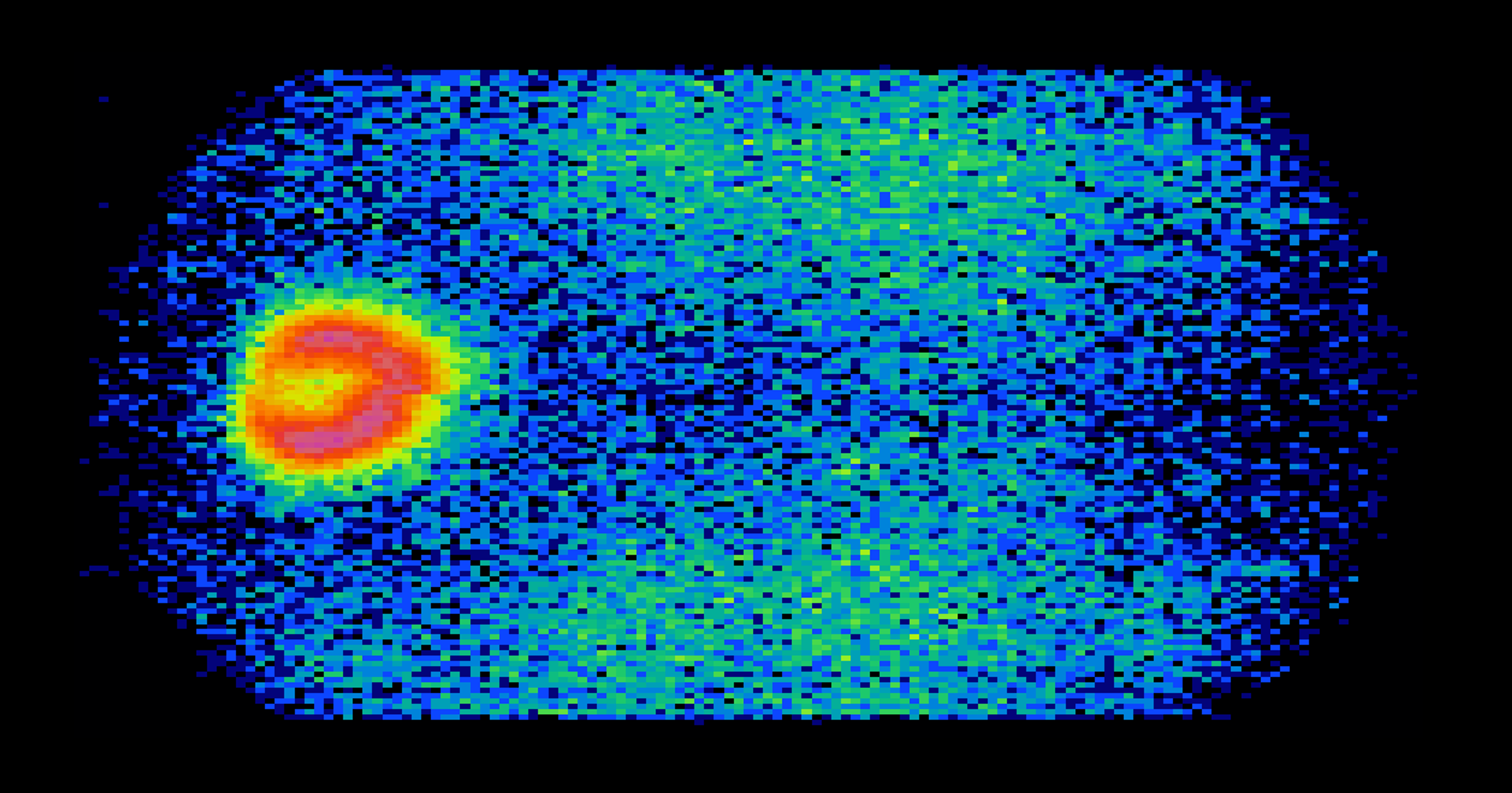
As IMAP travelled away from Earth, the IMAP-Ultra instrument looked back at the planet and picked up ENAs created by Earth’s magnetic environment. These terrestrially made ENAs, which overwhelm ENAs coming from the heliosphere in sheer numbers, is a reason why IMAP will be stationed at L1. There the spacecraft will have an unobstructed view of ENAs coming from the heliosphere’s boundaries.
The mission will also study the solar wind, a continuous flow of charged particles coming from the Sun. Solar wind observations from five of IMAP’s instruments will be used by the IMAP Active Link for Real-Time (I-ALiRT) system to provide roughly a half hour’s warning to voyaging astronauts and spacecraft near Earth about harmful space weather and radiation coming their way. The IMAP instruments are already making near-real-time solar wind measurements that can be used to support space weather forecasts. The I-ALiRT network is being exercised and will be ready for space weather forecasters when IMAP starts its regular science mission at L1.
With all of IMAP’s instruments up and running, the mission has nearly completed its commissioning stage and will arrive at L1 in early January. The mission is now working to complete the final commissioning steps and instrument calibration with the goal of being ready to take operational science data starting Saturday, Feb. 1, 2026.
Here’s a look at IMAP’s instruments and what they’ve seen in their first-light observations.