





The 3I/ATLAS comet appears, the Geminids sparkle, and the Moon and Jupiter get close
The 3I/ATLAS comet makes its closest approach to Earth, the Geminid meteor shower sparkles across the sky, and the Moon and Jupiter get close for a conjunction.
Skywatching Highlights
- Dec. 19: 3I/ATLAS closest approach to Earth
- Dec. 13-14: Geminid meteor shower peak
- Dec. 7: Moon and Jupiter conjunction
Transcript
The 3I/ATLAS comet makes its closest approach to Earth.
The Geminid Meteor Shower sparkles across the sky.
And we spot a conjunction between the Moon and Jupiter.
That's what's up, for December.
Comet 3I/ATLAS is making its closest approach to Earth on December 19! This could be your best bet to see this interstellar interloper.

Comet 3I/ATLAS is the third object in history from outside of our solar system to be discovered within our solar system.
NASA continues to observe and study the object using a variety of spacecraft and telescopes so we can learn as much as we can about it while it's in our solar neighborhood.
Comet 3I/ATLAS poses no threat to Earth and will remain far away. On its closest approach to our planet on December 19, it will still be about 170 million miles away, or more than 700 times the distance between the Earth and the Moon.
Still, at this distance, skywatchers looking east to northeast in the early pre-dawn morning could catch the comet right under Regulus, a star at the heart of the constellation Leo, the lion.
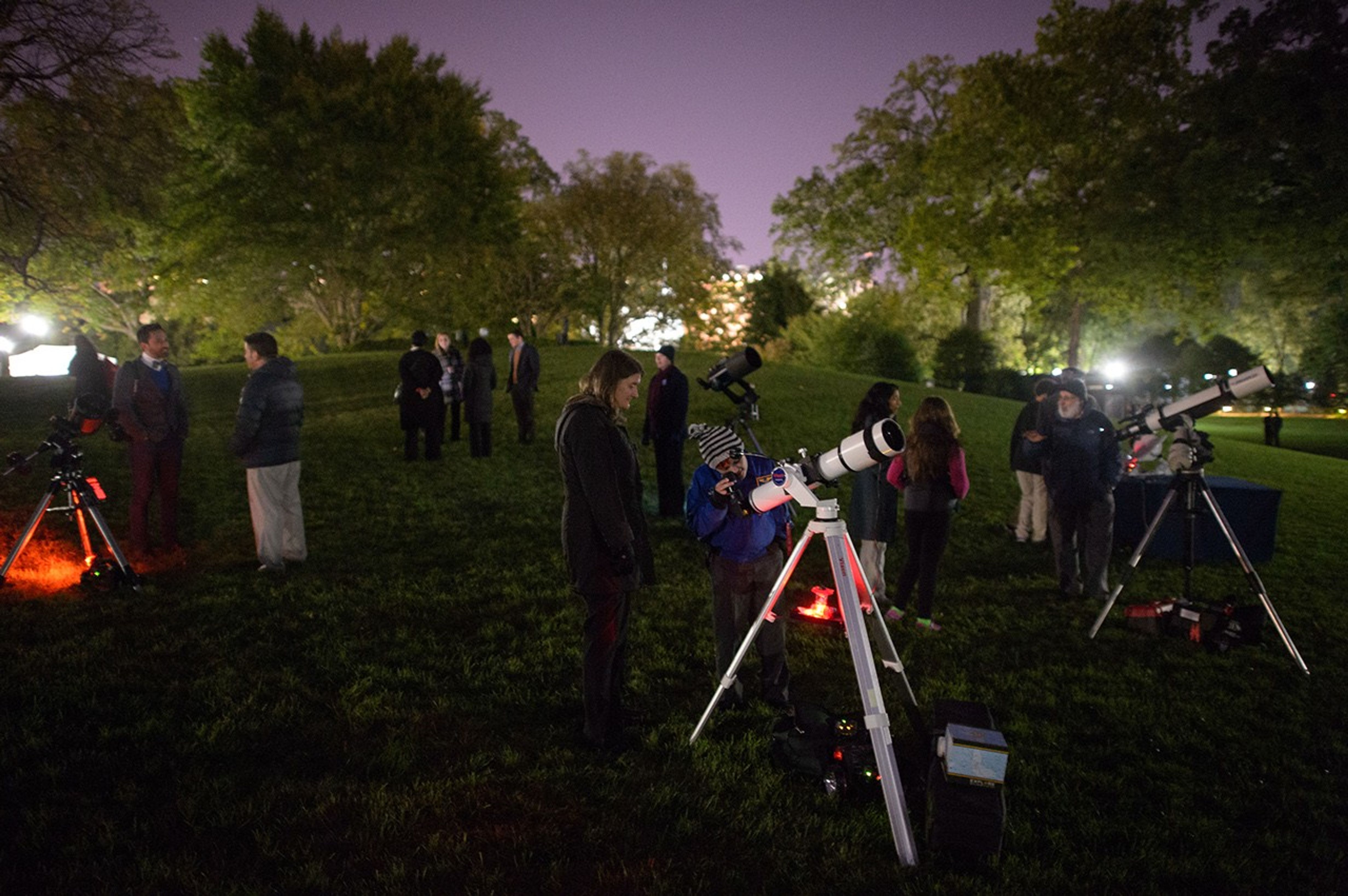
To see the comet before it leaves our vicinity, you'll need to be looking through a telescope with an aperture of at least 30 centimeters. Look for observatories and skywatching events in your local area!
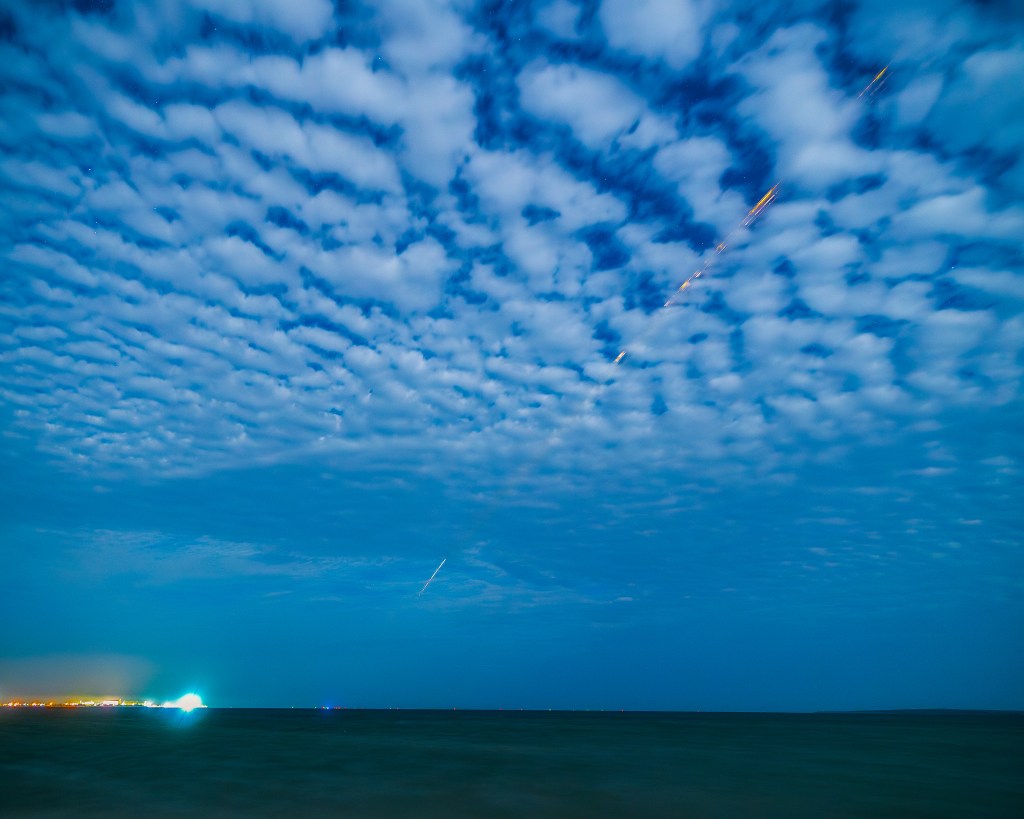
The Geminid meteor shower will sparkle across the skies this December, peaking on the evenings of December 13 and 14.

This meteor shower is known for being bright and colorful, made up of debris trailing the asteroid 3200 Phaethon.
To catch the Geminids peak, look to the eastern sky all evening on Dec. 13 and Dec. 14. The meteors will appear near the bright planet Jupiter.
With the darkest possible skies, you could see up to 120 Geminid meteors per hour!
The evening of December 7, the Moon will have a friend in the night sky as the Moon and Jupiter get close for a conjunction.

During a conjunction, objects in the sky - like planets and moons - appear close together even though they're actually far apart. For example, while the Moon and Jupiter will buddy up this month from our view, in space, they're actually hundreds of millions of miles apart.
To see the pair together, look up to the Moon in the eastern sky on December 7, and Jupiter will be just above and to the right.
Here are the phases of the Moon for December.

You can stay up to date on all of NASA's missions exploring the solar system and beyond at science.nasa.gov.
I'm Chelsea Gohd from NASA's Jet Propulsion Laboratory, and that's What's Up for this month.