







Suggested Searches

Stratospheric Aerosol and Gas Experiment (SAGE)

The Stratospheric Aerosol and Gas Experiment, SAGE, is a series of instruments designed by NASA to observe stratospheric ozone, aerosols, and water vapor from space. In the mid-1980s, scientists realized there was a problem with Earth’s protective coat of ozone...it was thinning. The SAGE family of instruments was pivotal in making accurate measurements of the amount of ozone loss in Earth’s atmosphere and helped leaders around the world institute an international treaty banning products containing harmful chemicals that destroy stratospheric ozone. SAGE is a key part of NASA’s mission to provide crucial, long-term measurements that will help humans better understand and care for Earth’s atmosphere.

Final Powered Testing Complete

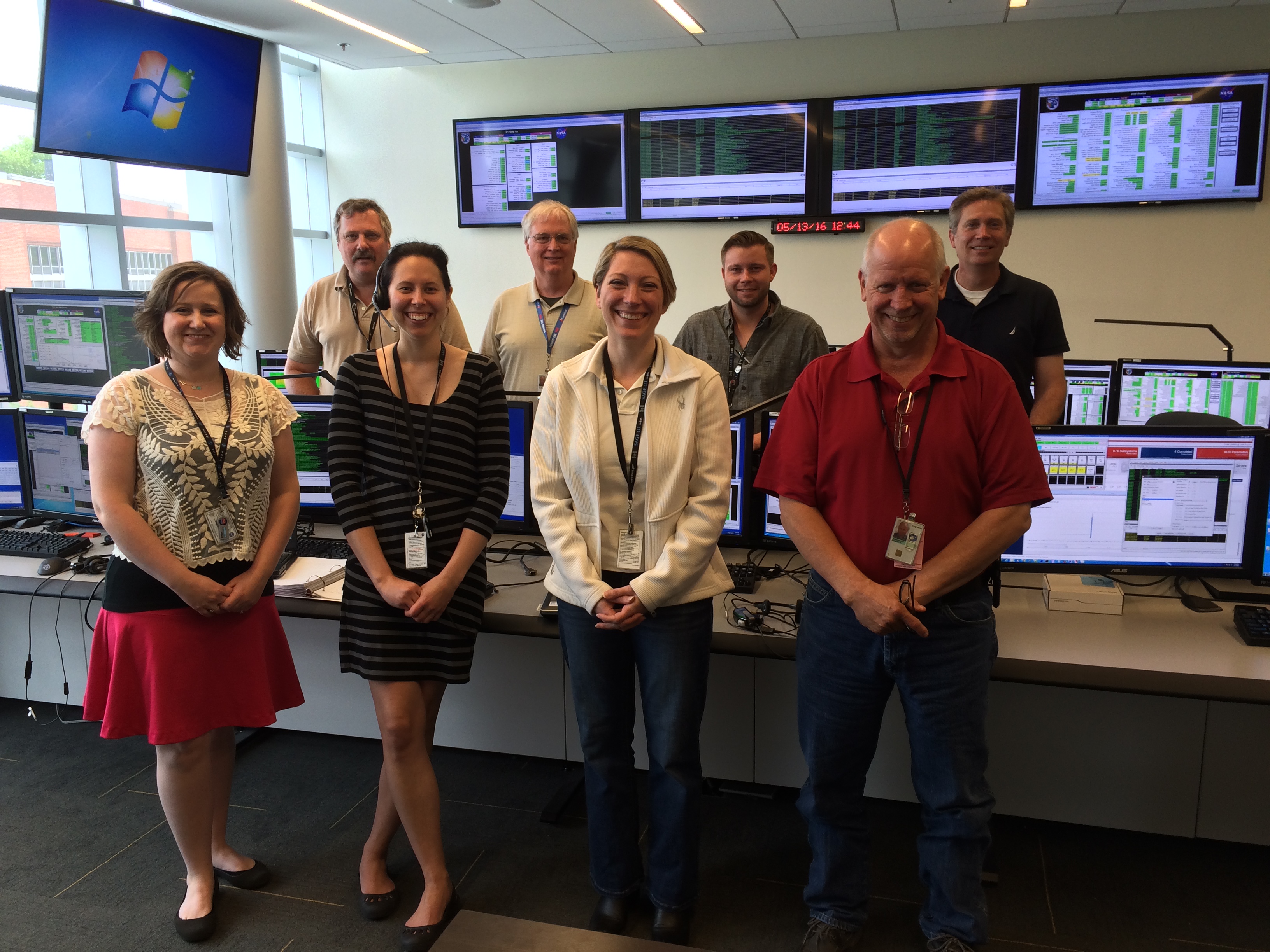
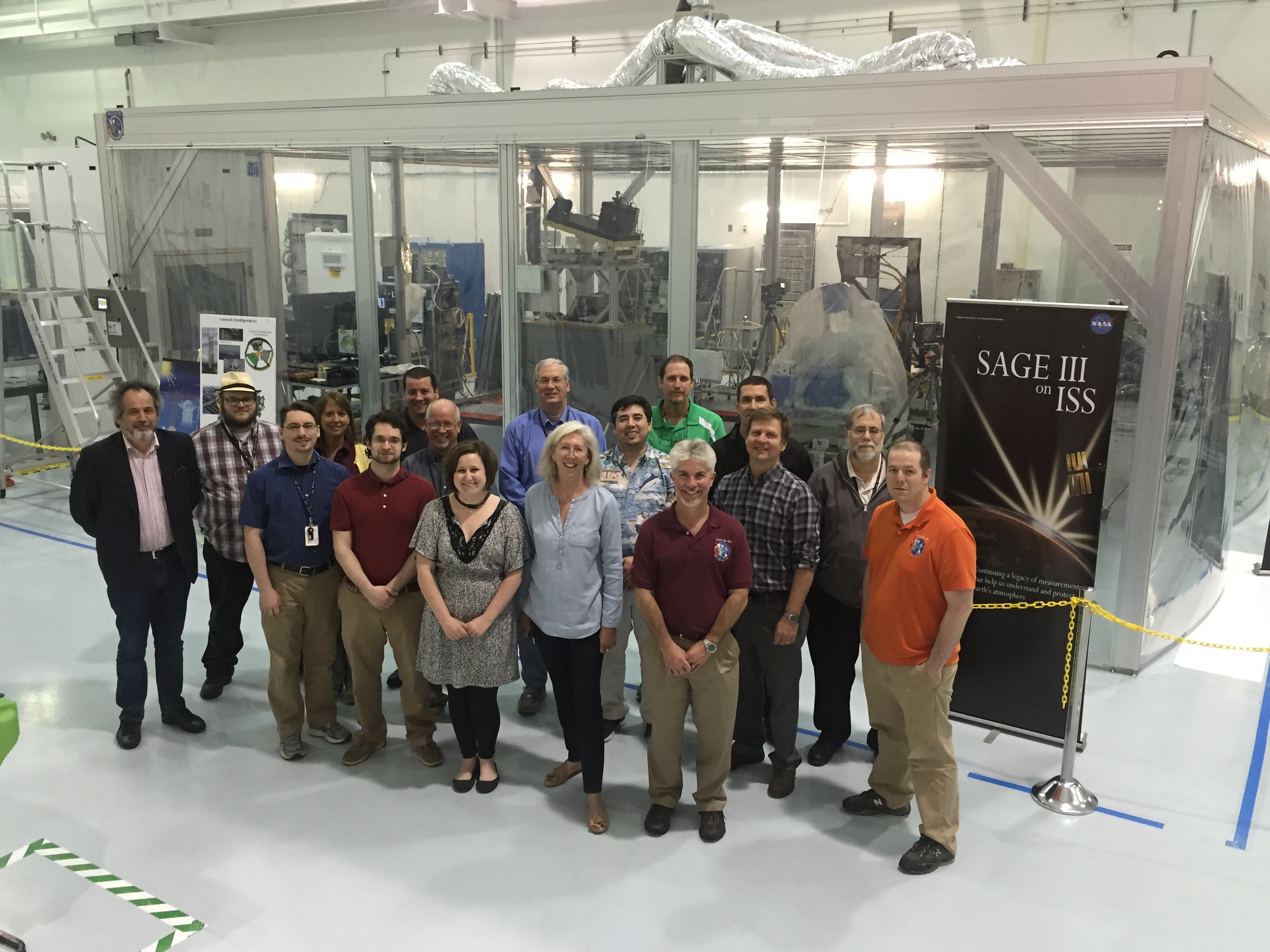
SAGE III team members successfully completed full functional testing as planned on May 6, 2016, and the second Payload Rack Checkout Unit (PRCU) End-to-End test on May 13. Flight payload closeouts were completed May 19 and the SAGE III Instrument Payload and SAGE III Nadir Viewing Platform were placed in storage at NASA’s Kennedy Space Center (KSC) awaiting launch on SpaceX-10. IMG_0844 KSC-FFT2-Group2.