














Release of the Gamma-Ray Data Tools (GDT) Python Toolkit
12 June 2024
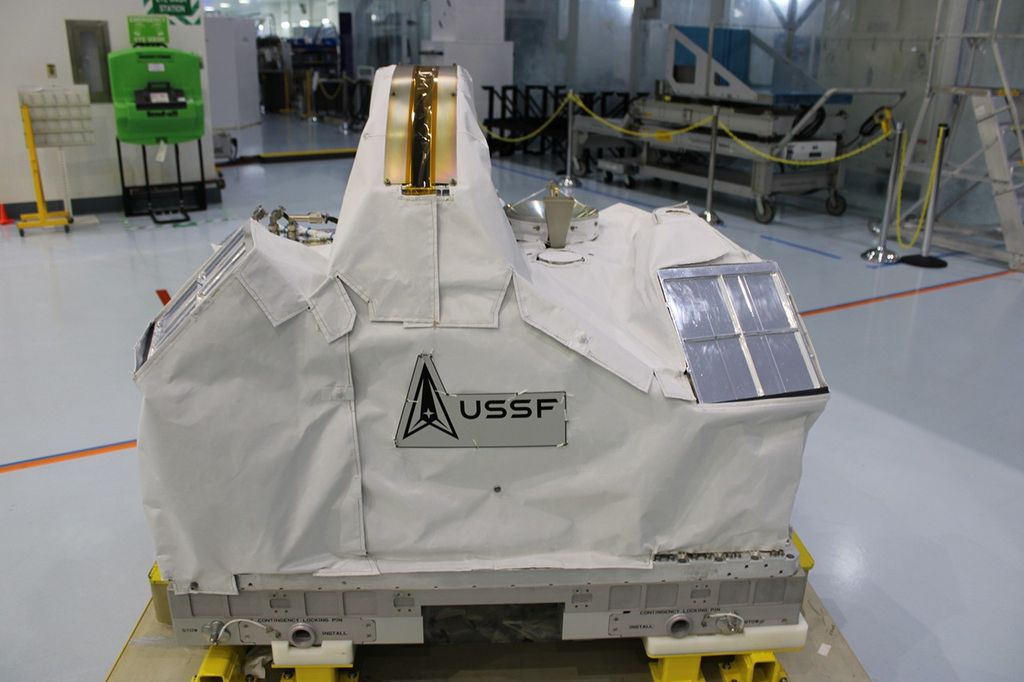
The Gamma-ray Data Tools (GDT) is an open-source Python-based centralized toolkit for analyzing data from space-based hard X-ray and gamma-ray instruments. The GDT borrows its heritage from, and supersedes, the Fermi GBM Data Tools. The GDT is designed with a "core" package that contains generalized functionality and base classes that are utilized by a variety of mission packages. Currently, the GDT family includes the Fermi/GBM, CGRO/BATSE, HETE-2/FREGATE, INTEGRAL/SPI-ACS, MAXI/GSC, RXTE/ASM, and Swift/BAT packages. Current planned additions to the GDT family include Suzaku/WAM, BurstCube, Glowbug, and StarBurst.
Previous users of the Fermi GBM Data Tools will find several advantages to using the GDT, including additional functionality, bug fixes, and the newly released GBM localization algorithm.
Community contributions are welcome to any of the GDT packages in the form of bug fixes, new features/requests, documentation/tutorial improvements, API improvements, and new mission packages, and guidelines for community contributions are available in the documentation.
The GDT is partially funded by NASA ADAP grant 80NSSC21K0651; NASA SMD Open Source Tools, Frameworks, and Libraries grant 80NSSC22K1741; and NASA Astrophysics ISFM proposal number 22-A22ISFM-0005, for continued development and support.
Documentation: https://astro-gdt.readthedocs.io/en/latest/
GitHub: https://github.com/USRA-STI/
PyPI: https://pypi.org/project/astro-gdt/
News Straight to Your Inbox
Subscribe to your community email news list
We will never share your email address.