




















Physics of the Cosmos
Studies and Initiatives
NASA funds concept studies which help refine mission designs, assess technical readiness, and identify potential risks. This process ensures that only the most scientifically valuable, technically feasible, and cost-effective missions advance toward full development and eventual launch.
The ASTRA Initiative
The Astrophysics Strategic Technology & Research Accelerator Initiative
NASA’s greatest telescopes continue to expand our frontiers in both literal and metaphorical ways. They advance the limits of humanity’s views of the cosmos while they address profound questions: How does the universe work? How did we get here? Are we alone?
To maintain US leadership, APD is launching the Astrophysics Strategic Technology & Research Accelerator (ASTRA) Initiative. At every stage, NASA will collaborate with industry, academia, and international partners to advance necessary technologies, manufacturing capabilities, and reduce costs. ASTRA aims to reduce the total cost, time-to-science, and schedule risk of future strategic missions, aligning with the guidance from Astro2020, LSSM, and AMP.
ASTRA is intended to support mission concept studies and technology maturation for future large strategic astrophysics missions recommended by Astro2020. Initial activities are expected to include work related to a potential future strategic X-ray mission concept, along with the identification and maturation of technologies required to enable next-generation large strategic missions. This effort is consistent with NASA’s ongoing implementation of the Astro2020 Decadal Survey and helps ensure that future strategic mission opportunities are supported by mature mission concepts and enabling technologies.
ACROSS and TDAMM
-
The ACROSS Initiative
The purpose of the ACROSS pilot is to demonstrate the value proposition, and validate the design of a new organizational construct.
This new organizational construct is chartered to (1) improve access to NASA’s astronomical observatories for members of the general observing community, (2) improve coordination and agility of cross-observatory workflows, and (3) maximize the scientific return of NASA’s contributions to the diverse, global, and evolving TDAMM ecosystem.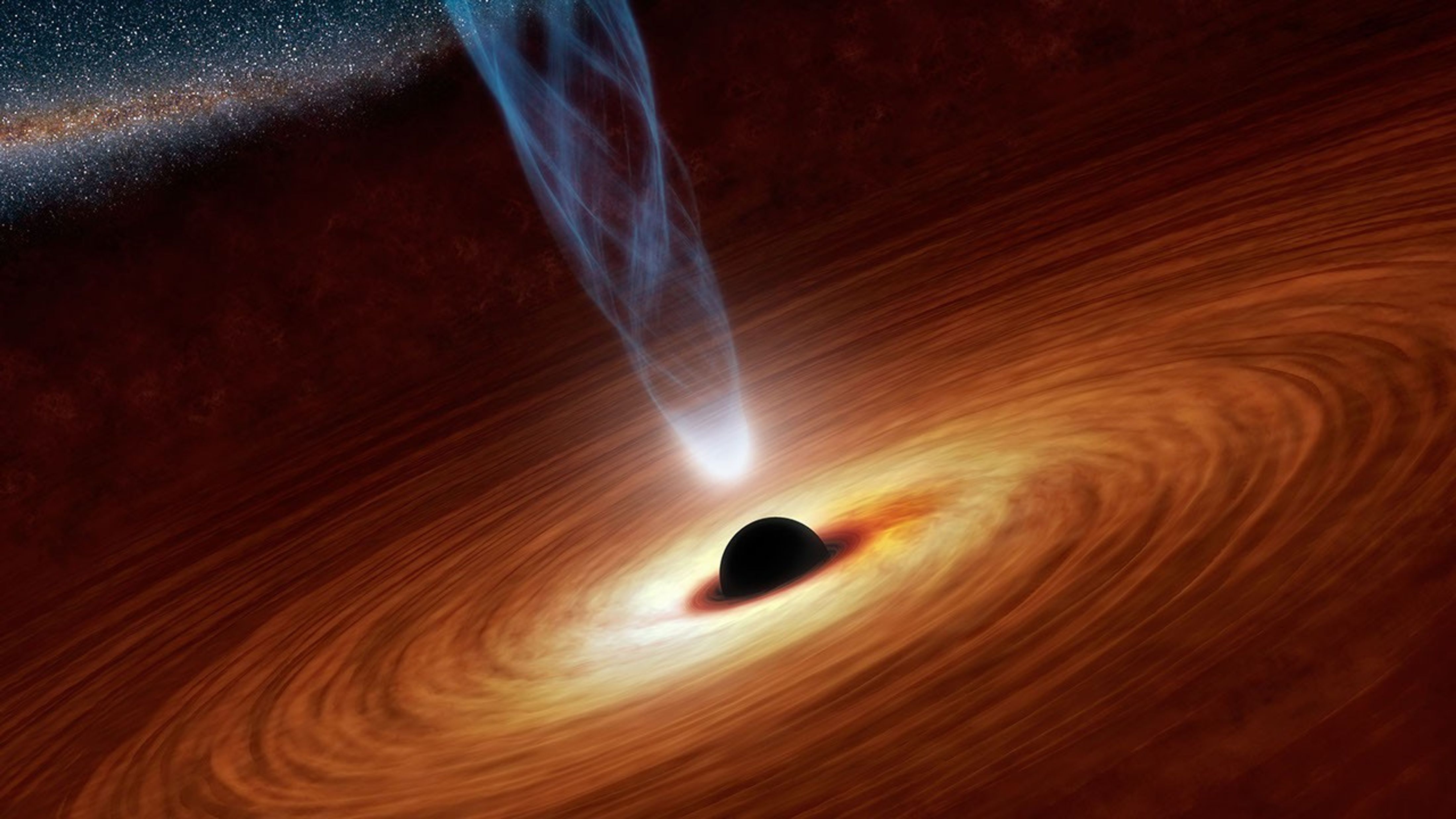 This artist's concept illustrates a supermassive black hole with millions to billions times the mass of our sun. Supermassive black holes are enormously dense objects buried at the hearts of galaxies. (Smaller black holes also exist throughout galaxies.) In this illustration, the supermassive black hole at the center is surrounded by matter flowing onto the black hole in what is termed an accretion disk. This disk forms as the dust and gas in the galaxy falls onto the hole, attracted by its gravity.Credit: NASA/JPL-Caltech
 -
The TDAMM Initiative
The Astro2020 Decadal Report recommended time-domain and multimessenger (TDAMM) astrophysics as the highest-priority sustaining activity in space. In response, the NASA Astrophysics Division directed the PhysCOS Program Office to undertake a number of tasks, including organizing or supporting TDAMM workshops at regular intervals; coordinating with the relevant Science Interest Groups and Science Analysis Groups; conducting a three-phase study investigating ways to improve coordination within the NASA fleet (Phase 1), with U.S. ground-based observatories (Phase 2), and internationally (Phase 3); and recommending implementation strategies for enabling TDAMM science. That study led to the recommendation of the ACROSS Initiative.
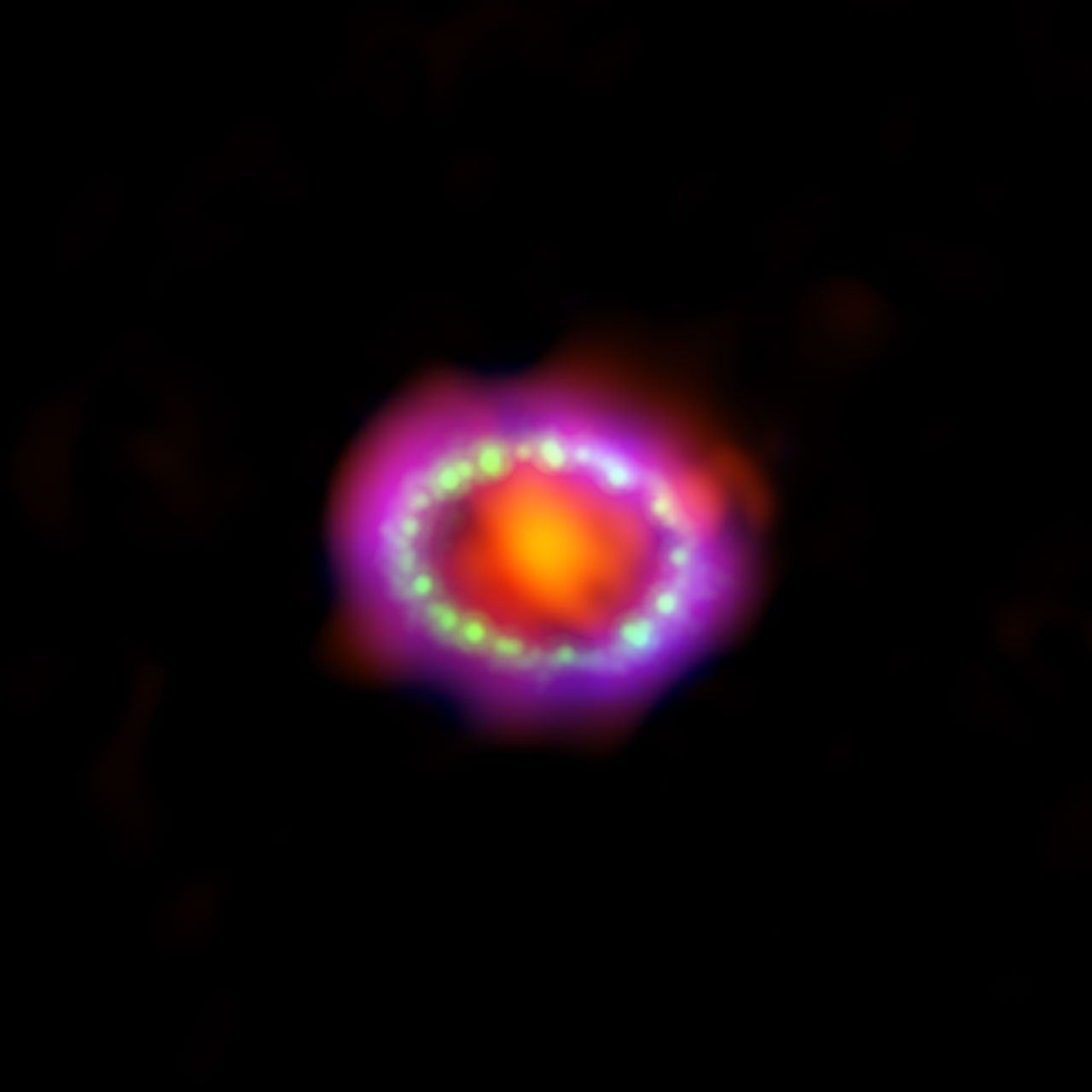
Astronomers combined observations from three different observatories to produce this colorful, multiwavelength image of the intricate remains of Supernova 1987A. The red color shows newly formed dust in the center of the supernova remnant, taken at submillimeter wavelengths by the Atacama Large Millimeter/submillimeter Array (ALMA) telescope in Chile. The green and blue hues reveal where the expanding shock wave from the exploded star is colliding with a ring of material around the supernova. The green represents the glow of visible light, captured by NASA’s Hubble Space Telescope. The blue color reveals the hottest gas and is based on data from NASA’s Chandra X-ray Observatory.Hubble image: NASA, ESA, and R. Kirshner (Harvard-Smithsonian Center for Astrophysics and Gordon and Betty Moore Foundation) Chandra image: NASA/CXC/Penn State/K. Frank et al.ALMA image: ALMA (ESO/NAOJ/NRAO) and R. Indebetouw (NRAO/AUI/NSF)
The Fornax Initiative
Bringing Together Data, Compute, and Software So That Astronomers Can Focus on Science
NASA Astrophysics is developing the Fornax Initiative in collaboration with the NASA Astrophysics Archives and GSFC’s Astrophysics Projects Division (ApPD).
NASA's Astrophysics missions generate vast and complex datasets offering immense scientific potential. The vital role of NASA's Astrophysics archives in mission success is evident, as they have demonstrated that user-focused, technologically-rich data systems are key science multipliers. As the Astronomy 2020 Decadal Review emphasized, in the coming decade, frontier science will be done with multi-wavelength and multi-messenger analysis across large, complex data sets, which will only increasing the challenges of accessing big data, maintaining software, and obtaining sufficient computing resources.
Our goal is to support the science needs of a wide range of users, from those who are learning Python and would simply benefit from having access to a maintained Python environment for common astrophysics software to those who wish to perform complicated analyses that require significant cloud computing. For use cases that require more computing than can be provided by NASA through Fornax, we will build the system such that scientists can use the Fornax Scientific Components and the Fornax Science Console with their own cloud computing resources. This commitment to including all users is at the heart of how Fornax will realize the promise of the cloud in supporting Open Science.
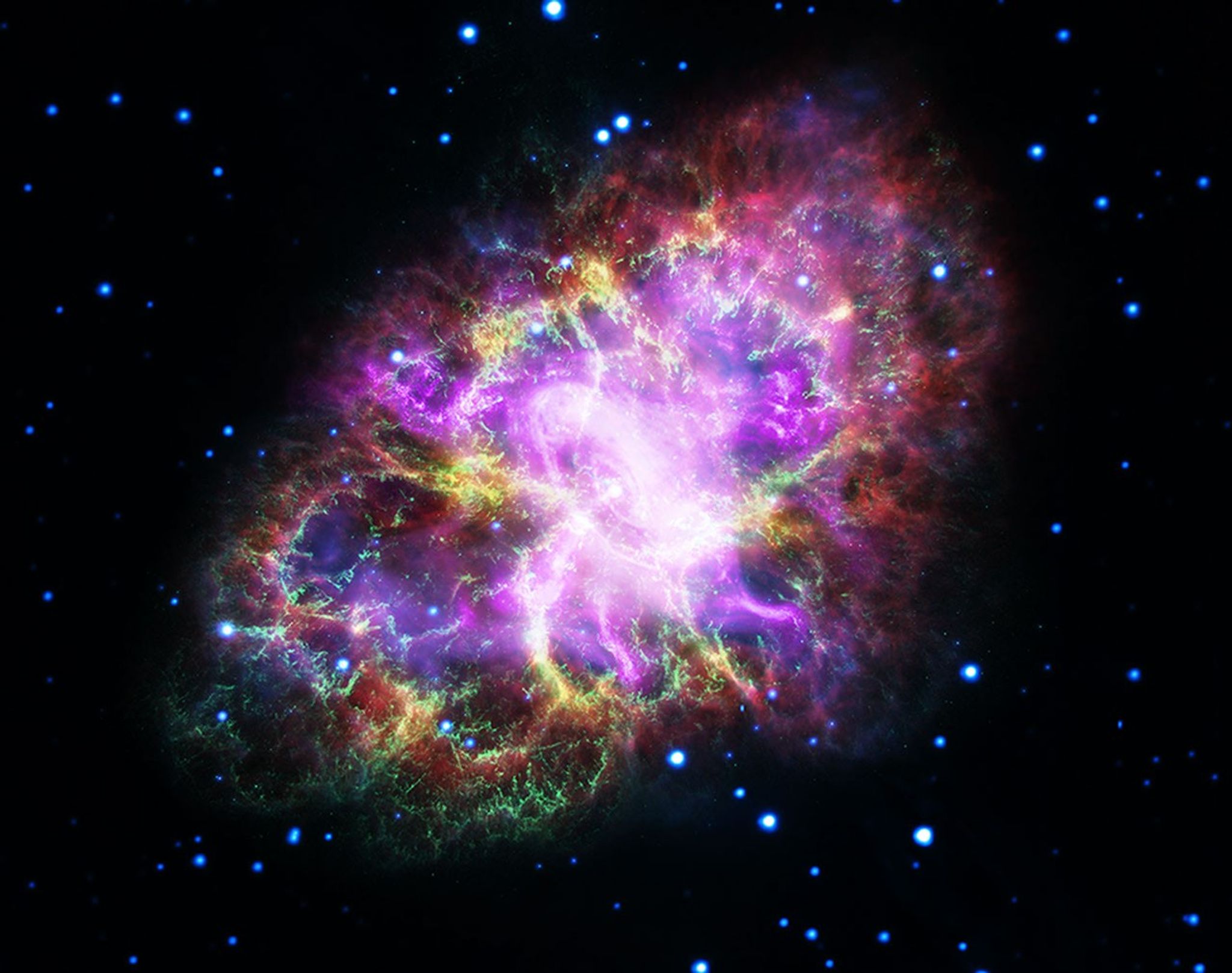
This "guest star" was forgotten about until 700 years later with the advent of telescopes. Astronomers saw a tentacle-like nebula in the place of the vanished star and called it the Crab Nebula. Today we know it as the expanding gaseous remnant from a star that self-detonated as a supernova, briefly shining as brightly as 400 million suns.
In the late 1960s astronomers discovered the crushed heart of the doomed star, an ultra-dense neutron star that is a dynamo of intense magnetic field and radiation energizing the nebula. Astronomers therefore need to study the Crab Nebula across a broad range of electromagnetic radiation, from X-rays to radio waves.
HEASwF Working Group
High Energy Astrophysics Software Futures Working Group
The HEASARC is directed to work with the Chandra and Fermi missions, and with the Physics of the Cosmos Program Office and Chief Scientists, to understand the needs of current and future X‑ray, gamma‑ray, and particle astrophysics missions, and to present a preliminary version of the plan to the Astrophysics Division.
To implement this directive, a working group will be formed from volunteers from the community. A steering group made up of representatives of HEASARC, Physics of the Cosmos, Chandra, Fermi, and the cosmic-ray communities will select the members and leadership of the working group. This steering committee will continue to serve as an advisory board to the working group.
The main goal of the working group is to advise on the long-term plan for Chandra and Fermi software to be incorporated into HEASARC and scope the NASA HQ mandate: namely, to advise the Chandra X‑ray Center, and the Fermi and HEASARC teams in the short term on developing a software framework for future missions to use, and on a longer term to play a leadership role in the development of these high-energy astrophysics data analysis packages.

Previous Studies
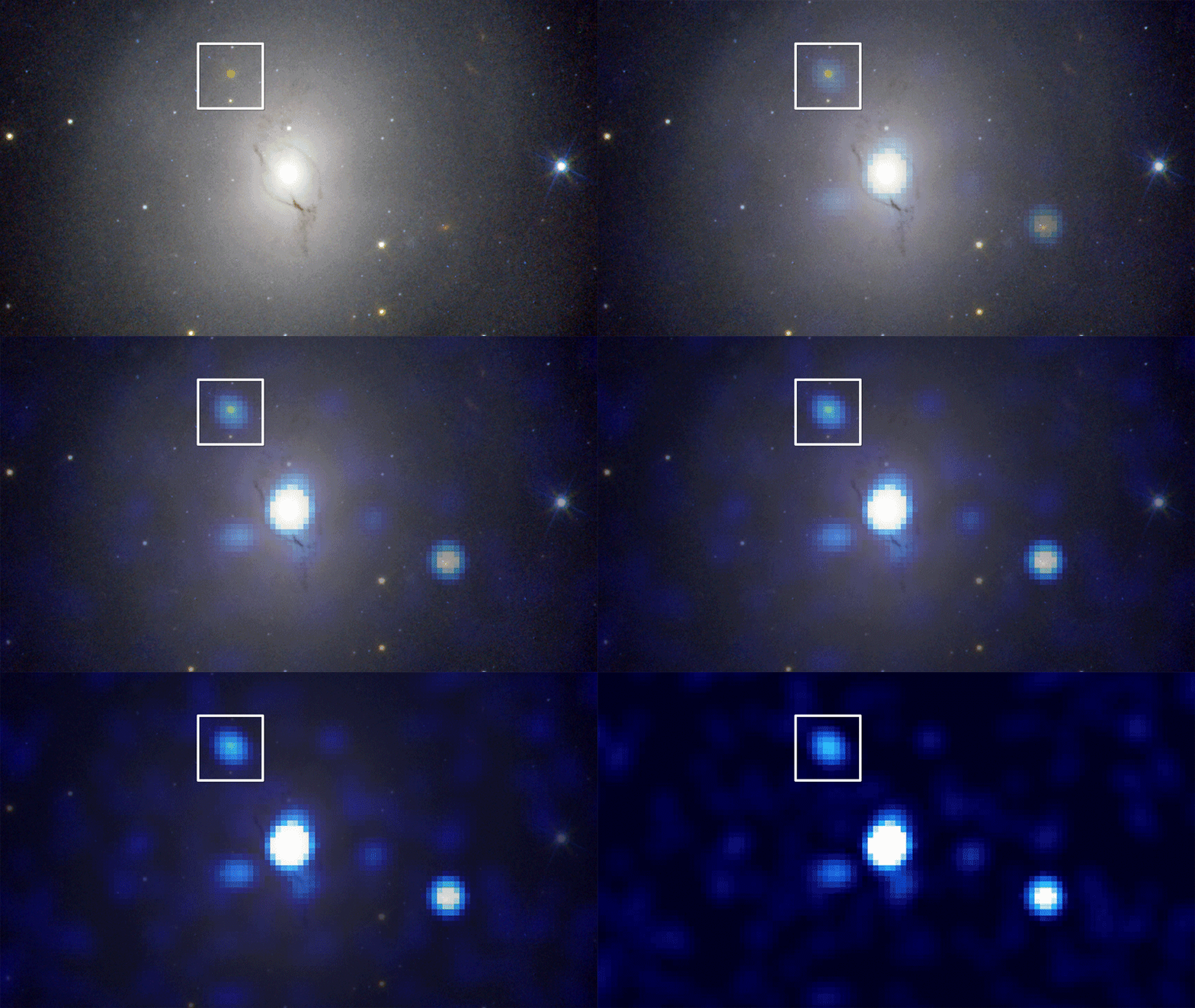
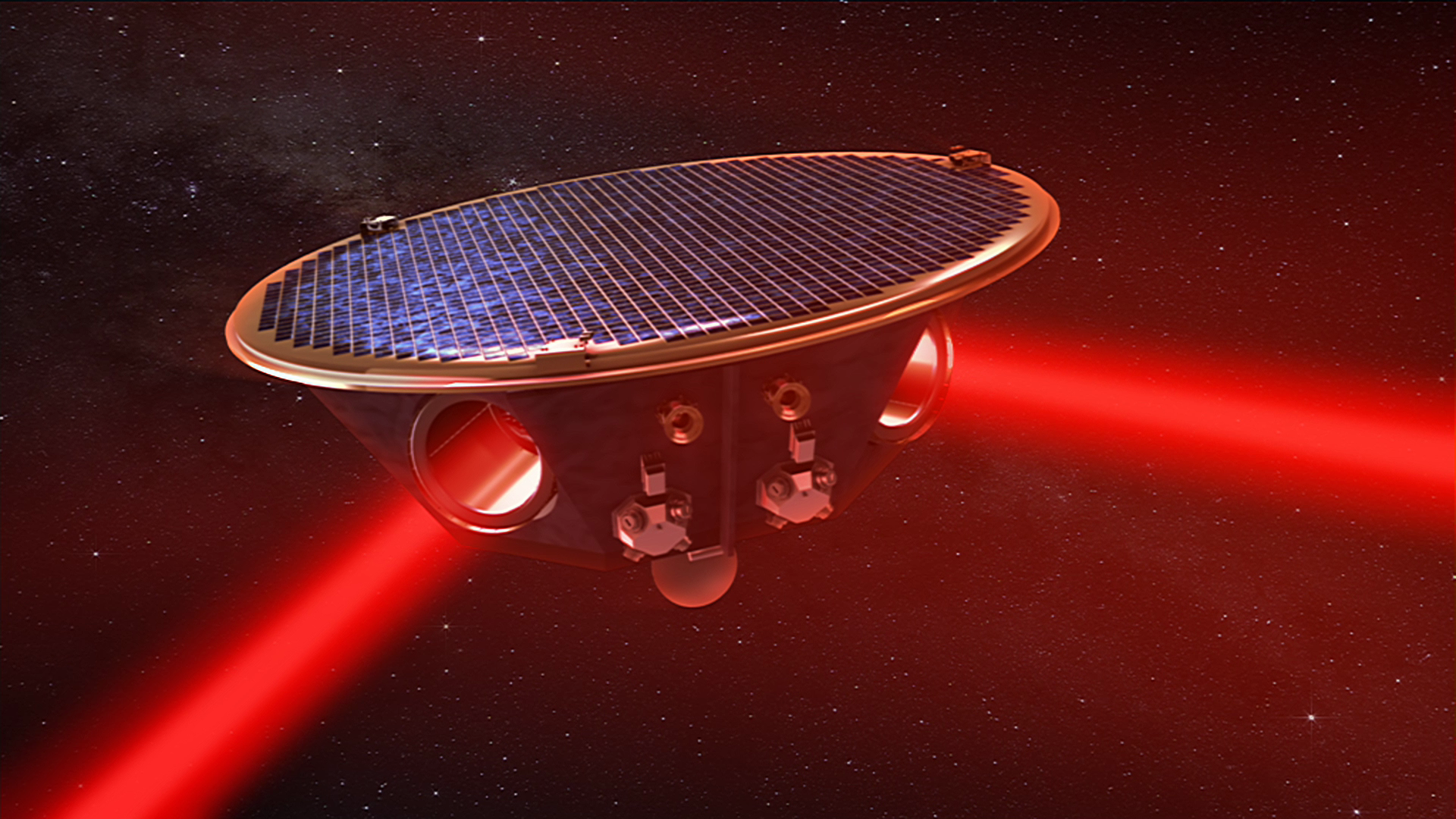
NASA Participation in the ESA-Led L3 Gravitational Wave Mission
2016-2018
NASA intends to partner with ESA on the third Large-Class mission (L3) in ESA's Cosmic Vision 2015-2025 Programme.
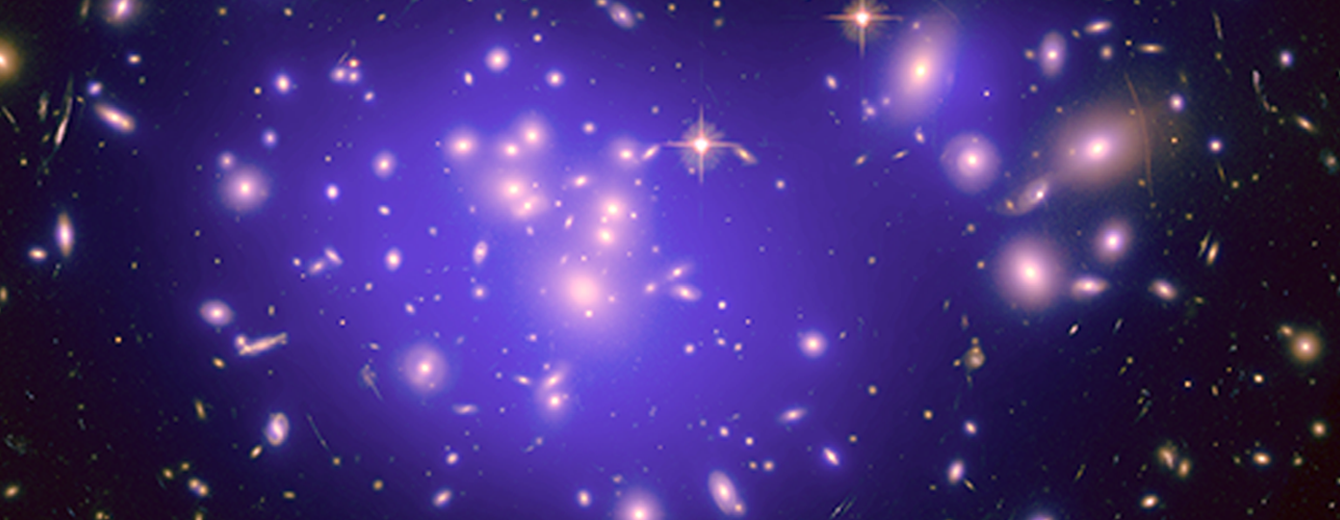
Probe-Class Astrophysics Mission Concepts
2016
A Study to assess community interest in probes and understand range of concepts.
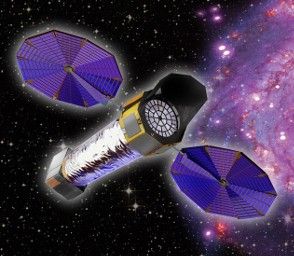
Lynx X-ray Observatory
2016
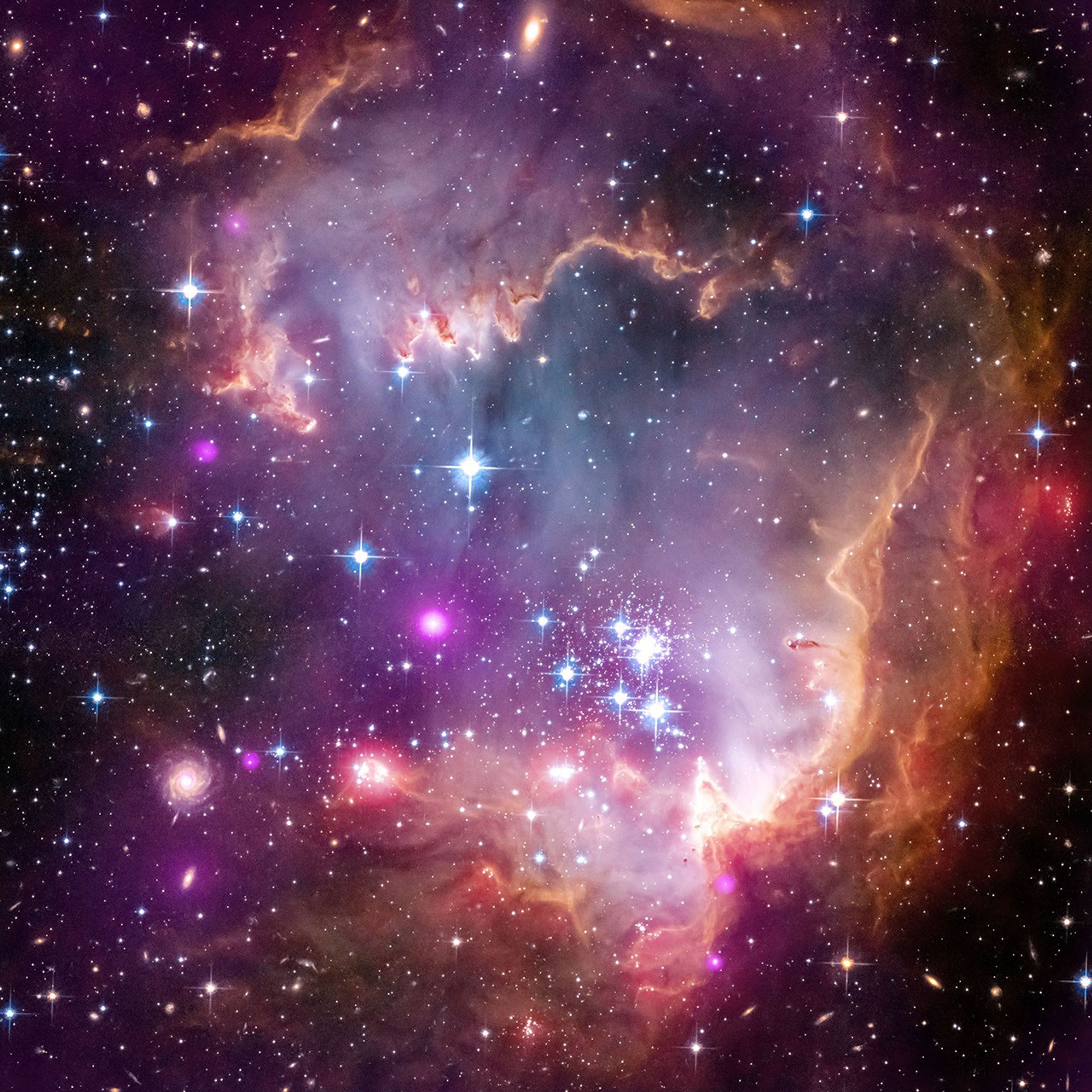
The Lynx mission concept seeks to provide unprecedented X-ray vision into the universe. Formerly X-ray Surveyor, Lynx is one of four Decadal Survey Mission Concept Studies initiated in January 2016
Large Mission Concept Studies
2015-2019
In January 2015, Paul Hertz, Director of NASA APD, issued a memo to the astronomical community to stimulate planning for the 2020 Decadal Survey.

NASA / ESA Athena Study
2014-2017
The NASA / ESA Advanced Telescope Athena was selected to address the Cosmic Vision theme of the "Hot and Energetic Universe."
Image Credit: Athena+ Team
X-ray Astrophysics Probe Study
2013-2014
The mission study was ended with the 2014 selection of the Athena mission in Europe, at which point NASA began efforts to partner with ESA on Athena.
Enduring Quests, Daring Visions
Astrophysics Roadmap 2013
This roadmap presents a science-driven 30-year vision for the future of NASA Astrophysics to address three defining questions: Are we alone? How did we get here? How does the universe work? Seeking answers to these age-old questions are enduring quests of humankind.
2012 X-ray Astronomy Mission Architecting Study
A study initiated by NASA's Physics of the Cosmos Program to develop mission concepts outlined in the New Worlds, New Horizons decadal report.

2012 Gravitational Wave Mission Architecting Study
A study initiated by NASA's Physics of the Cosmos Program to develop mission concepts outlined in the New Worlds, New Horizons decadal report.
News Straight to Your Inbox
Subscribe to your community email news list
We will never share your email address.