
Suggested Searches

Space Umbrella

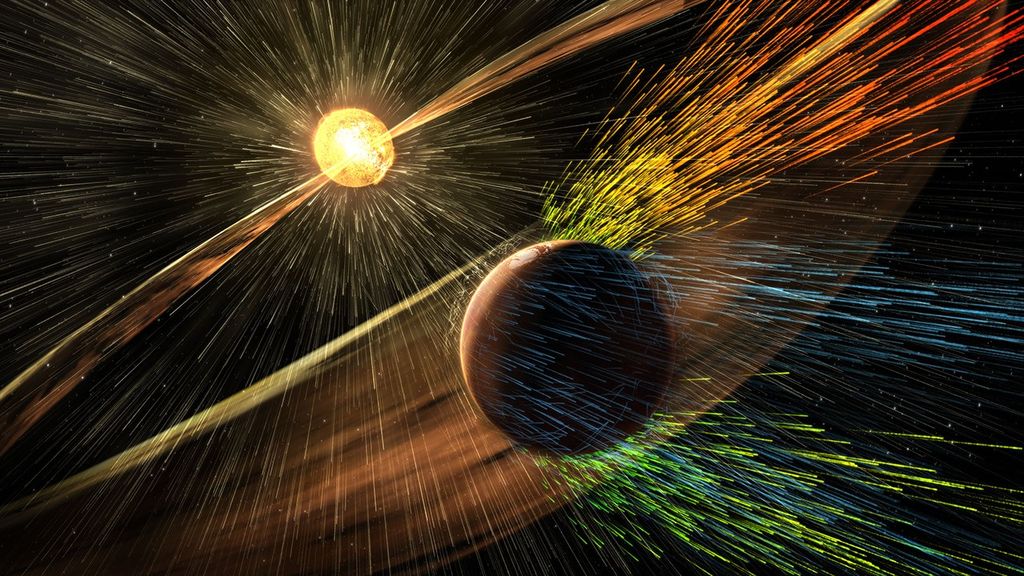
A stream of charged particles called the solar wind flows from the Sun toward Earth. Long before it reaches Earth, it meets the Earth’s magnetic fields that shield our planet like a giant umbrella. Powerful space physics phenomena unfold where the solar wind meets this umbrella, spawning beautiful auroras, and also releasing energy that can disrupt GPS and communications systems and endanger astronauts.

The Space Umbrella project needs your help classifying data from this dynamic region, where NASA’s Magnetosphere Multiscale (MMS) Mission has been collecting data since 2015.  With the Space Umbrella project, you will help identify when the MMS spacecraft observed the most energetic interactions between the magnetosphere and the solar wind. You can help build the biggest ever collection or catalog of times when charged particles from the Sun interacted strongly with the Earth’s magnetic field, supercharging human understanding of solar wind. 

Go to Project Website about Space Umbrella

project task

Examine images

division

Heliophysics

where

Online

launched

2025
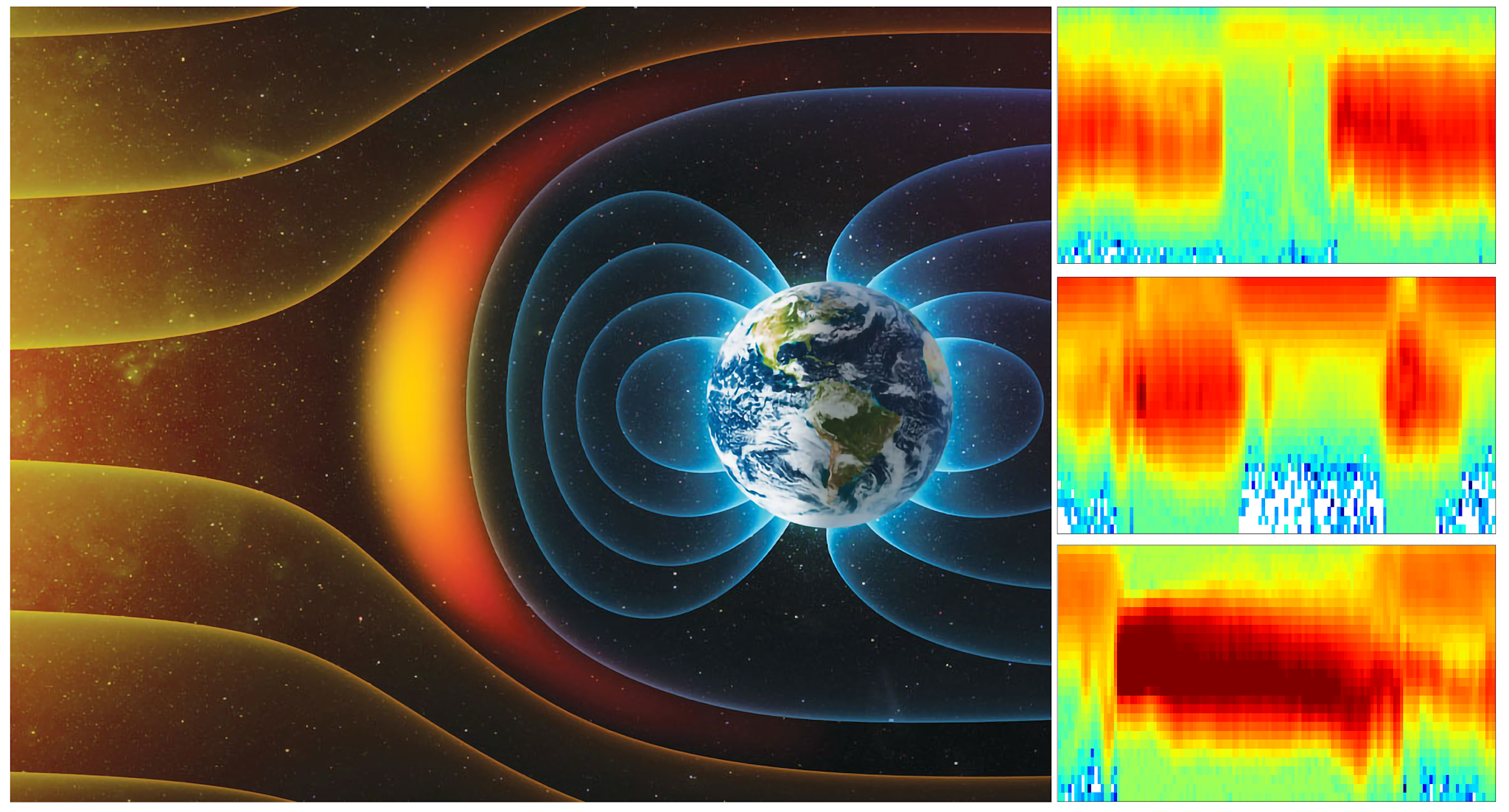
A combined image of Earth’s magnetic field and spacecraft data. On the left, a cartoon shows Earth’s magnetic field as blue lines arcing away from and then returning to the planet. The Sun’s charged particles are depicted as yellow lines running from the Sun towards Earth, then deflecting around the Earth’s magnetosphere, which is shown as an orange arc positioned between the Earth and the Sun. On the right are three example MMS data images such as those volunteers are asked to classify.
Caption: An artist’s drawing of Earth’s magnetic field (blue lines) interacting with the Sun’s charged particles (yellow lines). Earth’s magnetosphere (orange semicircle) is created by Earth’s magnetic field and deflects the Sun’s particles. Right: Images of Earth’s magnetosphere from NASA’s MMS mission like the ones participants in the Space Umbrella project will learn to classify.
NASA/Johns Hopkins Applied Physics Laboratory

What you'll do

  • Examine real data from NASA’s Magnetospheric Multiscale (MMS) mission.
  • Learn how to spot data collected when the satellite was inside Earth’s magnetic field and when the magnetosphere is interacting with the Sun’s particles.
  • Help scientists better understand solar storms so they can keep our astronauts and technology safe.  

Requirements

  • Time: 10 minutes to complete the project tutorial
  • Equipment: internet connected computer, tablet, or smartphone
  • Knowledge: None. In project tutorial provided.

Get started!

  1. Visit the project website.  
  2. Complete the in-project tutorial
  3. Start classifying images of Earth’s magnetosphere! 

Learn More

Follow the links on the project’s Education page to learn more on a variety of related topics, from the magnetosphere to space weather to the NASA missions that are exploring the dynamics of Earth’s magnetosphere, our “space umbrella.”
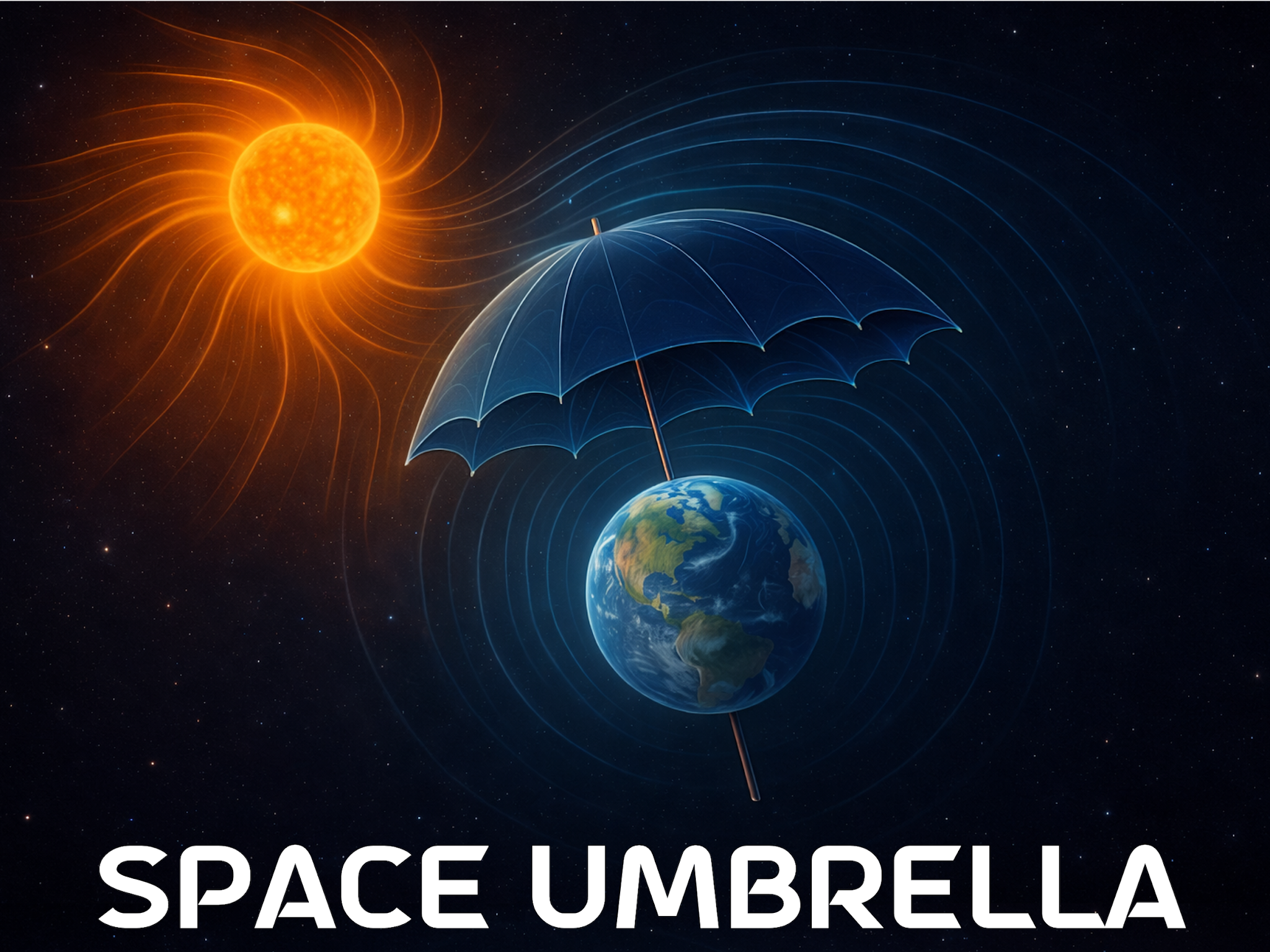
Space Umbrella logo. The image shows a cartoon Sun and Earth against a backdrop of dark space. Orange lines representing charged particles extend out from the surface of the Sun. An umbrella is sticking out of the top of the Earth, deflecting the orange lines from the Sun, but not the light. The side of the Earth nearest the Sun is lit, with visible continents and ocean and clouds, while the far side is dark.
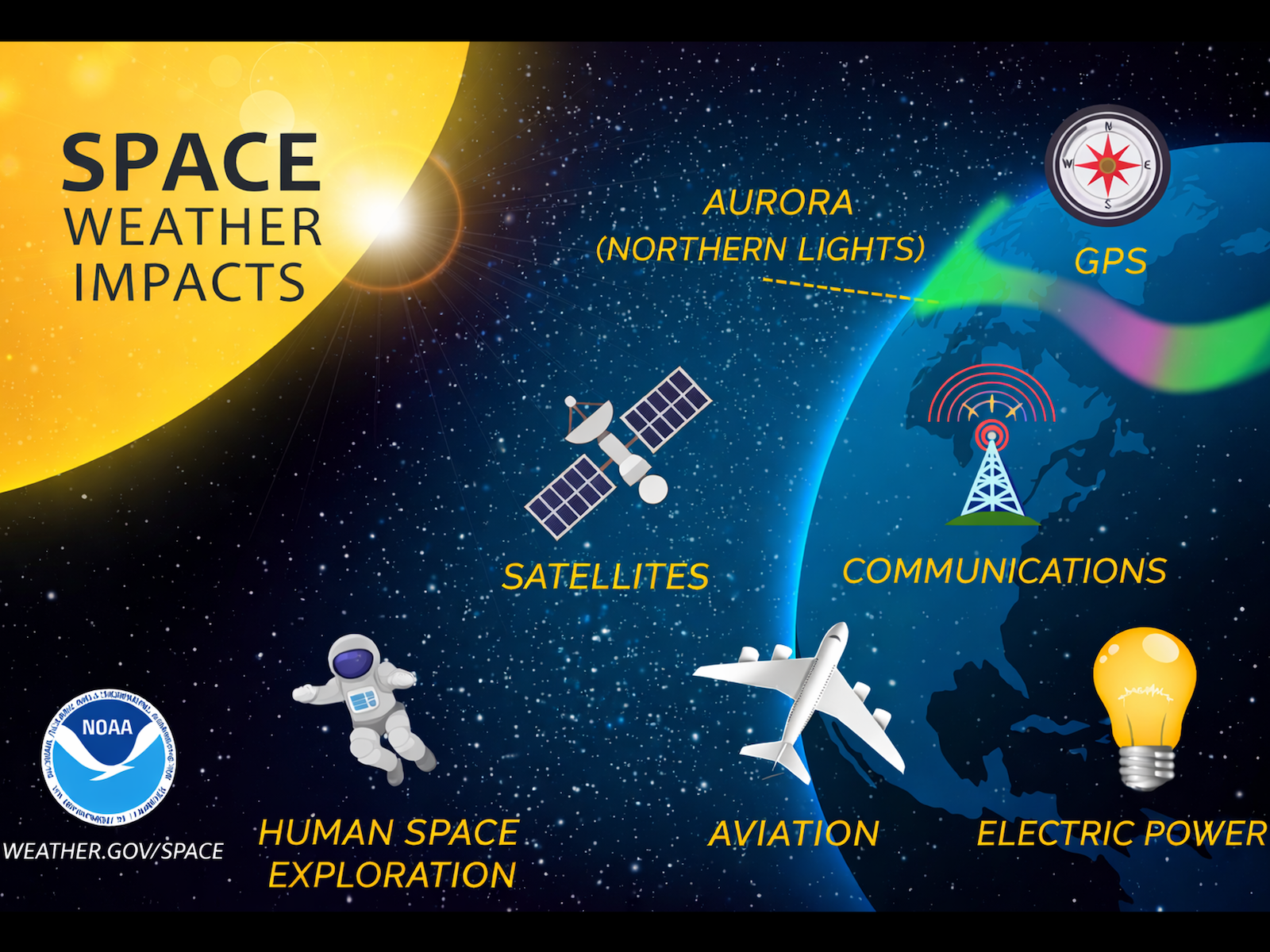
The image shows a cartoon Sun and Earth with the words "Space Weather Impacts." superimposed on the Sun. Between the Sun and Earth are icons that show activities and objects affected by space weather: human space exploration (a floating astronaut), satellites (a satellite with solar panels), aurora or northern lights (bright green and purple bands around Earth), GPS (a circular compass), communications (an antenna tower with signals coming out), aviation (an airplane), and electric power (a yellow light bulb).
When particles from the Sun affect Earth and human activities despite our space umbrella, this effect is called “space weather.” This Infographic shows the human activities and technology that can be disrupted during periods of extreme space weather.
NOAA

Get to know the people of Space Umbrella!

Wenli Mo, Researcher, Johns Hopkins Applied Physics Laboratory

Wenli Mo

Researcher, Johns Hopkins Applied Physics Laboratory

Vicki Toy-Edens

Researcher, Johns Hopkins Applied Physics Laboratory

Sarah Vines

Lead Scientist, Southwest Research Institute

Robert C. Allen

Lead Scientist, Southwest Research Institute