











Community Collaborative Rain, Hail, and Snow Network (CoCoRaHS)
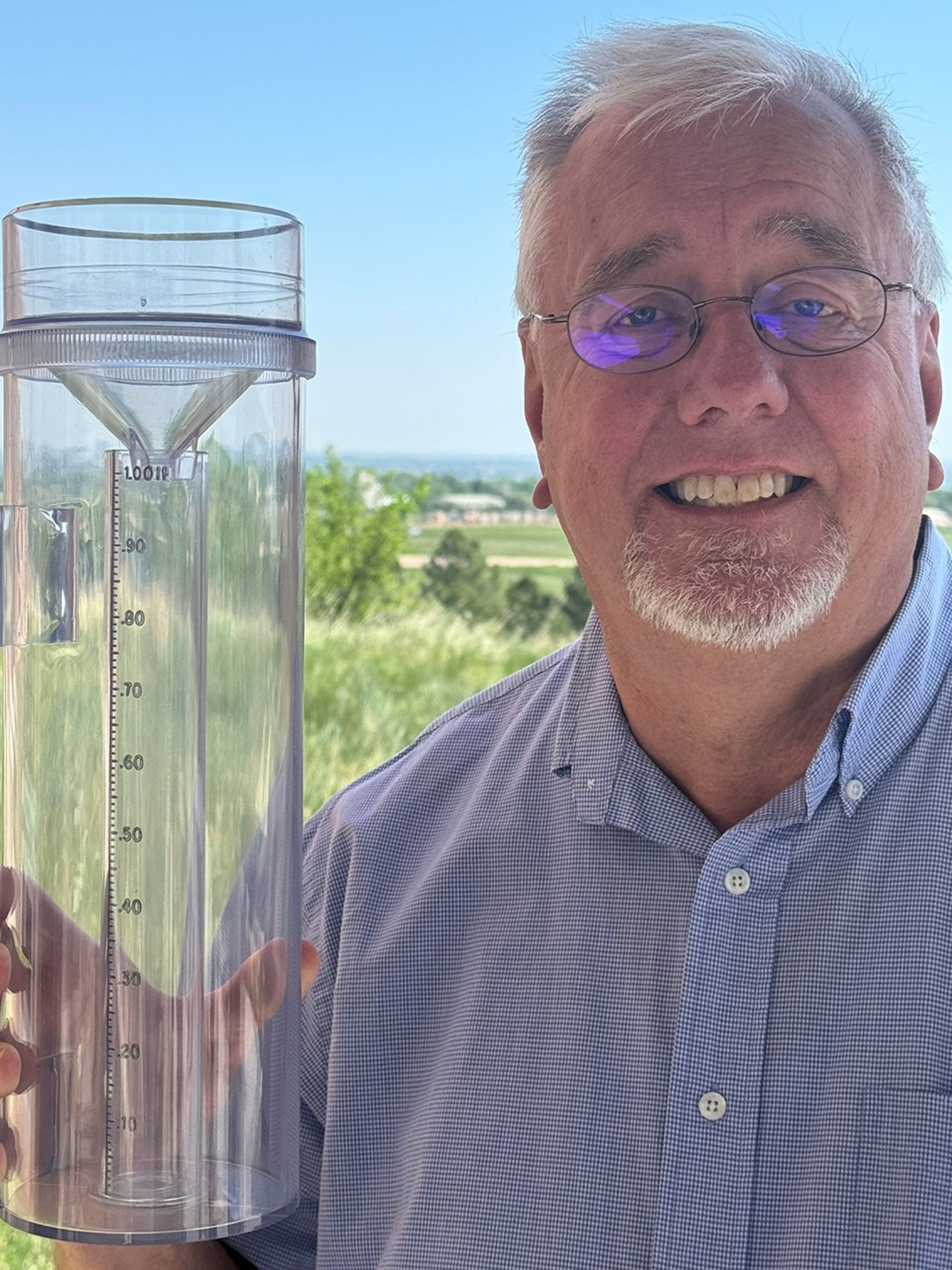
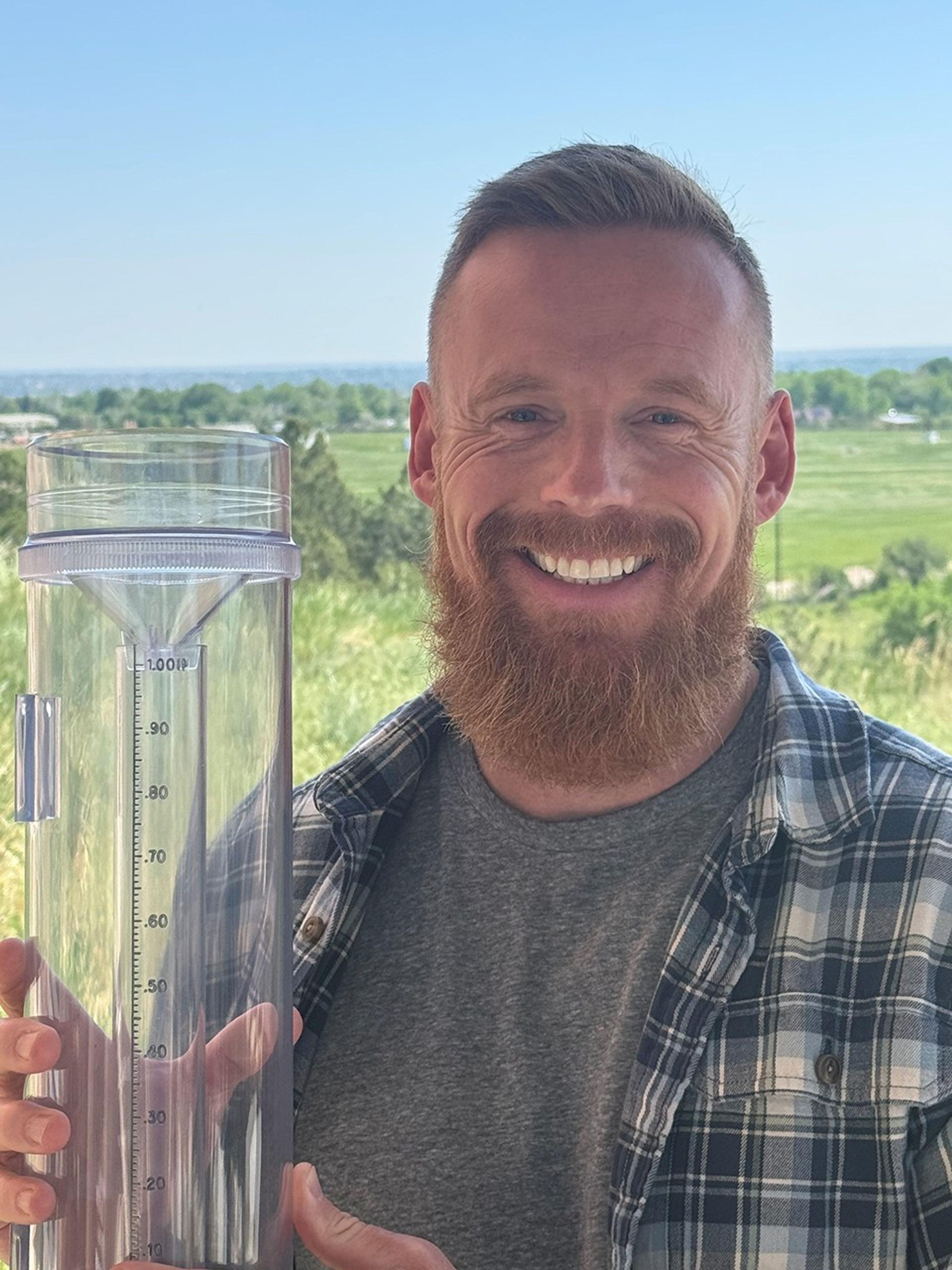
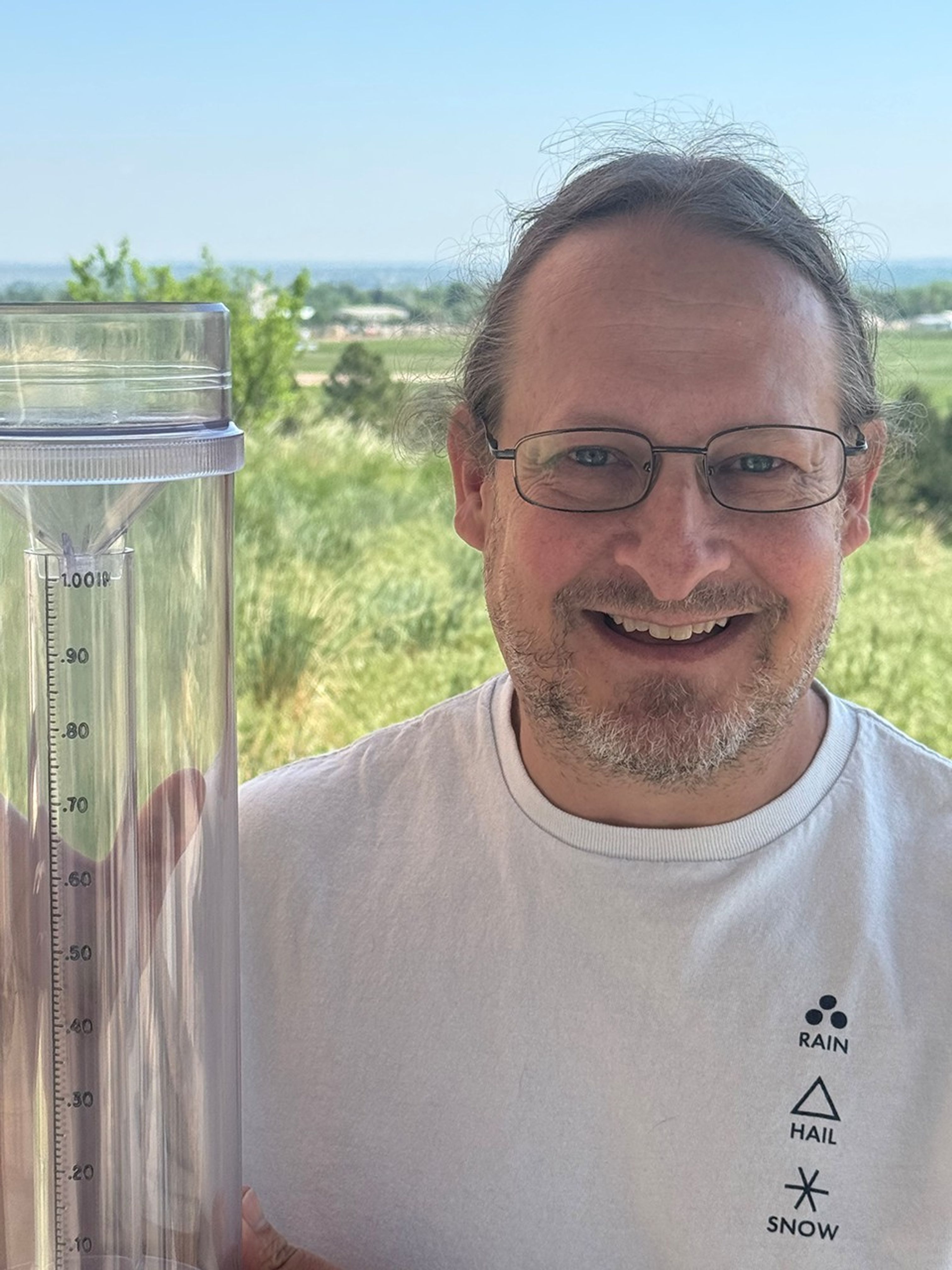
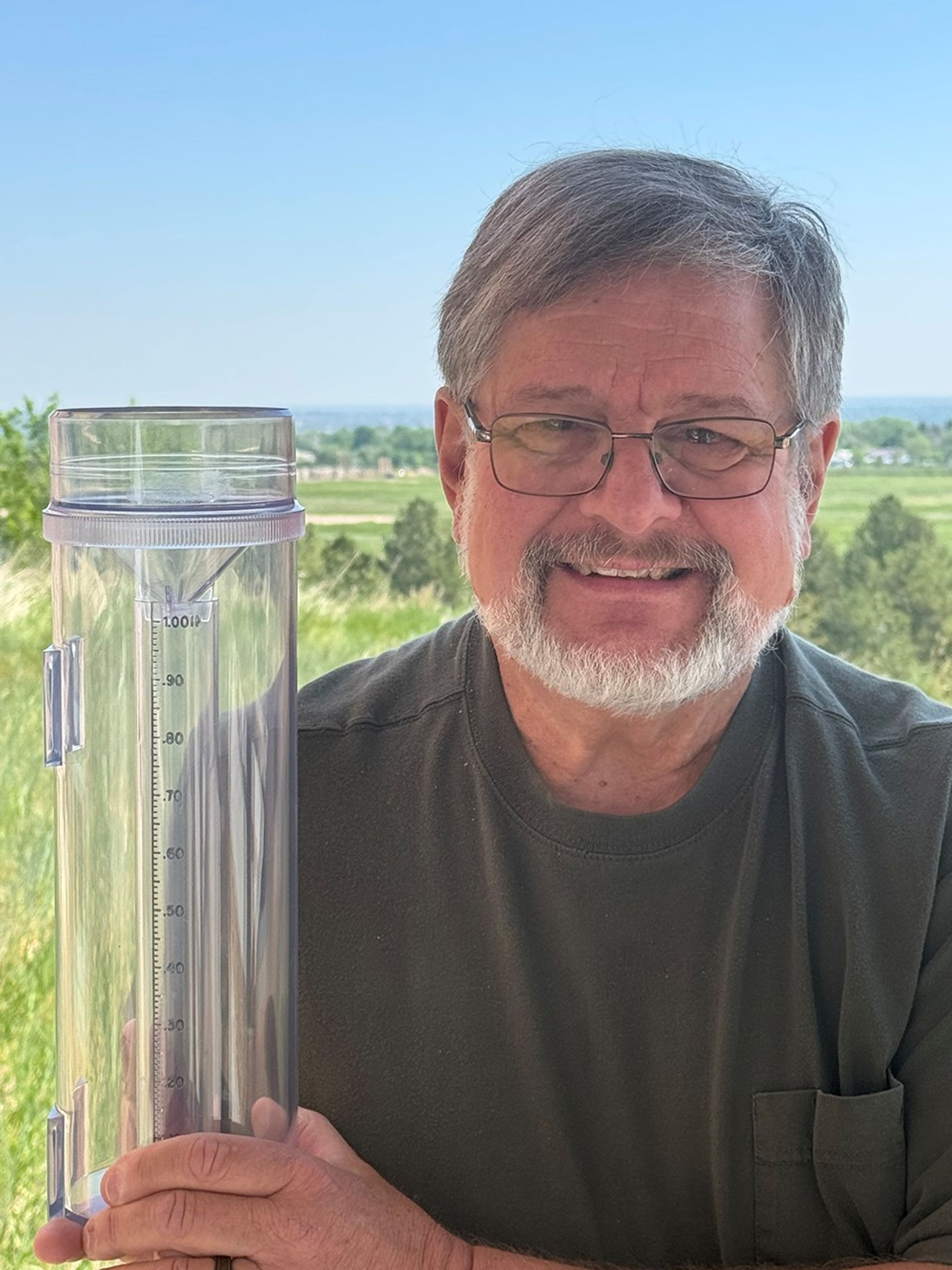
CoCoRaHS (pronounced KO-ko-rozz) is a grassroots volunteer network of backyard weather observers of all ages and backgrounds working together to measure and map rain, hail, and snow in their local communities. Now NASA scientists are using hail reports from the CoCoRaHS network and data from NASA missions to better understand how fast hail melts as it falls from the clouds to the ground. This new effort is called the SouthEast Region CoCoRaHS Hail, or SEaRCH, project. Join SEaRCH and/or CoCoRaHS to report hail form the southeast US and/or become part of our nationwide precipitation monitoring network. The only requirements for each are enthusiasm for watching and reporting weather conditions - and who doesn’t love weather?.
project task
Collecting data with special equipment
division
Earth Science
where
Outside
launched
1998
What you'll do:
- Help scientists understand and predict the variability in local precipitation. Choose one of both of these options:
- Contribute to the hail study by reporting real-time observations (and photos) of hail
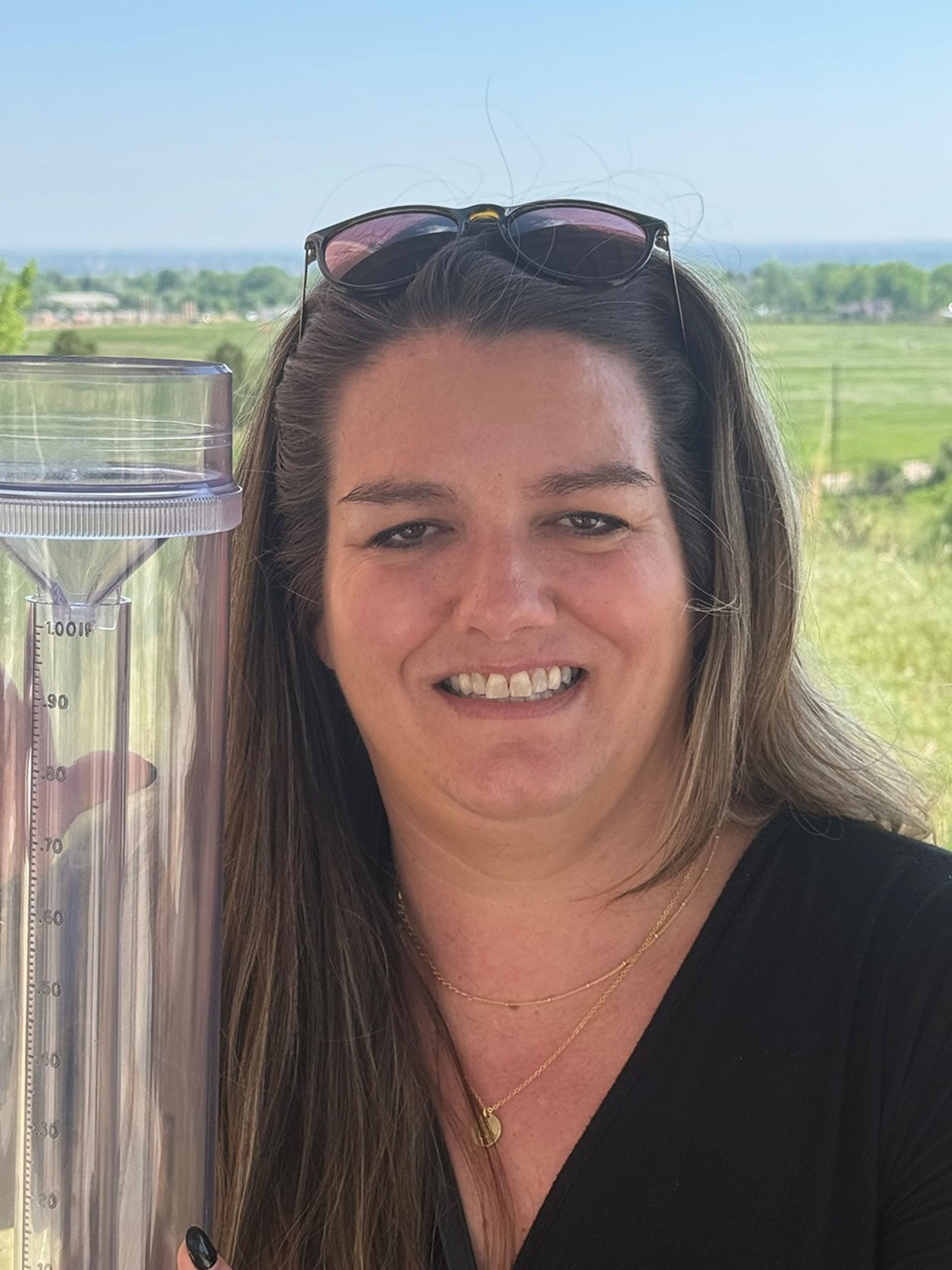
- Join the CoCoRaHS network, set up a rain gauge, and make daily readings and reports
Requirements
- Time: 5-10 minutes daily or per hail event; set-up takes ~1 hour
- Equipment: For hail reporters: smartphone and a ruler. For CoCoRaHS members: ~$42 rain gauge, internet-connected device for reporting.
- Knowledge: None. All required training is provided (see links below). Expect to spend about an hour getting started.
Get started!
- Click"Join the CoCoRaHS Network" to begin! Skip to Step 5 if you only plan on submitting real-time hail reports.
- Access free training for measuring daily precipitation. Watch our YouTube animations or view the Training Slide Shows and read our online training information. Check out your state page for a list of in-person sessions in your local area.
- Purchase your manual rain gauge
- Set up your gauge and start reporting!
- Submit hail reports (with photos) using the website or mobile App.
Learn more:
There’s a lot to learn about CoCoRaHS and precipitation. You can find answers to all your questions about CoCoRaHS here. Learn more about the variability of precipitation and how your data will be used on this webpage.
If you’re looking for more on NASA’s efforts to understand Earth’s climate system, head over to the Global Precipitation Measurement Mission (GPM) website. You’ll find information there about the Tropical Rainfall Measuring Mission (TRMM), which preceded GPM. For the technically minded who want the details on how these missions informed the algorithm scientists use today to predict hail, check out this two-page poster called “Hail Retrieval and Climatology from GPM,” by Daniel J. Cecil and Sarah D. Bang from the NASA Marshall Space Flight Center.


Get to know the people of CoCoRaHS!