













Galaxy Zoo: Clump Scout II
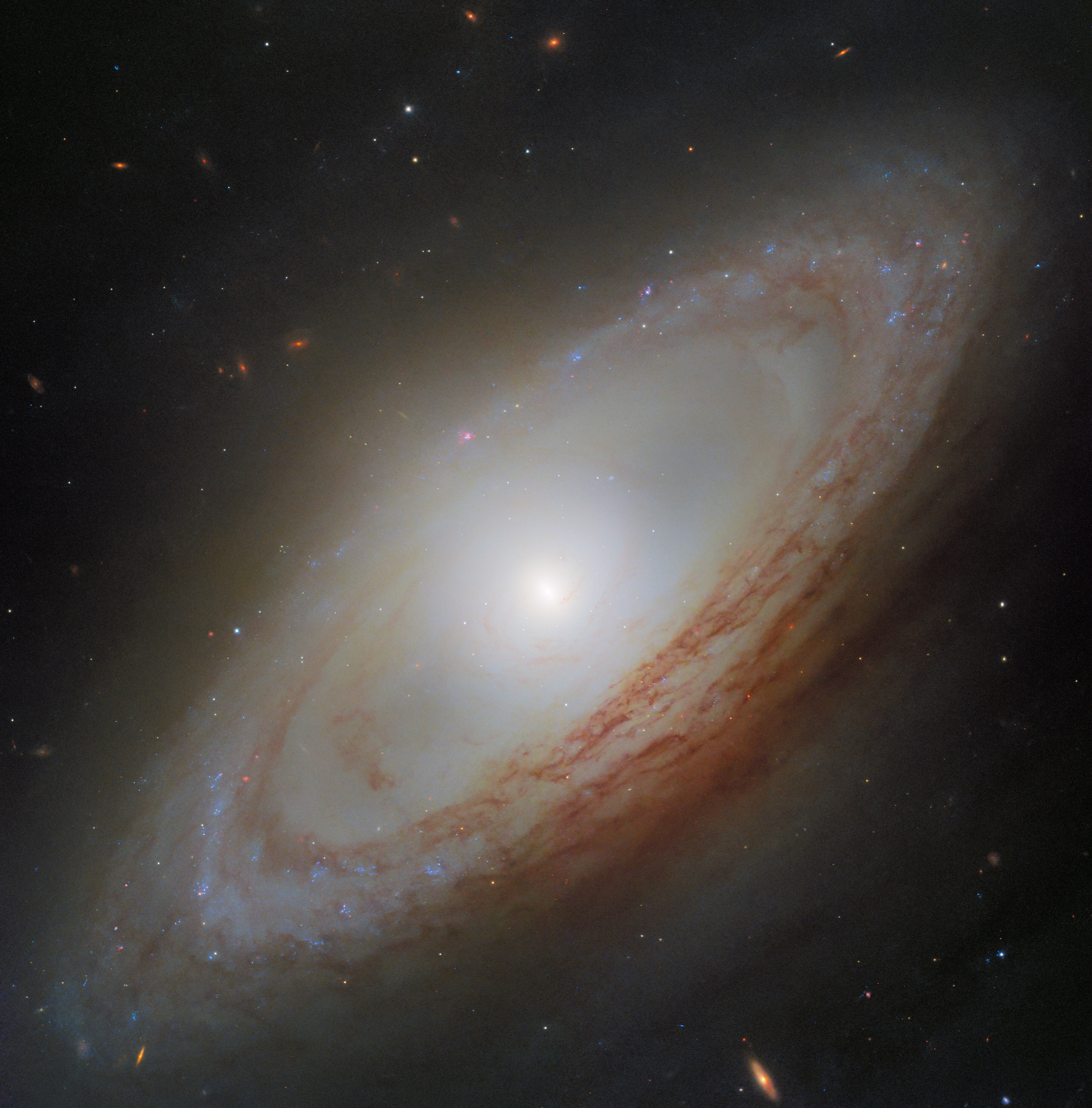
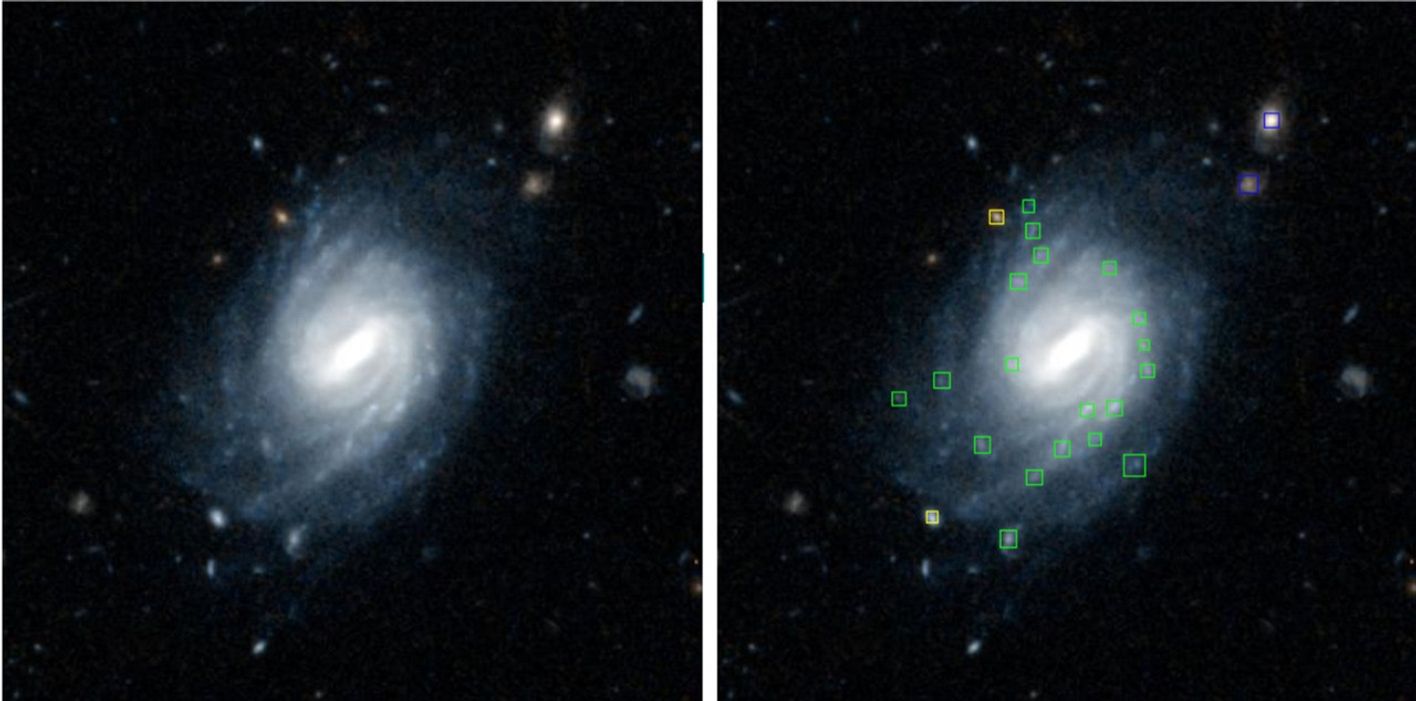
Galaxies often contain “clumps”, bright spots where stars are forming fastest. Today’s observatories, like the Euclid space telescope, an ESA (European Space Agency) mission with critical contributions from NASA, are capturing ever-more detailed images of galaxies, with more information about these clumps. Now scientists have built a machine learning model (a kind of artificial intelligence) to identify and mark clumps in images of galaxies like those seen by Euclid to help answer basic questions about them.
However, the model isn’t doing its job well enough! The scientists need your help spotting the clumps and setting the model straight!
Join Galaxy Zoo: Clump Scout II to see detailed images of galaxies with clumps that have been identified by this machine-in-training, and give feedback to help train the tools that might unlock the secrets of star formation. You’ll be joining a successful collaboration, the team that launched the first Galaxy Zoo: Clump Scout project, which invited volunteers to search the local Universe for galaxies in 2019.
project task
Examine images
division
Astrophysics
where
Online
launched
2026

What you'll do:
- Learn how to recognize clumps, the bright spots in galaxies where stars are being formed more quickly than elsewhere.
- View the work of the machine learning model (a kind of AI), which has placed colored boxes on top of pictures of galaxies.
- Use the project interface’s tools to move or delete the boxes or draw new ones to correct the machine.
- If you like, you can discuss what you find with other volunteers and scientists in the Talk forum.
Requirements
- Time: 10-15 minutes to complete the tutorial, then as much time as you like.
- Equipment: An internet-connected computer, tablet, or smartphone
- Knowledge: None. The in-project tutorial provides all the necessary information.
Get started!
- Visit the project website.
- Navigate to the “Correct a clump” workflow and complete the in-project tutorial to learn how to recognize clumps.
- Start correcting machine-made marks of clumps in galaxy images made by the Euclid space telescope.
Learn more:
The Galaxy Zoo: Clump Scout II project’s Research page gives an overview of the tools (space telescopes and machine learning) that power this project, the state of science of clumpy galaxies, and a summary of the unanswered questions about the formation and function of clumps (the Results page also shares information on clump formation and their galactic environments). The Frequently Asked Questions (FAQs) page has additional, practical information relevant to doing the work of the project. The original Clump Scout project is complete, but can still be viewed here.

Get to know the people of Clump Scout II!





Claudia Scarlata
Professor and Astrophysicist, Minnesota Institute for Astrophysics