













Rediscovered, Renamed, Reclassified Cluster NGC 6380
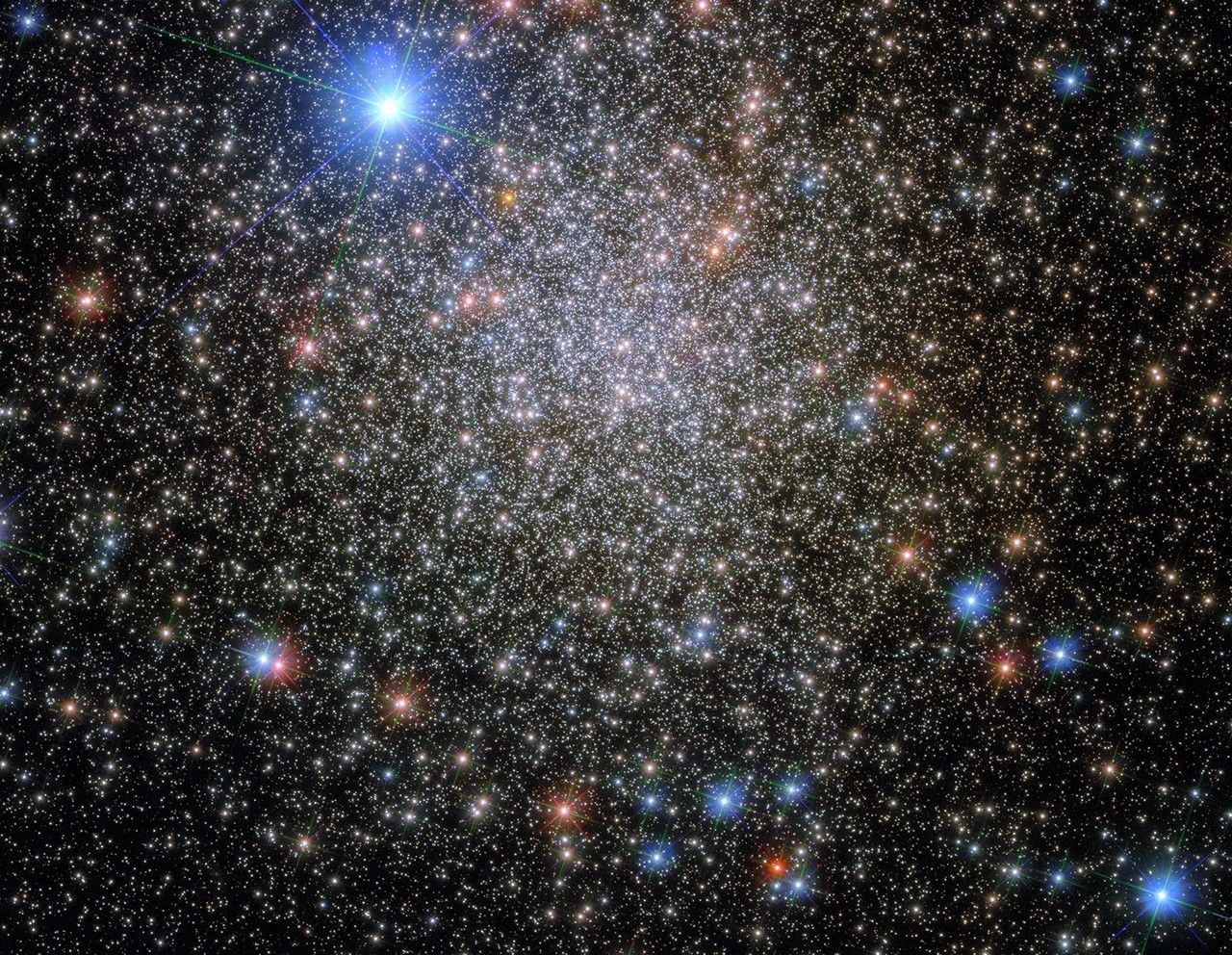
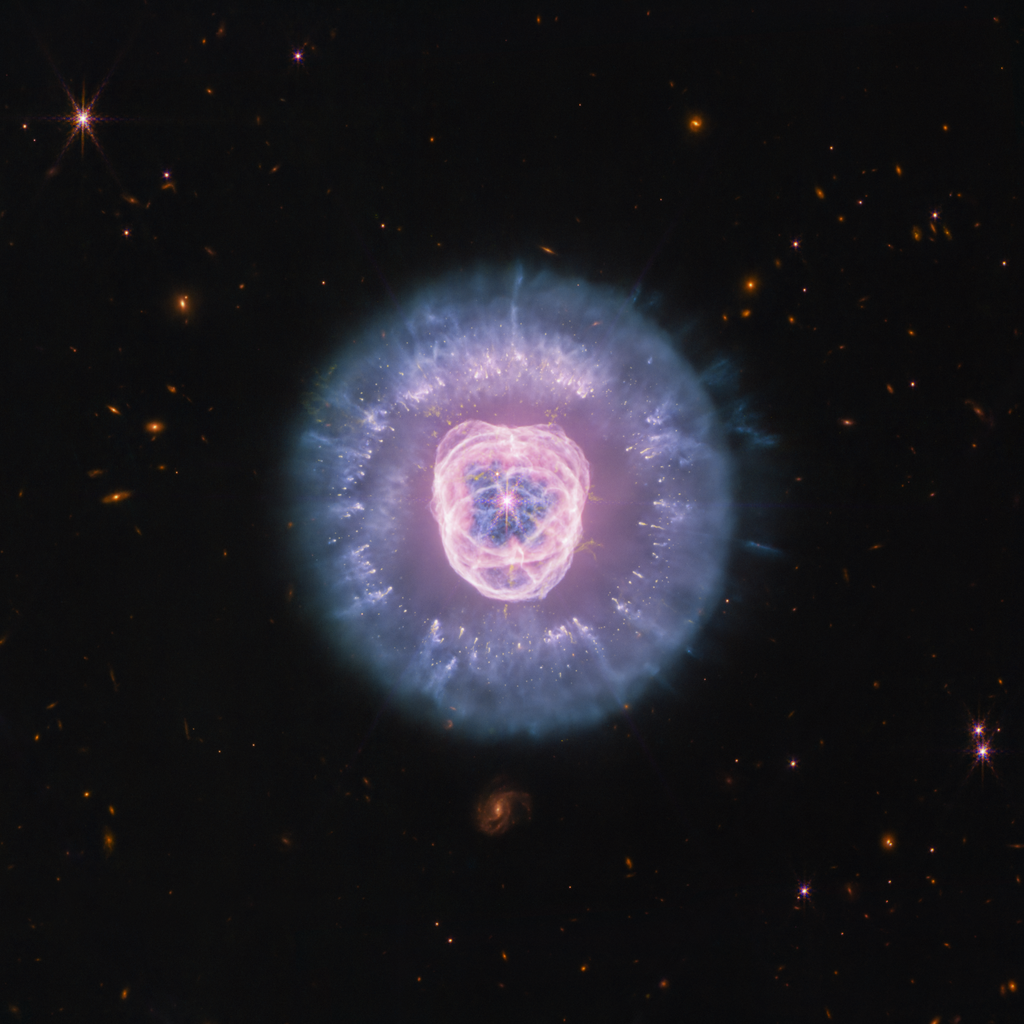
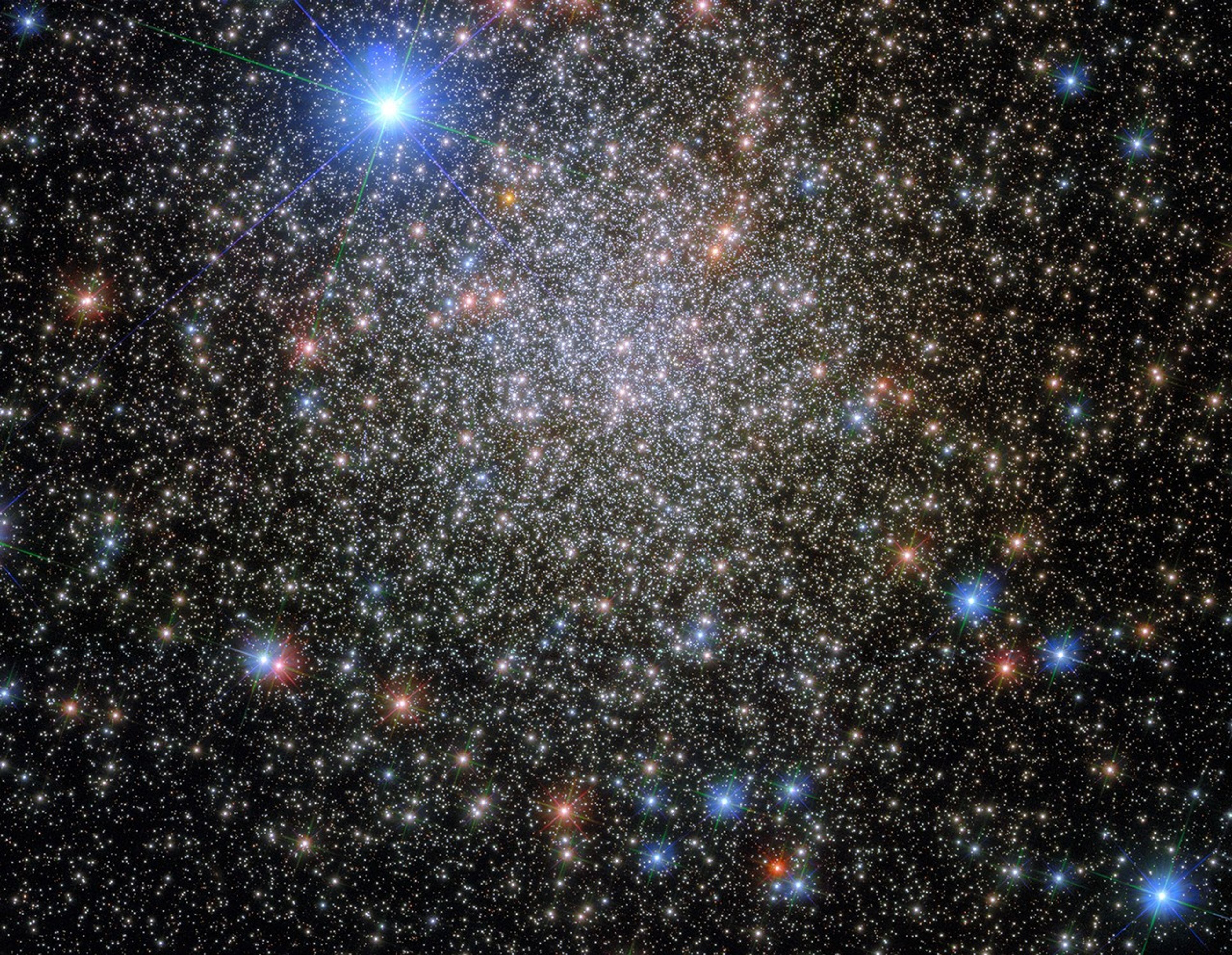
This Hubble Space Telescope image shows the globular cluster NGC 6380, which lies around 35,00 light-years from Earth, in the constellation Scorpio (The Scorpion). The very bright star at the top of the image is HD 159073, which is only around 4,000 light-years from Earth, making it a much nearer neighbor than NGC 6380. NGC 6380 is not a particularly exciting name, but it indicates that this cluster is catalogued in the New General Catalogue (NGC), which was originally compiled in 1888. This cluster has, however, been known by many other names. It was originally discovered by James Dunlop in 1826, who named it Dun 538. Eight years later, in 1834, it was independently rediscovered by John Herschel and he went on to name it H 3688. Paris Pişmiş, who catalogued it as Tonantzintla 1 – and who, to continue the pattern, also referred to it as Pişmiş 25. In addition to its colorful history of rediscovery, up until the 1950s NGC 6380 was thought to be an open cluster. It was A. D. Thackeray who realized that it was in fact a globular cluster. Nowadays, this cluster is reliably recognized in widely available catalogues as a globular cluster, and referred to simply as NGC 6380.
Image Credit: ESA/Hubble & NASA, E. Noyola
- X
https://science.nasa.gov/image-detail/amf-56c39a59-5df6-47c0-ba05-ca0813fbfd7d/
Image CreditESA/Hubble & NASA, E. Noyola
Size3865x2996px